




The 2025
SAVE THE FROGS!
Photo Contest
The 2025 SAVE THE FROGS! Photo Contest received 297 entries, from 82 photographers representing 28 countries!
Participating countries this year were: Argentina, Australia, Bangladesh, Bolivia, Brazil, Canada, Chile, China, Colombia, Costa Rica, Ecuador, France, Germany, Honduras, India, Italy, Malaysia, Moldova, Nepal, Panama, Portugal, Singapore, South Africa, Sri Lanka, Switzerland, Uganda, United Kingdom, USA and Venezuela.
Thank you to all who took part! We look forward to seeing more amazing amphibian photos from you in next year’s contest!
Please spread the word about the SAVE THE FROGS! Photo Contest!
Winners | Finalists | Semi-Finalists | Honorable Mentions | Summary | Photographers | Results
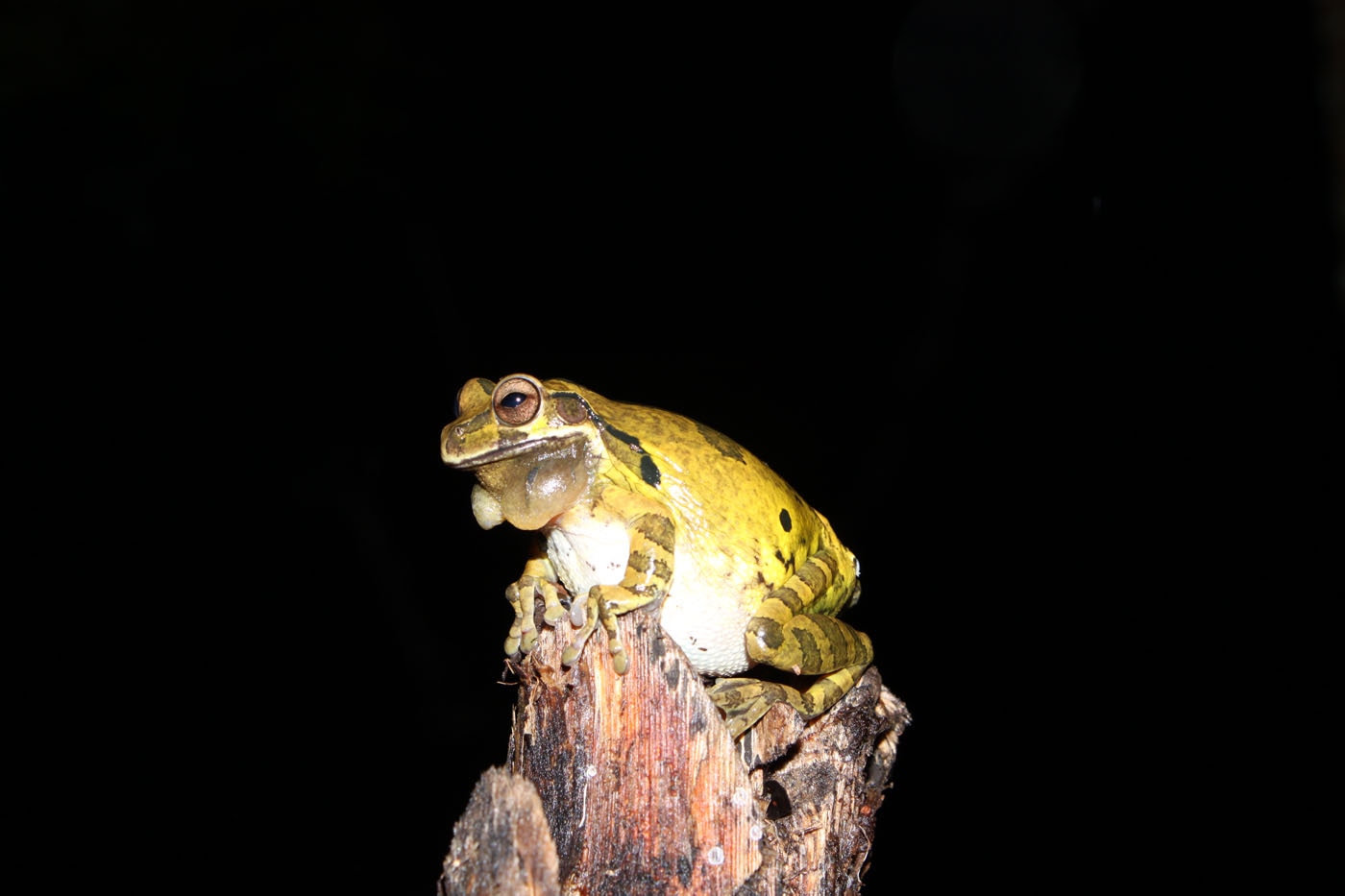
Grand Prize Winner:
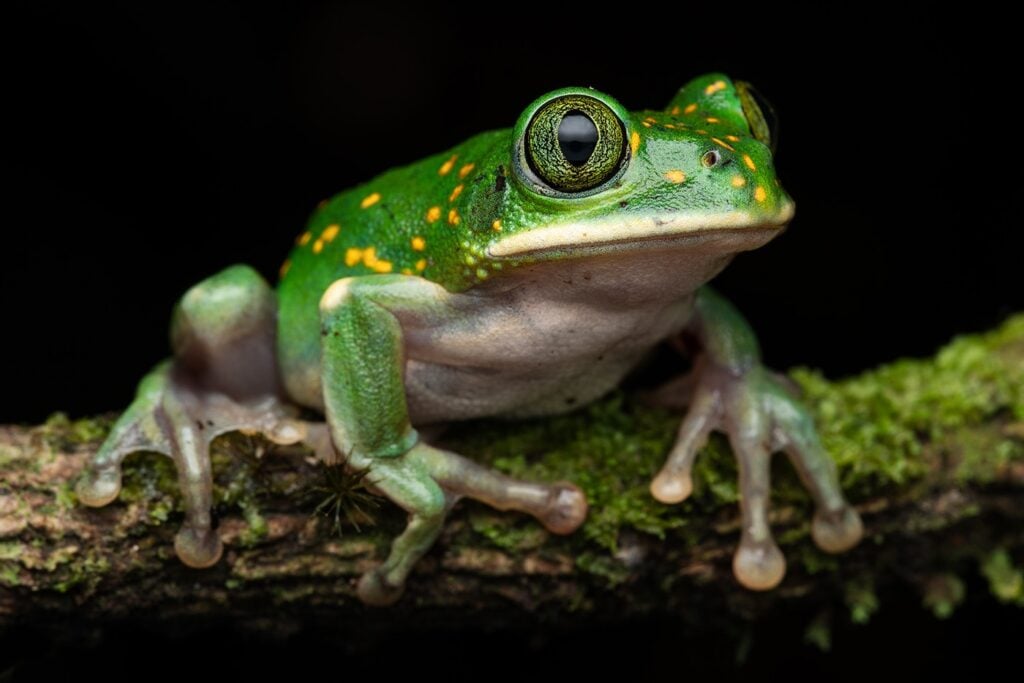
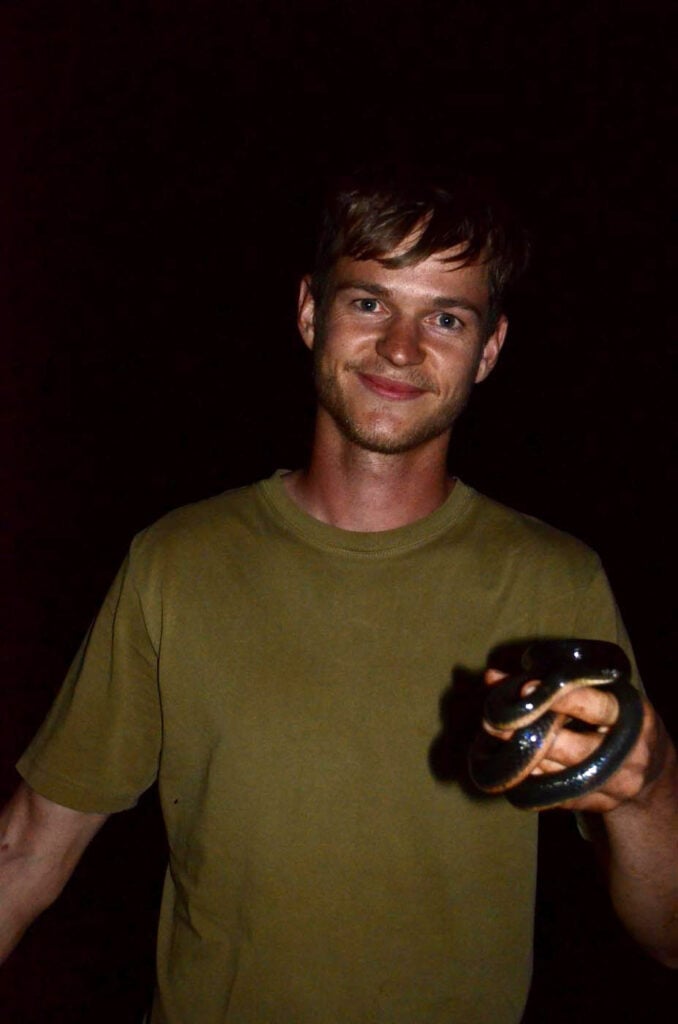
Tim Brammer, South Africa
Reptiles and amphibians have fascinated me for as long as I’ve been alive. As a conservation educator I’ve made it my life’s mission to raise awareness about these creatures in an effort to promote their conservation. I love sharing my love for these animals with others, especially through photography.
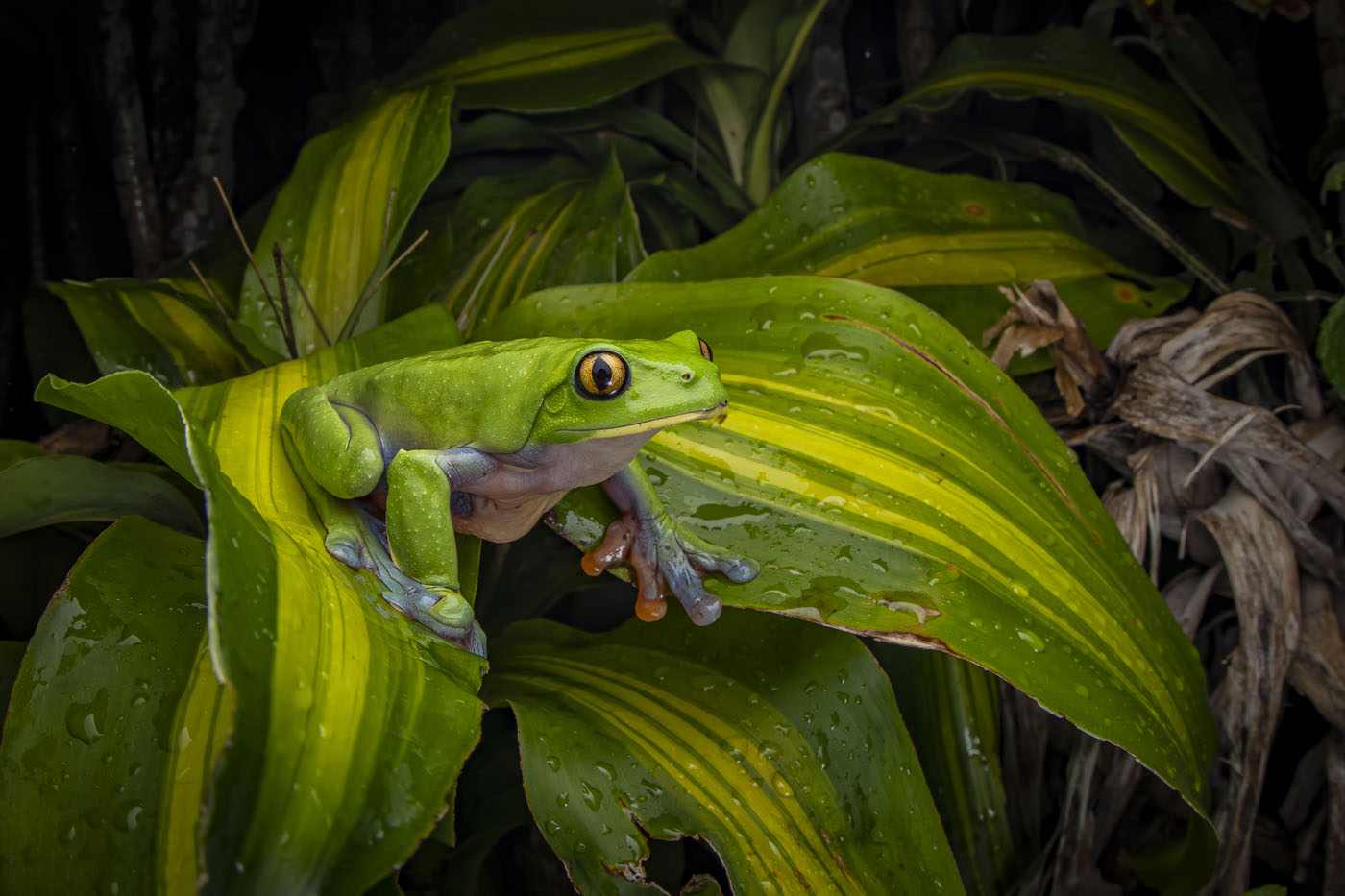
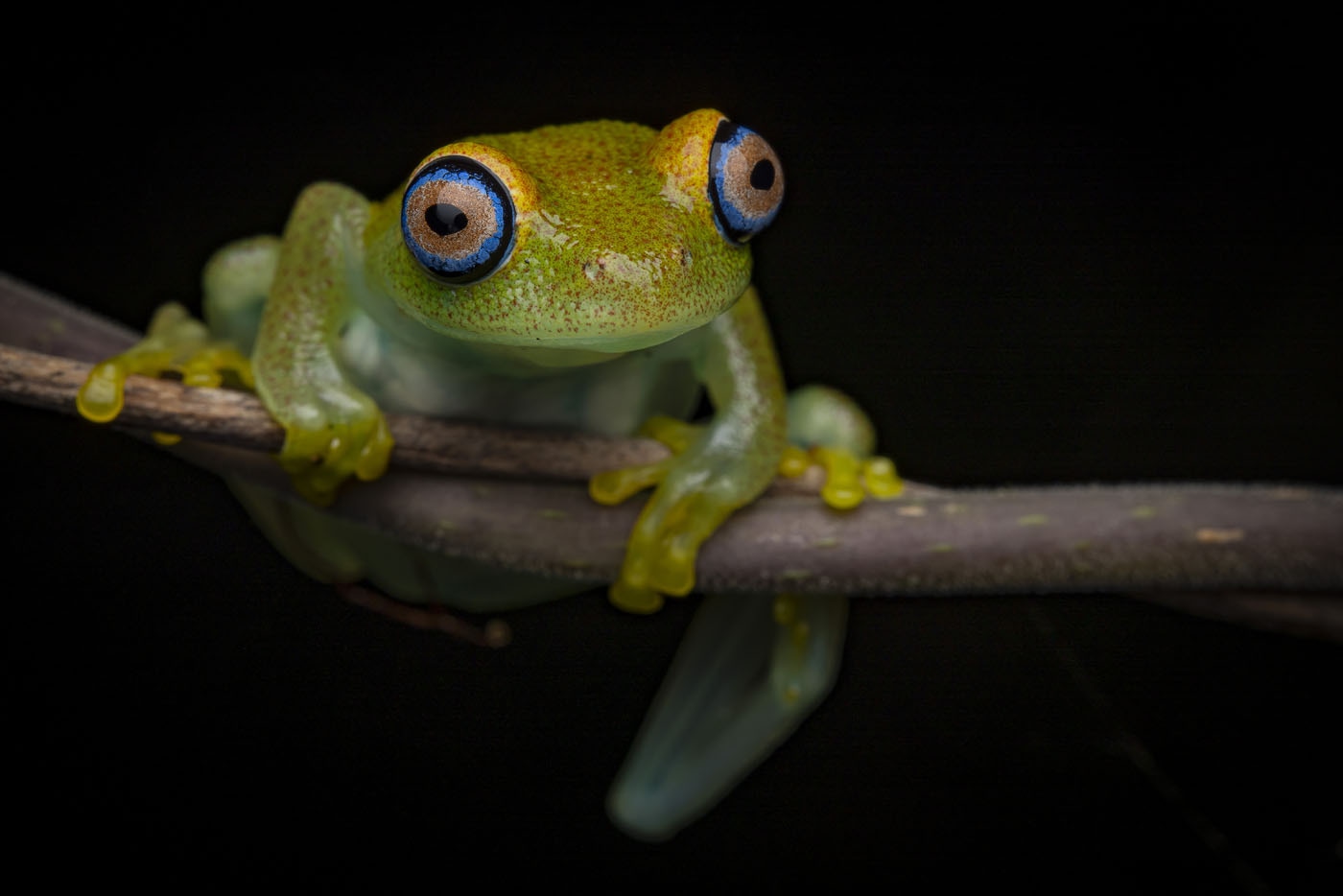
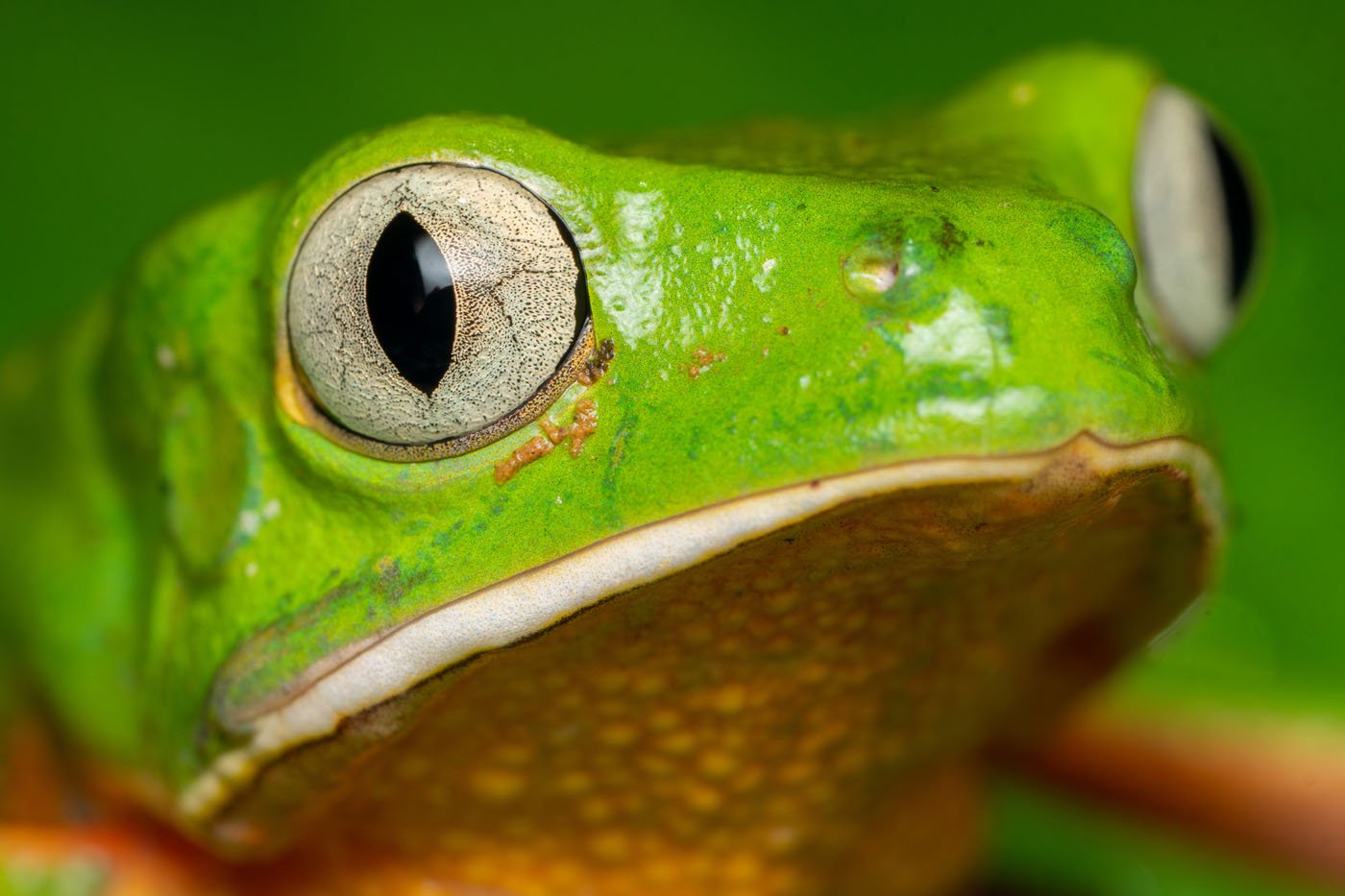
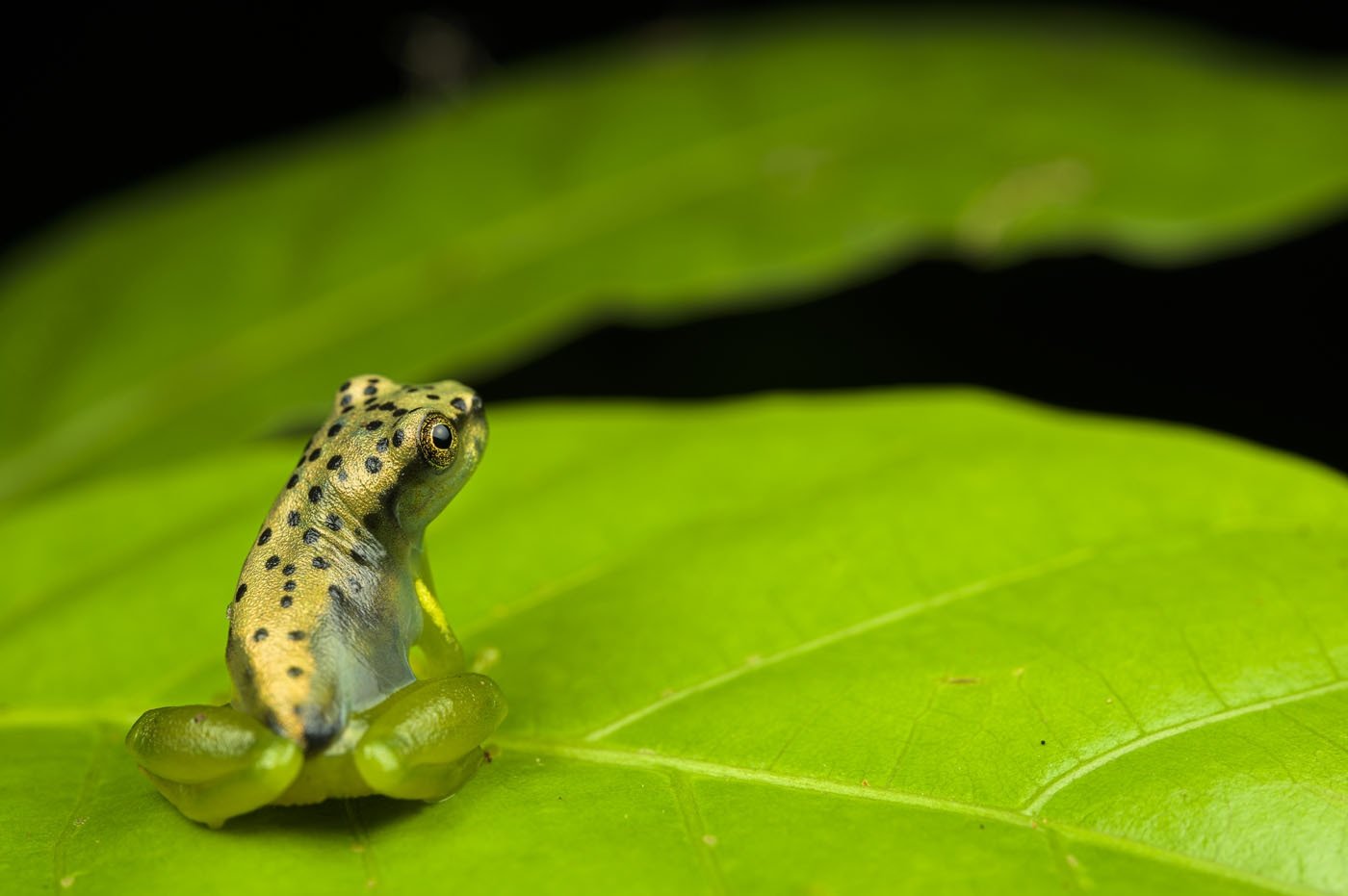
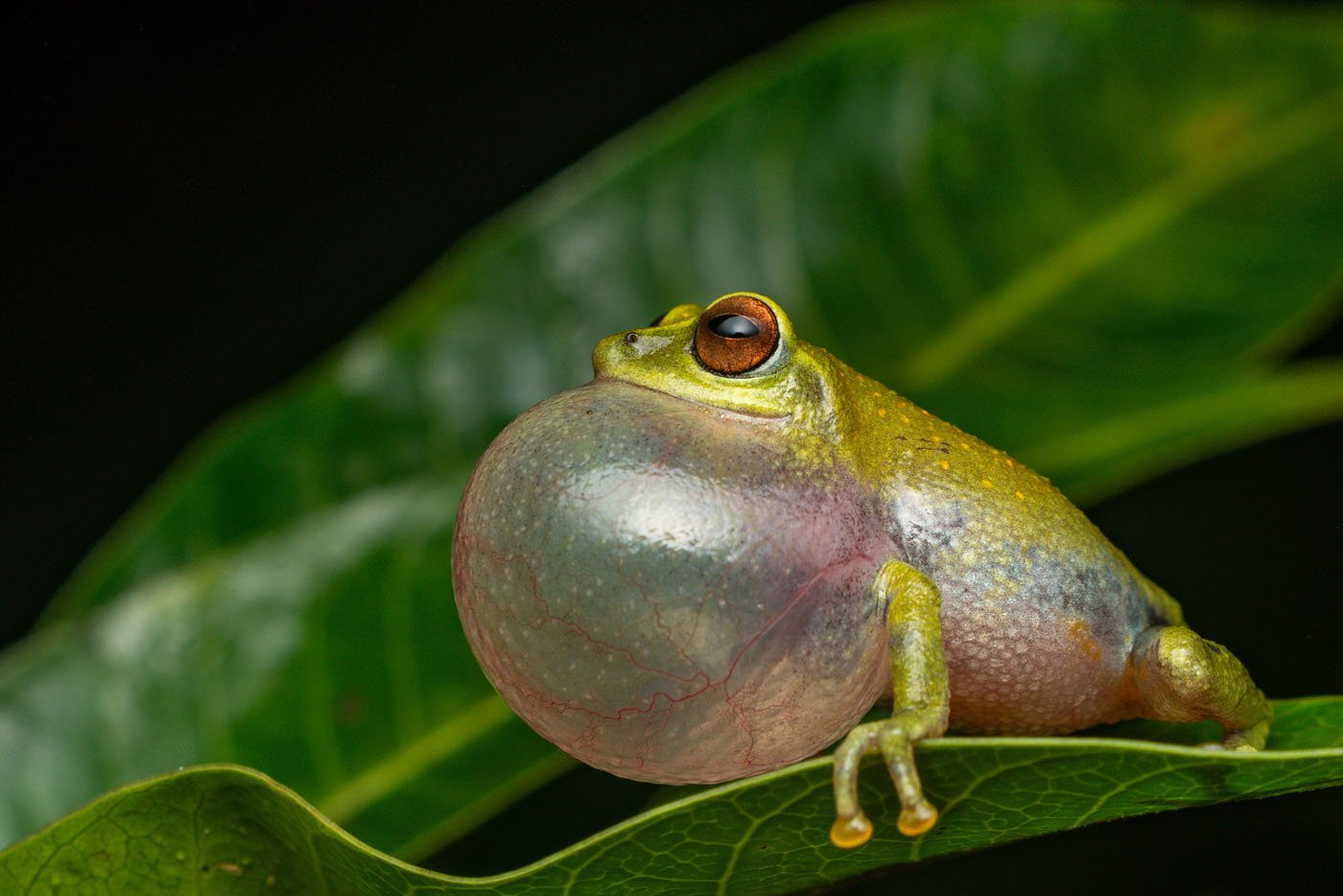
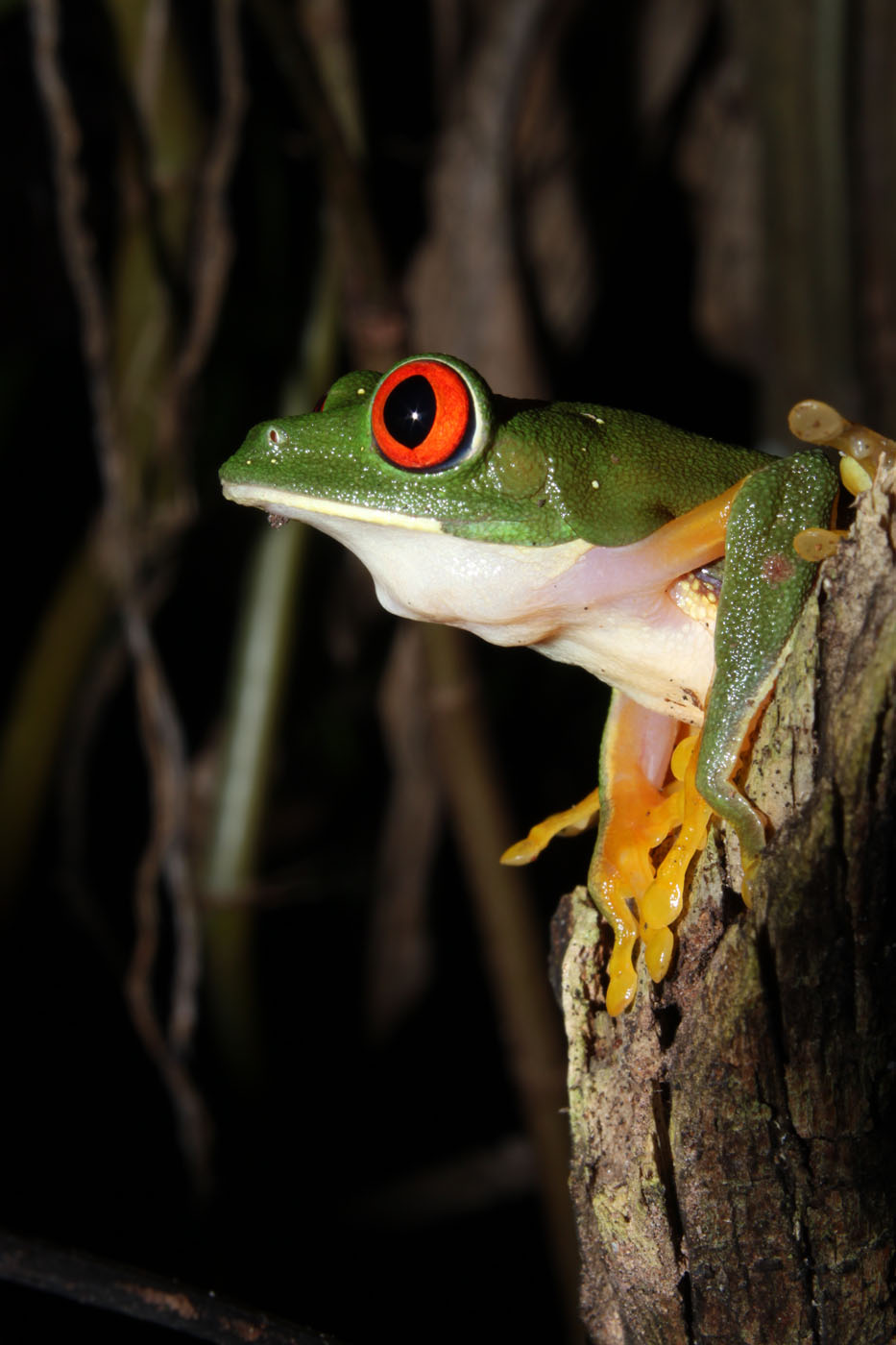
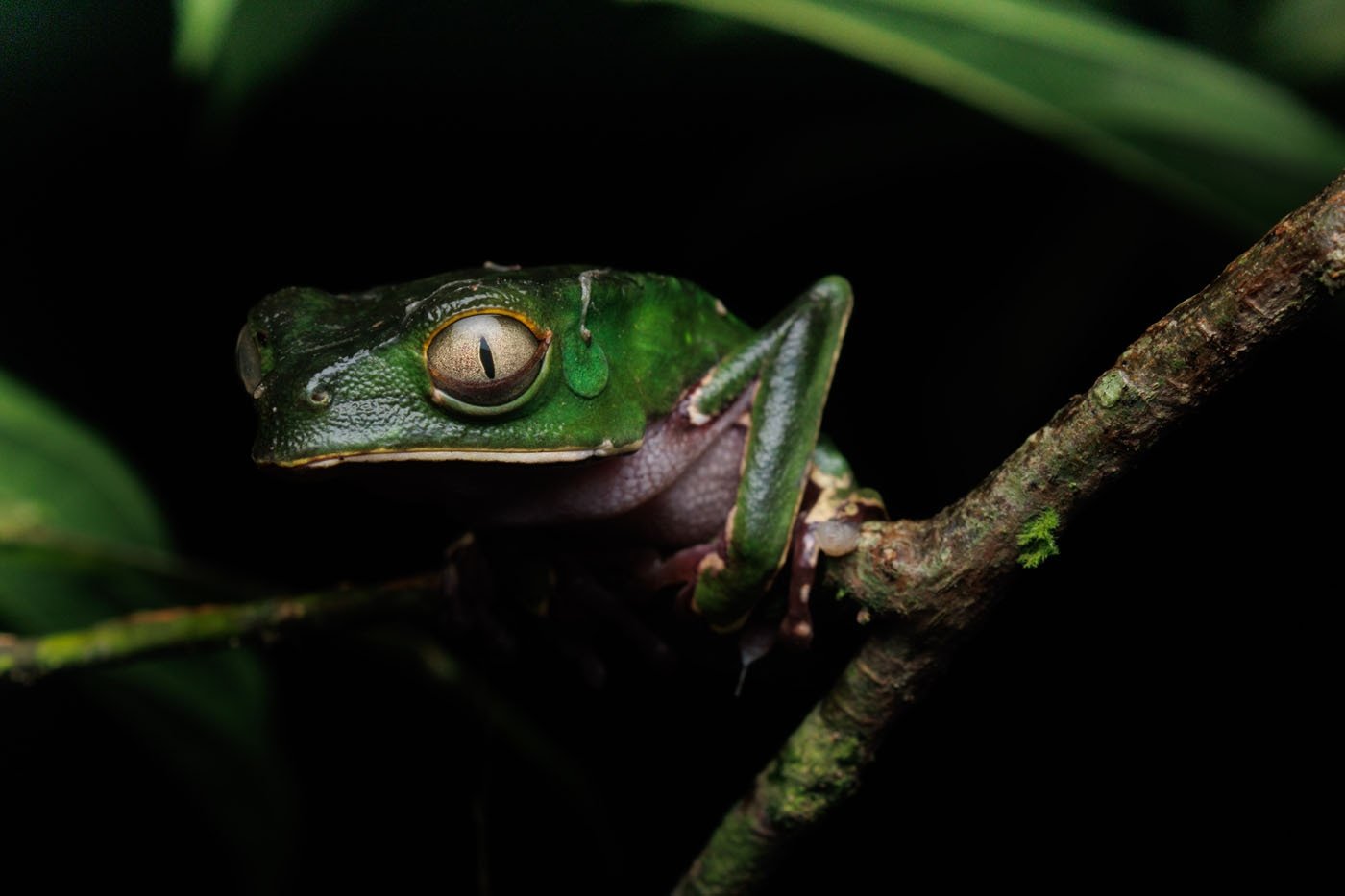
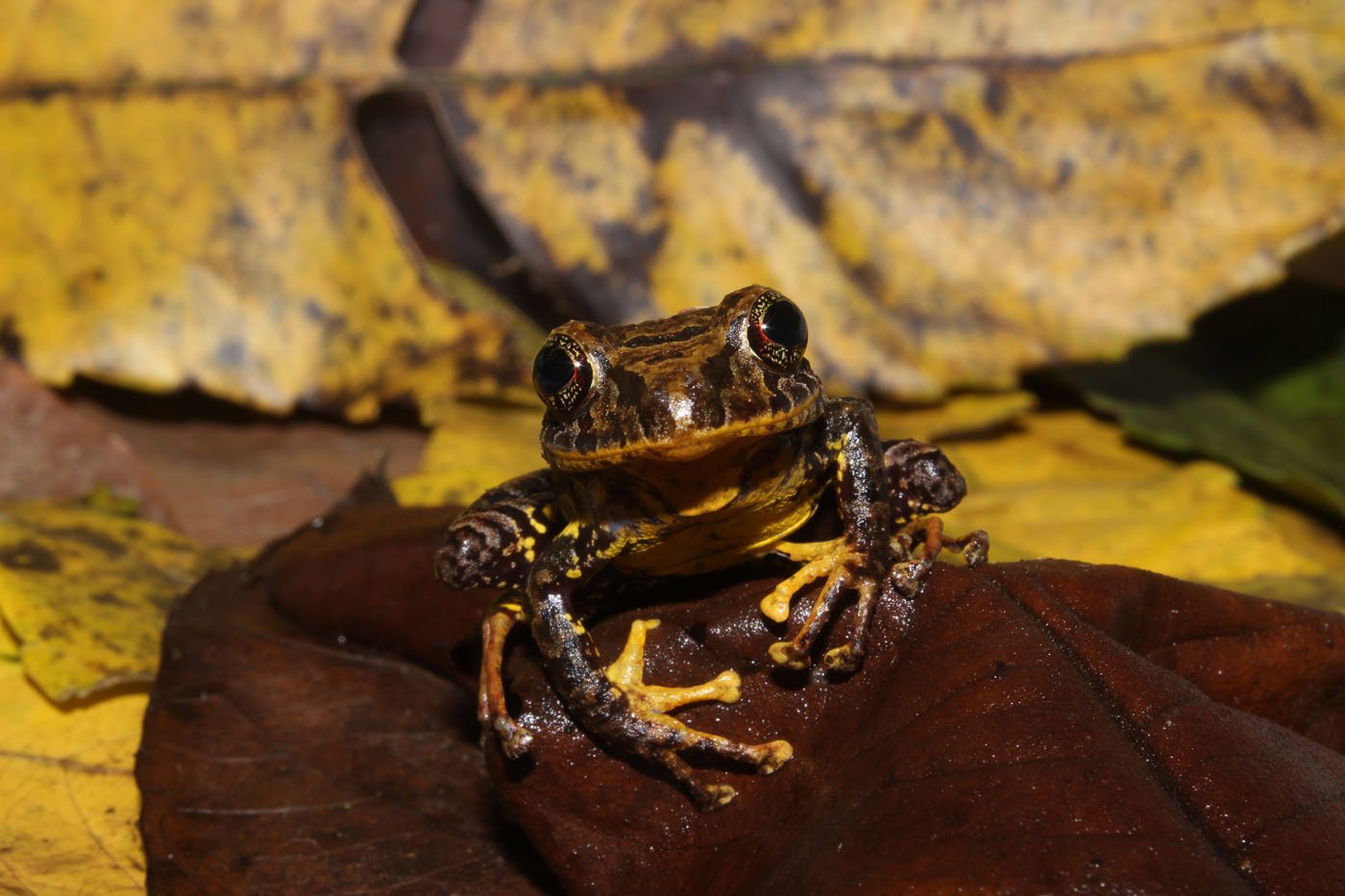
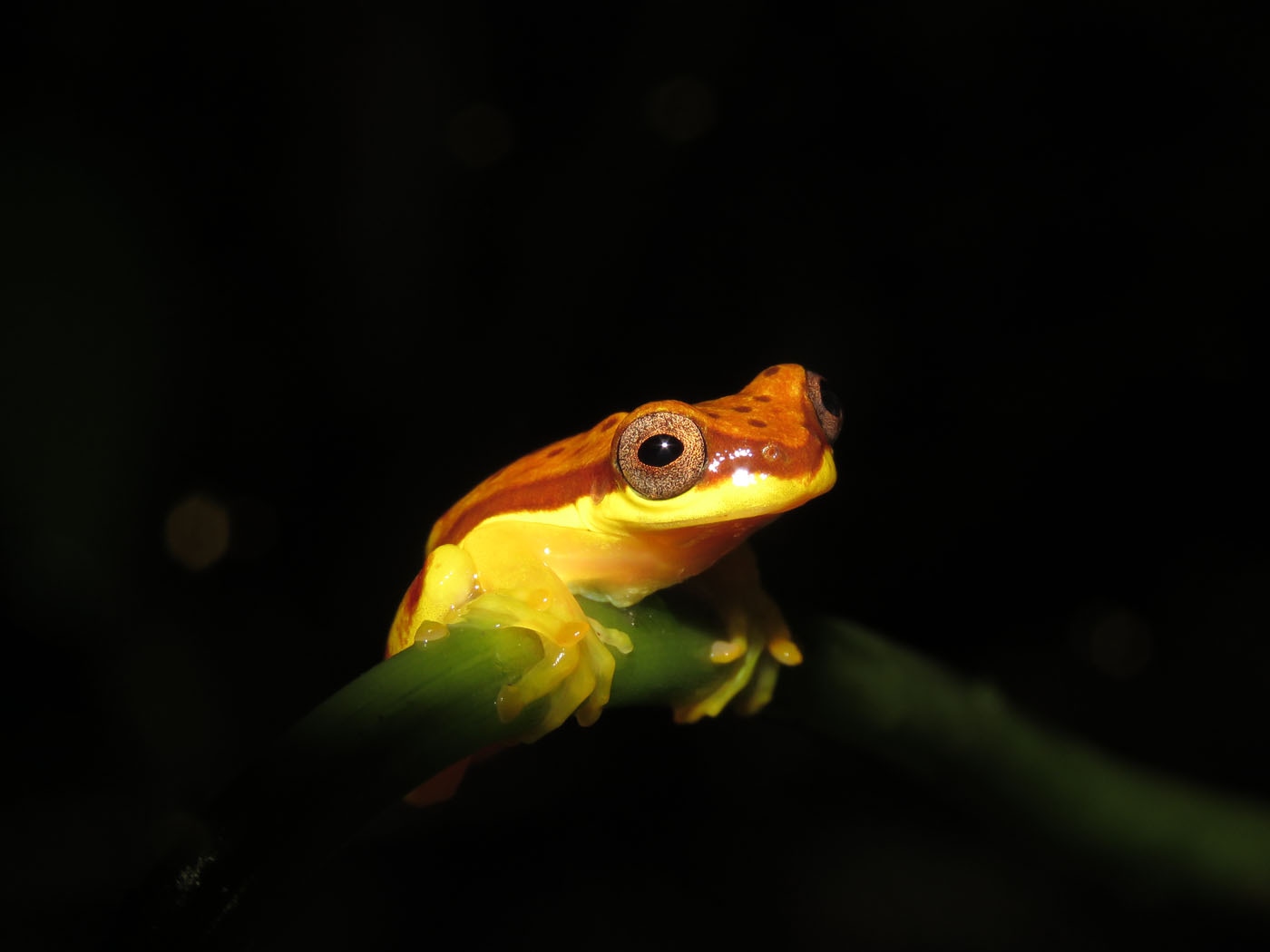
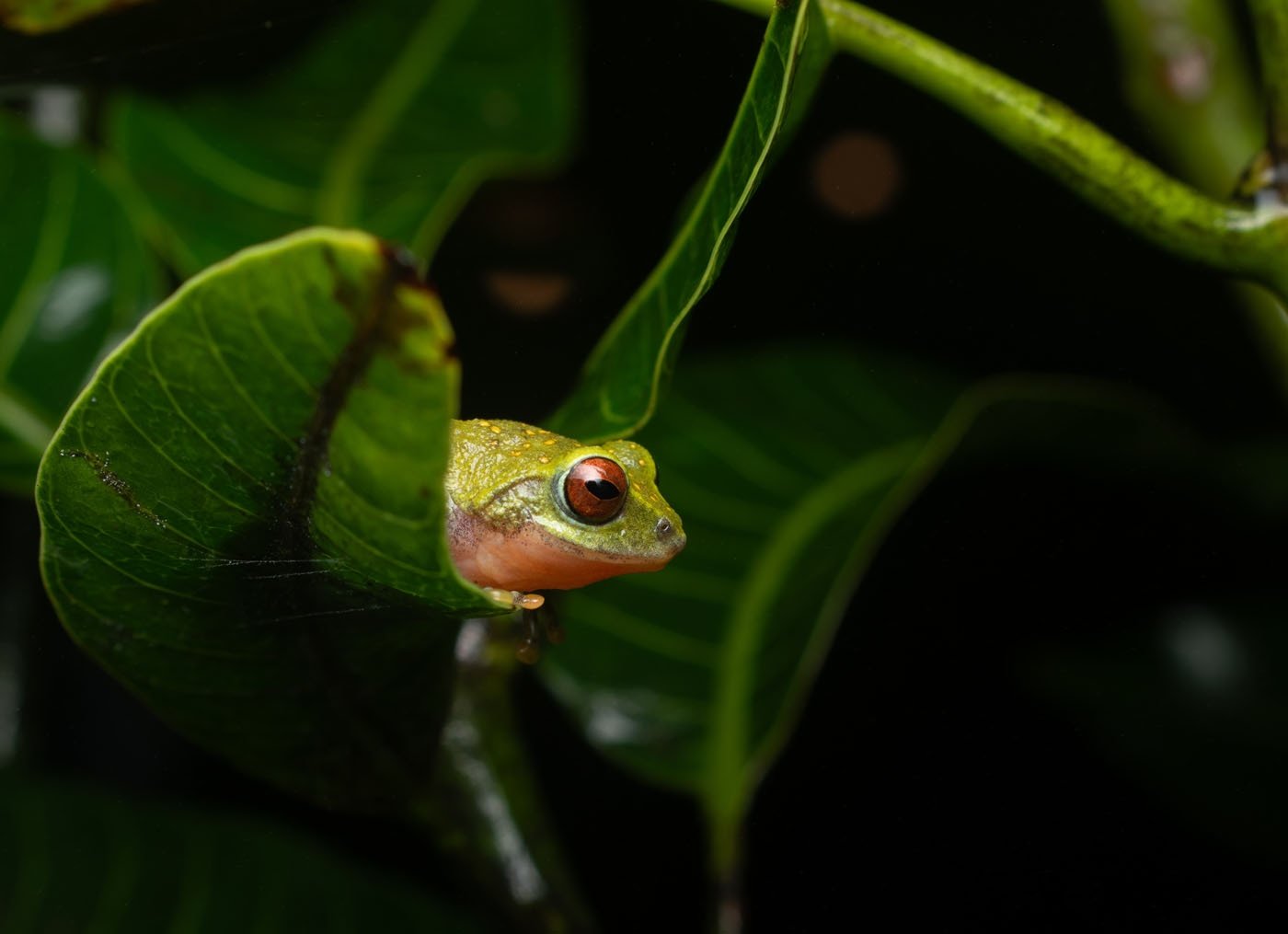
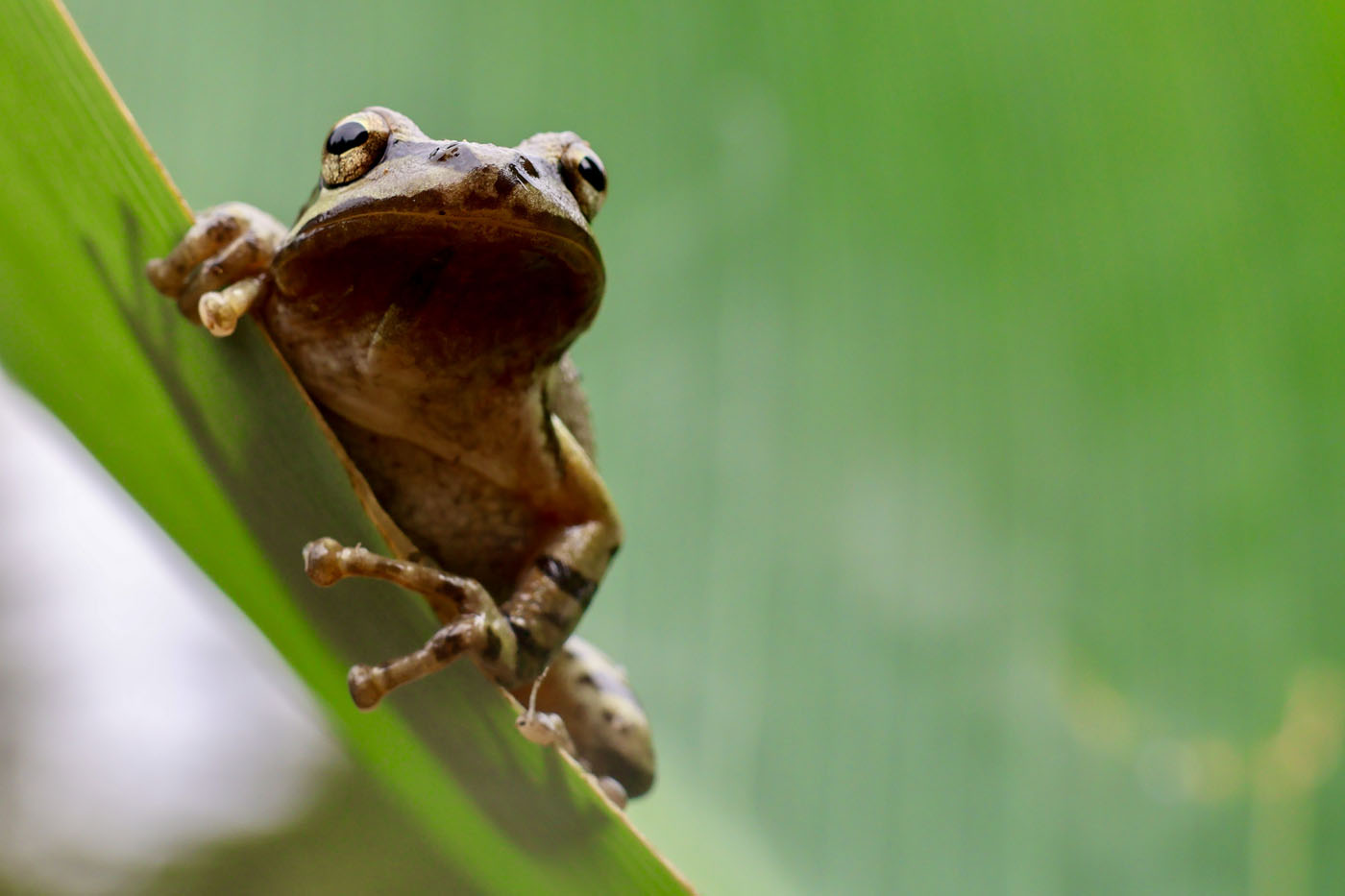
In my humble opinion, these beautiful tree frogs are the embodiment of one of the world’s most threatened ecosystems: the South East African Montane Archipelago Ecoregion. The Yellow-spotted Tree Frog (Leptopelis flavomaculatus) inhabits the evergreen forests in this region. I photographed this particularly good looking individual on a research trip to the lost forest on Mt. Mabu in Mozambique, the last intact forest in the region.
Follow on Instagram @timswildworld
2nd Place:
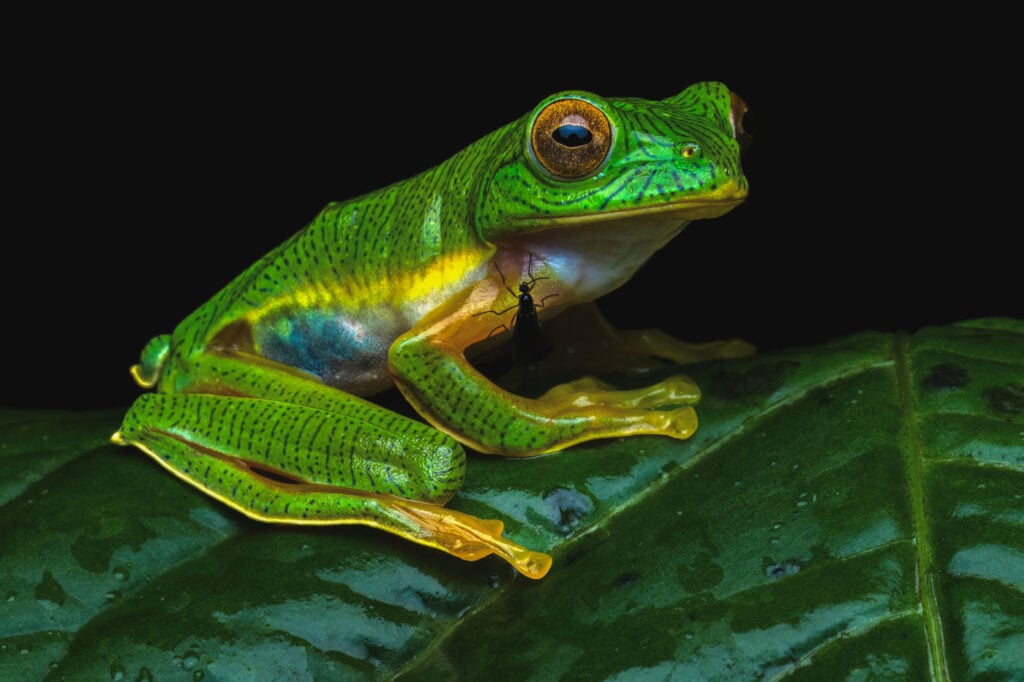
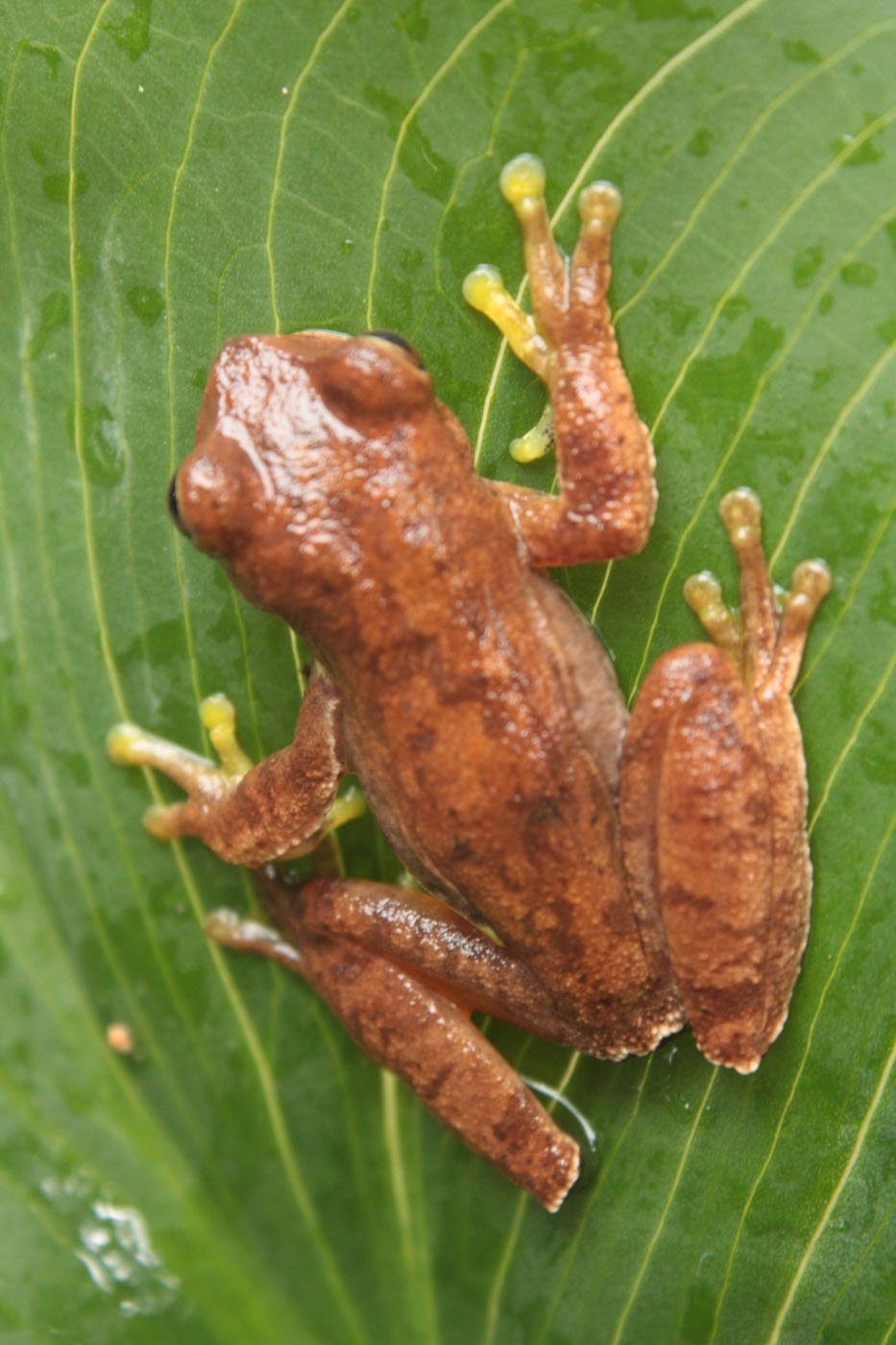
Mohamed Meeran Syed, India
I have always been fascinated by the smaller, often overlooked species that play such an important role in keeping our ecosystems balanced. Through my wildlife photography, I focus on capturing frogs and other tiny creatures in their natural habitats, not just for their beauty but to highlight their ecological importance. Frogs are indicators of environmental health, and photographing them allows me to tell visual stories that connect people to nature and inspire conservation. For me, every photo is both an artistic expression and a reminder that protecting these species is essential for the survival of the larger web of life. Supporting SAVE THE FROGS! aligns perfectly with my belief that awareness through imagery can spark action and appreciation for these incredible animals.
A juvenile Malabar Gliding Frog (Rhacophorus pseudomalabaricus) rests quietly in the forests of Munnar, India, its body adorned with striking green-and-yellow stripes. Though its prey lingered beneath its throat, the frog remained humble and still, embodying patience rather than instinctive strike. This image captures not only the vivid beauty of a rare Western Ghats endemic, but also a moment of restraint that reflects the delicate balance of nature.
Follow on Instagram @storiesinpixels_24
3rd Place:
Massimo Bloch, Switzerland
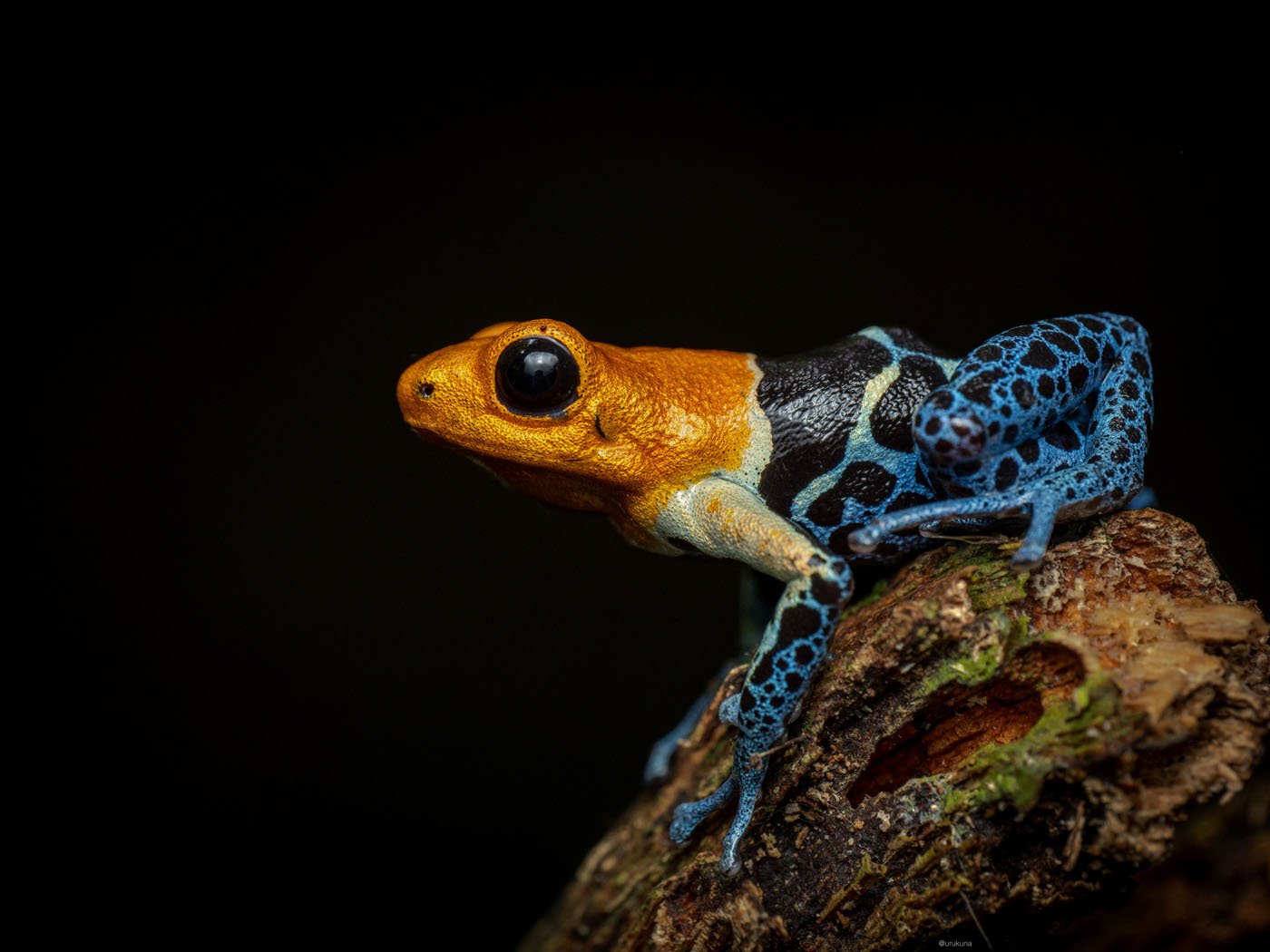
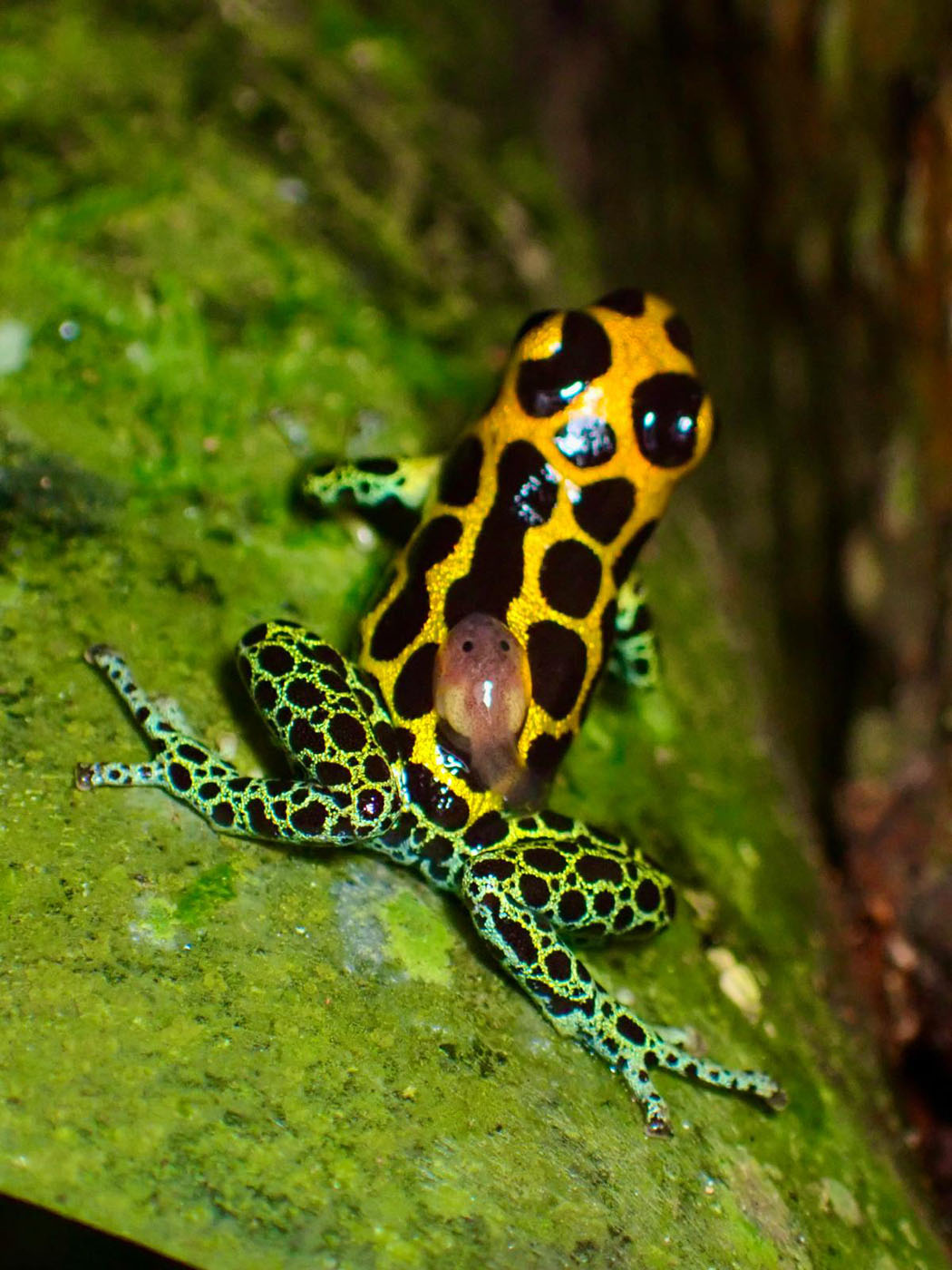
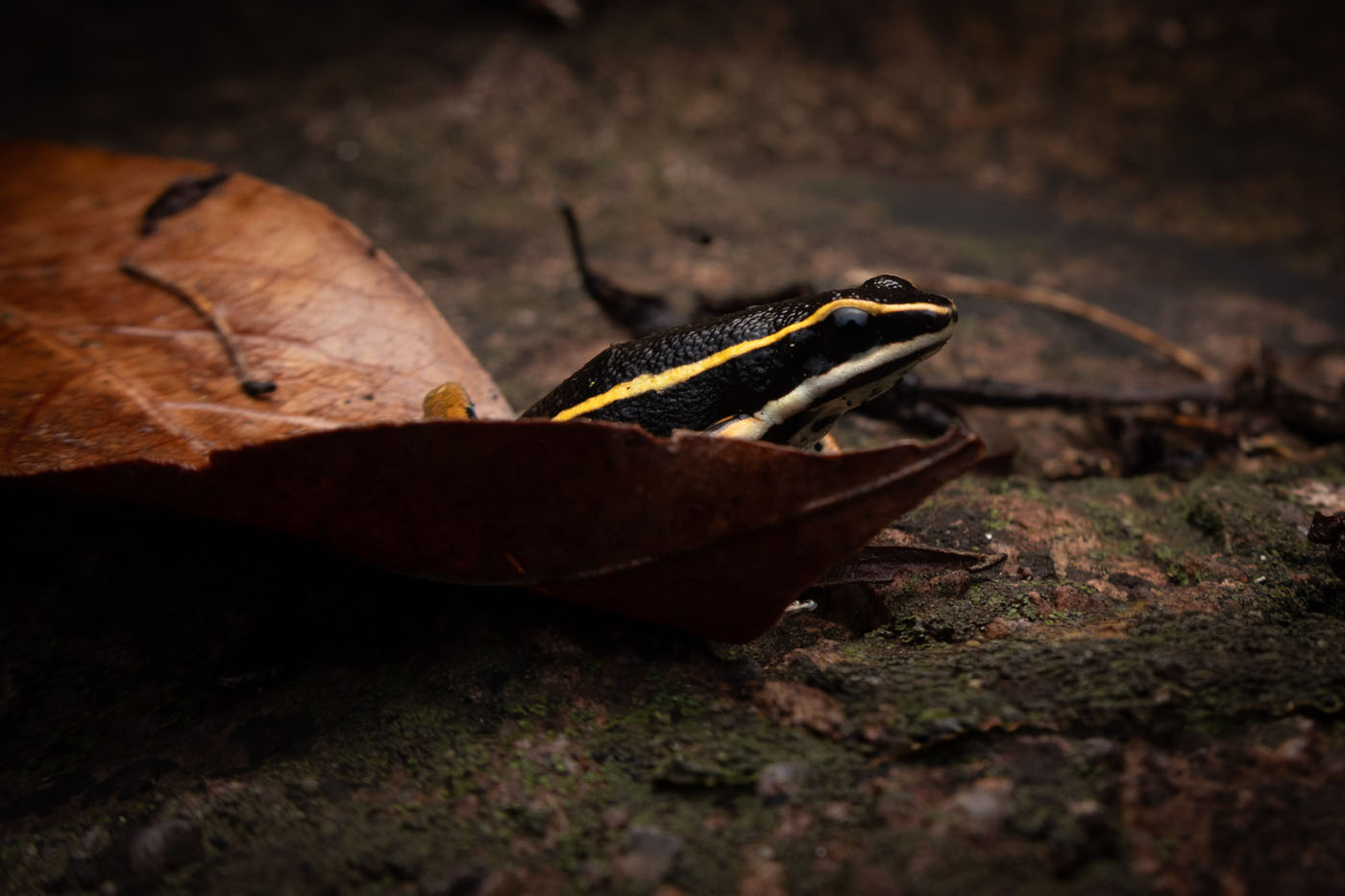
Meet Ranitomeya summersi “Yellow”, another Peruvian poison frog gem. What makes this photo truly special is the tiny hitchhiker on its back: a tadpole, being transported by dad to a small pool of water in a bromeliad, tree hole or artificial habitat. This remarkable parental care is a defining trait of Ranitomeya frogs — tadpoles gets carried to their nursery, where the parent may even return to feed it with unfertilized eggs.
Follow on Instagram @urukuna
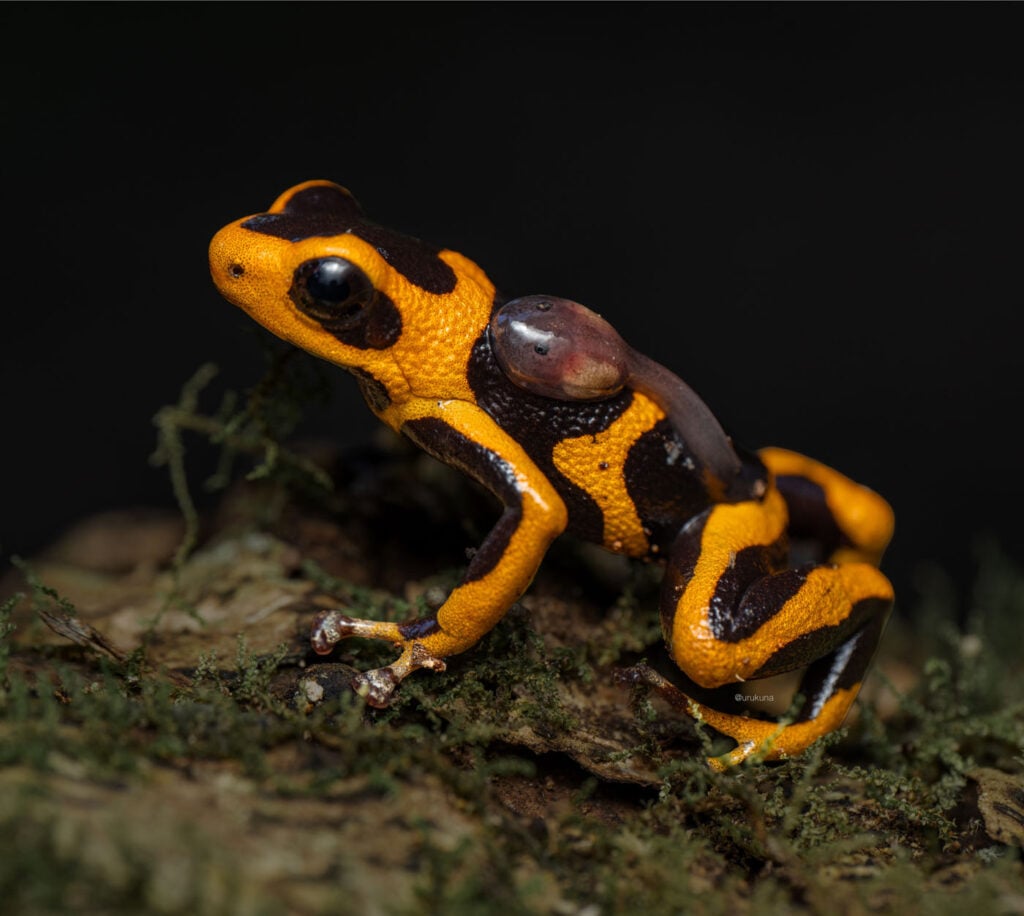
Showing the mighty Amazon Rainforest through its tiny inhabitants.
Best Salamander Photo:
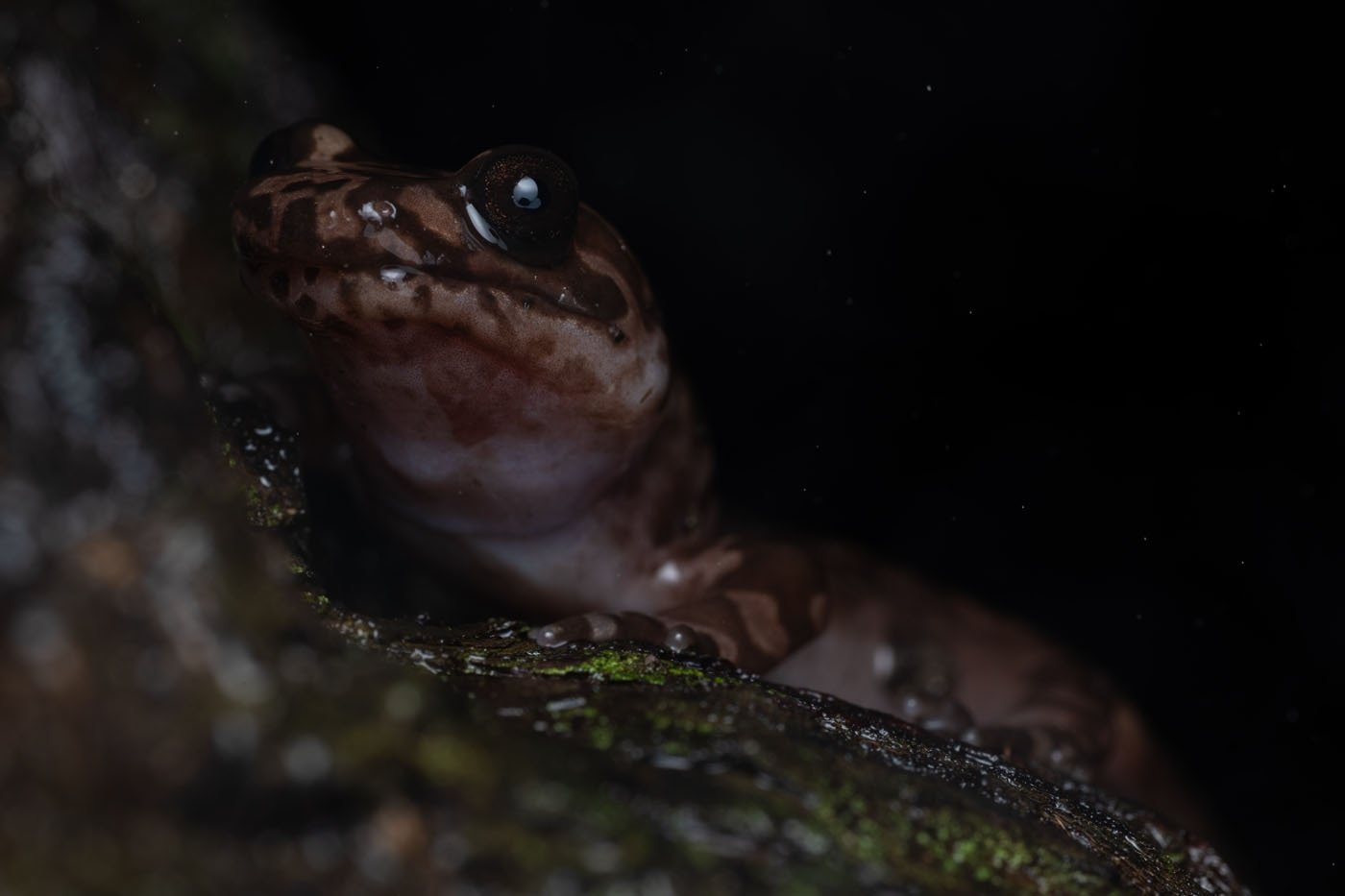
Alex Staffen, USA
My photography is driven by a simple belief: the more we see these fragile, hidden creatures, the more we value the ecosystems that support them. Amphibians are quiet indicators of our planet’s health, yet they are among the first to disappear when habitats are disturbed. Through my lens, I hope to reveal their beauty, personality, and vulnerability — not as background species, but as essential members of our natural world.
By sharing these images, I want people to slow down, look closer, and feel a connection with animals many never notice. If a single photo inspires curiosity, compassion, or action toward protecting amphibians and their habitats, then the work is worth it. Saving frogs, salamanders, and all amphibians isn’t just about preserving species, it’s about preserving the balance of life that sustains us all.
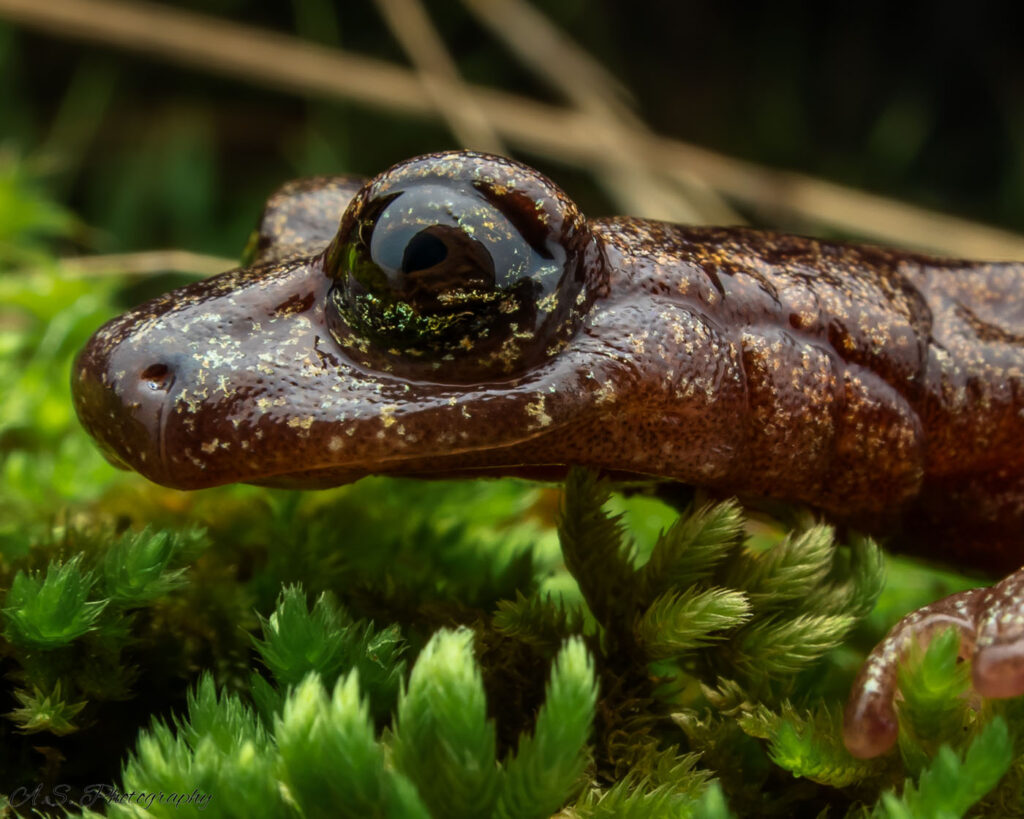
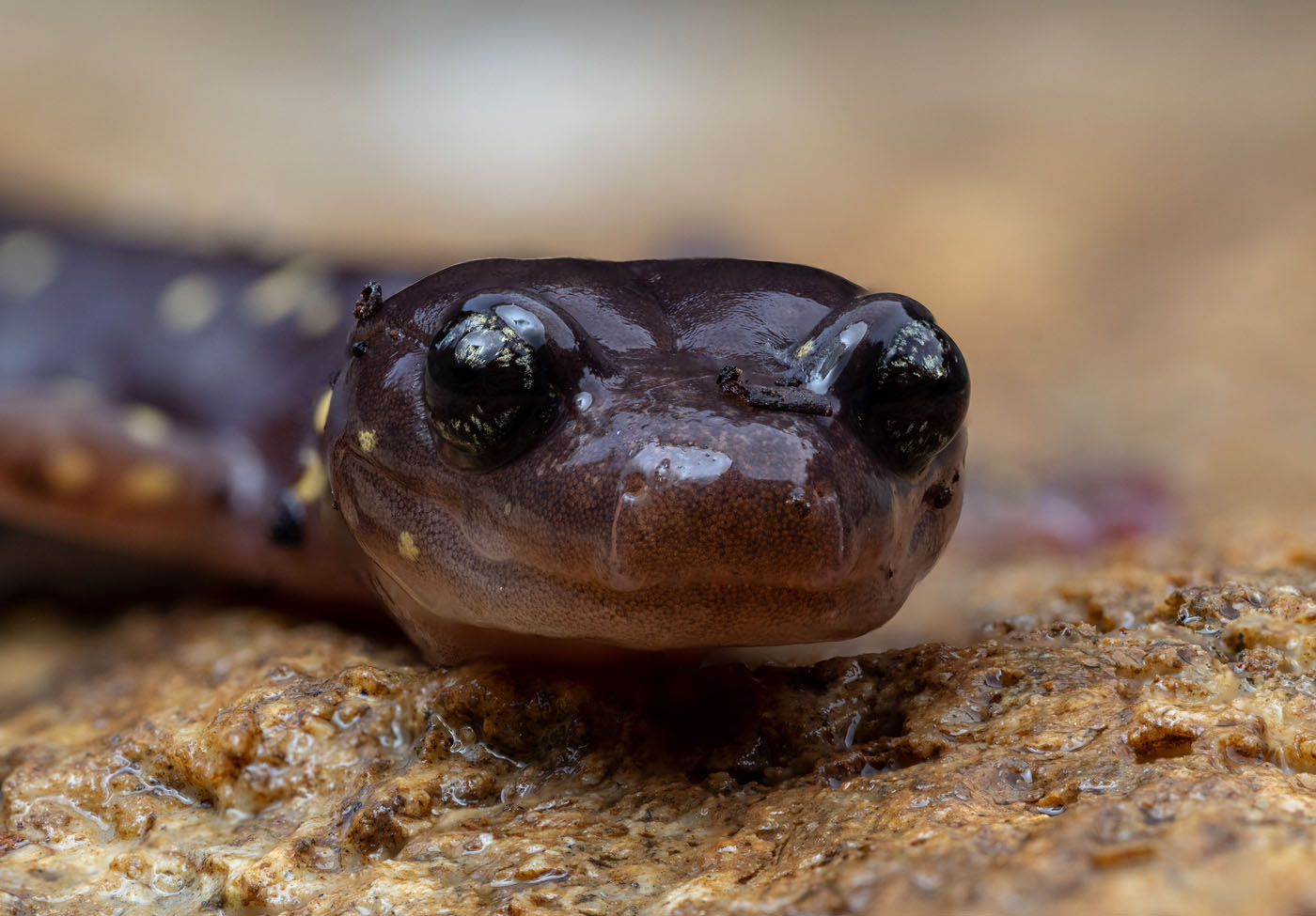
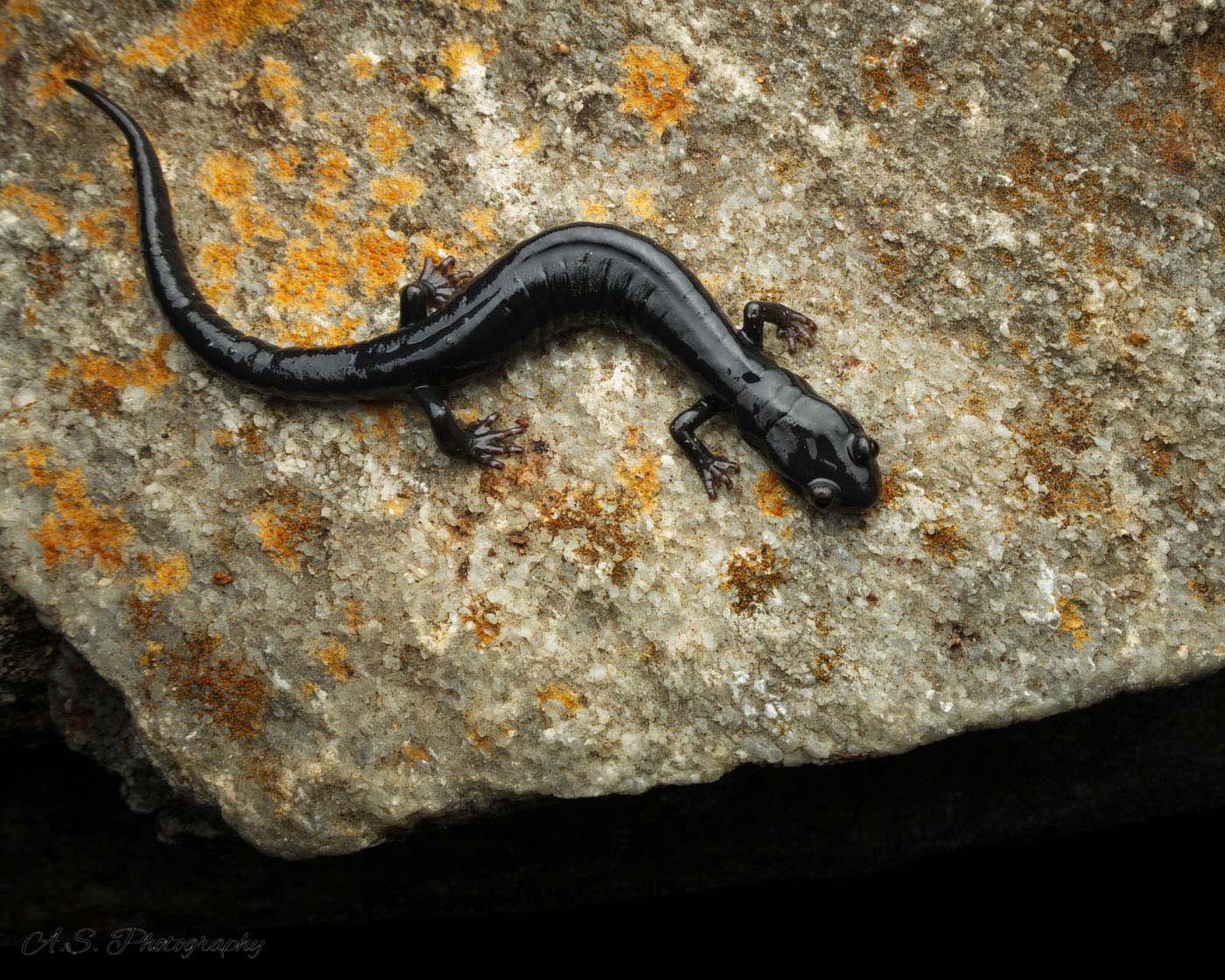
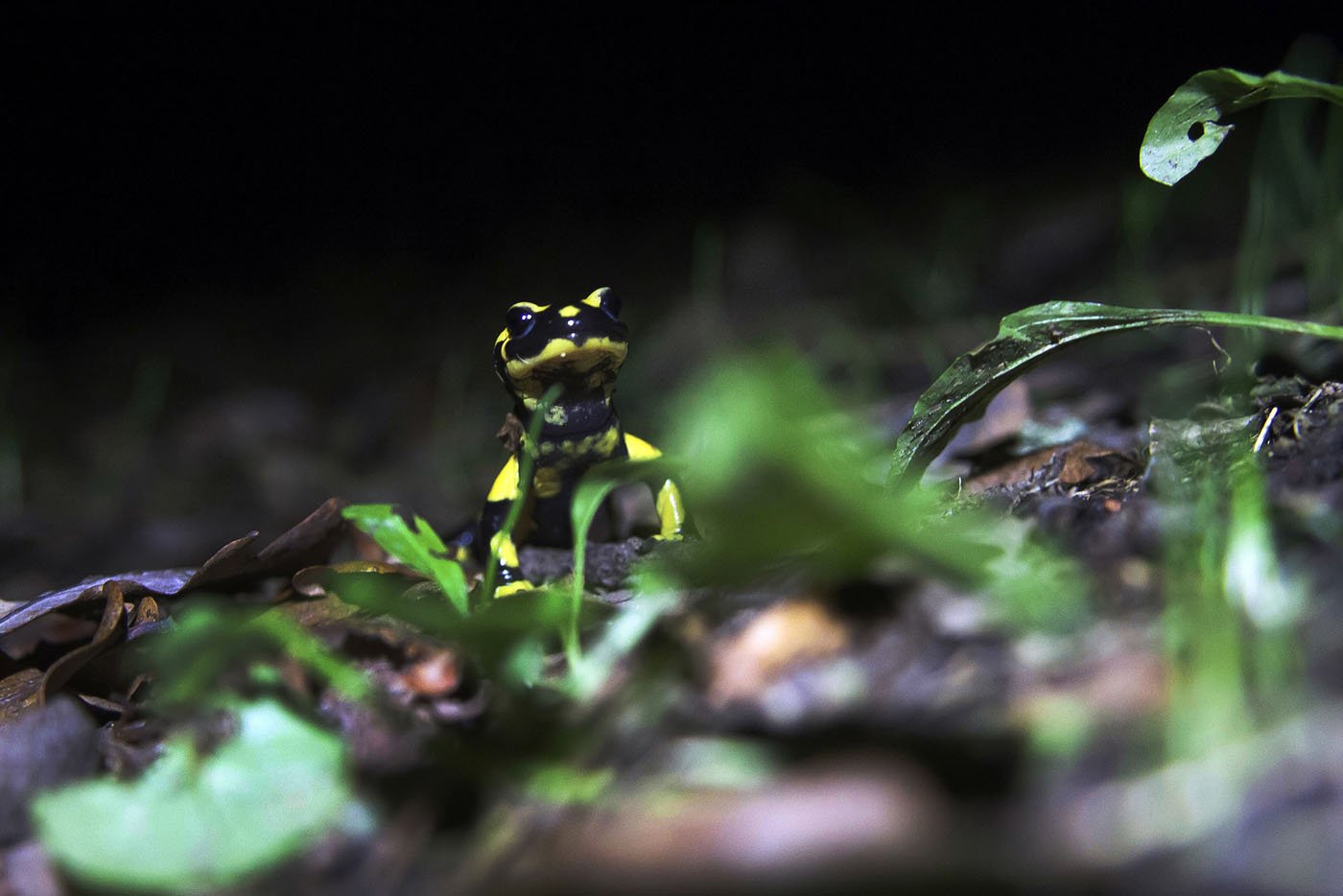
Headshot of the elusive Samwel Shasta Salamander (Hydromantes samweli), a micro-endemic species threatened by habitat loss. Every sighting feels like a reminder of what’s worth protecting.
Finalists
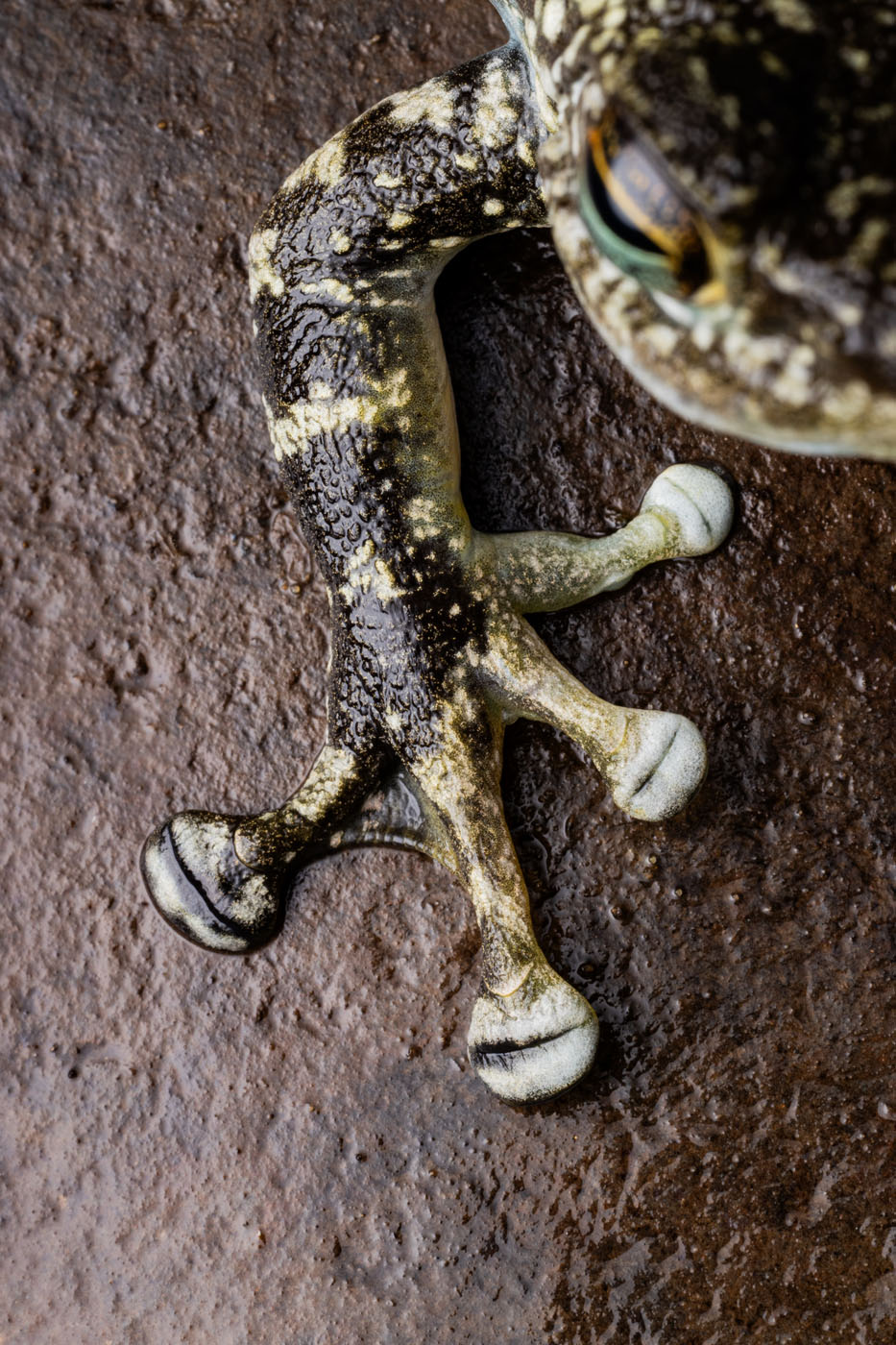
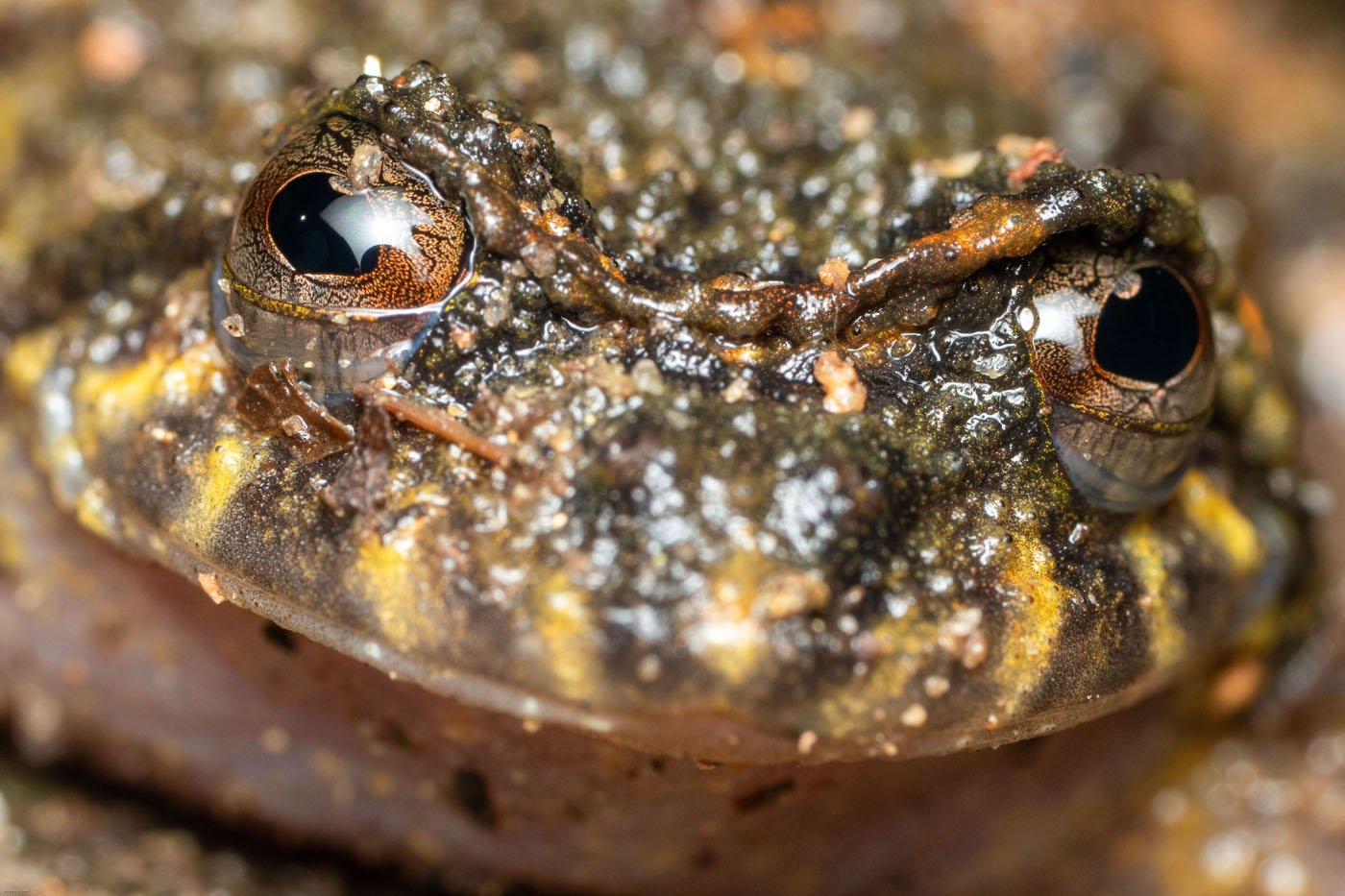
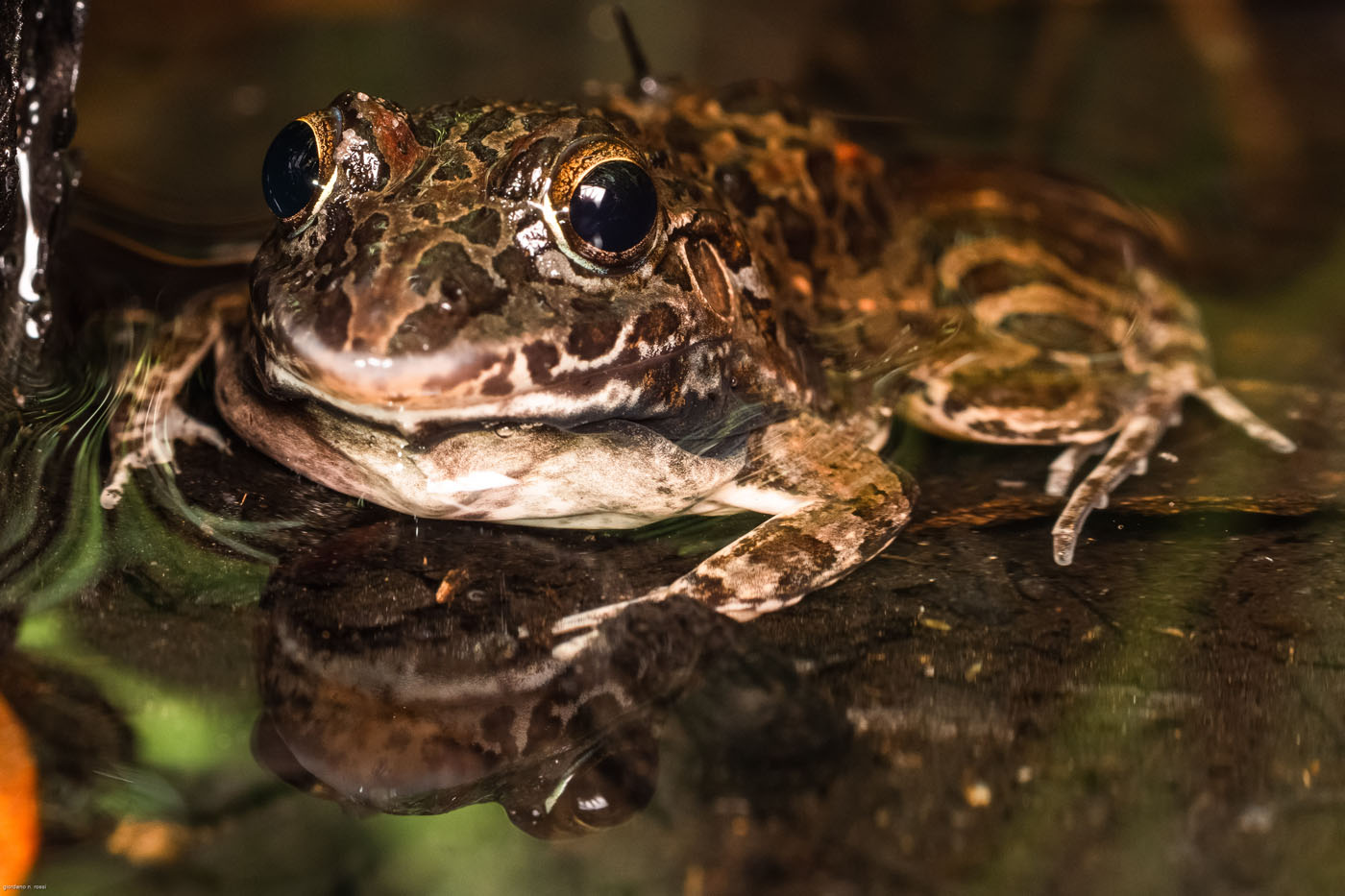
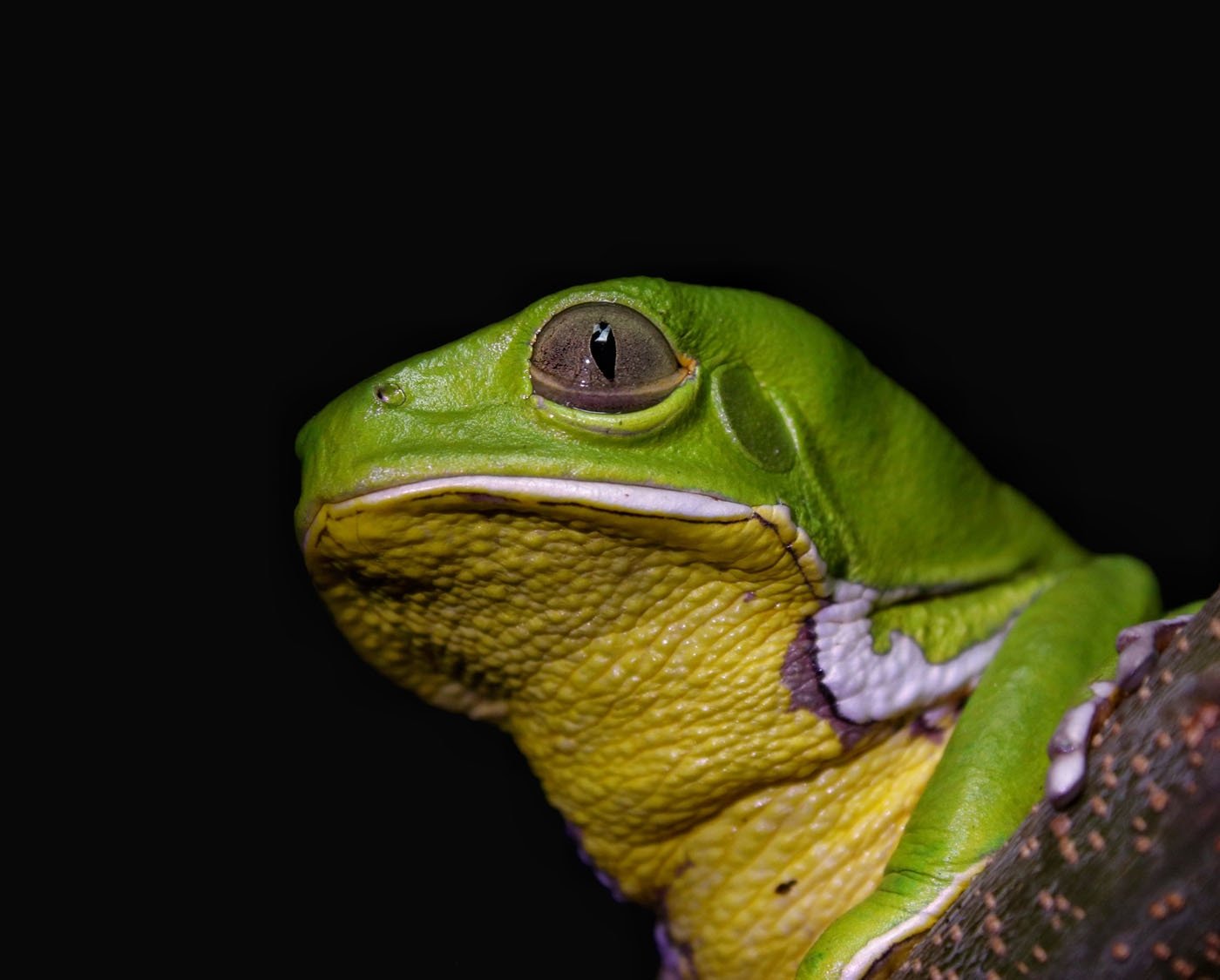
Congratulations to Artur Tomaszek, Elena Canessa, Emanuele Biggi, Giordano Rossi, Jack Small, José Rubens Carvalho Costa, Keaton Wood, Kurt van Wyk, Matheus Marcos Azevedo Carvalho da Silva, Ramon Cavalcanti, Shivaram Rasu and Tasneem Ahsanullah! Click any image to view it larger; hover over it to see the photographer’s name (in the bottom left of Chrome browser).




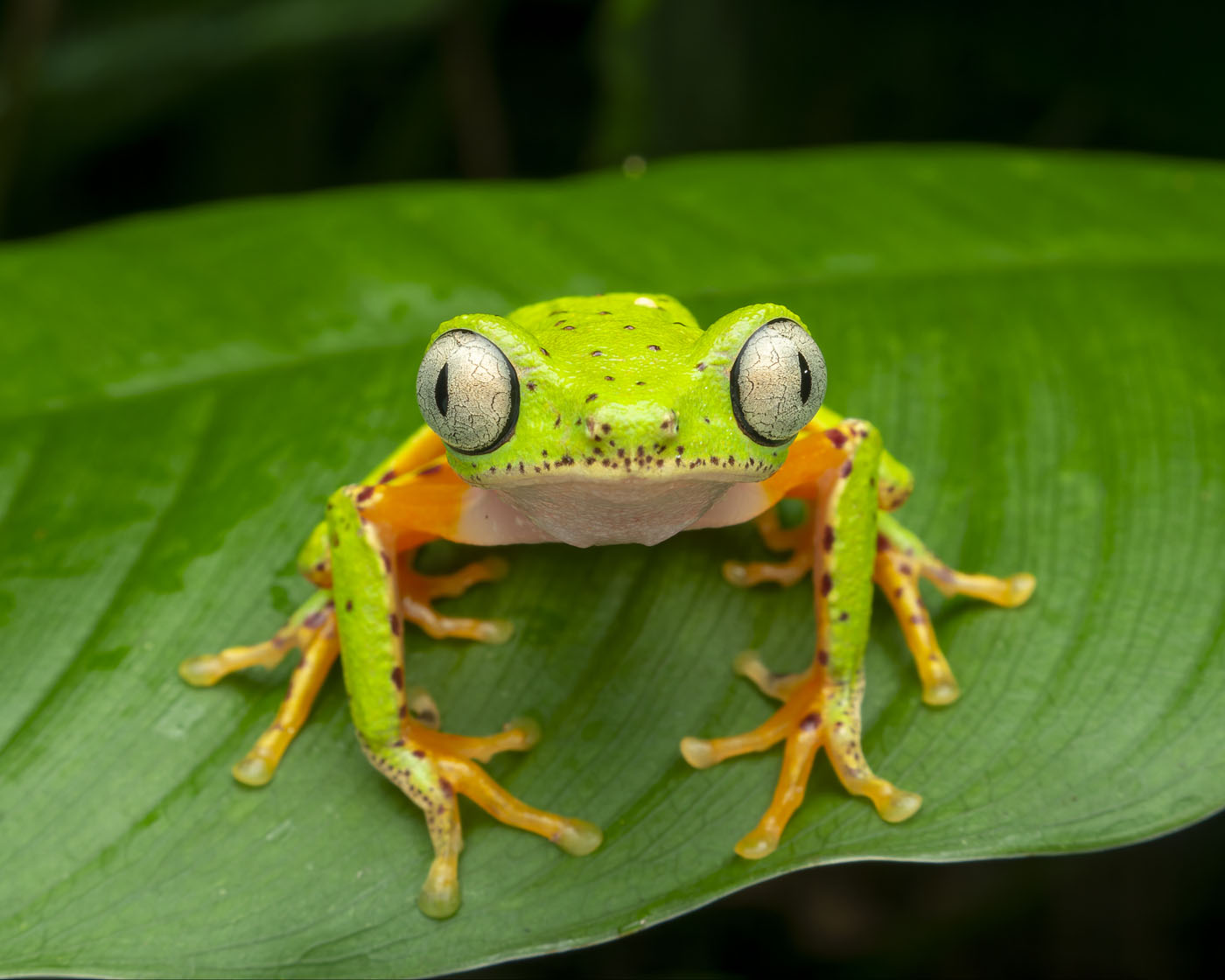
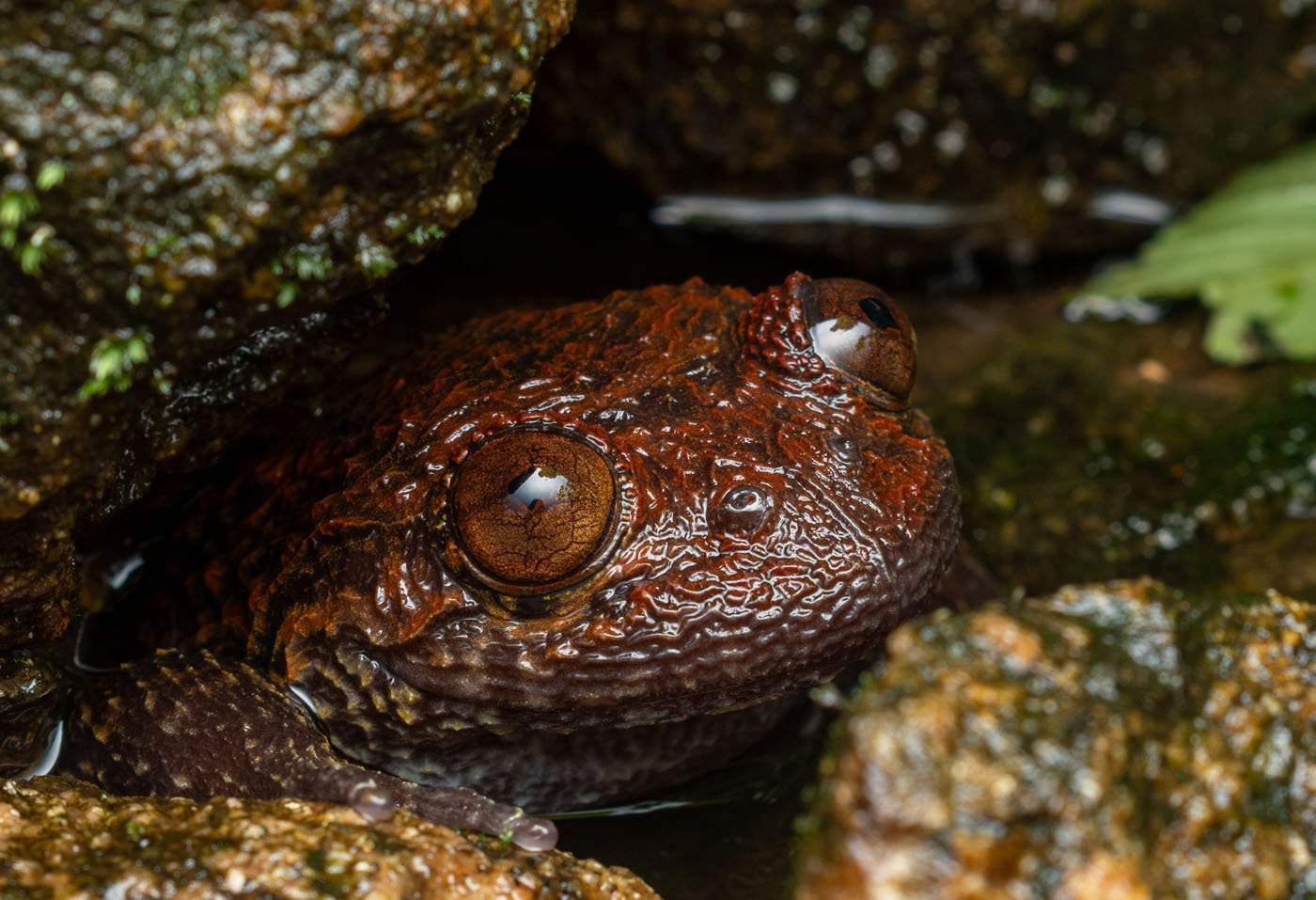
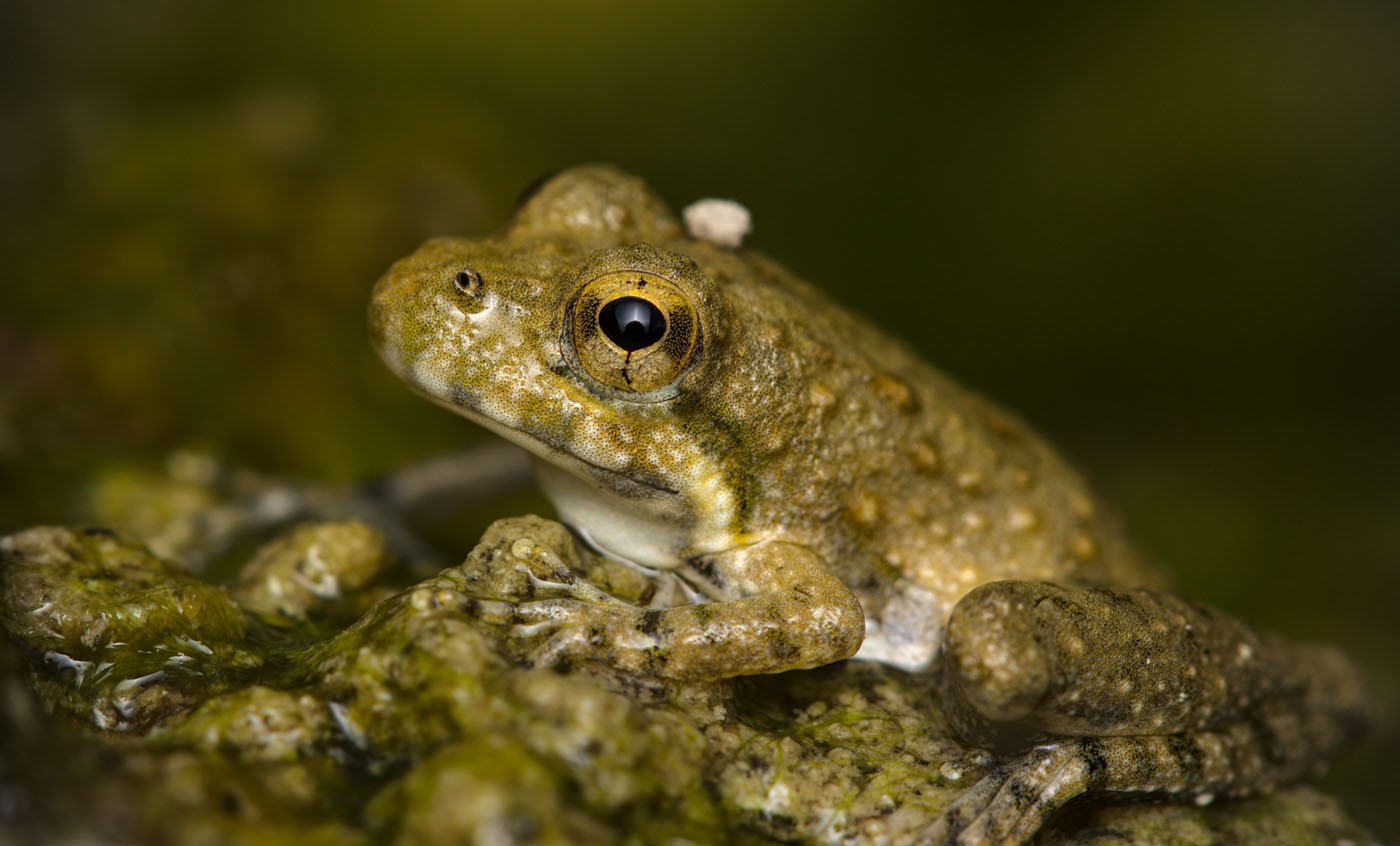
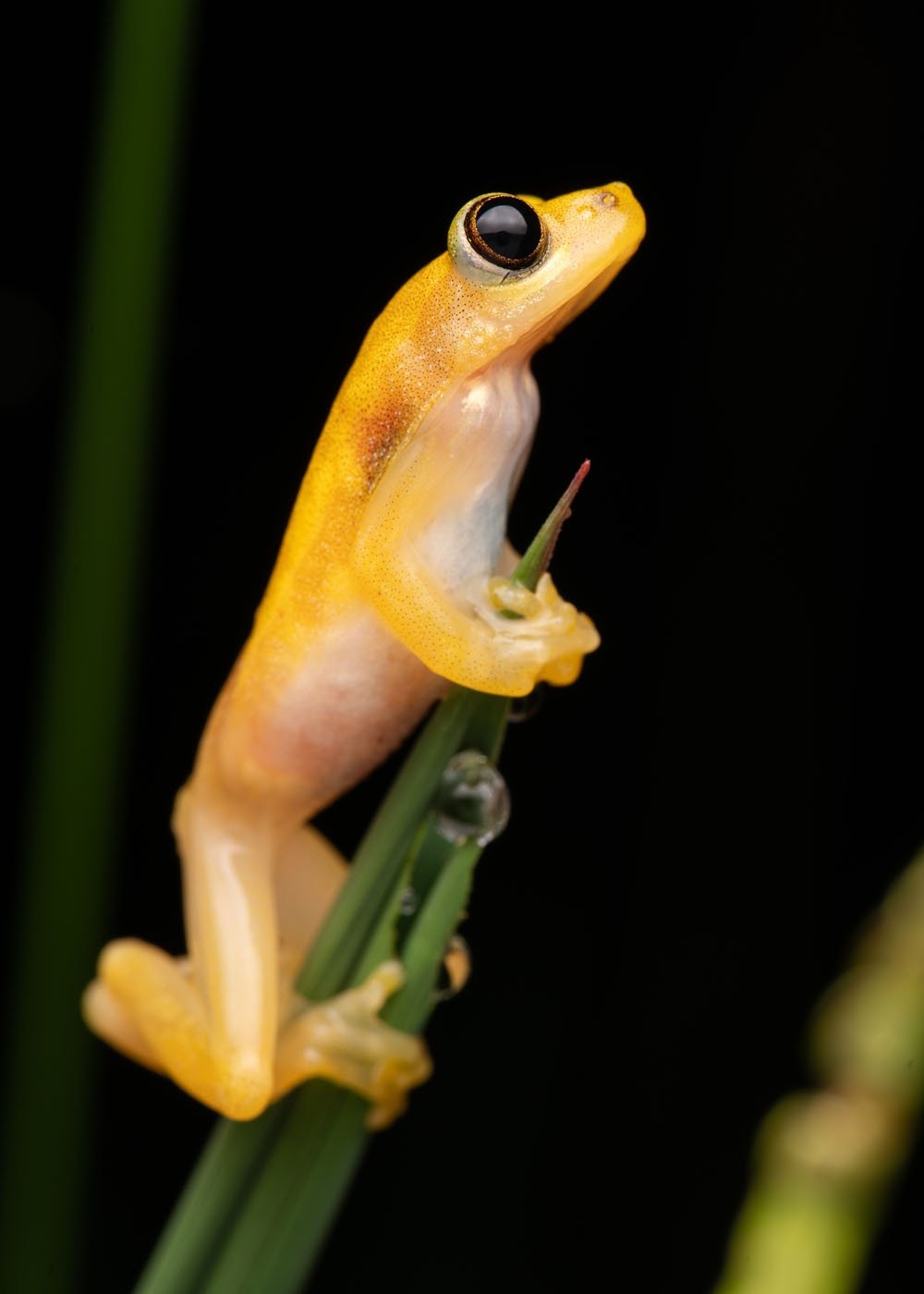
Semi-Finalists
Congratulations to Adrian Nielsen, Chase T, Cristian F. Castro Morales, Frederic Griesbaum, Graziela Melo, Kuan Ying Tang, Matías Faundez, Matthias Lemm, Moira Wiedebusch, Rachael Pahl, Rene Carpio-Real, Roberta Falco, Uzzal Das and Xiang Li! Click any image to view it larger; hover over it to see the photographer’s name (in the bottom left of Chrome browser).
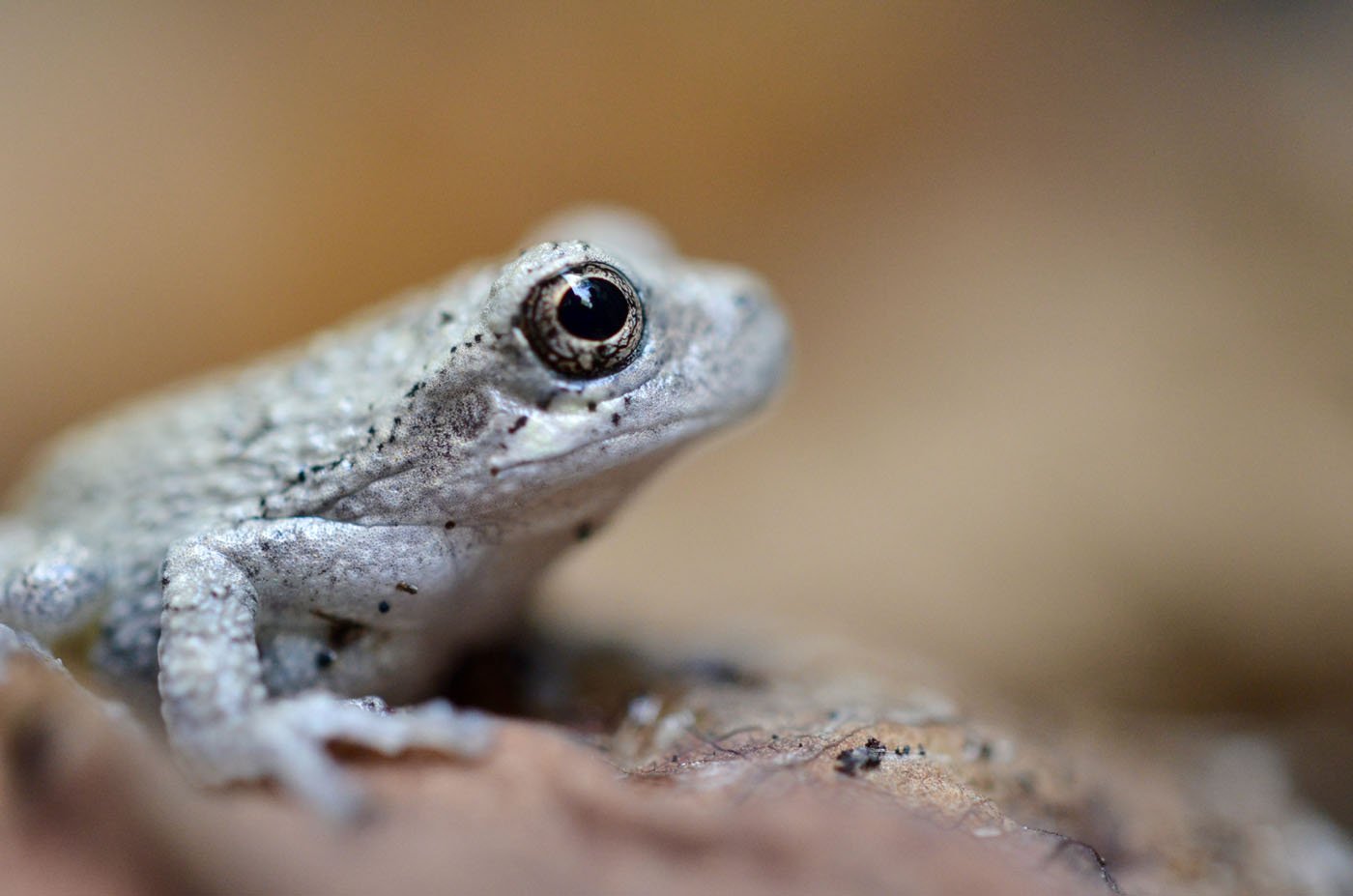
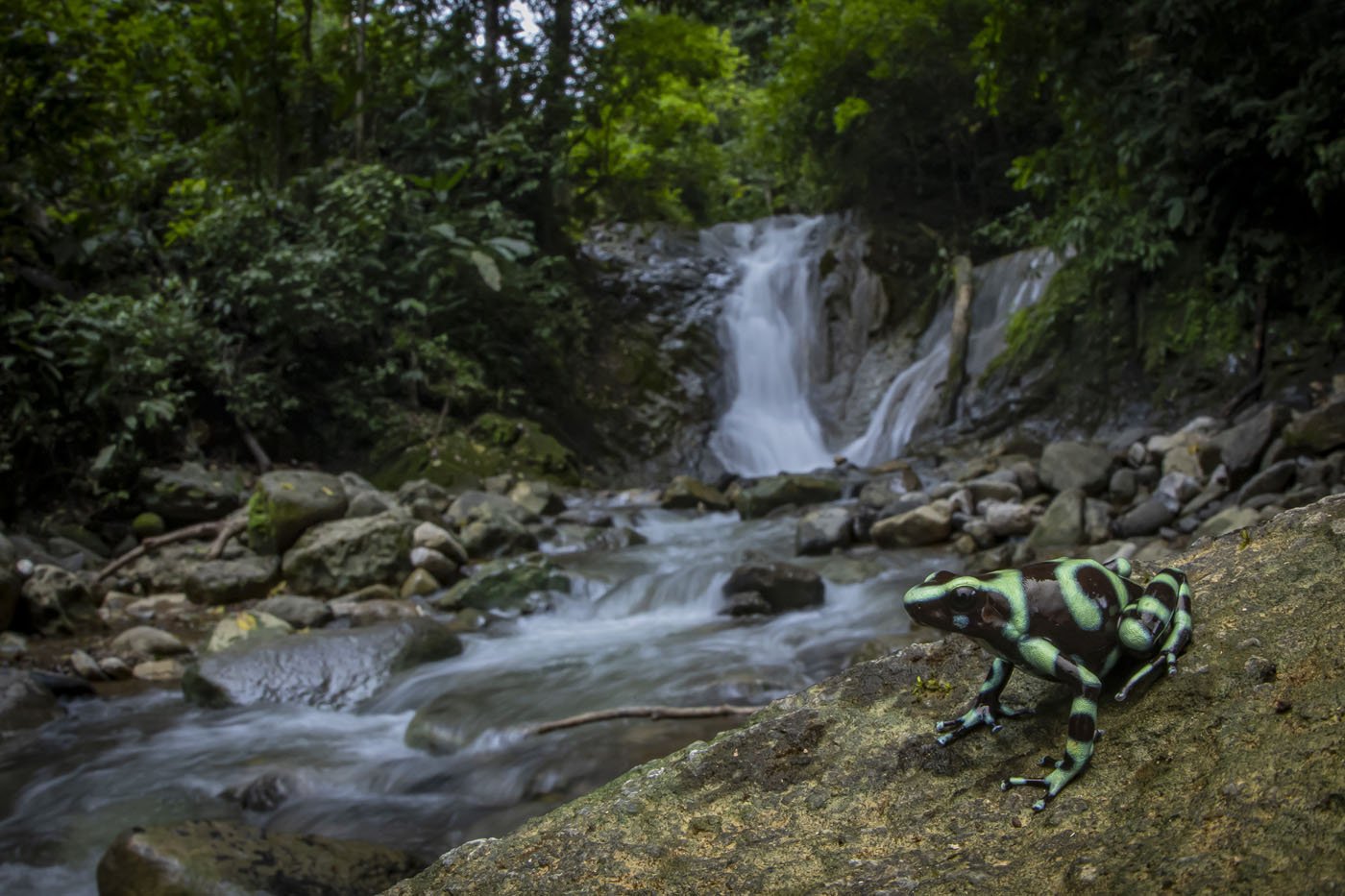
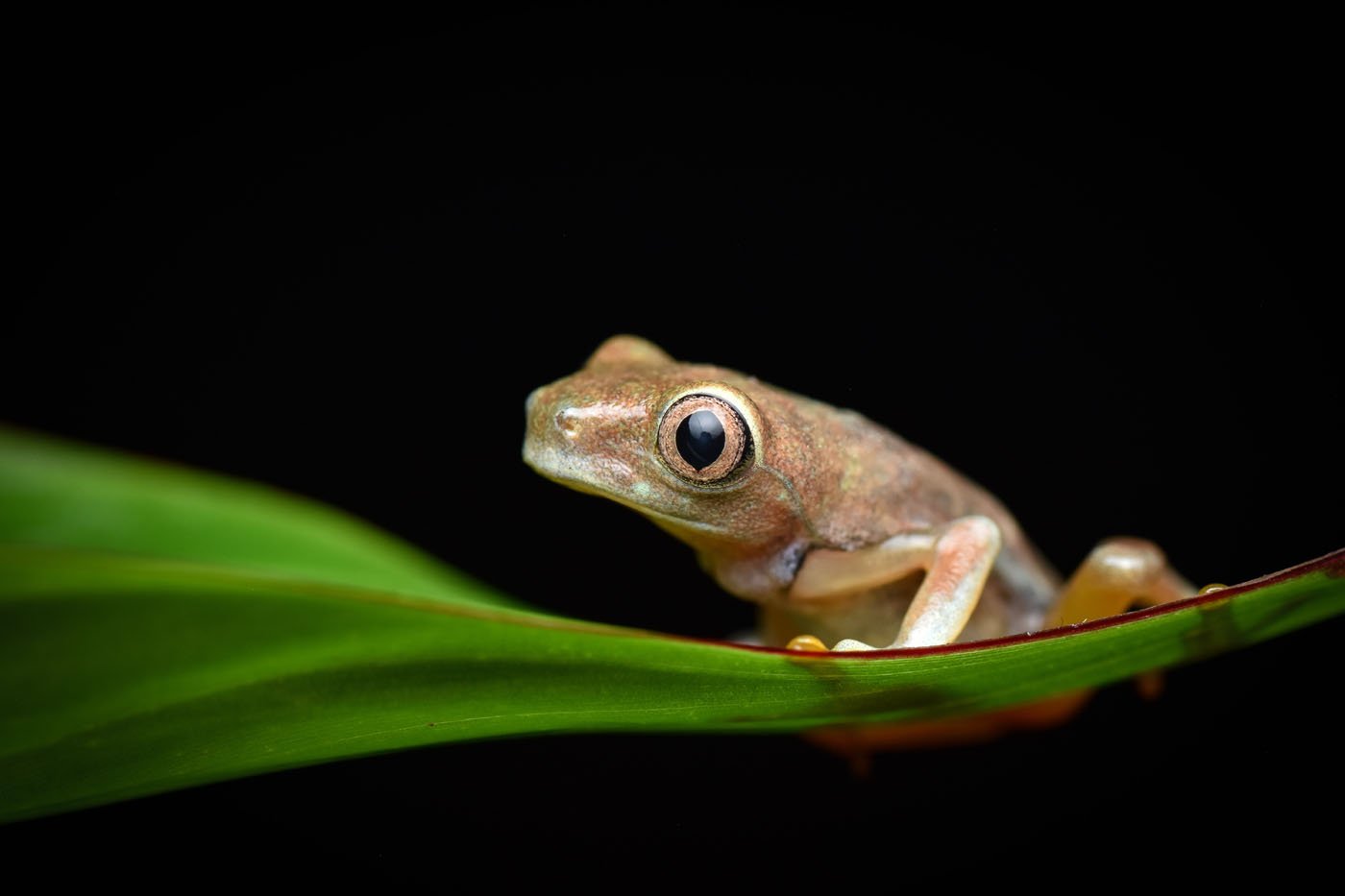
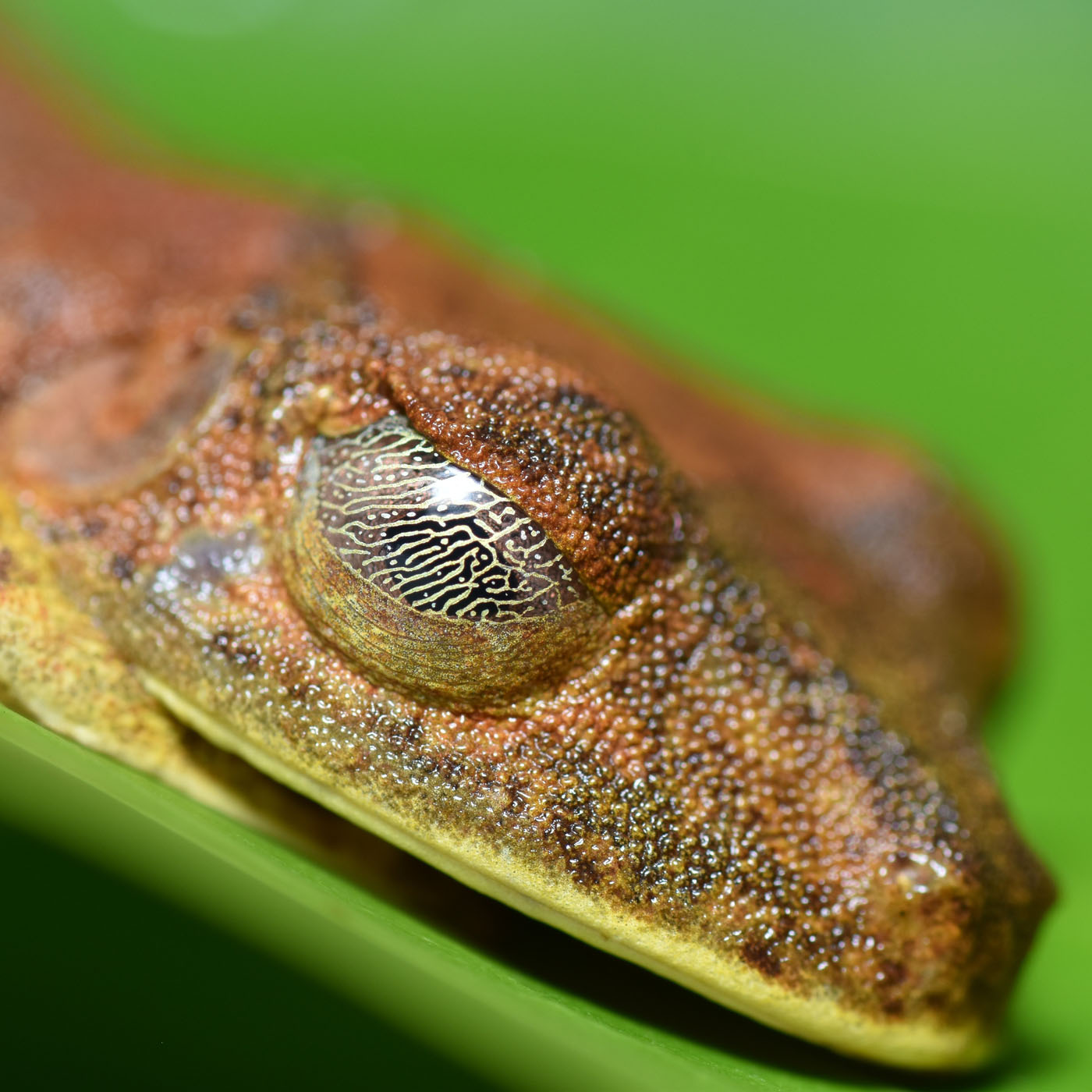
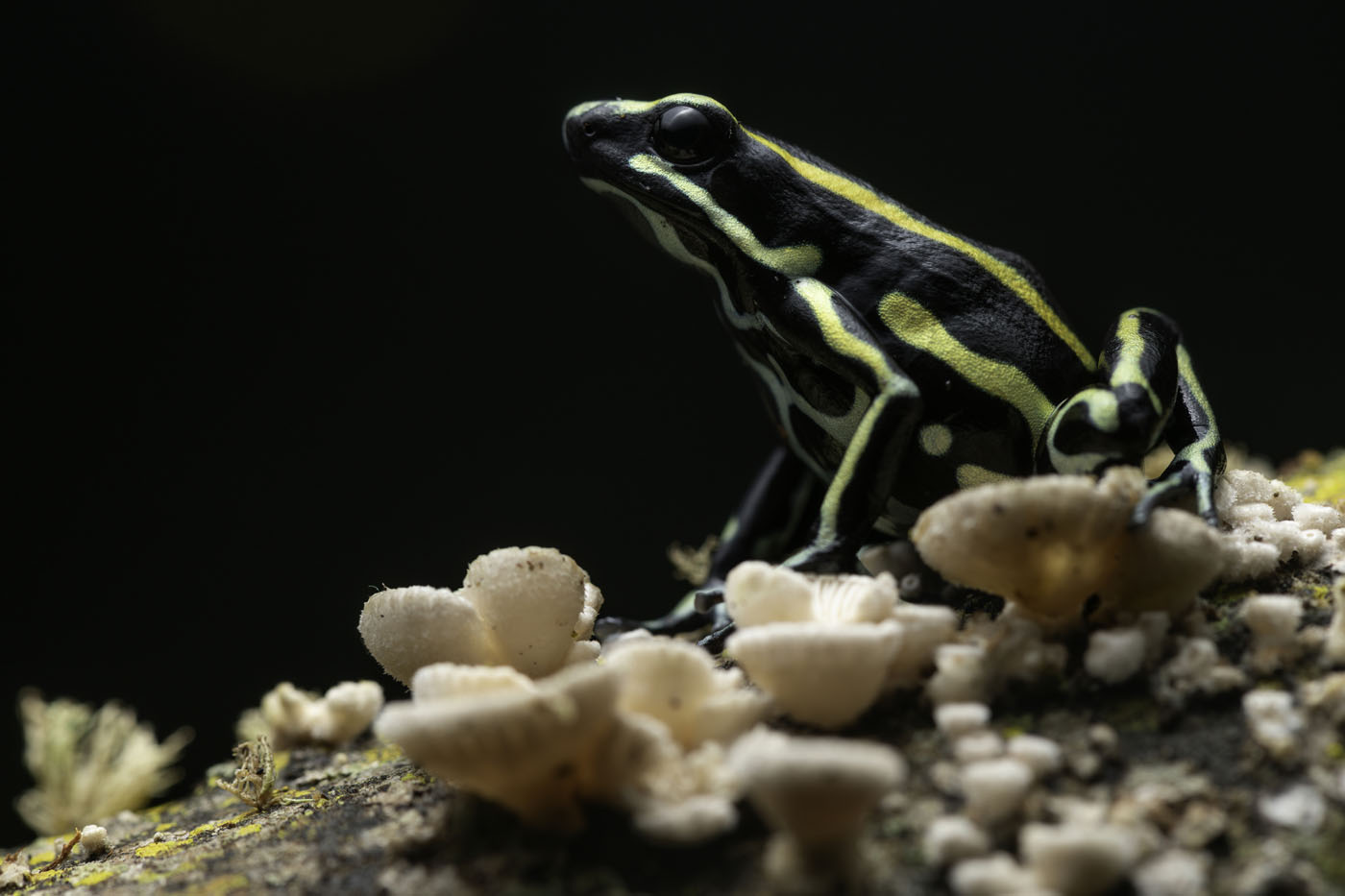

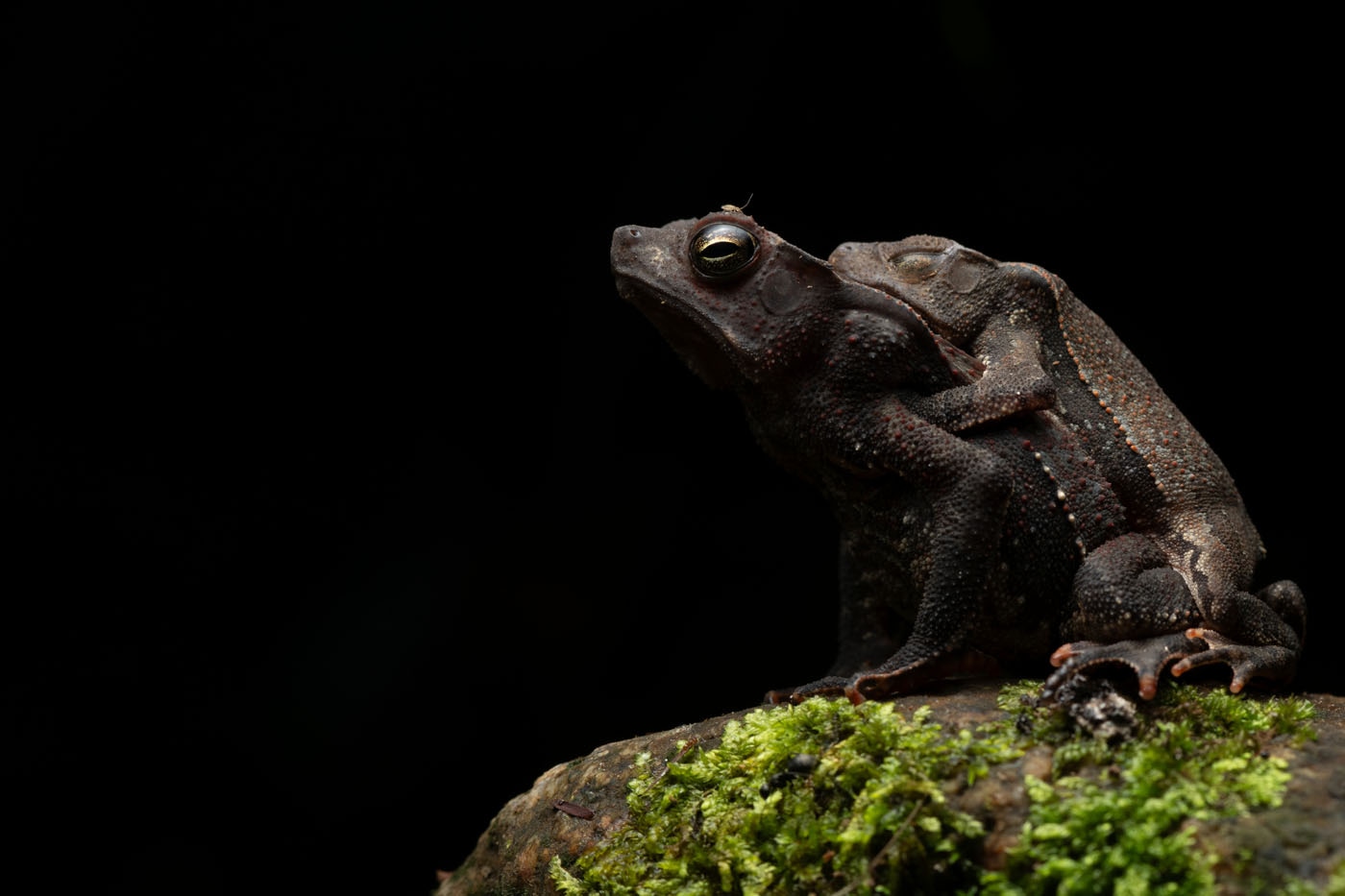
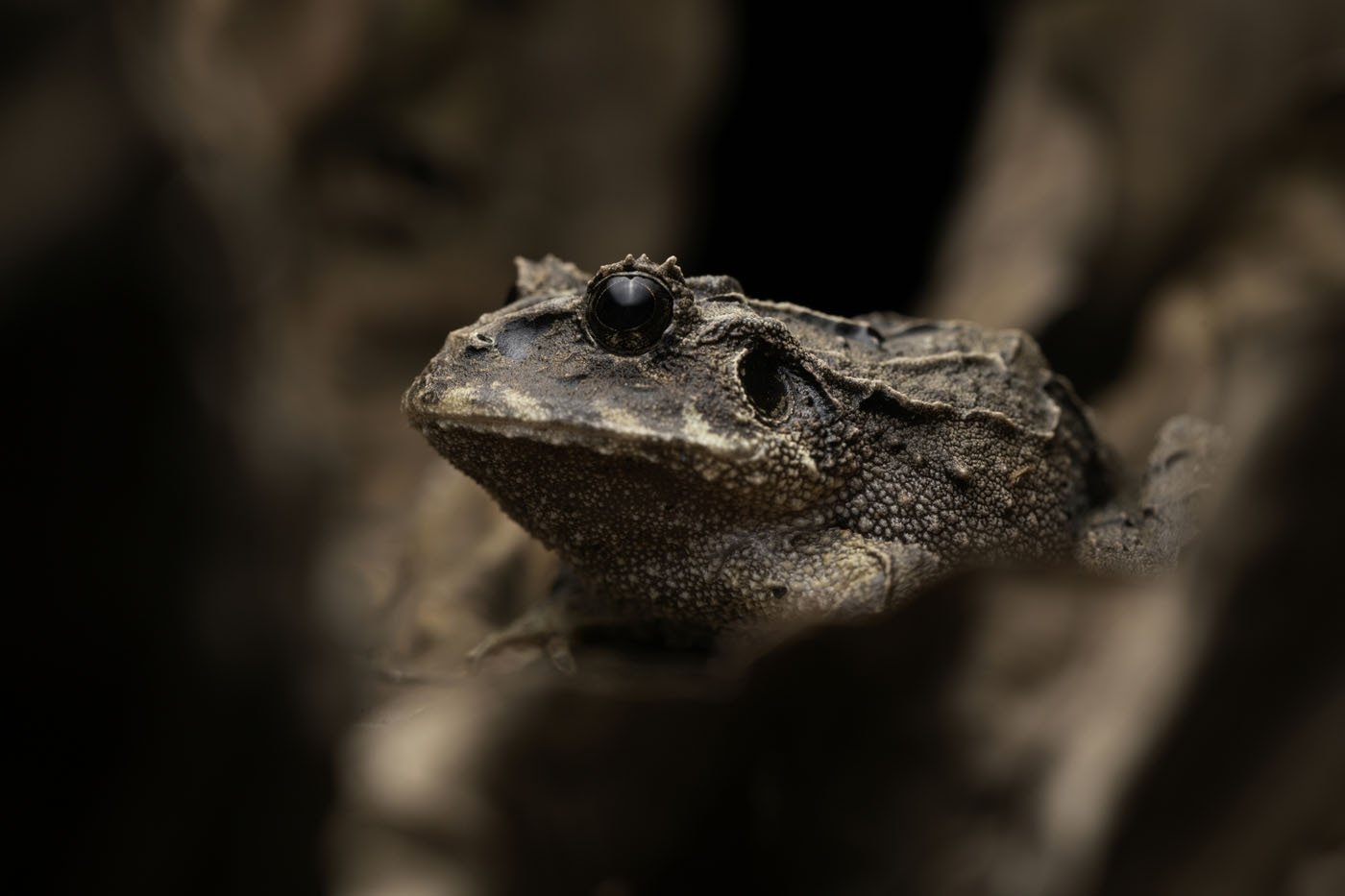
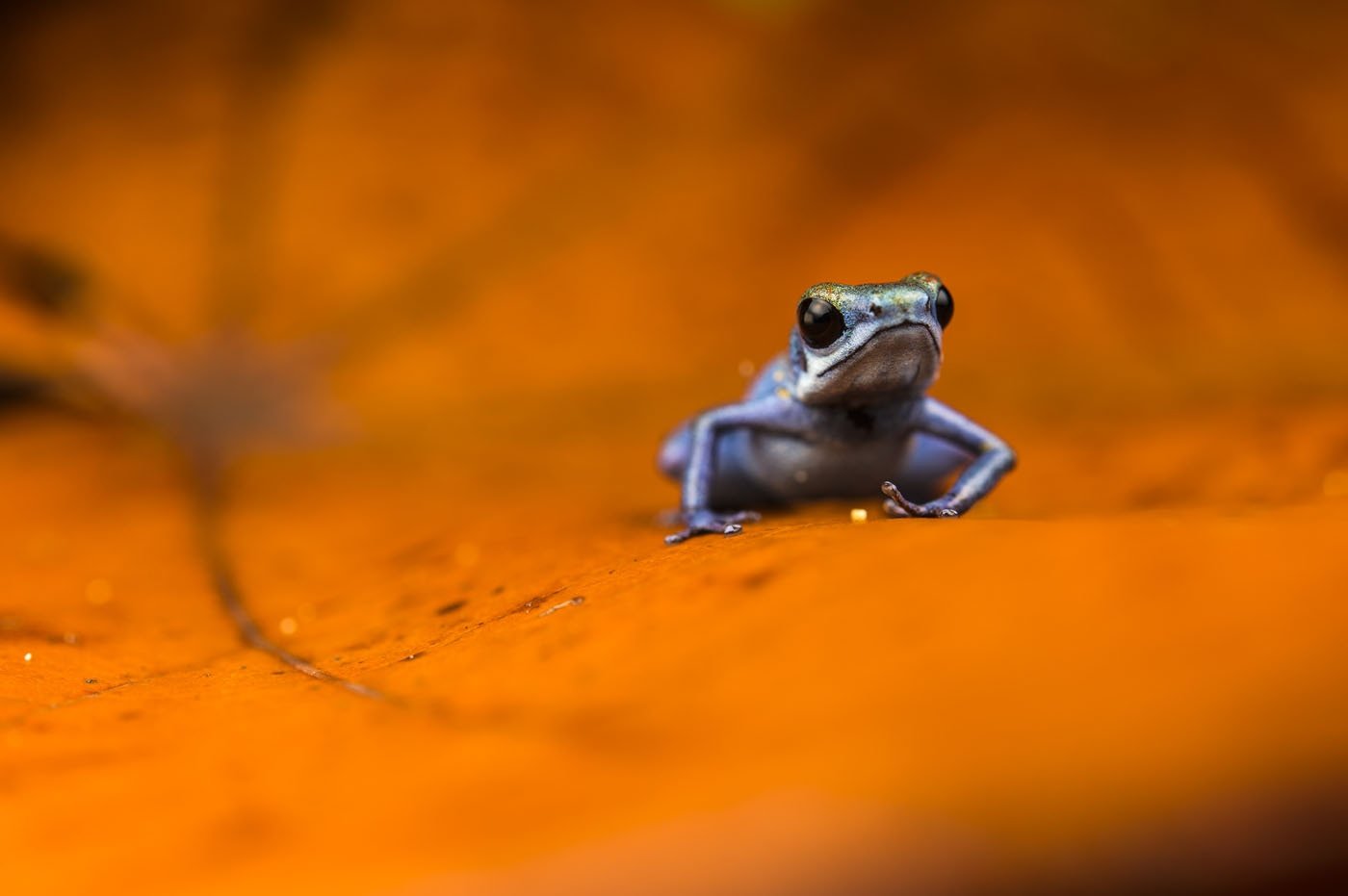

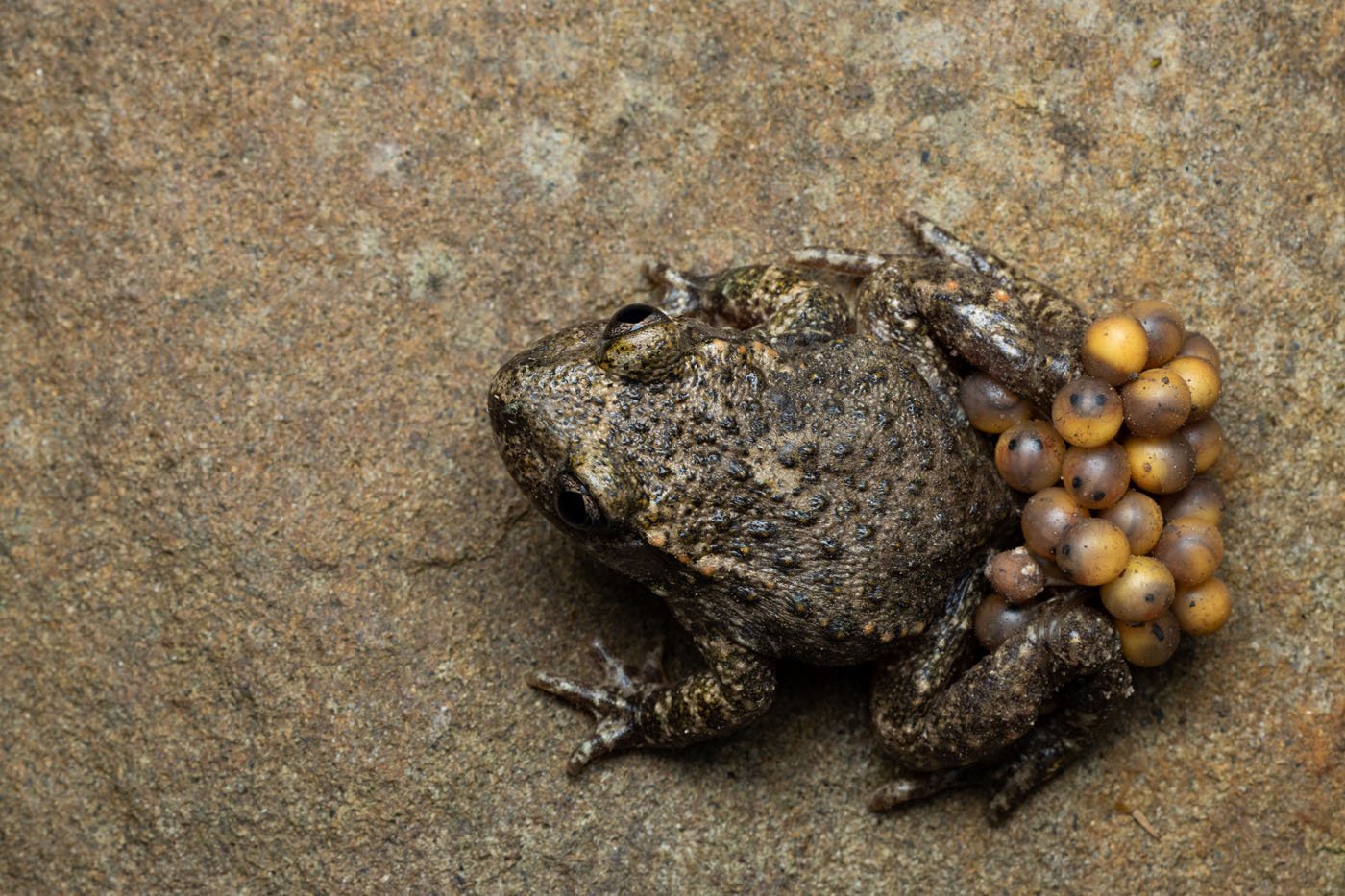
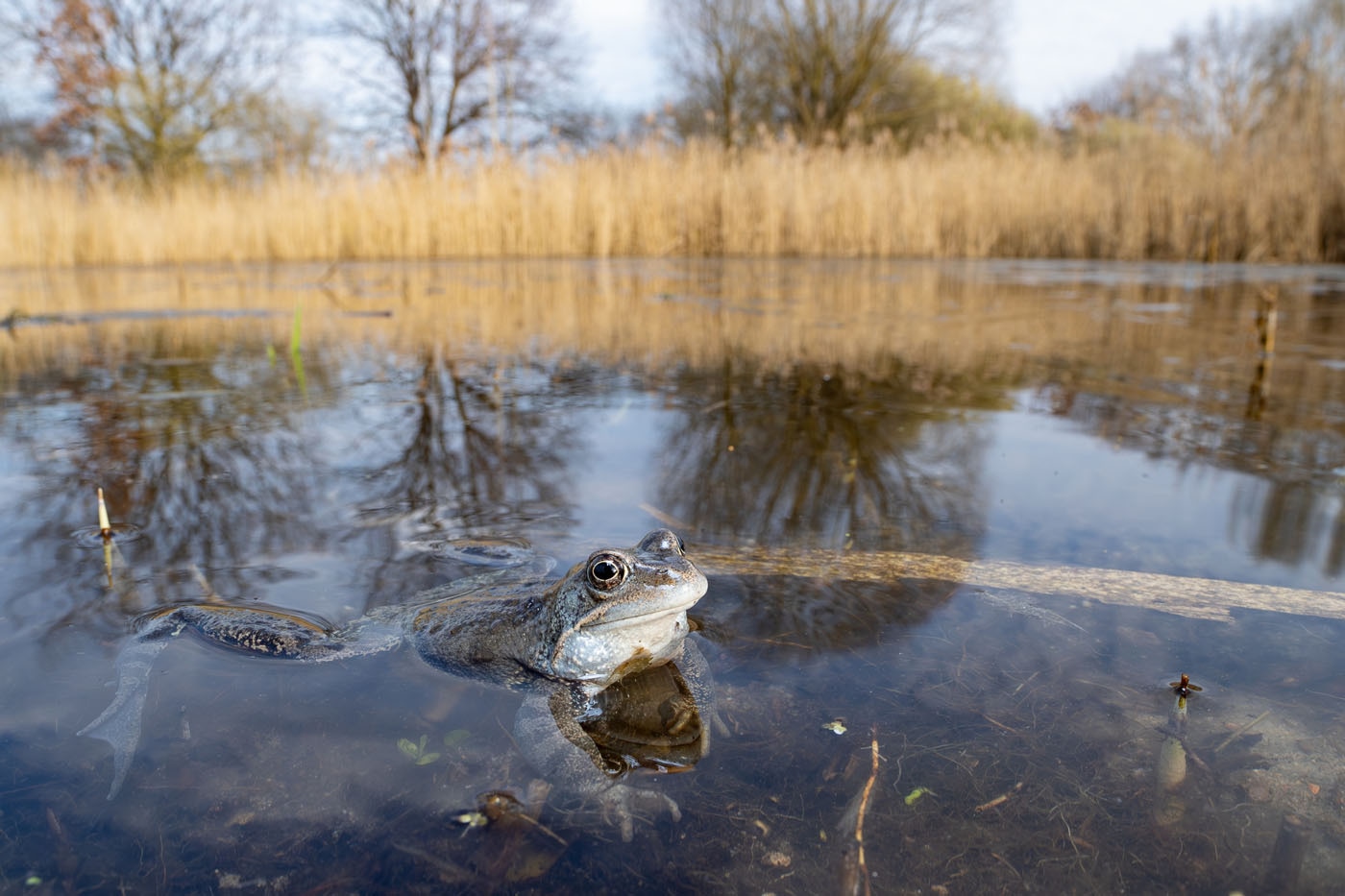
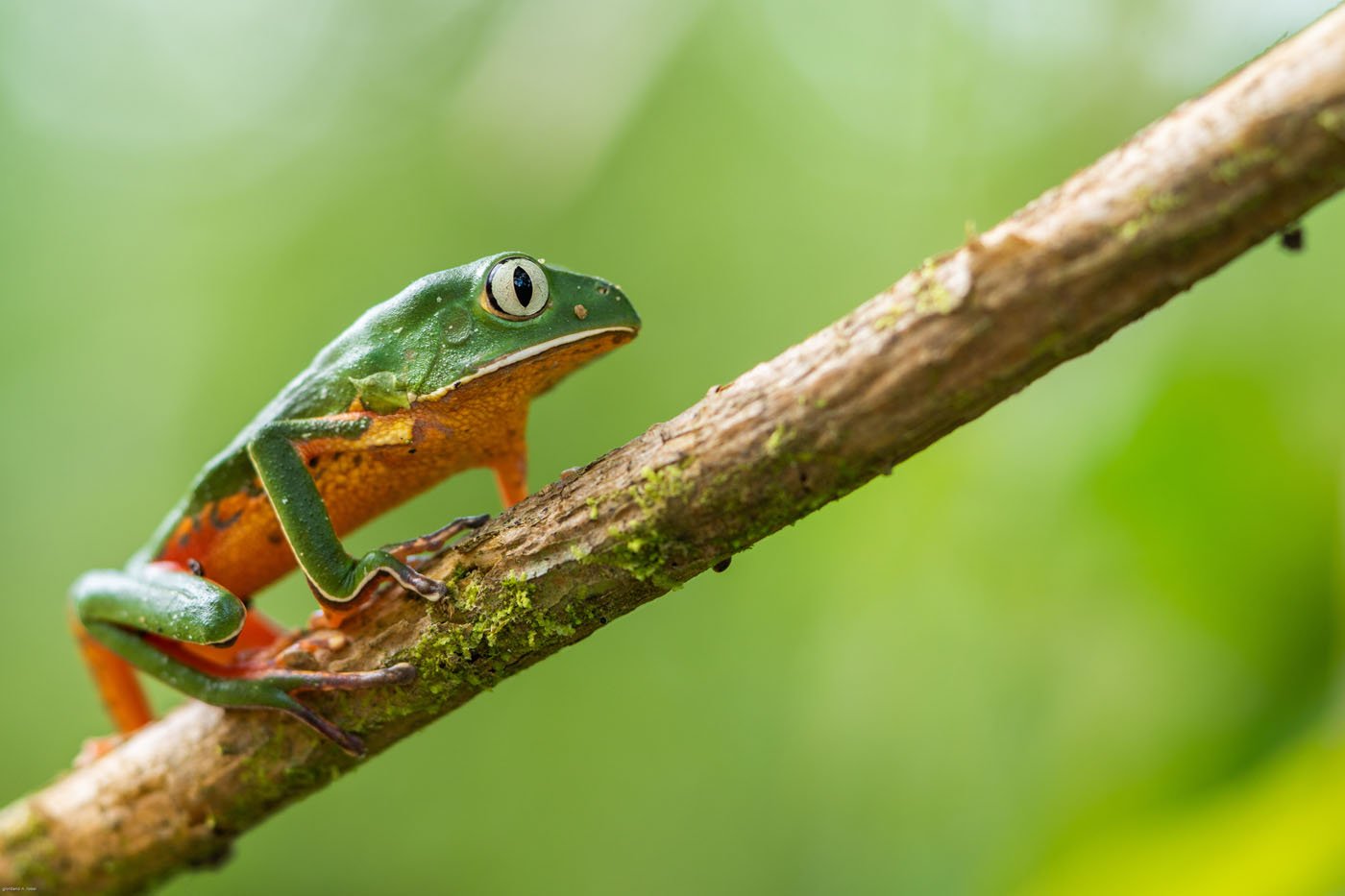
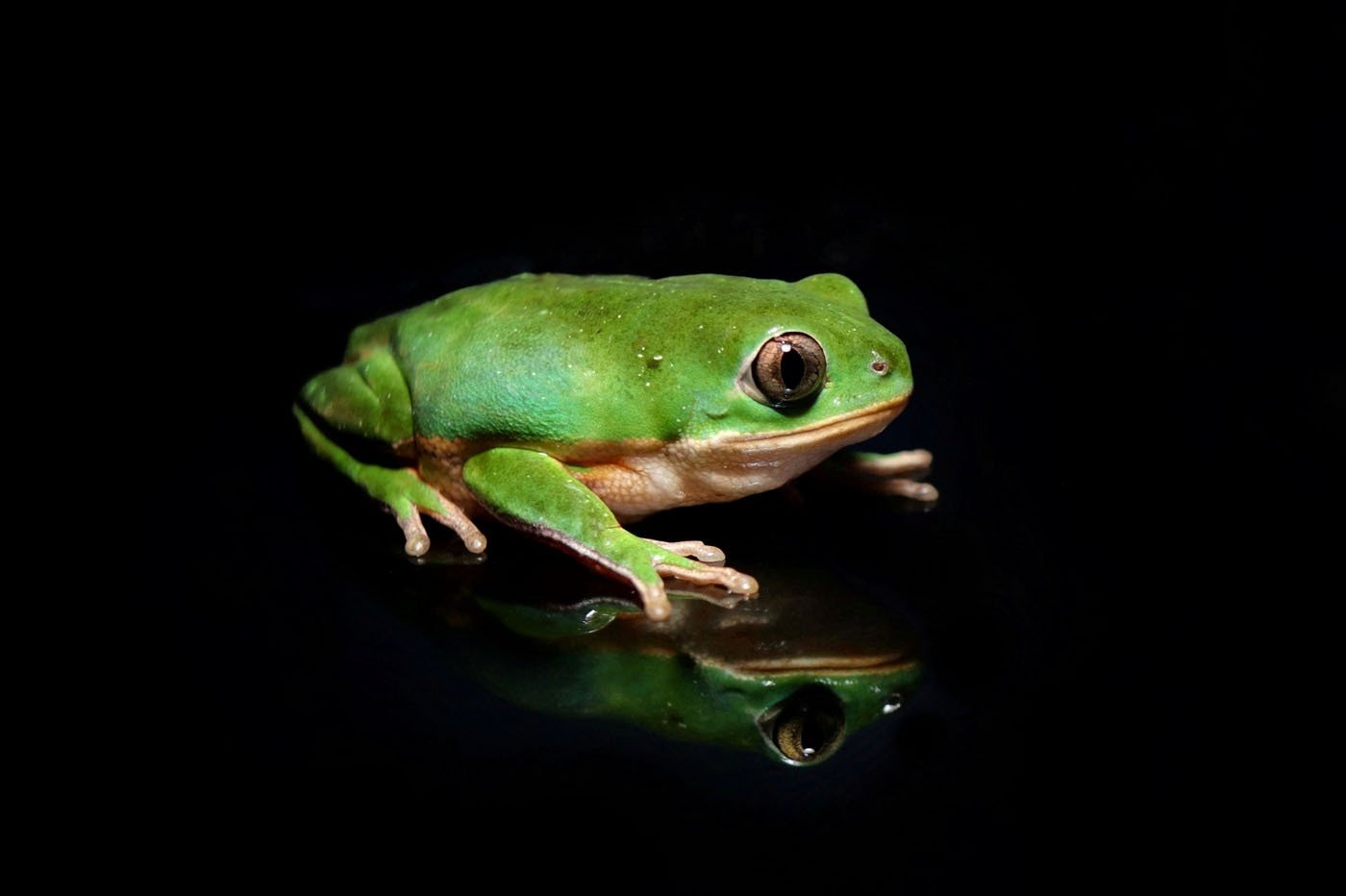
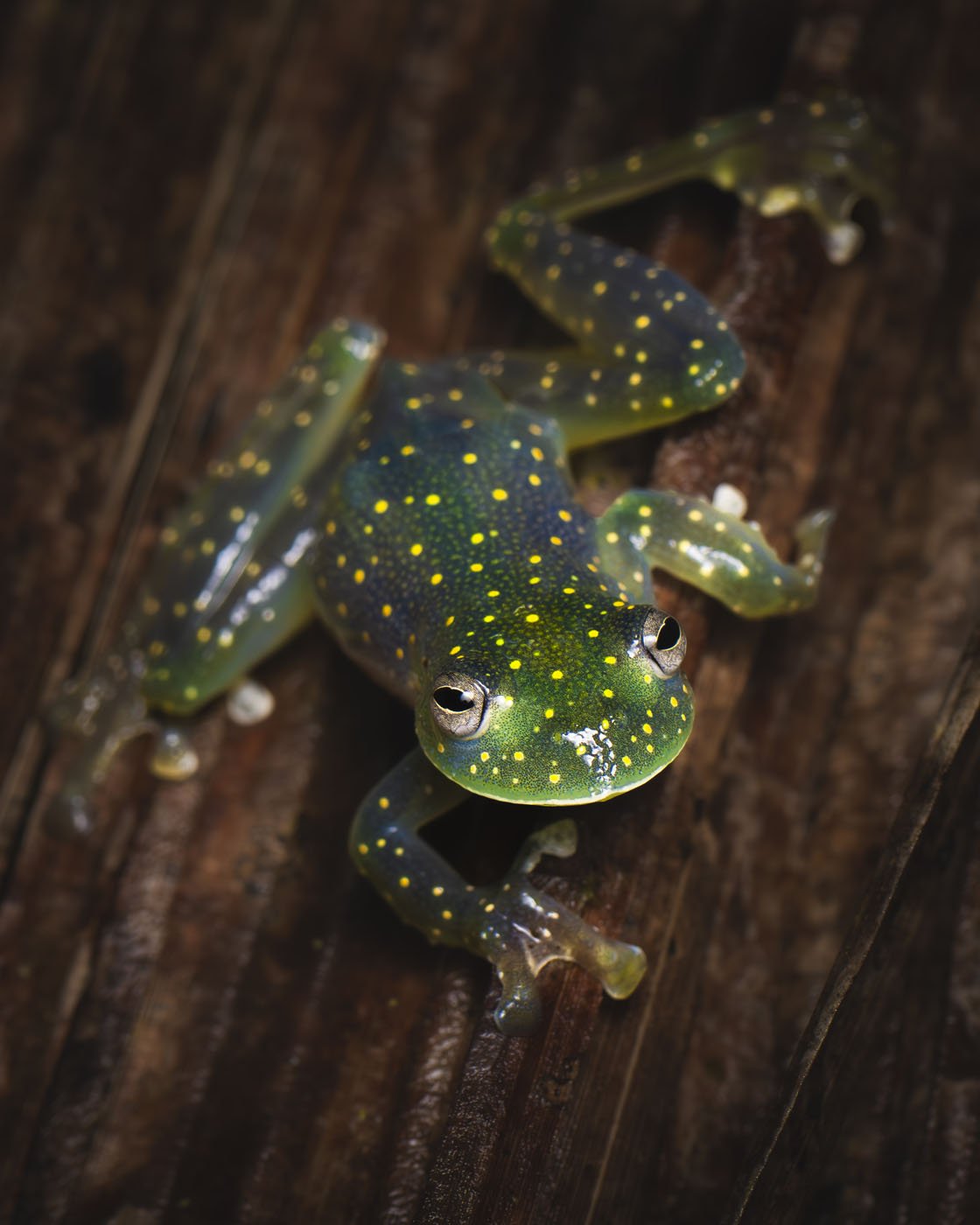
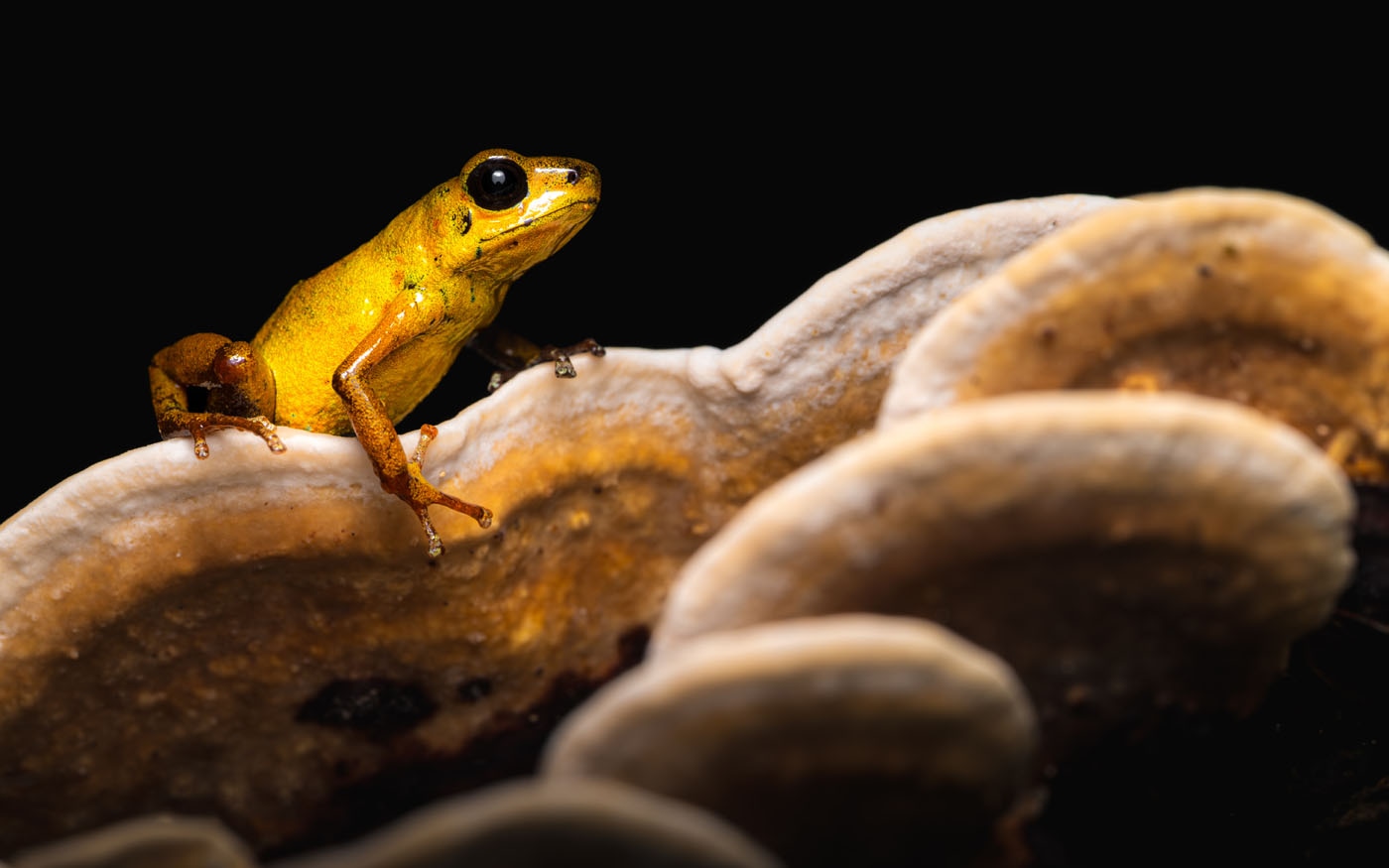
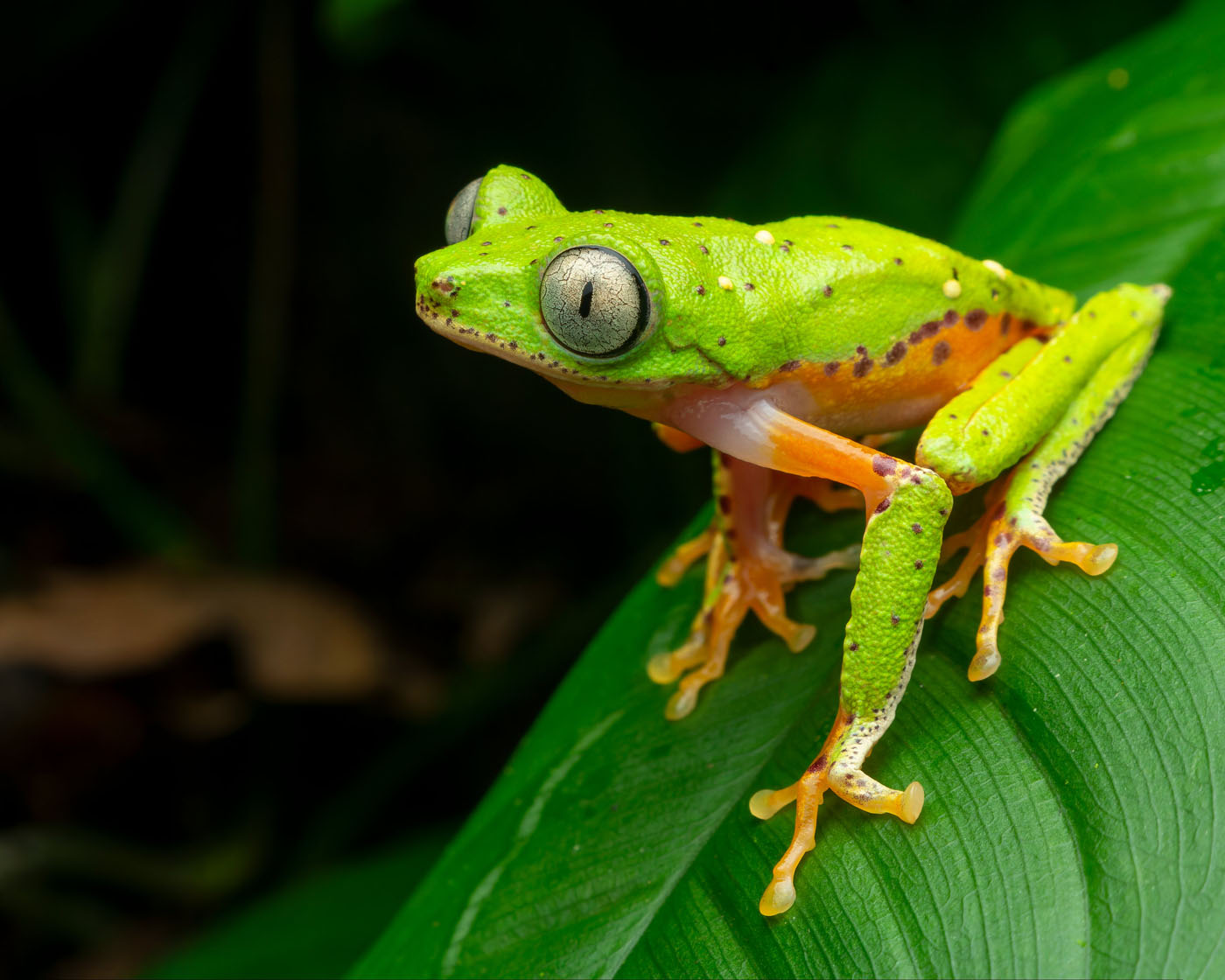
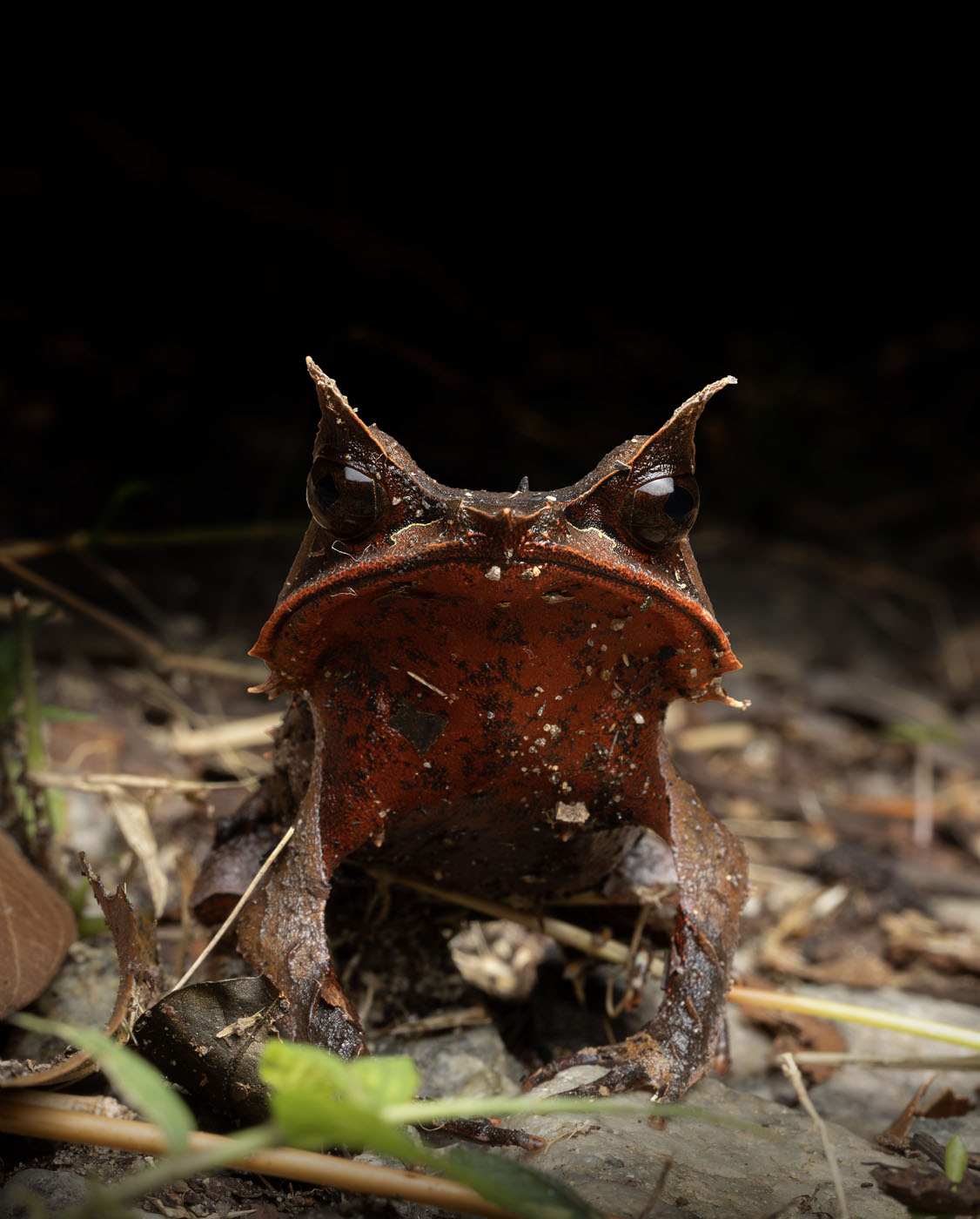
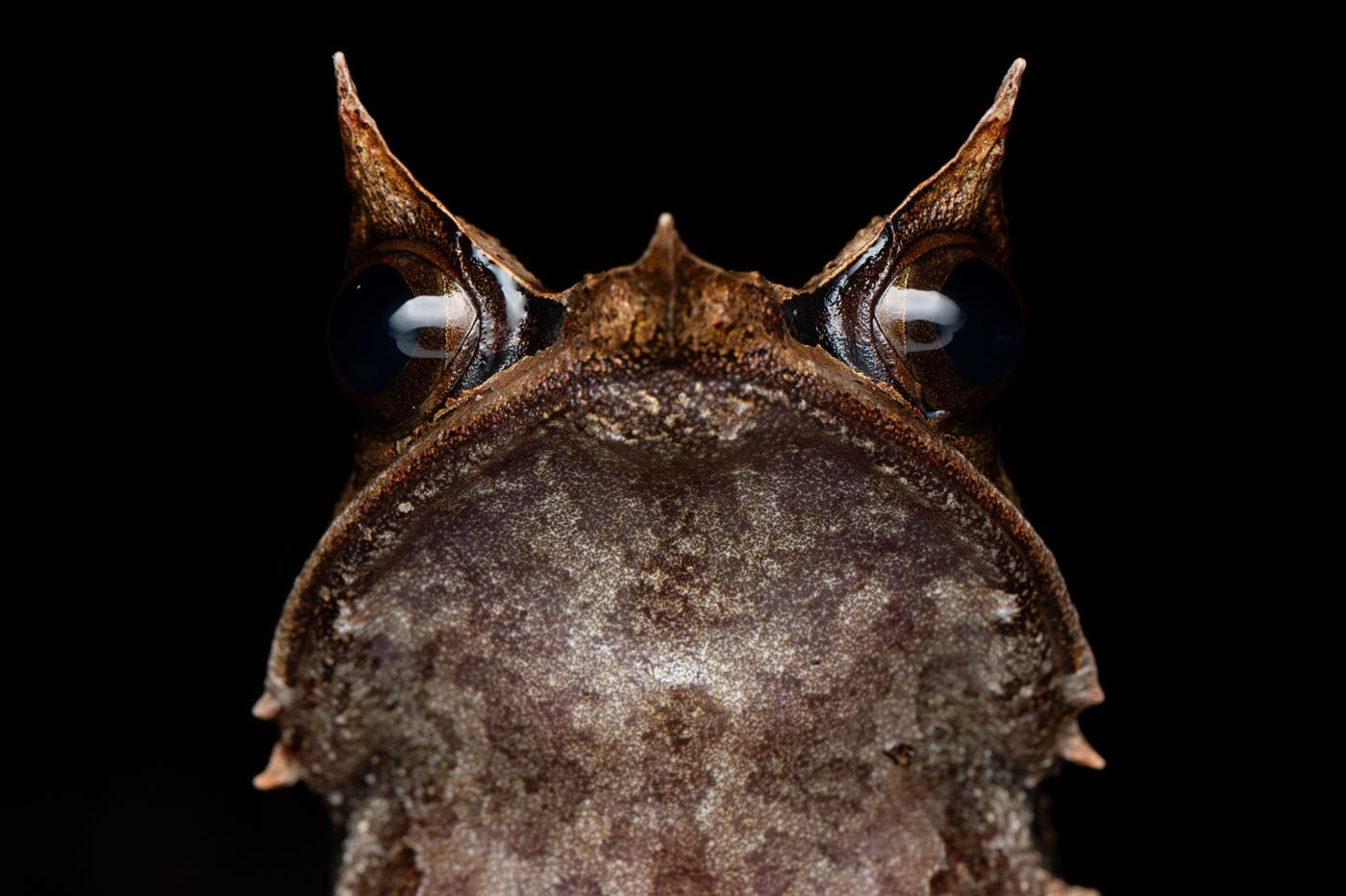
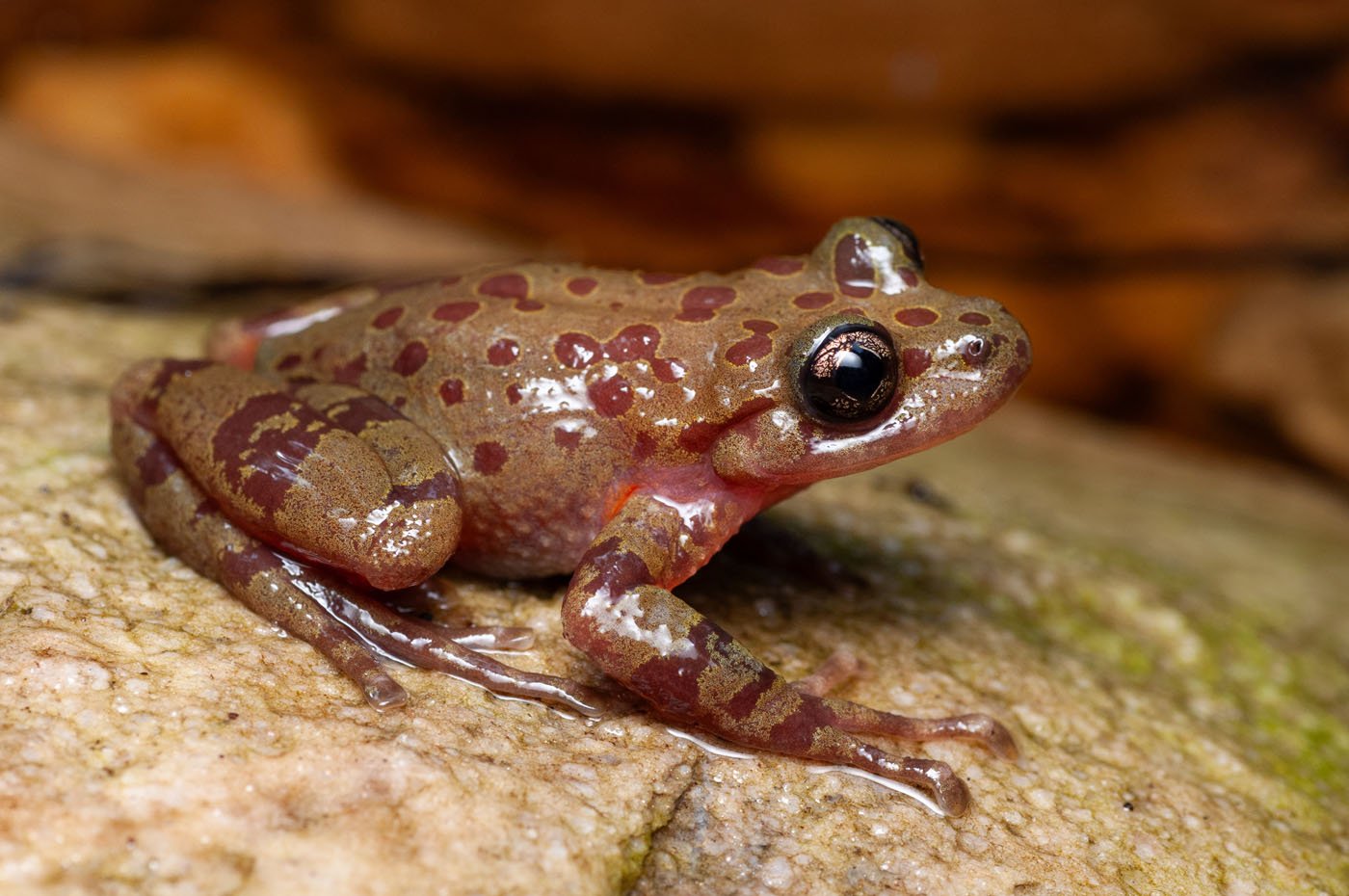
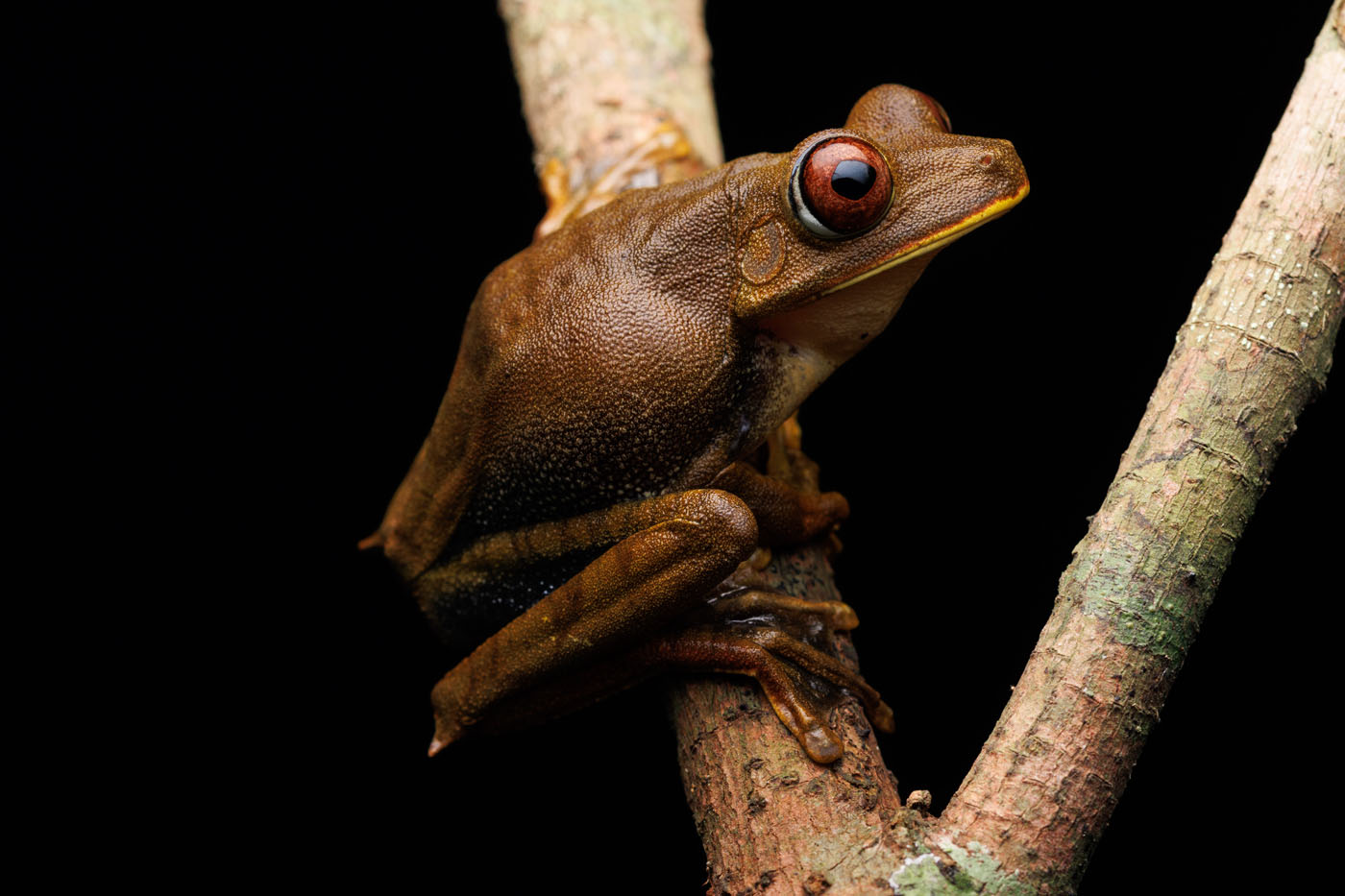
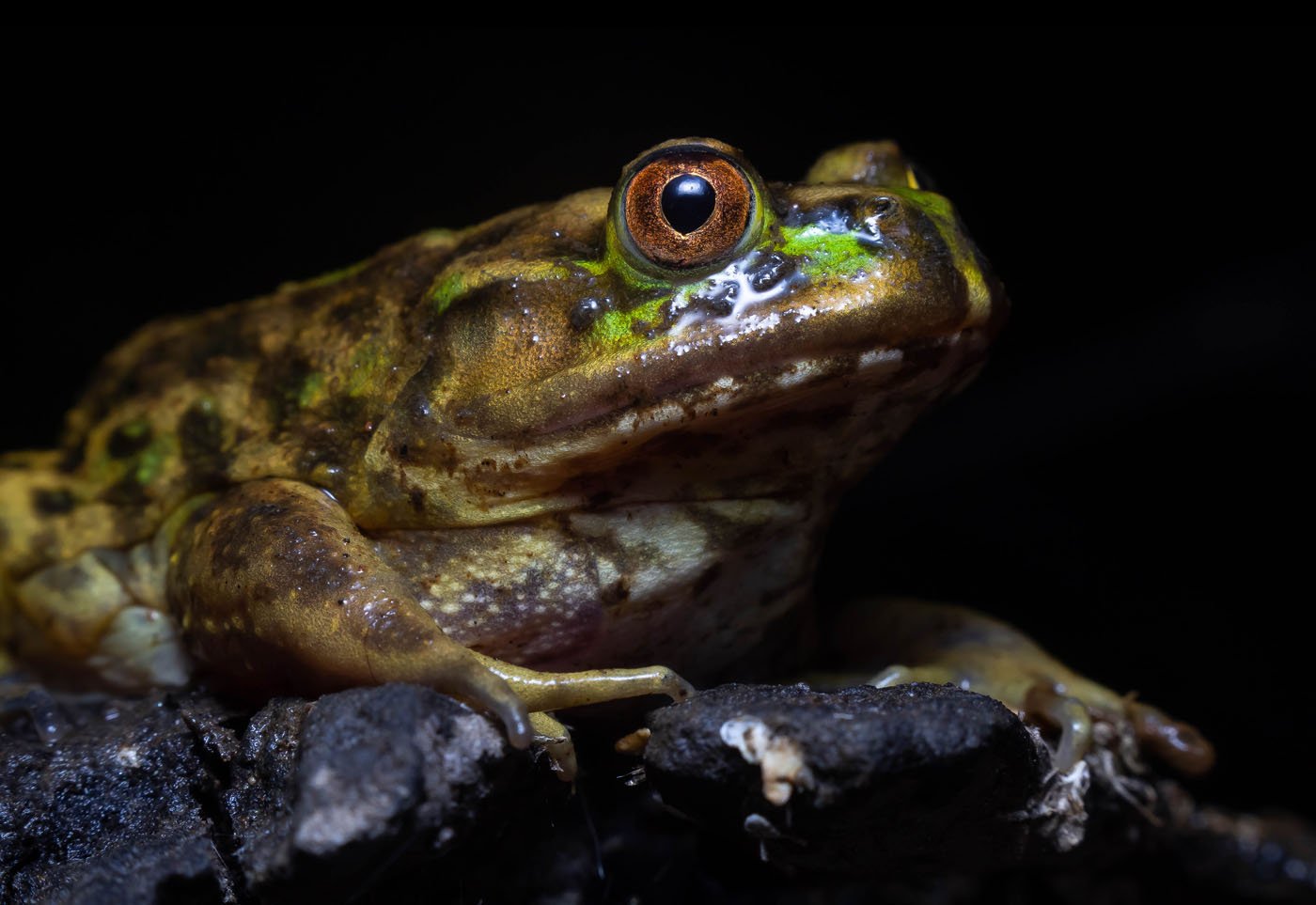
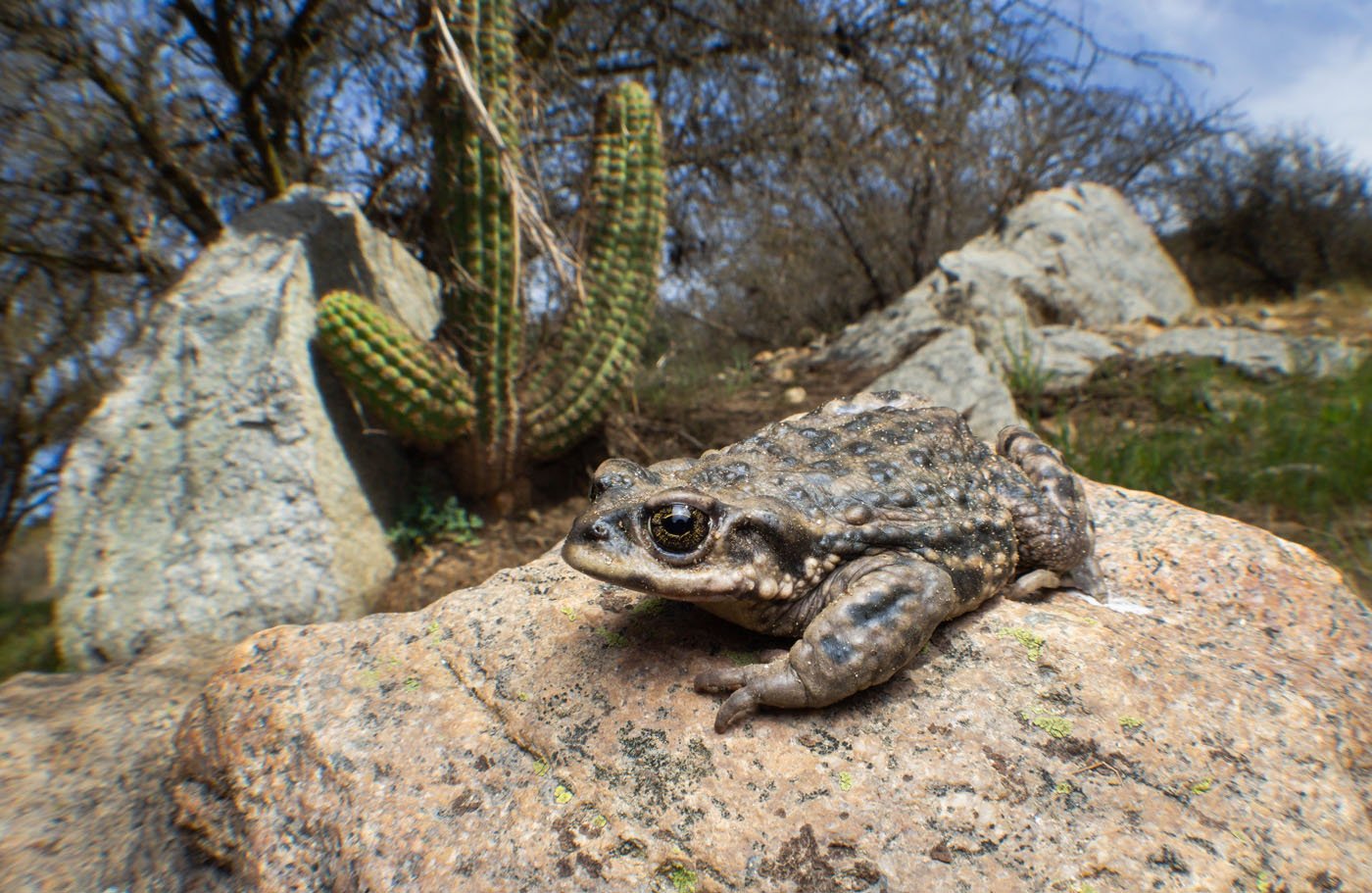
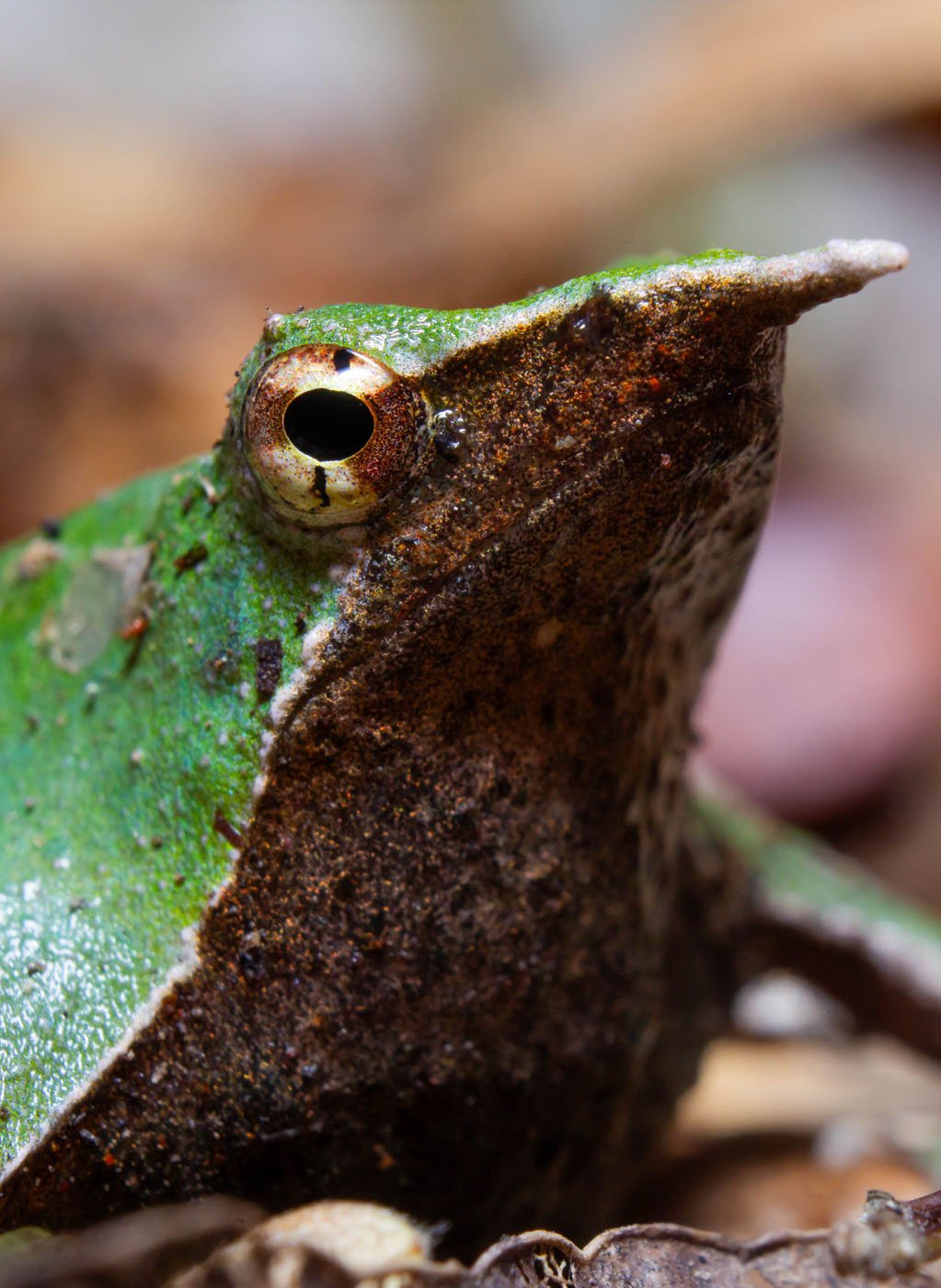
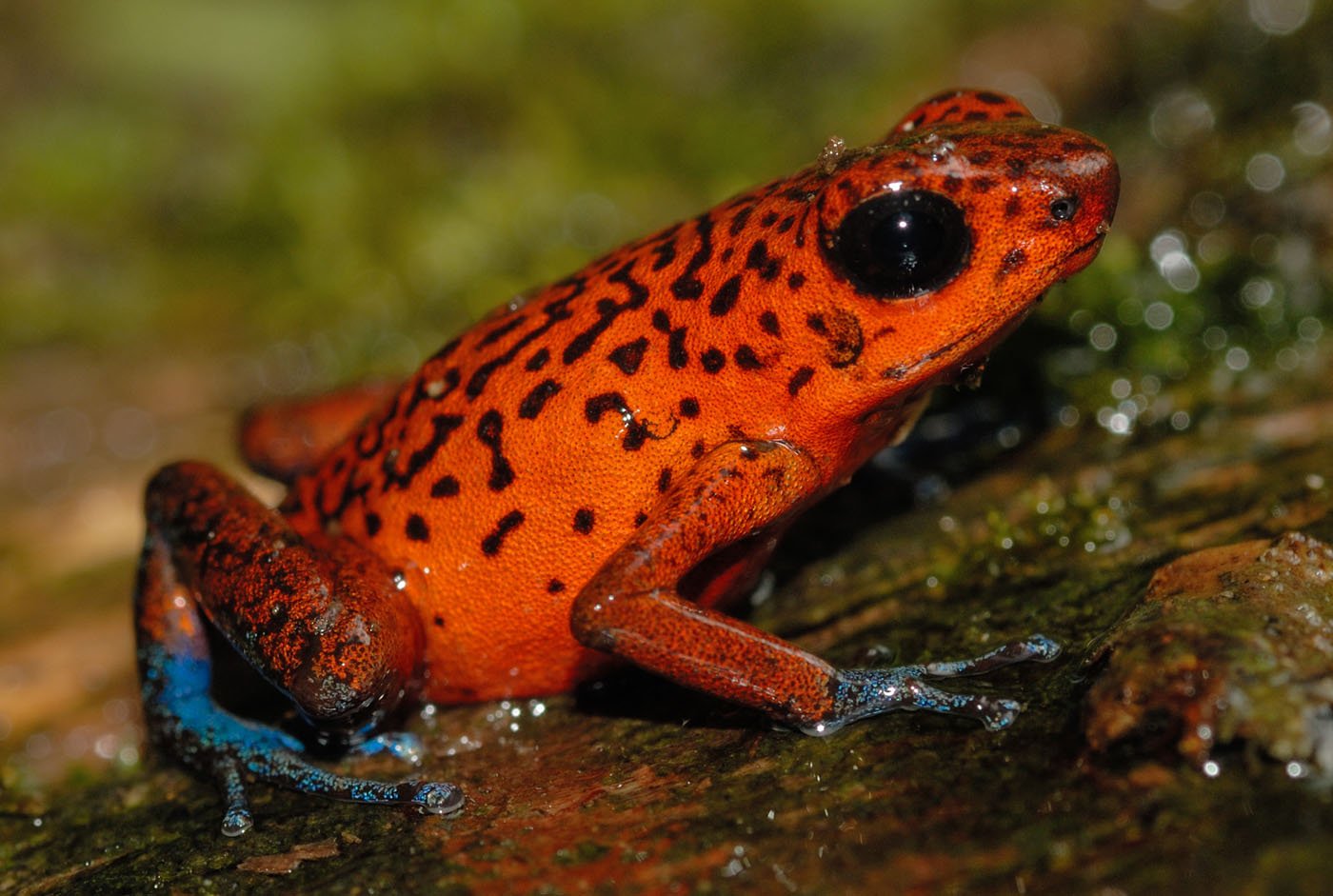
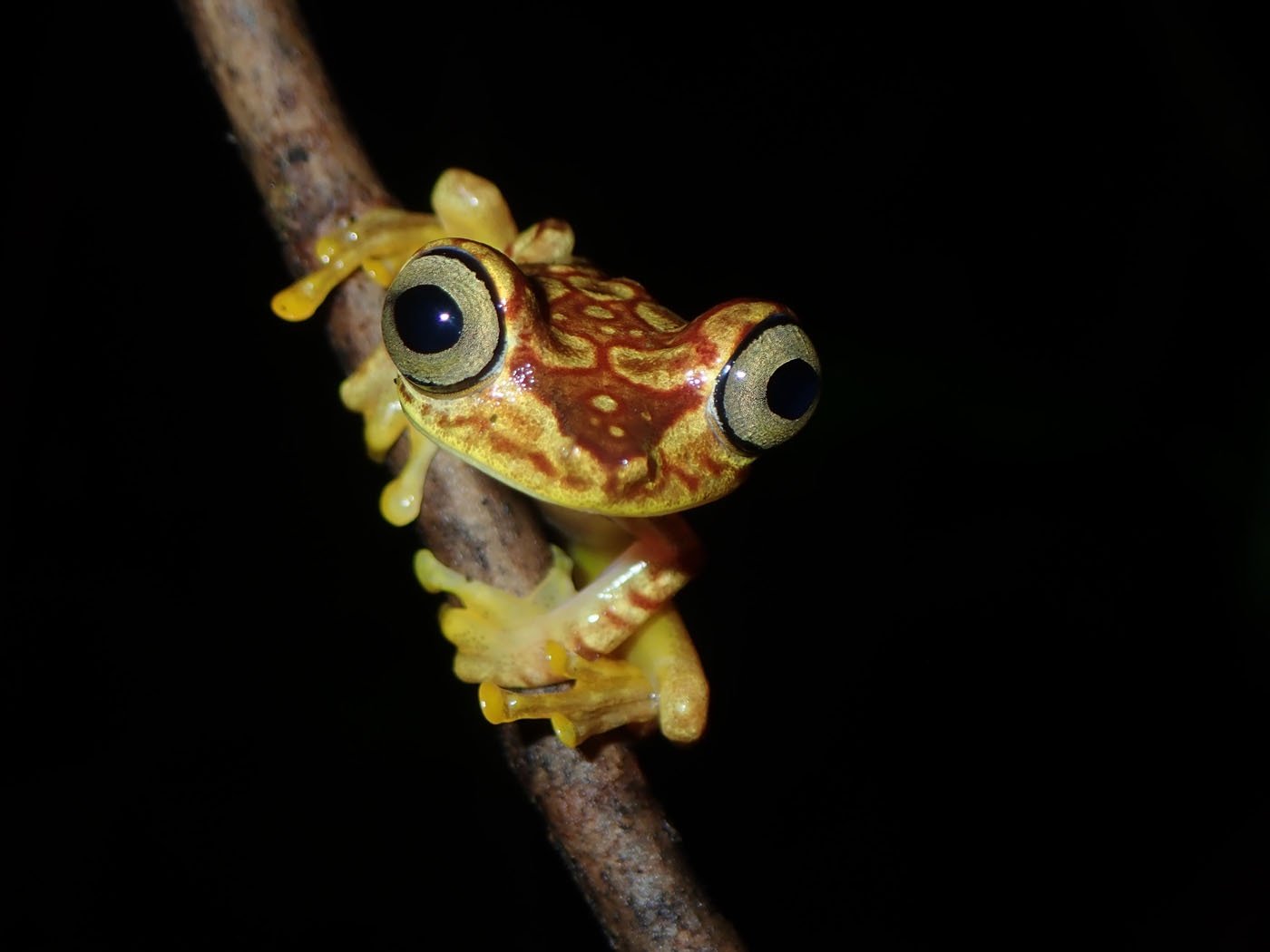

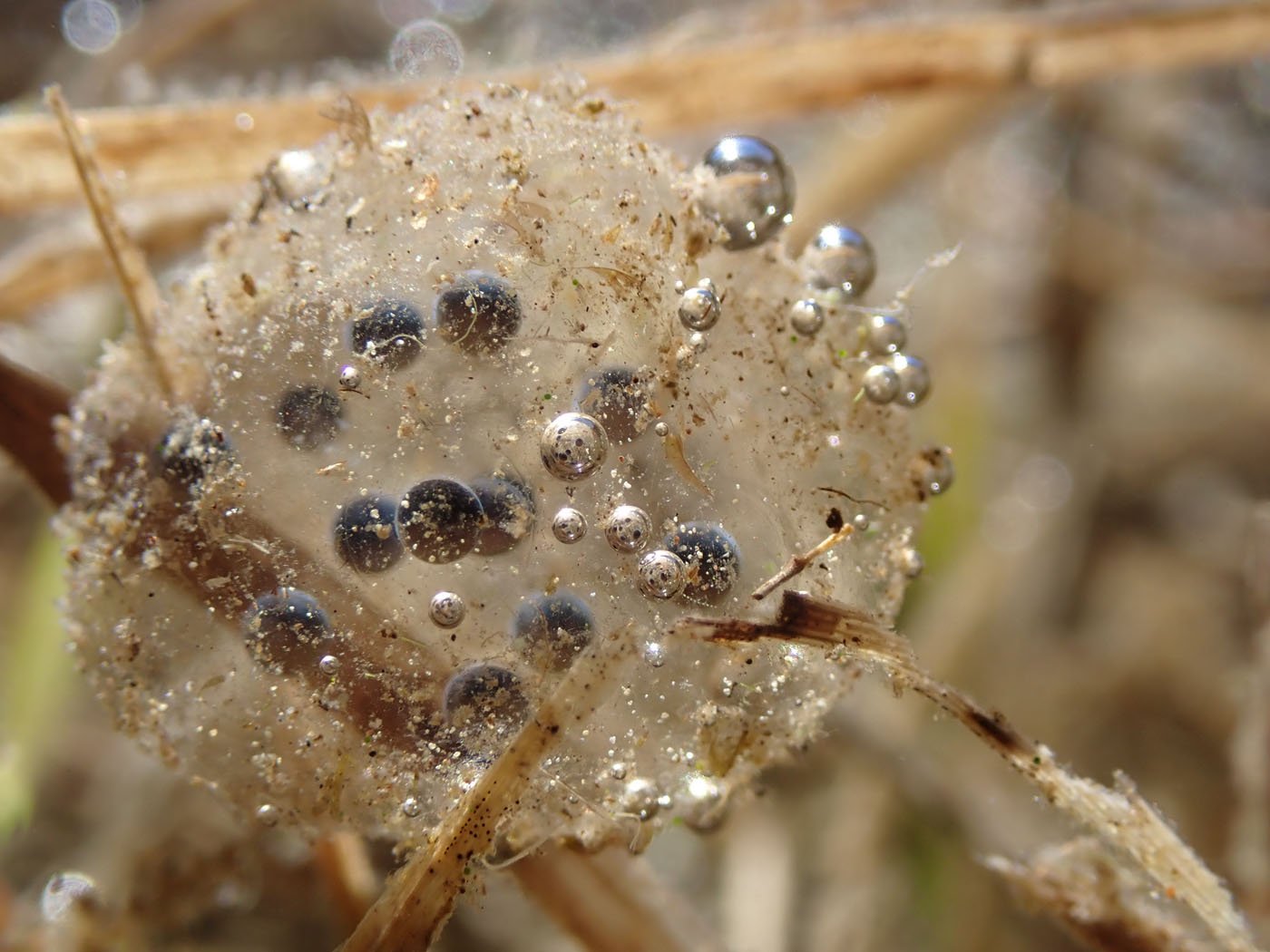
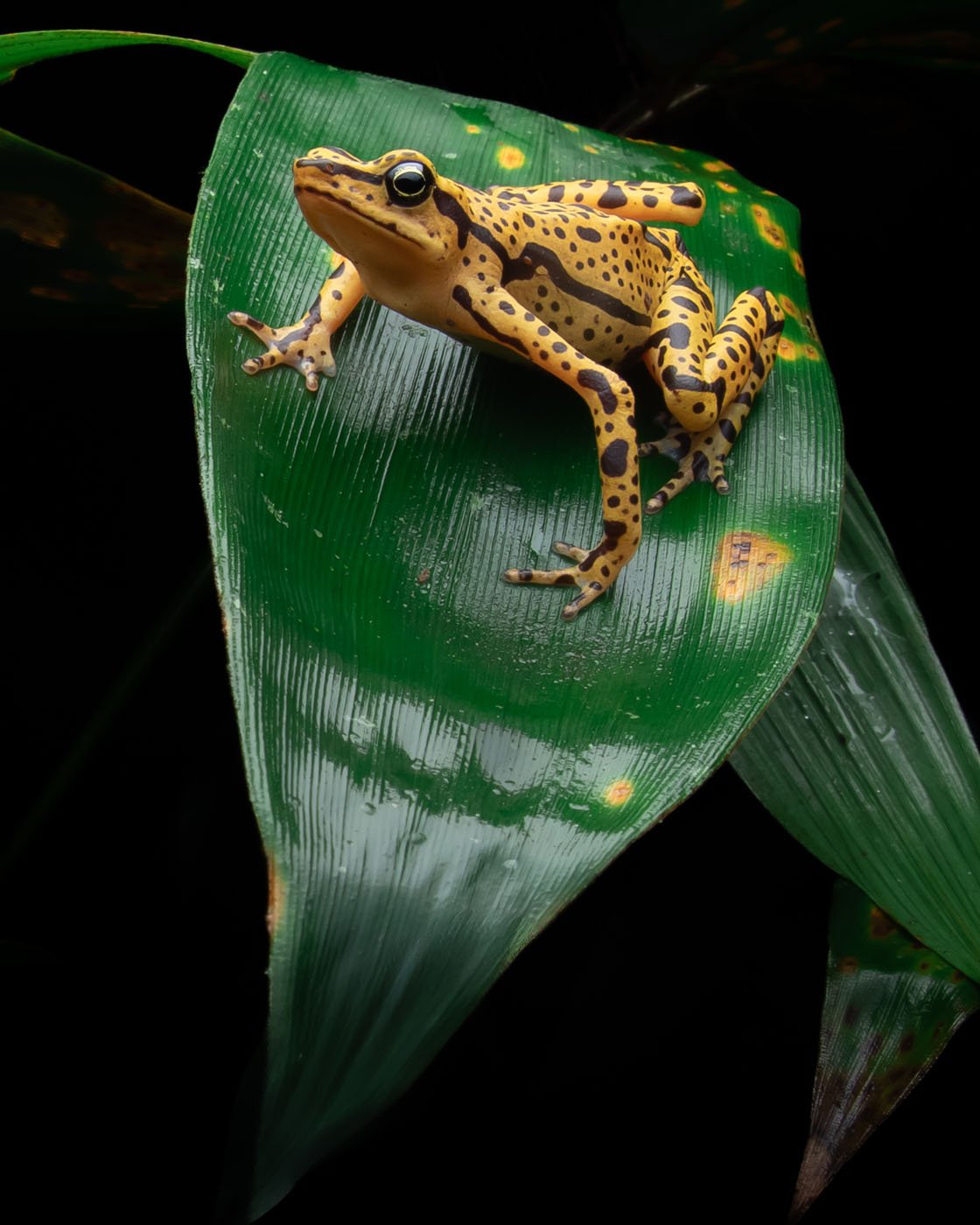
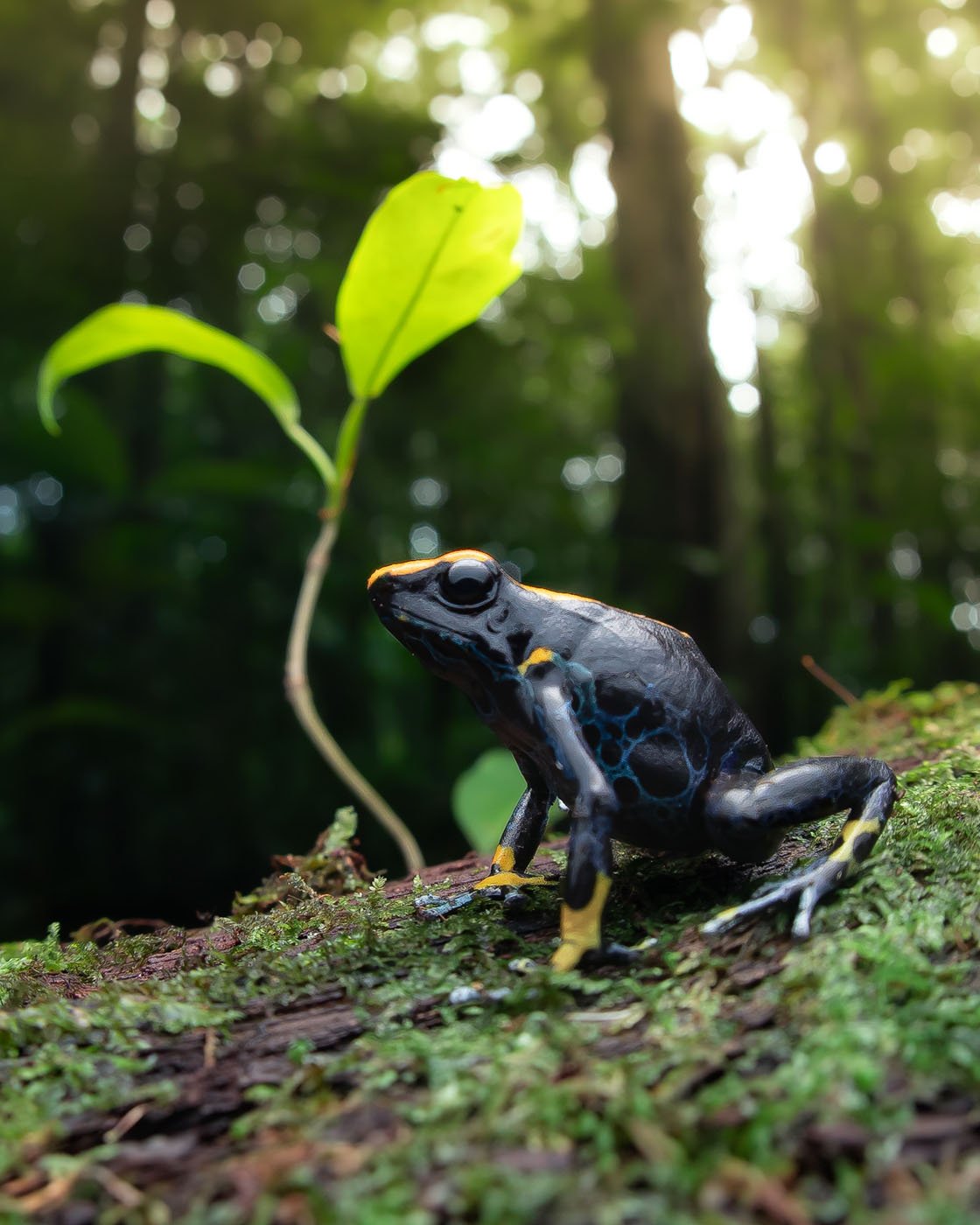

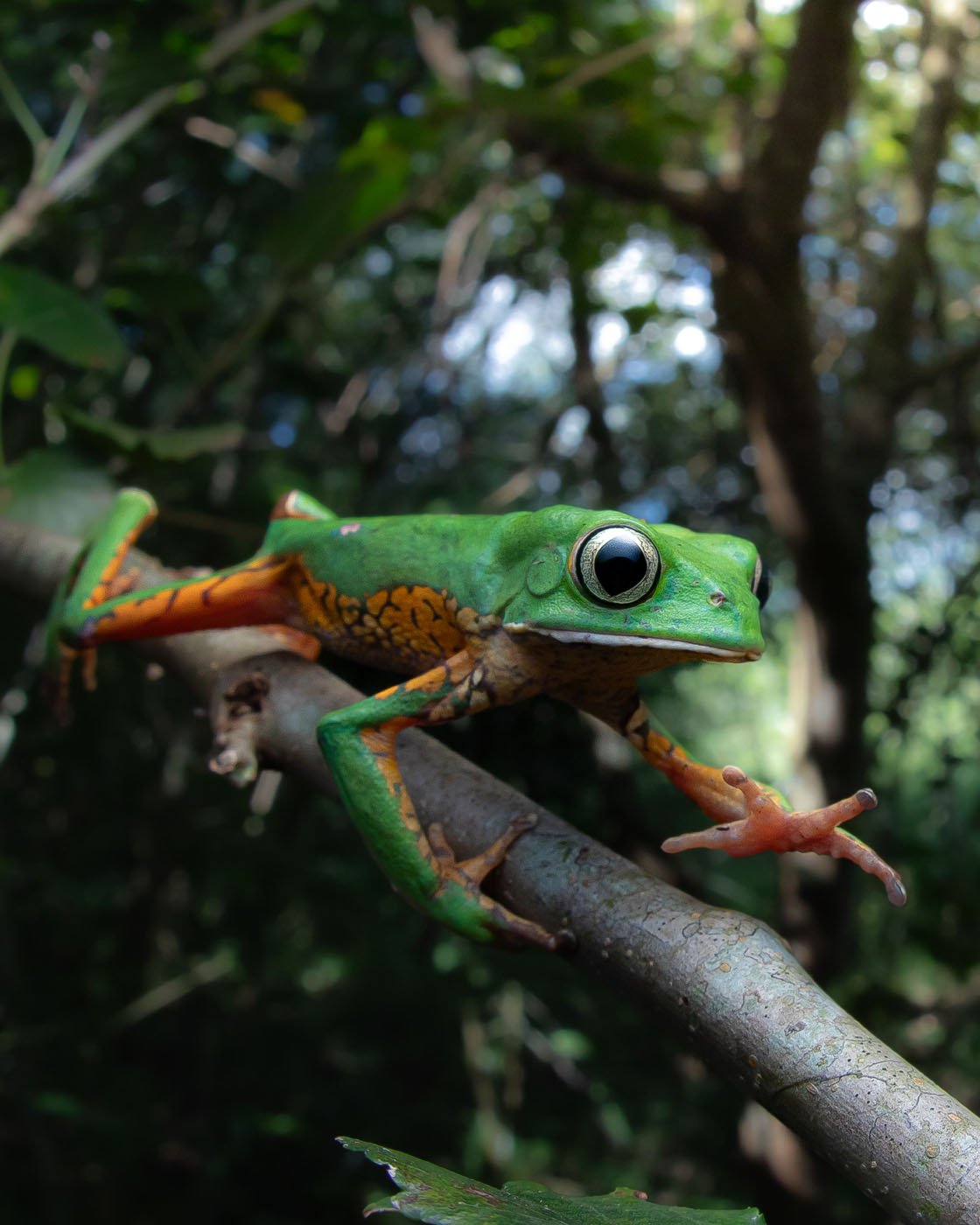
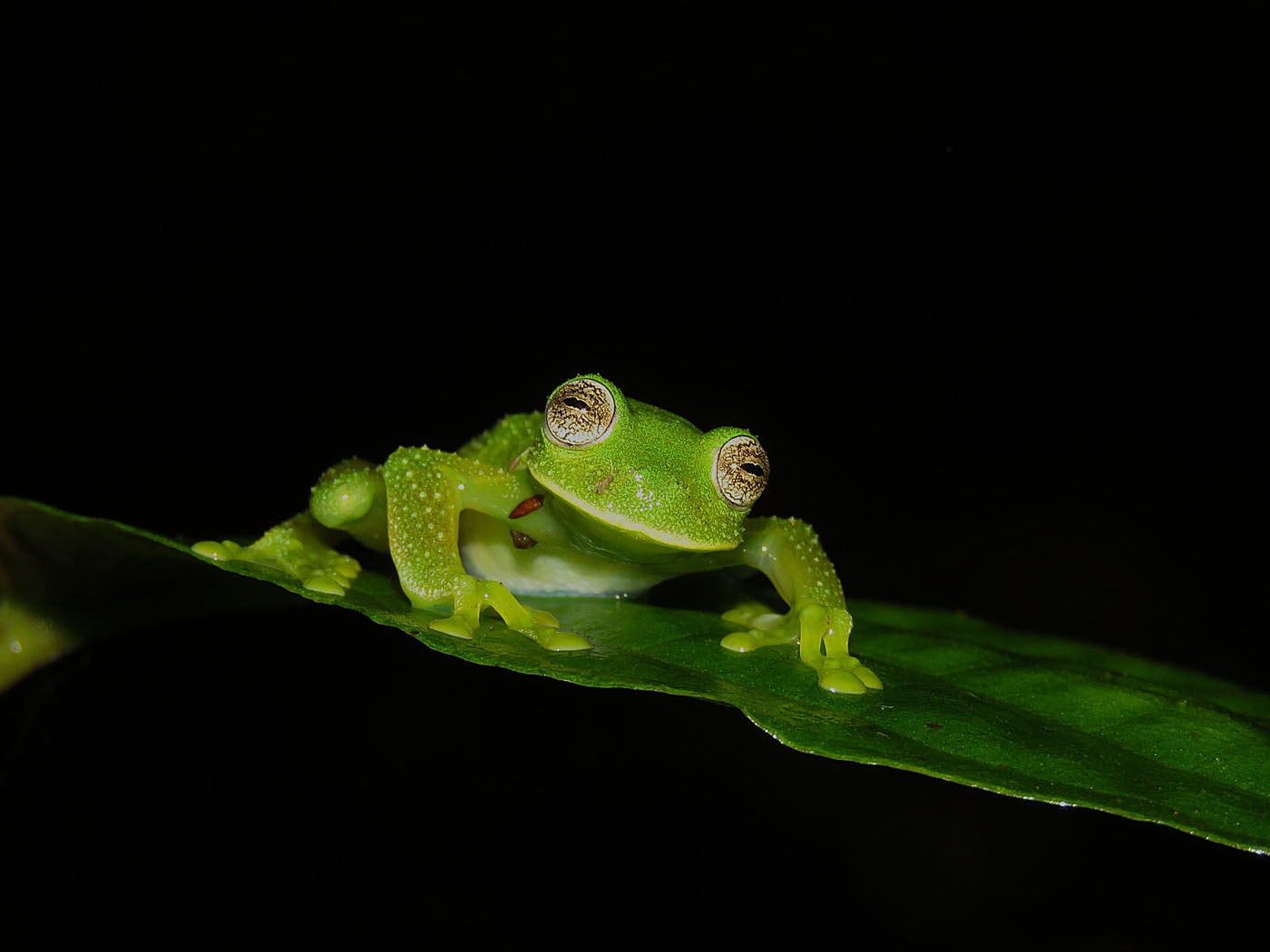
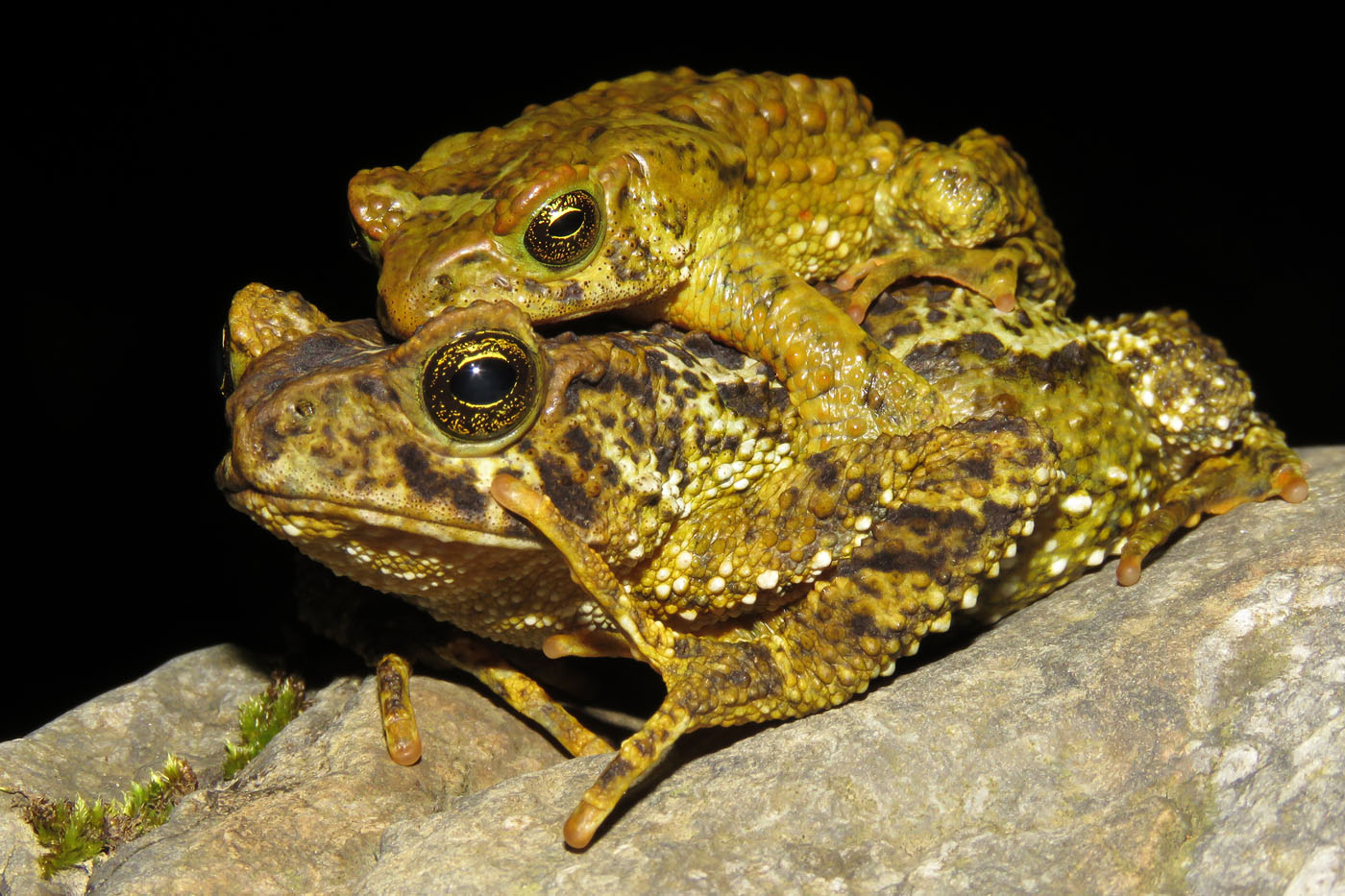
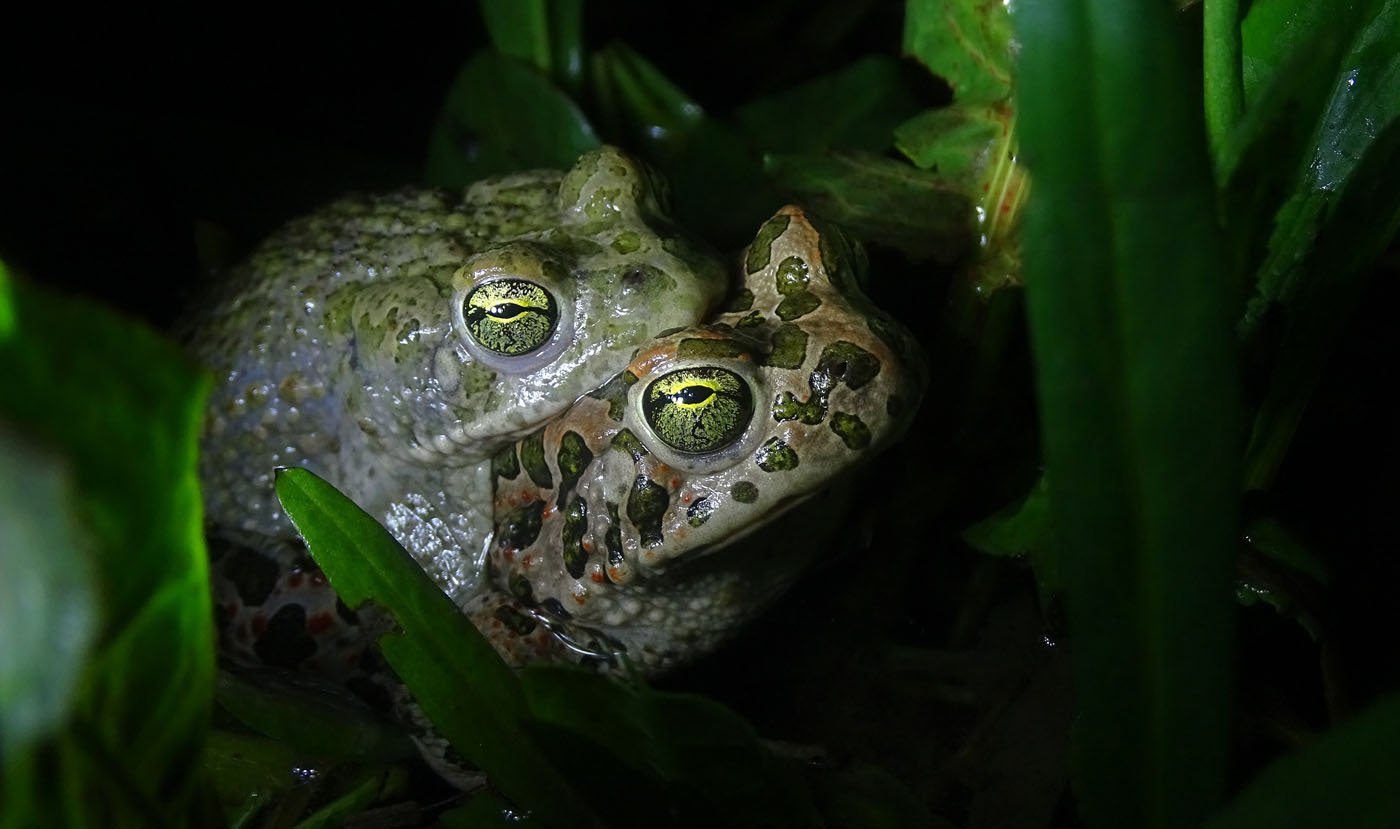
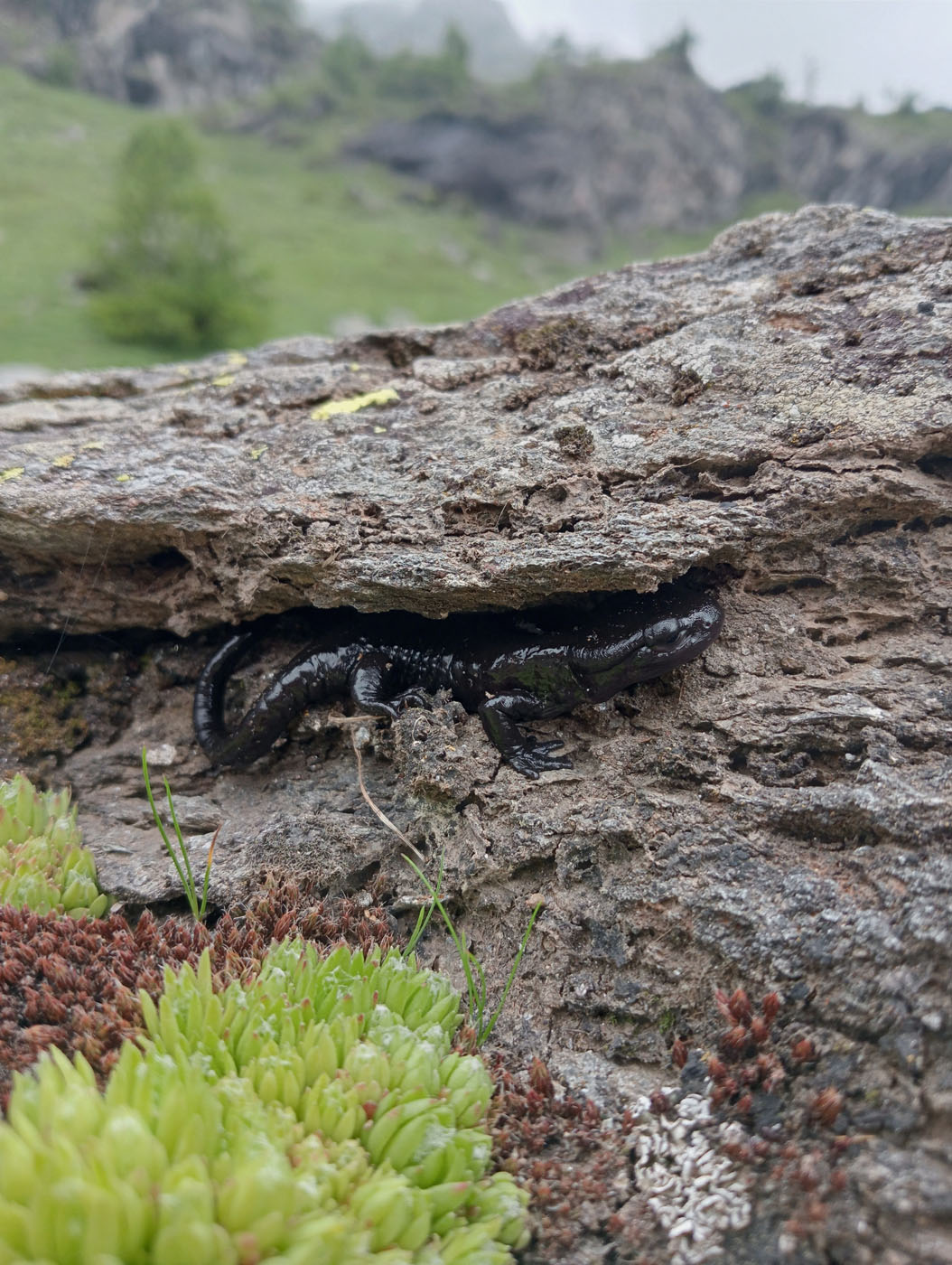
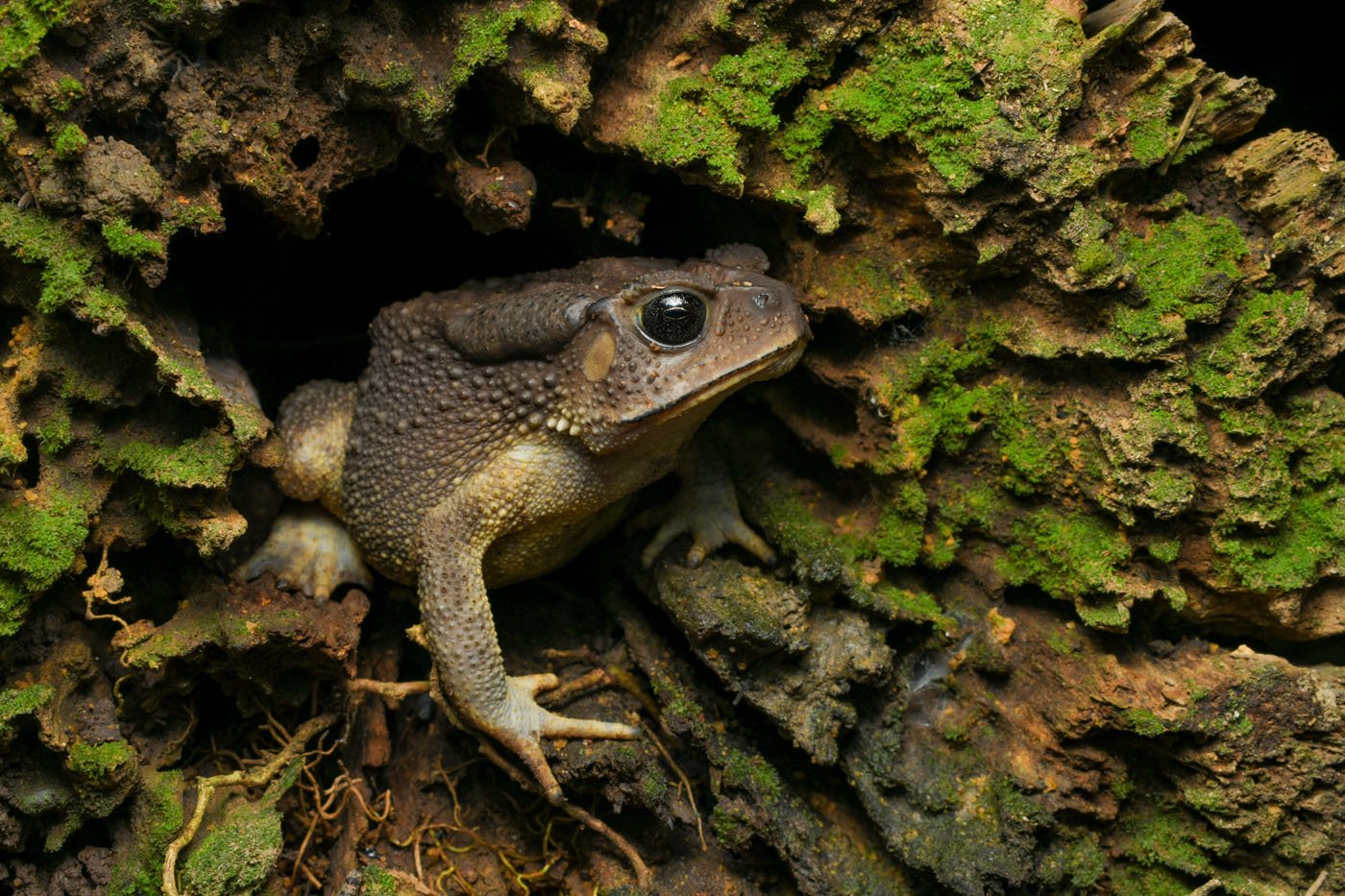
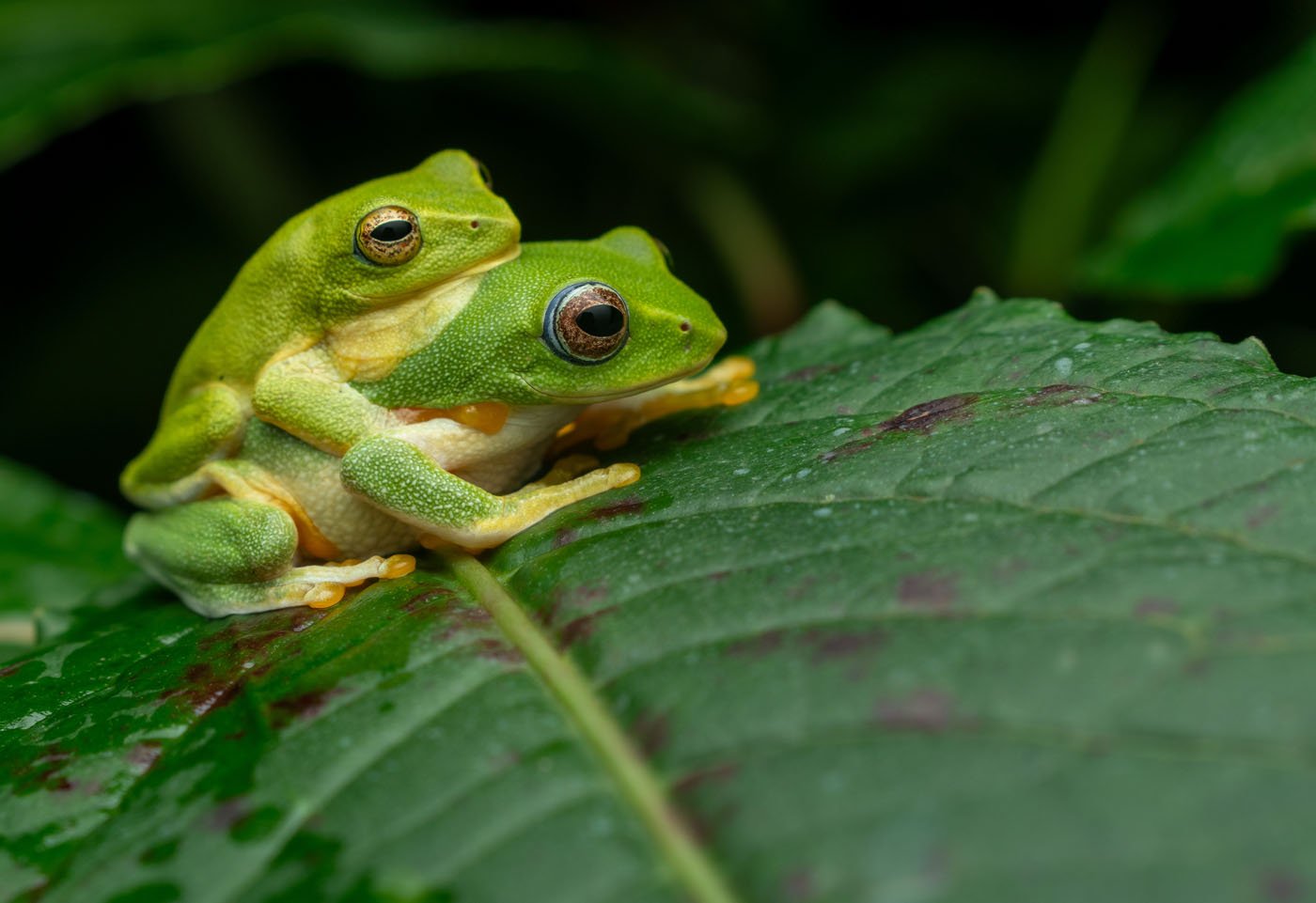
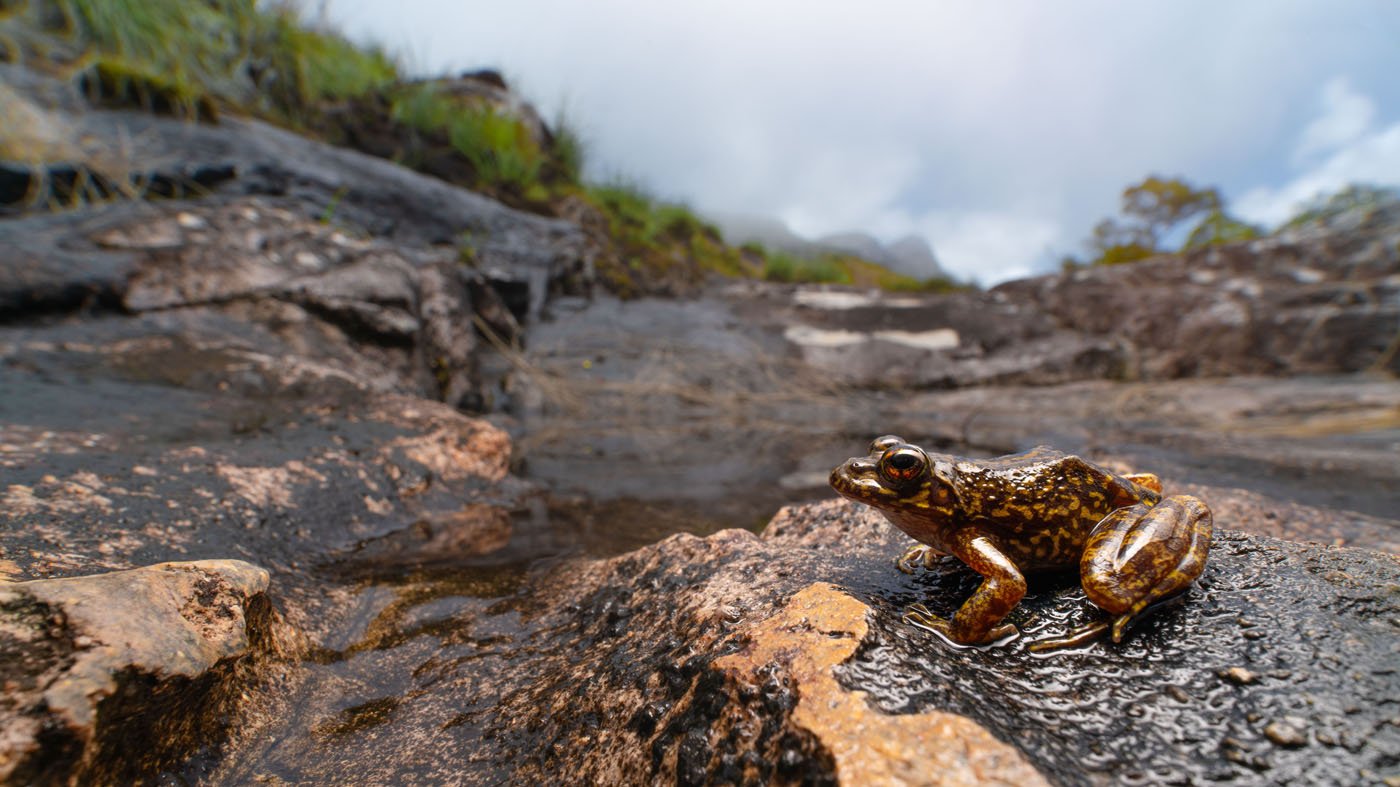
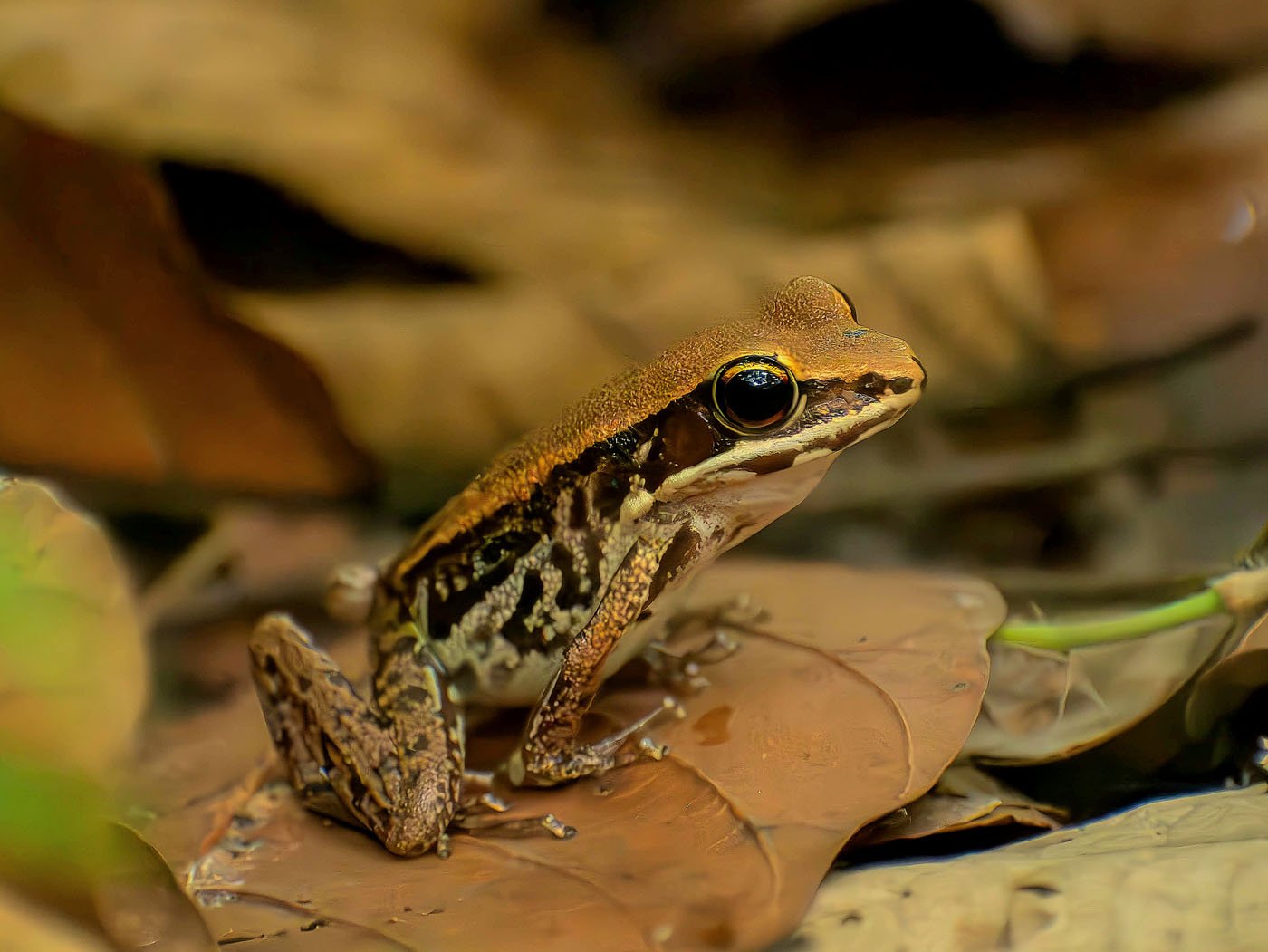
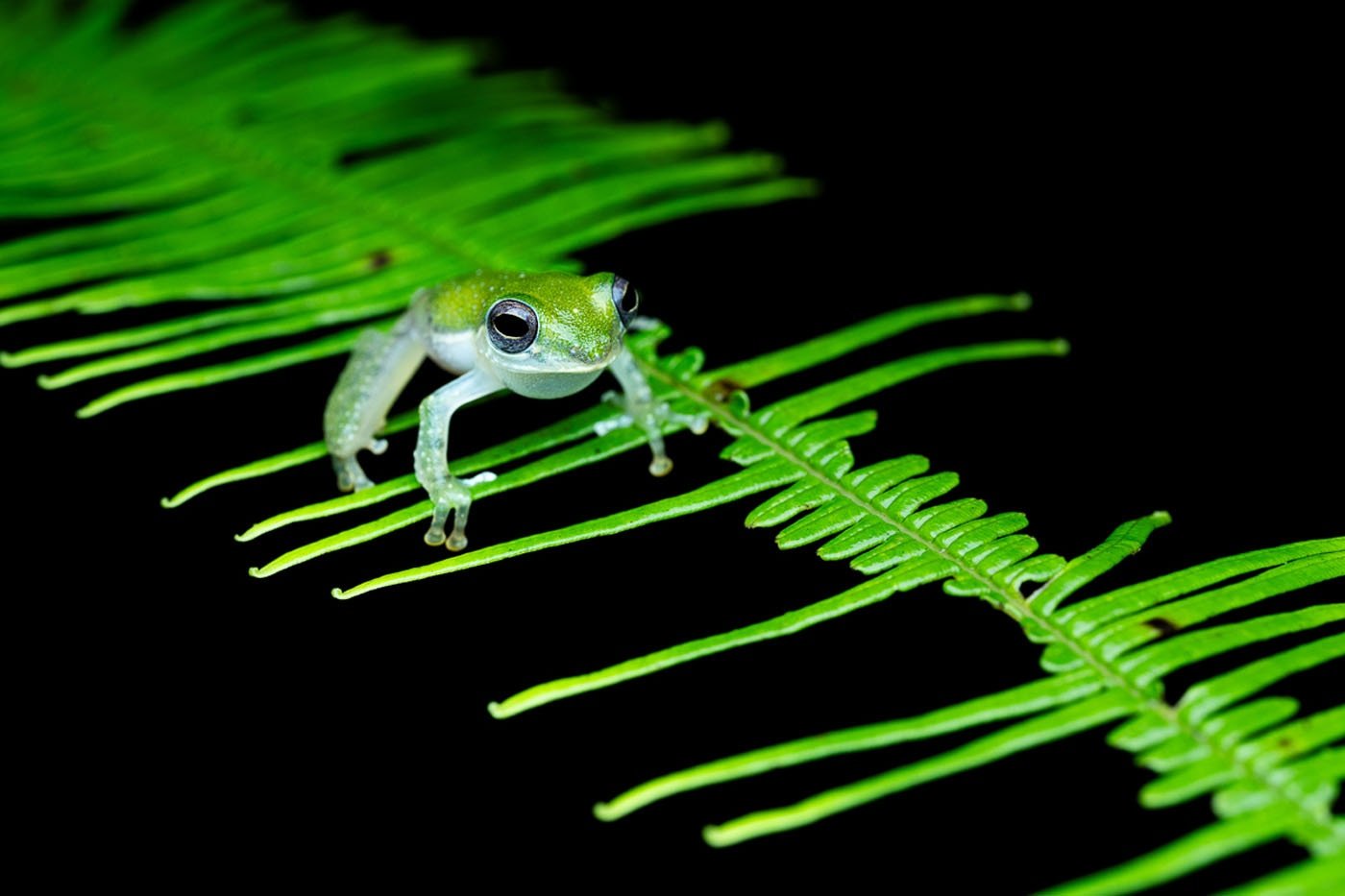
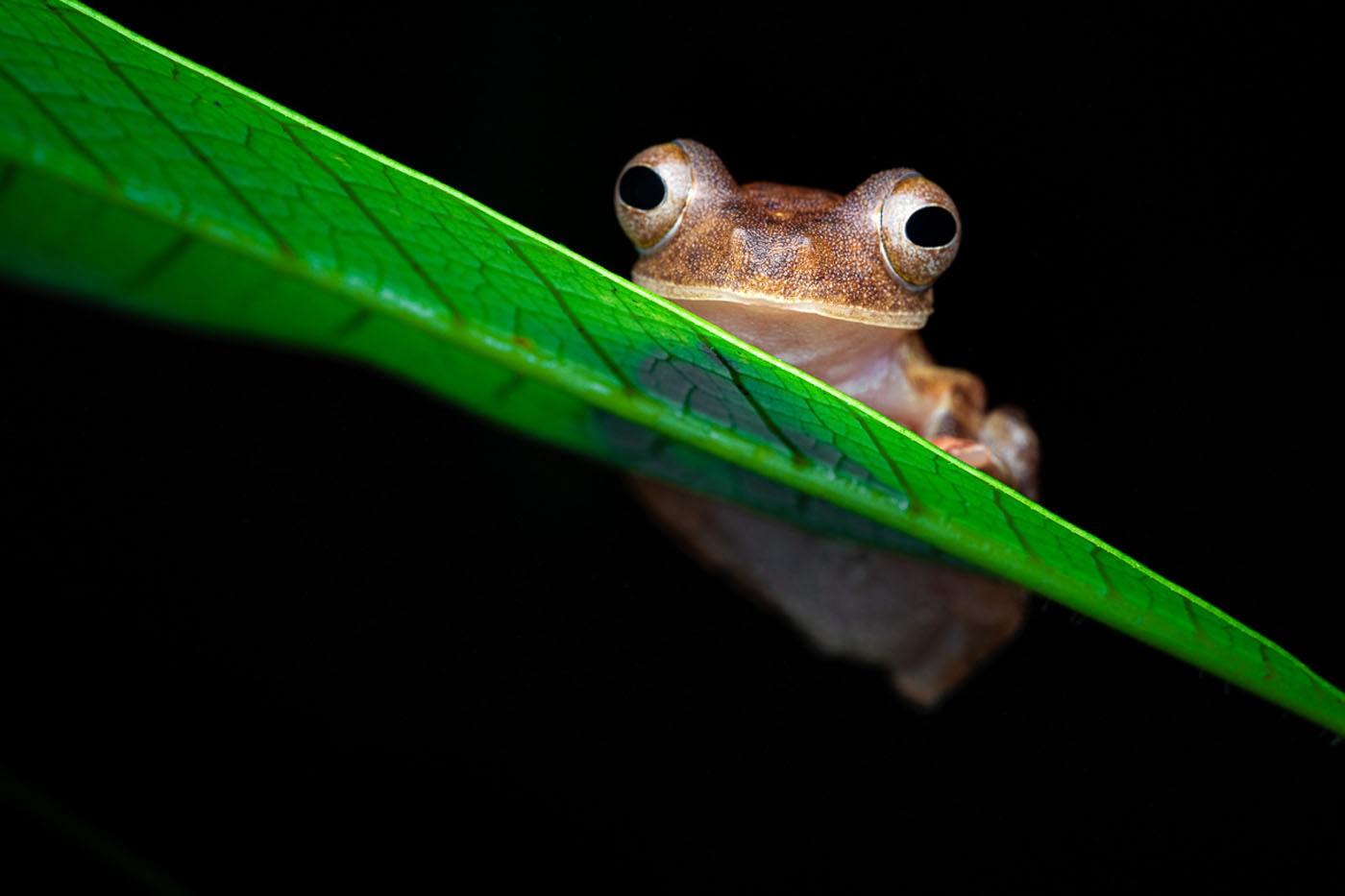
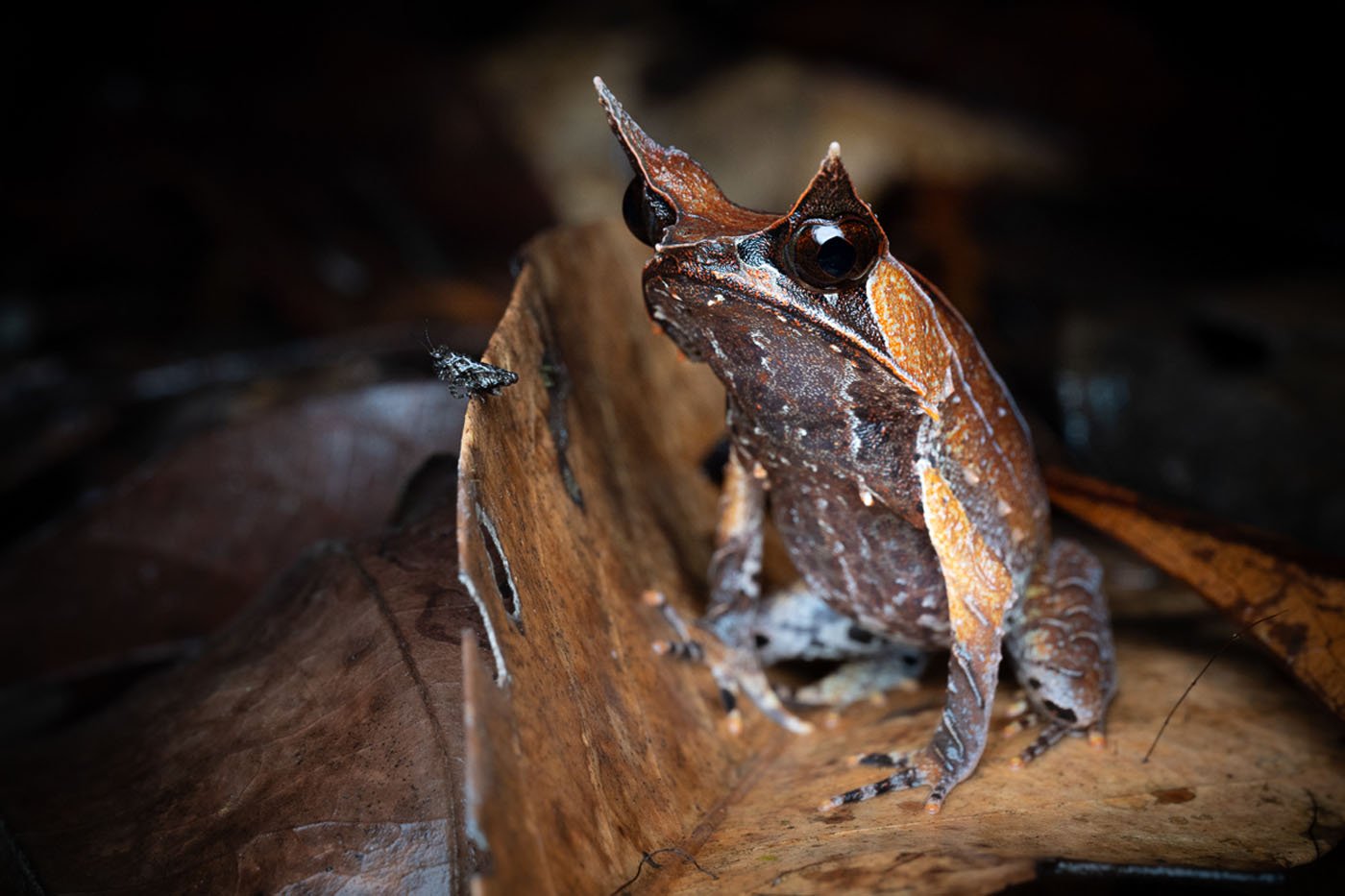
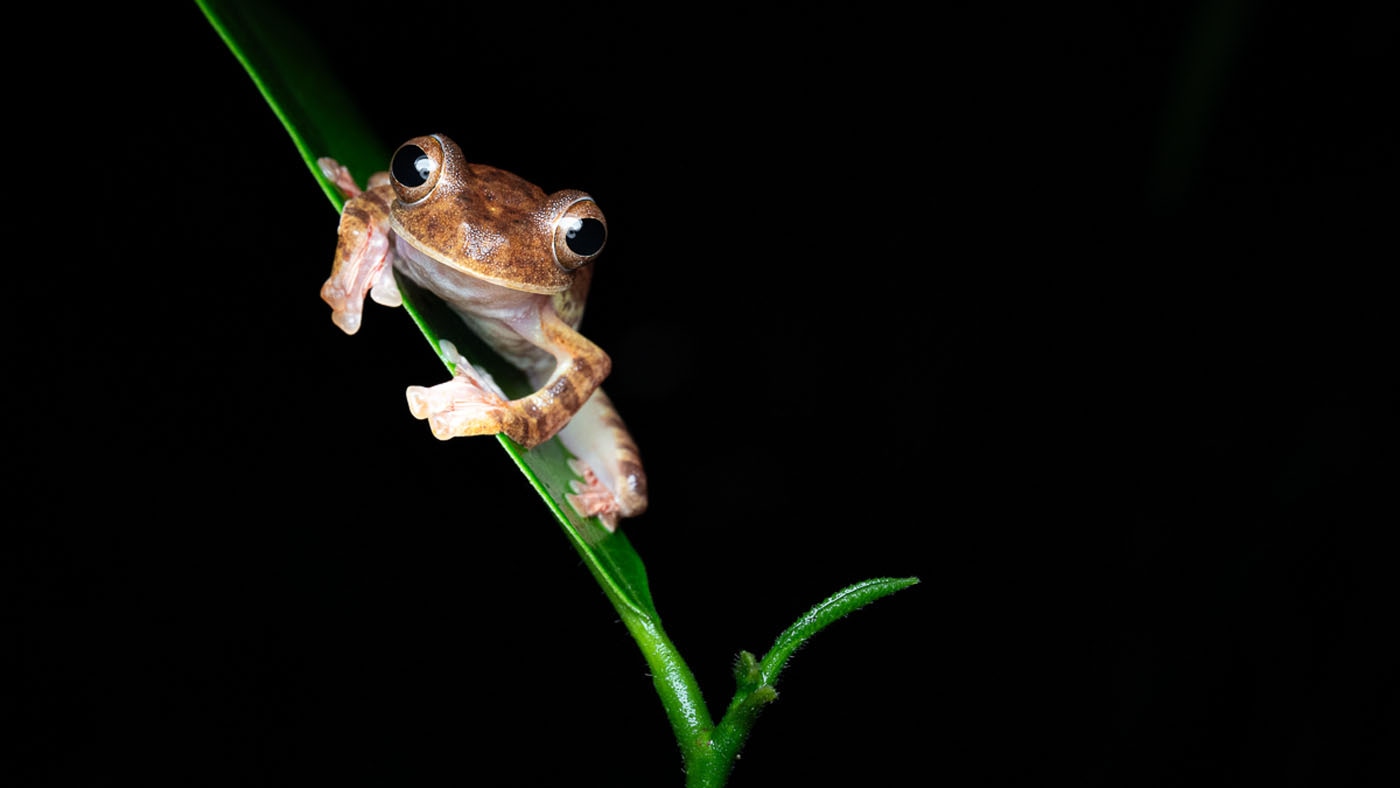
“Hello. I just wanted to say thank you ever so much. I am delighted to be a semi-finalist in this year’s competition. So wonderful to see everyone’s entries of such beautiful frogs. Many thanks, Julie Tattersfield
Honorable Mentions
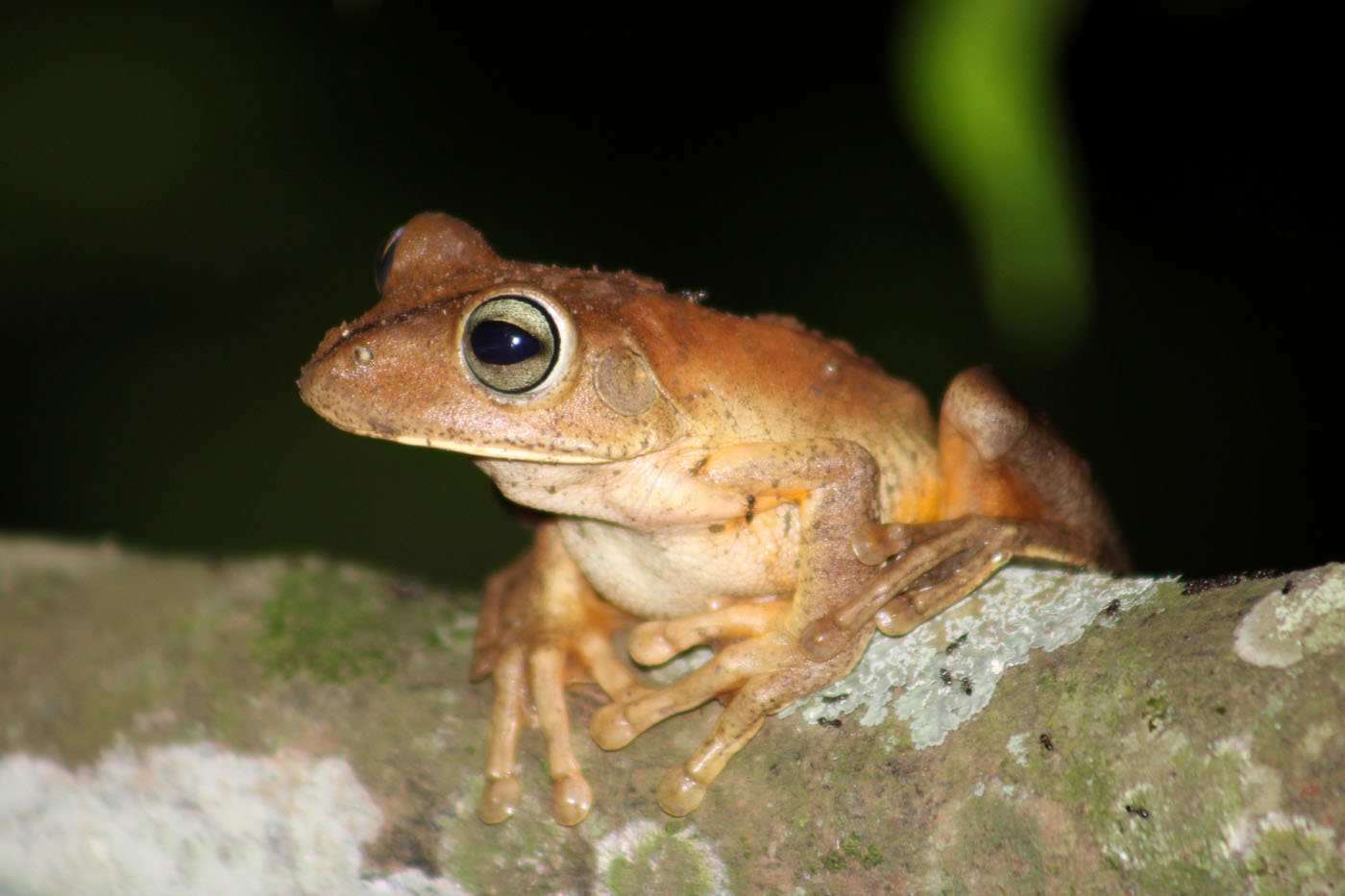
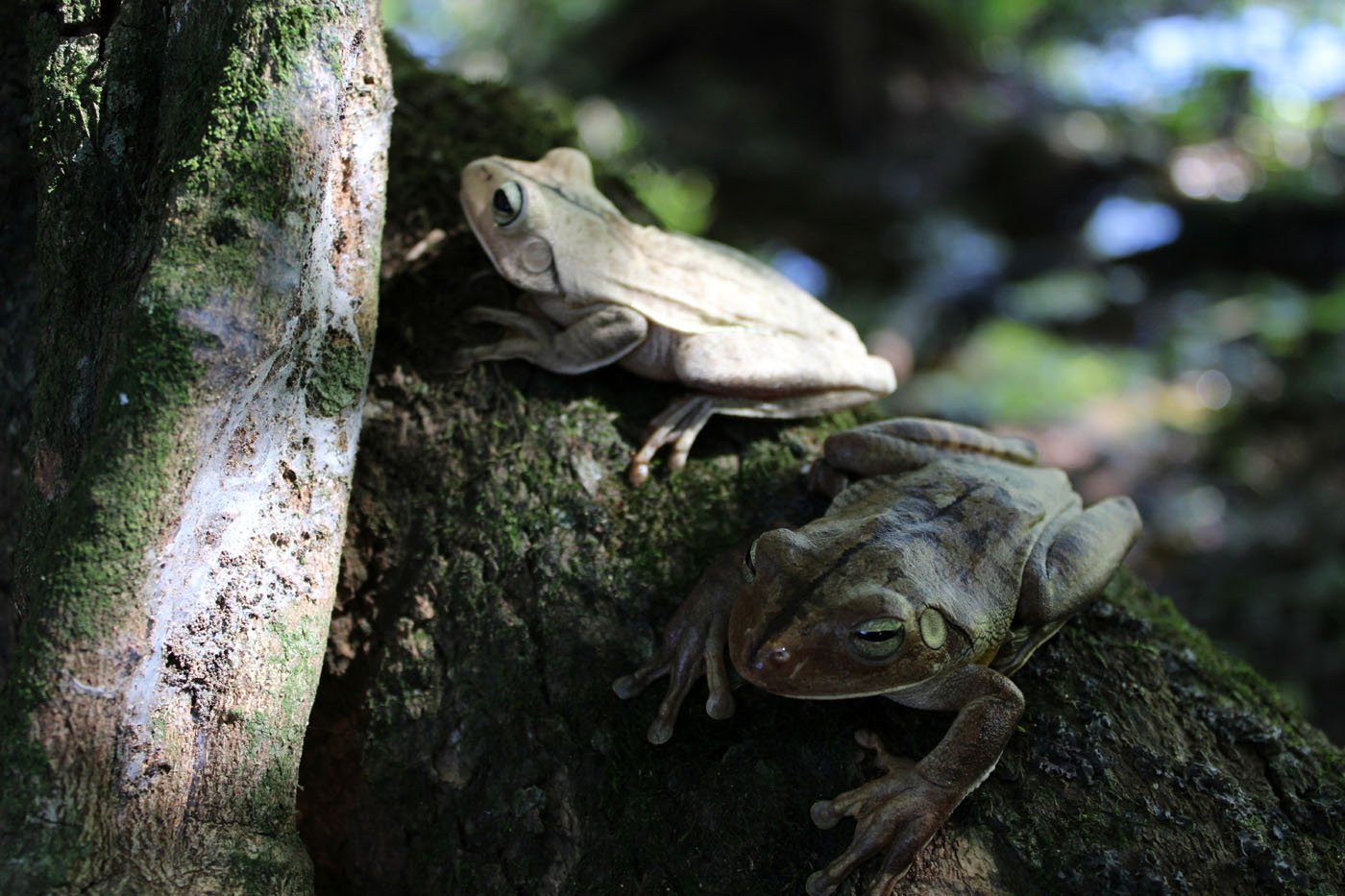
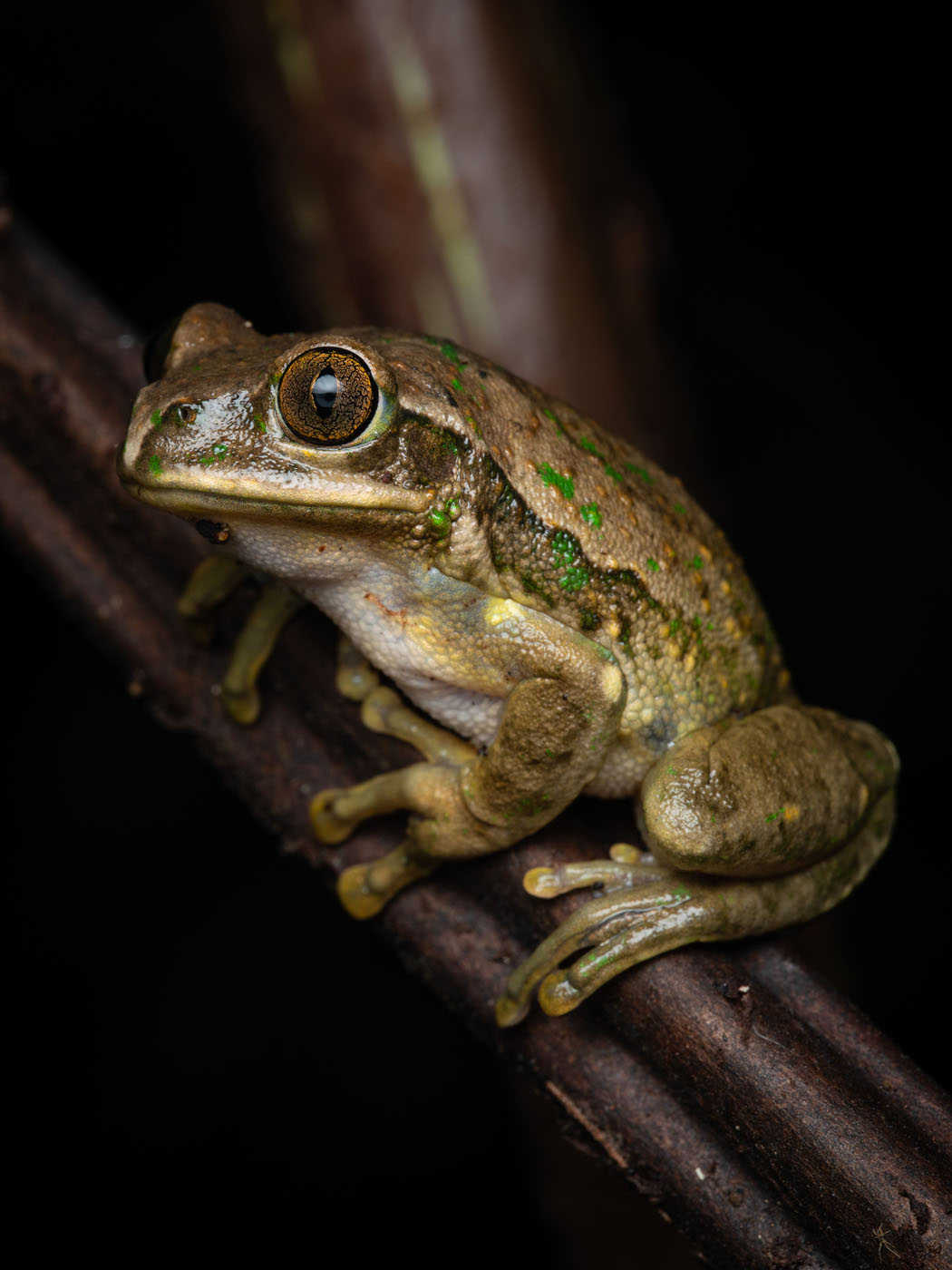
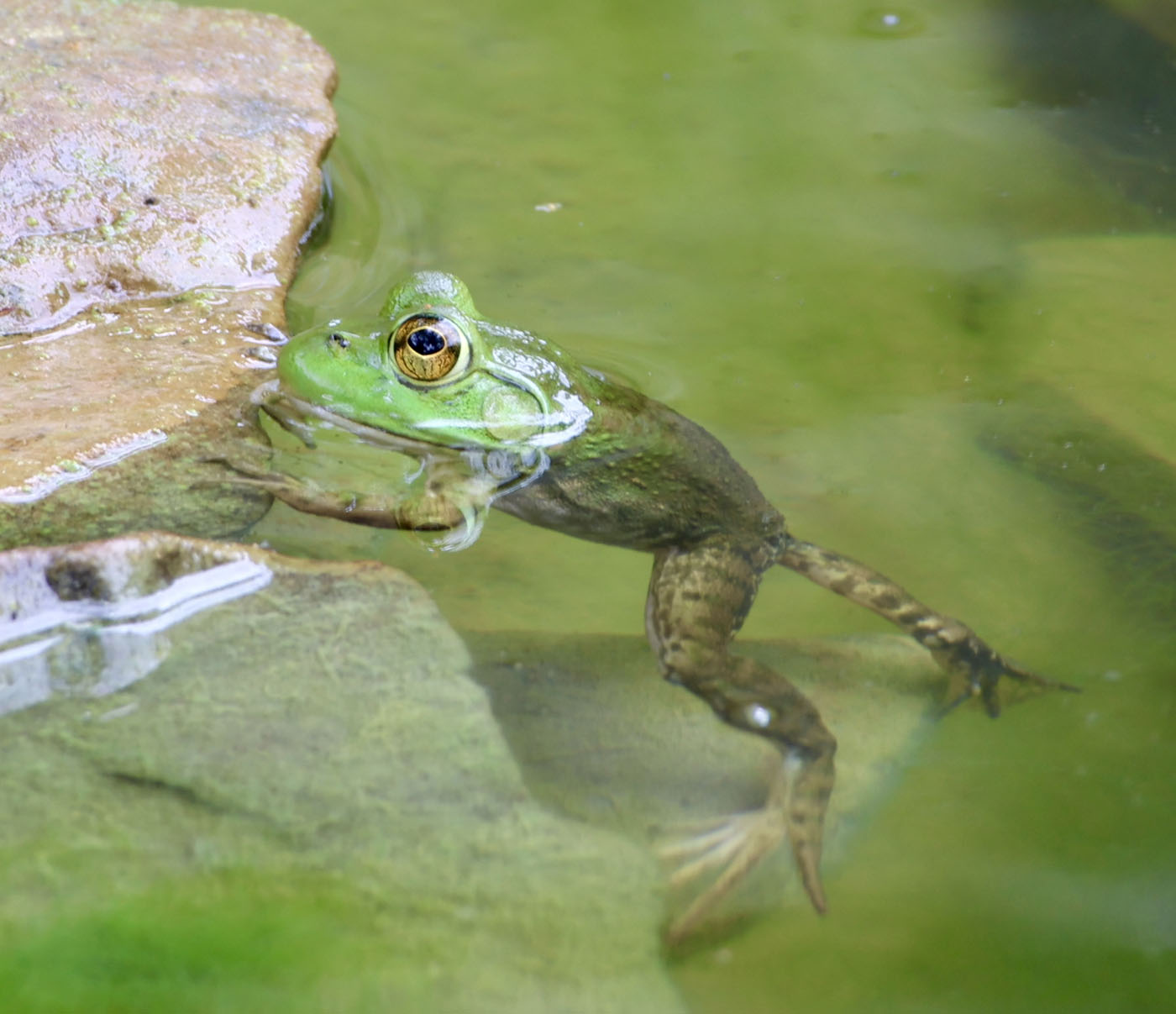
Congratulations to Aleida Iriarte, Arnab Deb, Cezar Santos, Danilo Giacometti, Debbie Niehaus, Elizabeth Blasik, Joêl Rebuffaud, Johnnie Walker, Jorge Luis Murillo Palma, Marcus Lim, Md. Ashiqun Nabi Litu, Owen Edwards, Robert Hart, Thalia Voeltz, Tim Grazian, Tiphanie Gomes and Zoey Lesik! Click any image to view it larger; hover over it to see the photographer’s name (in the bottom left of Chrome browser).

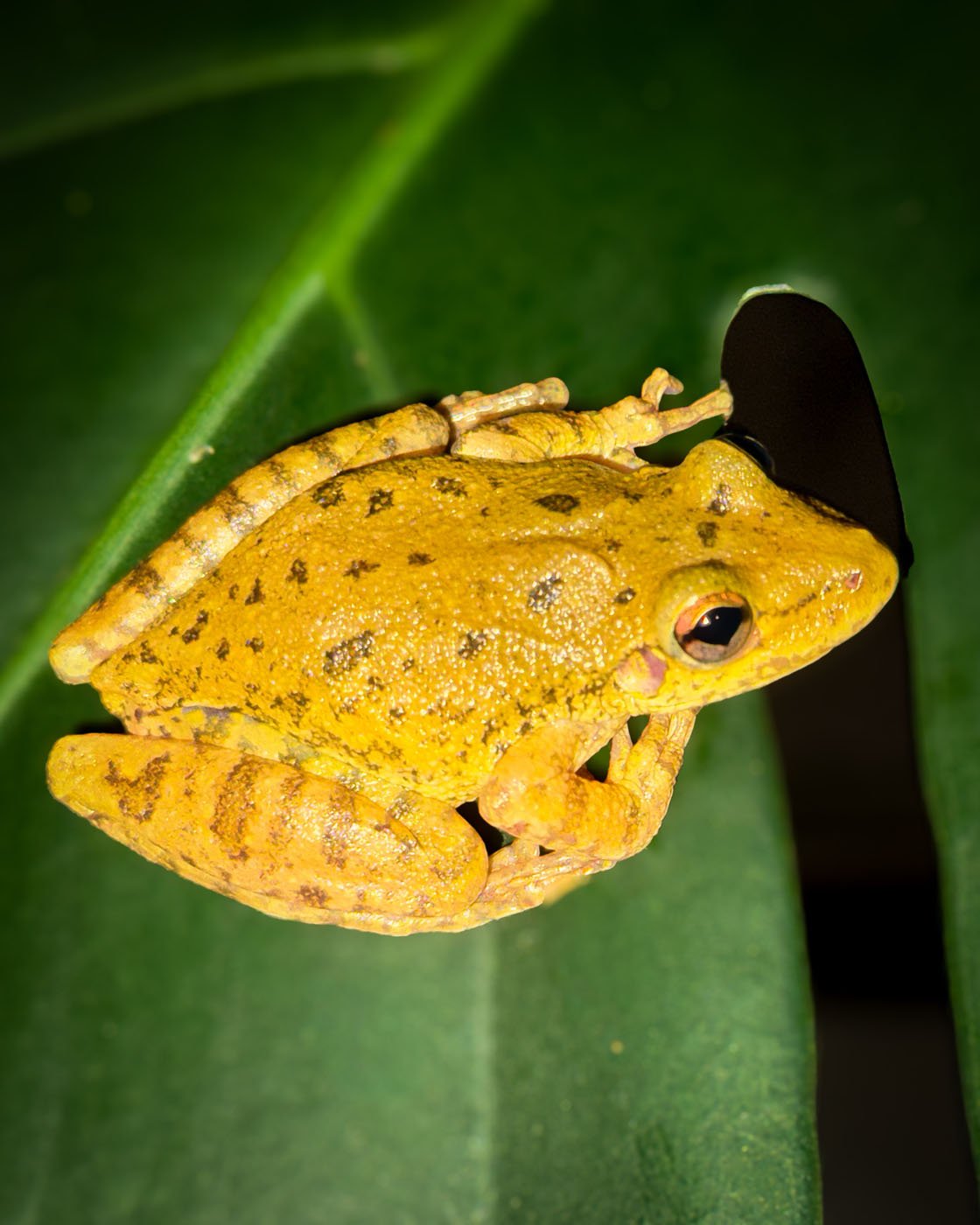

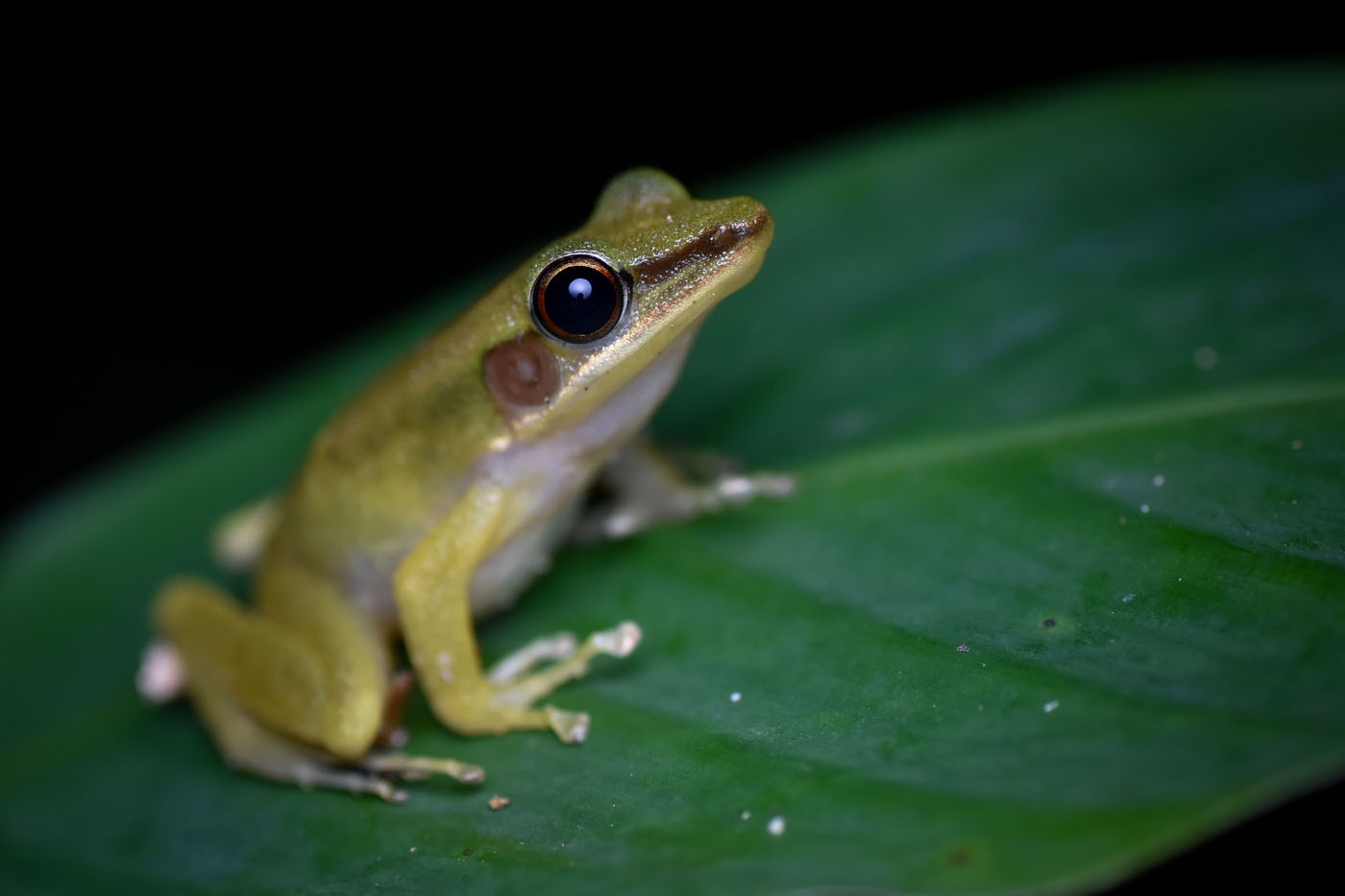
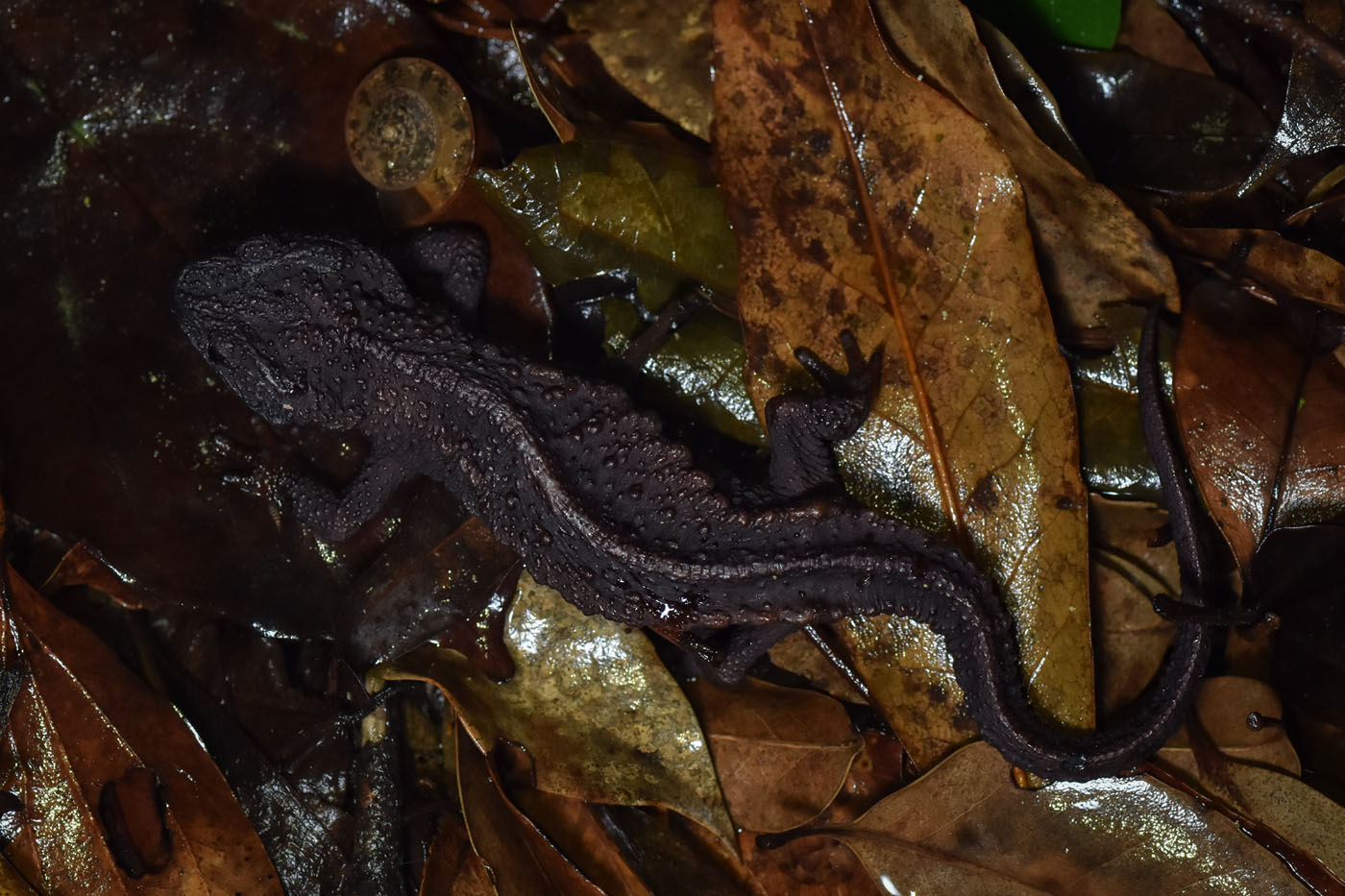
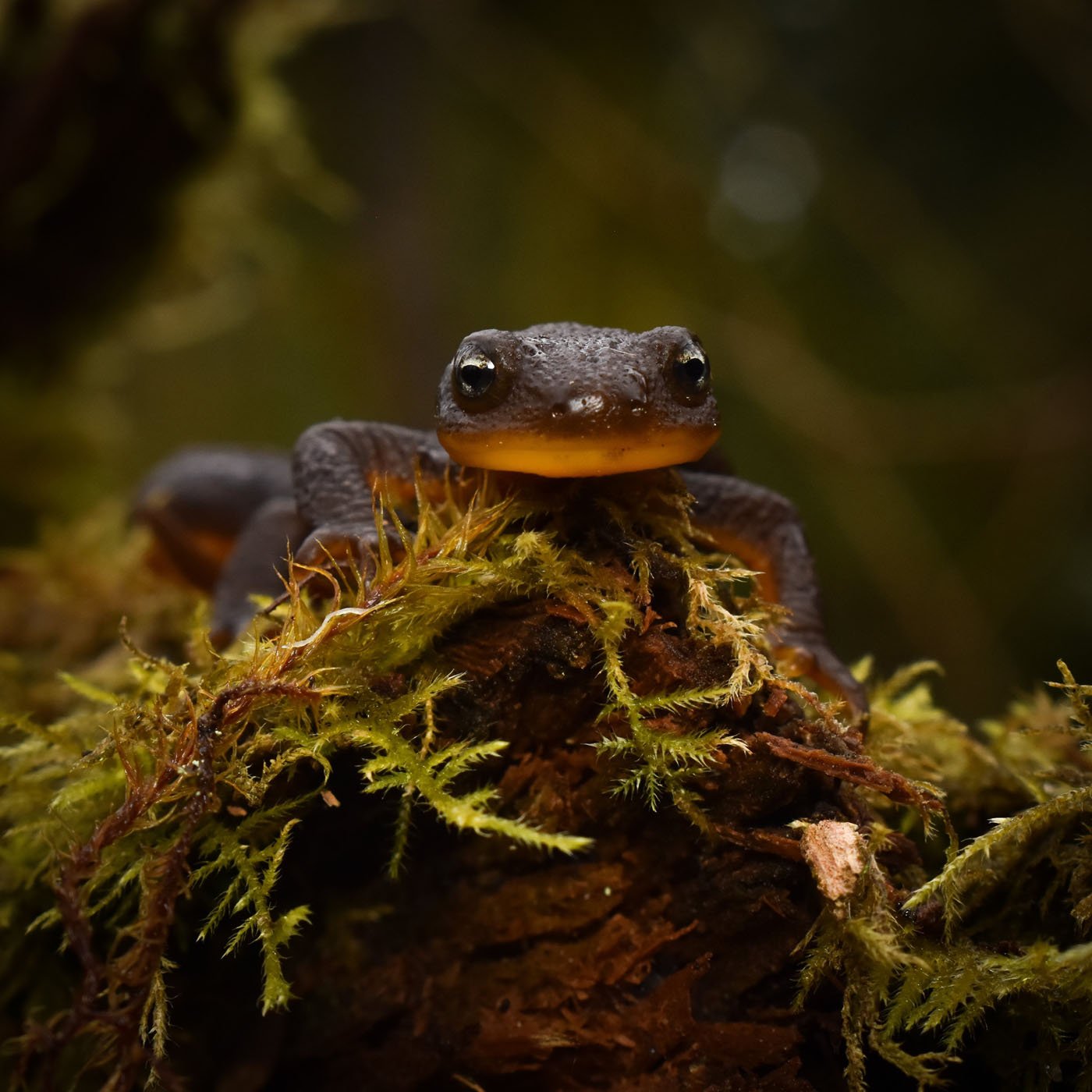
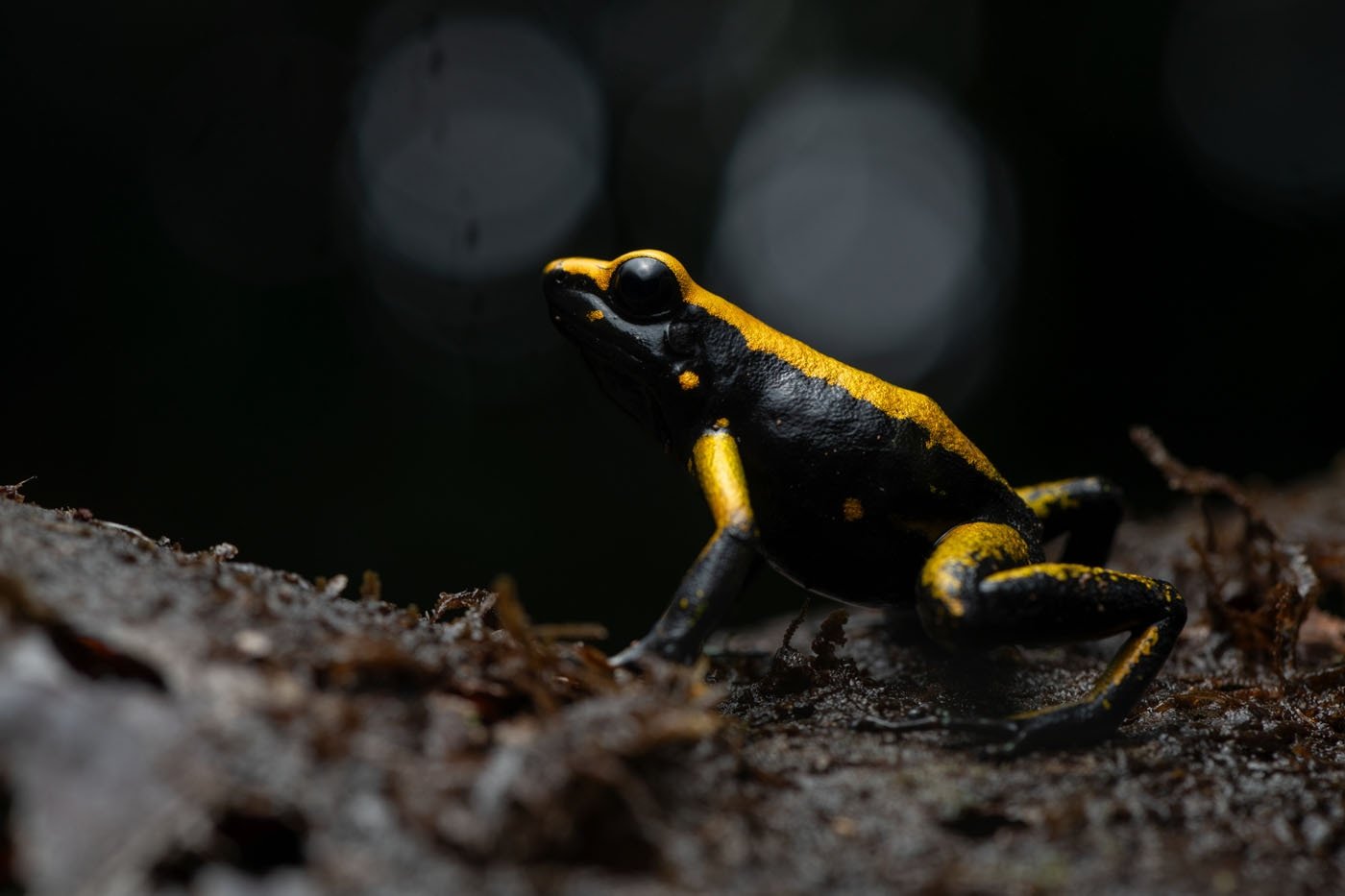
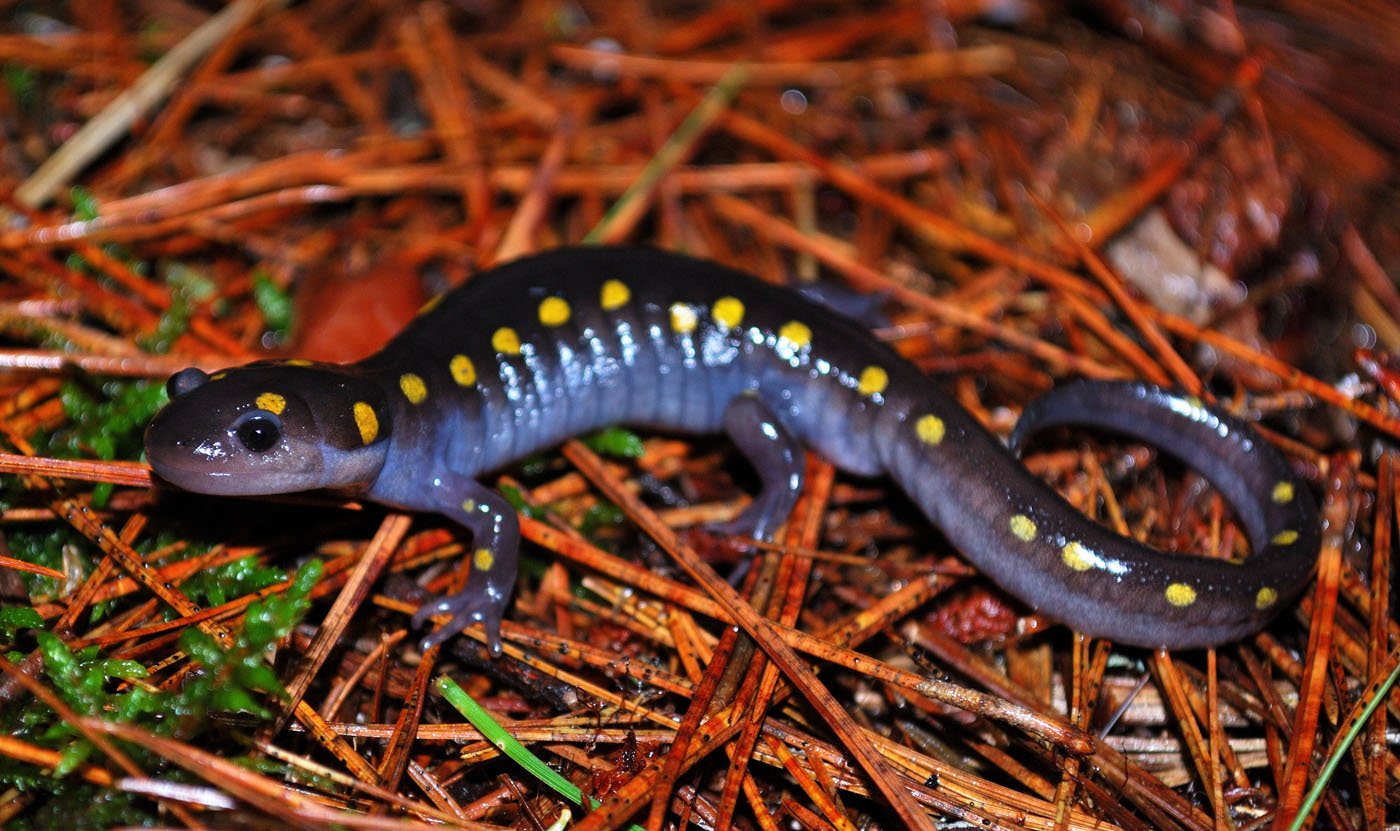
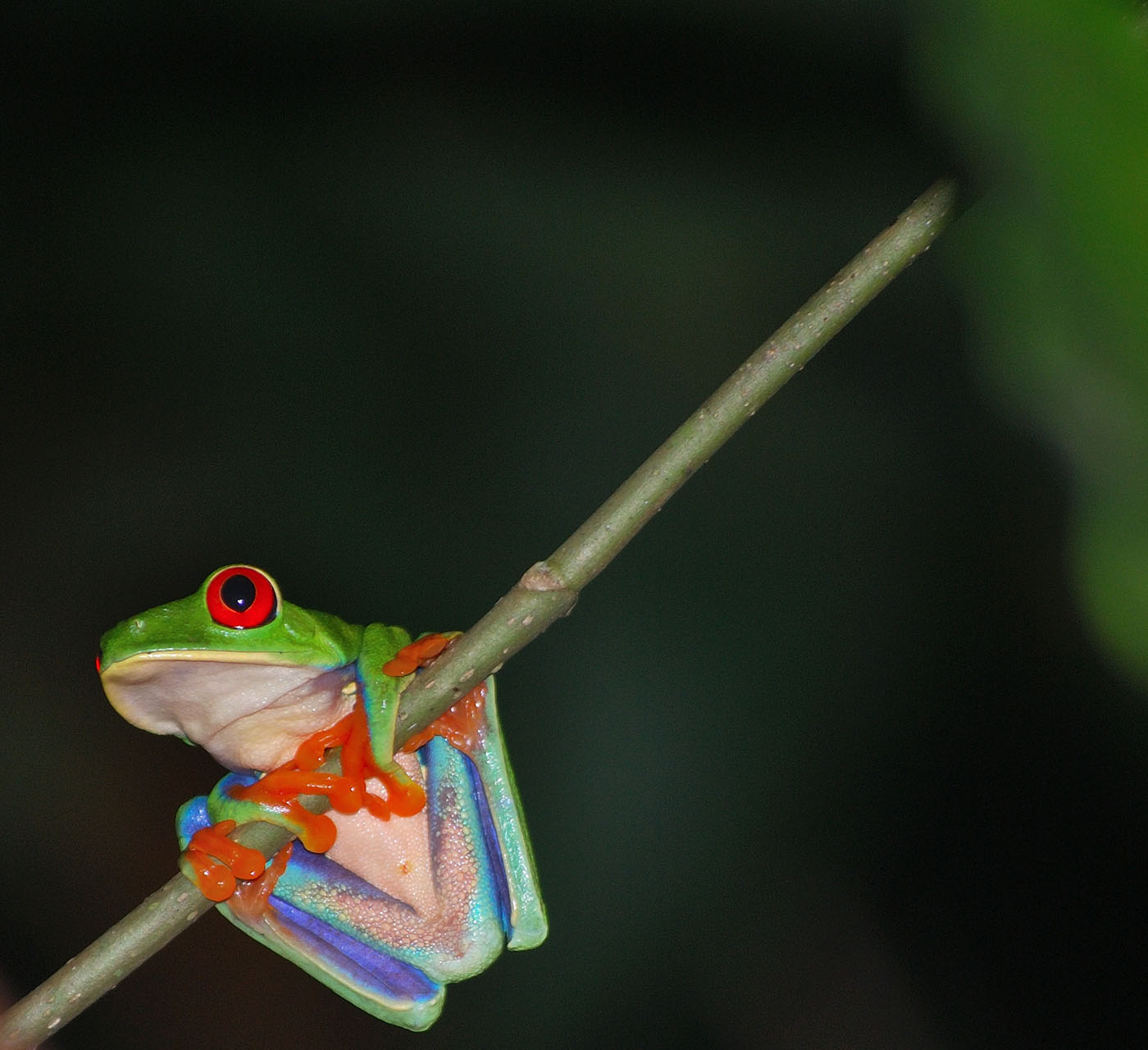

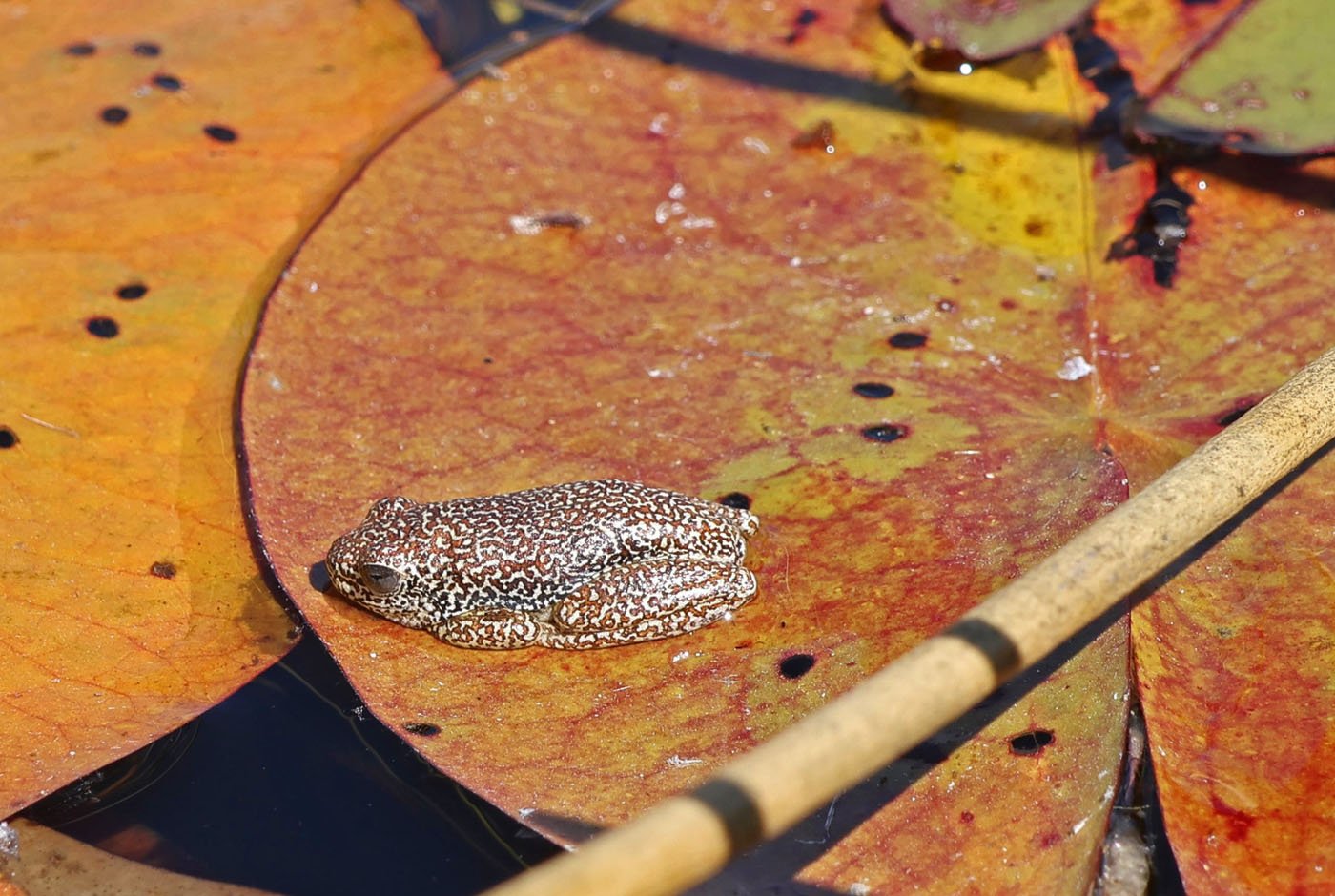
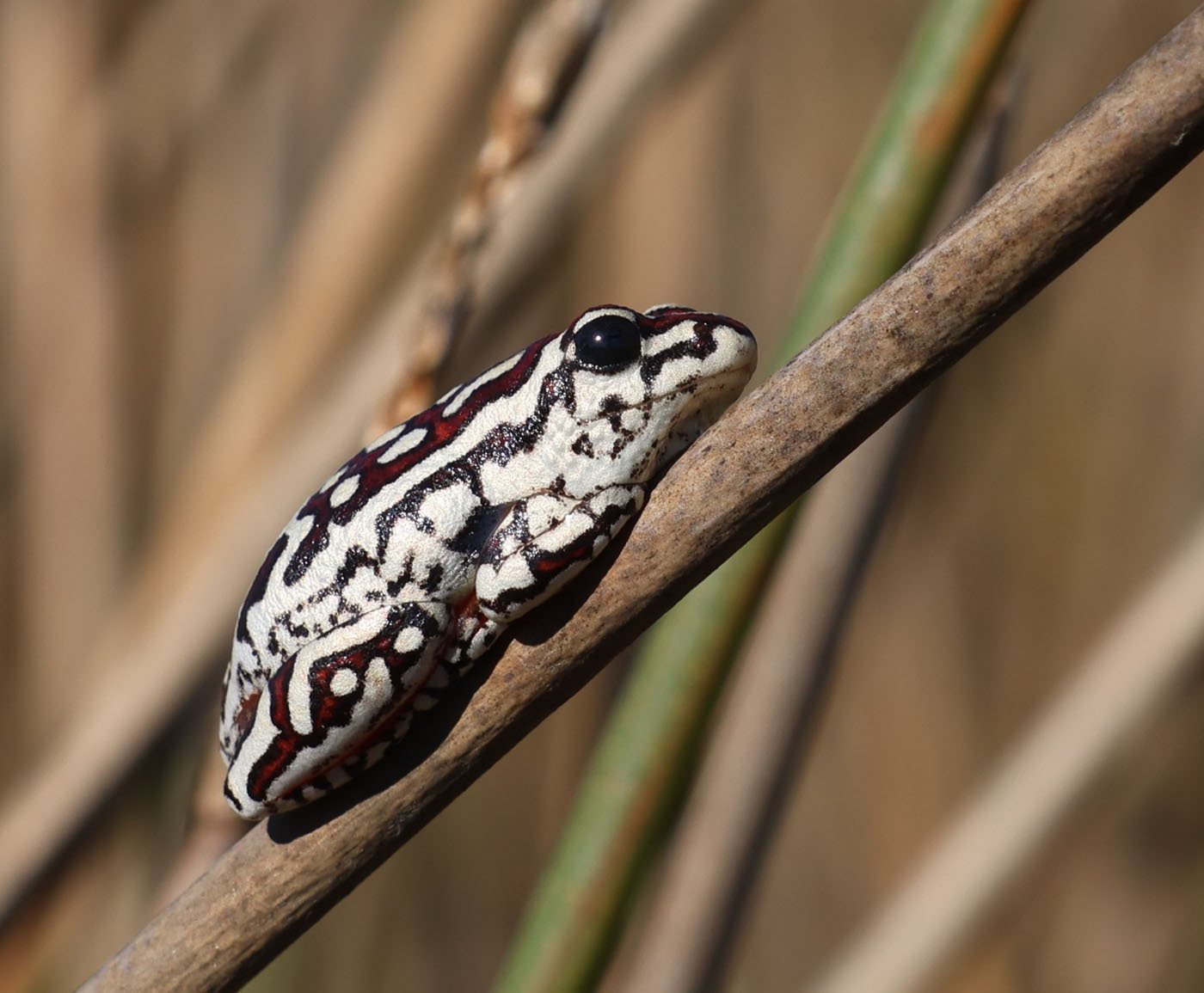
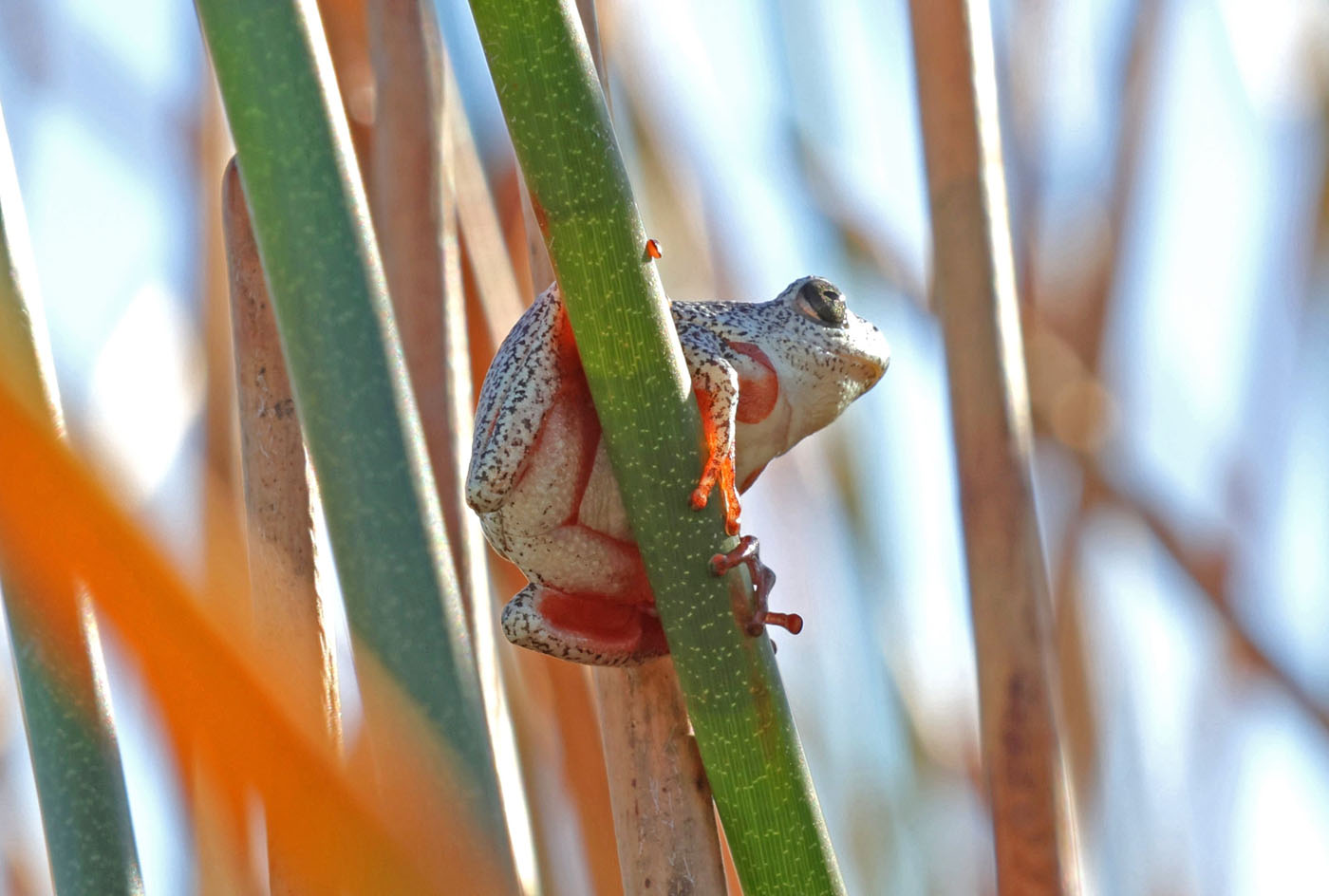
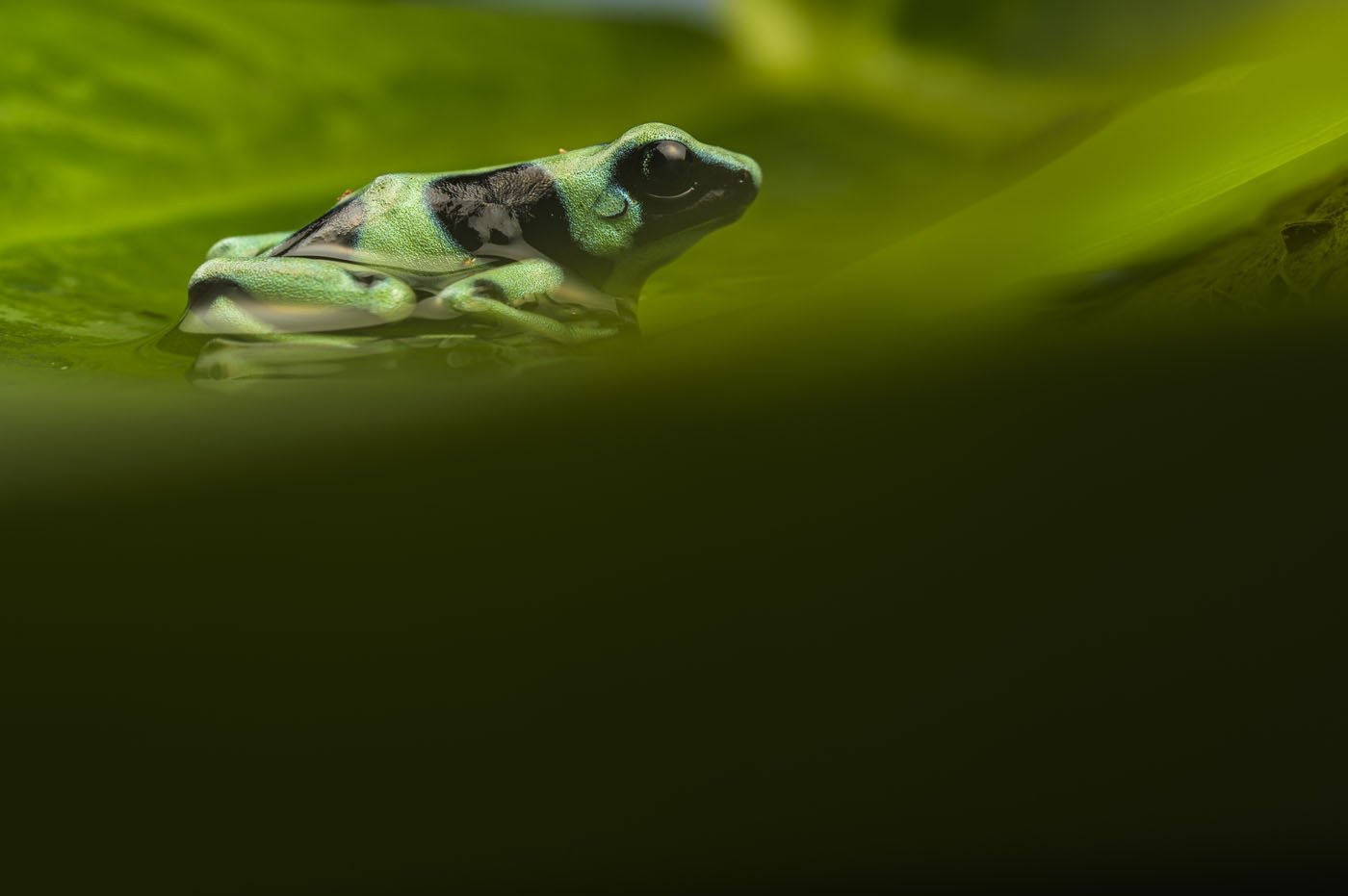
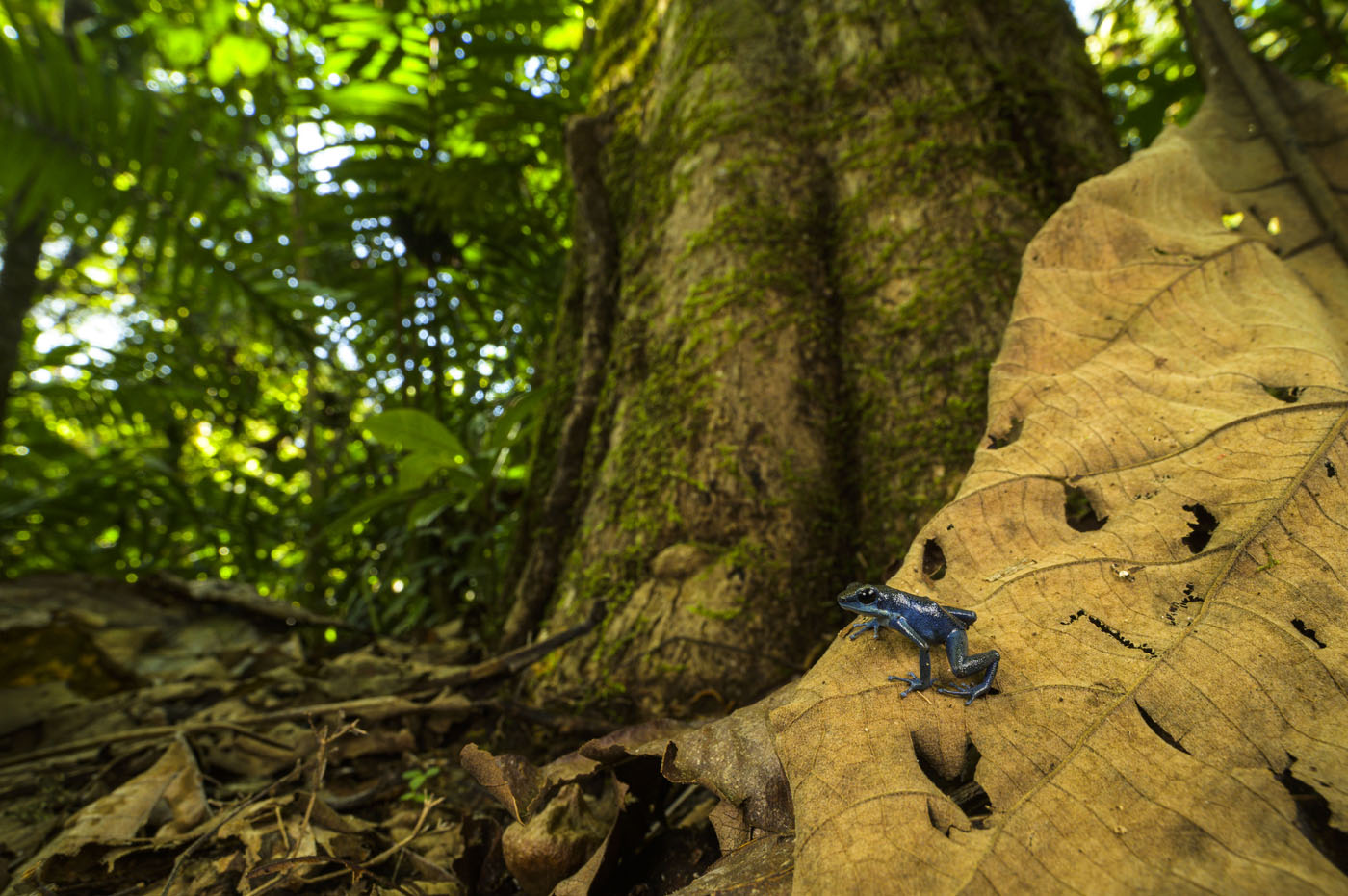

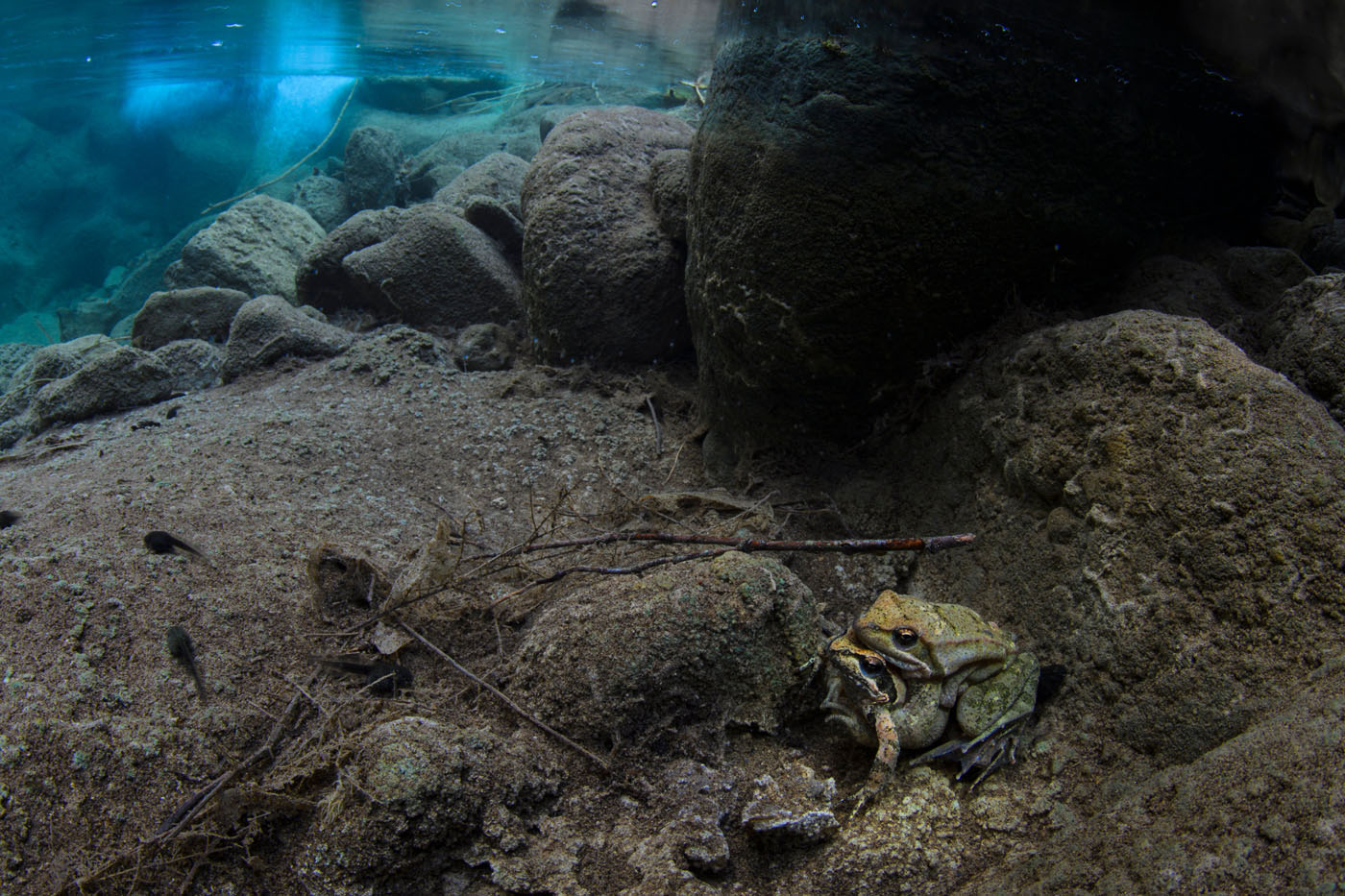
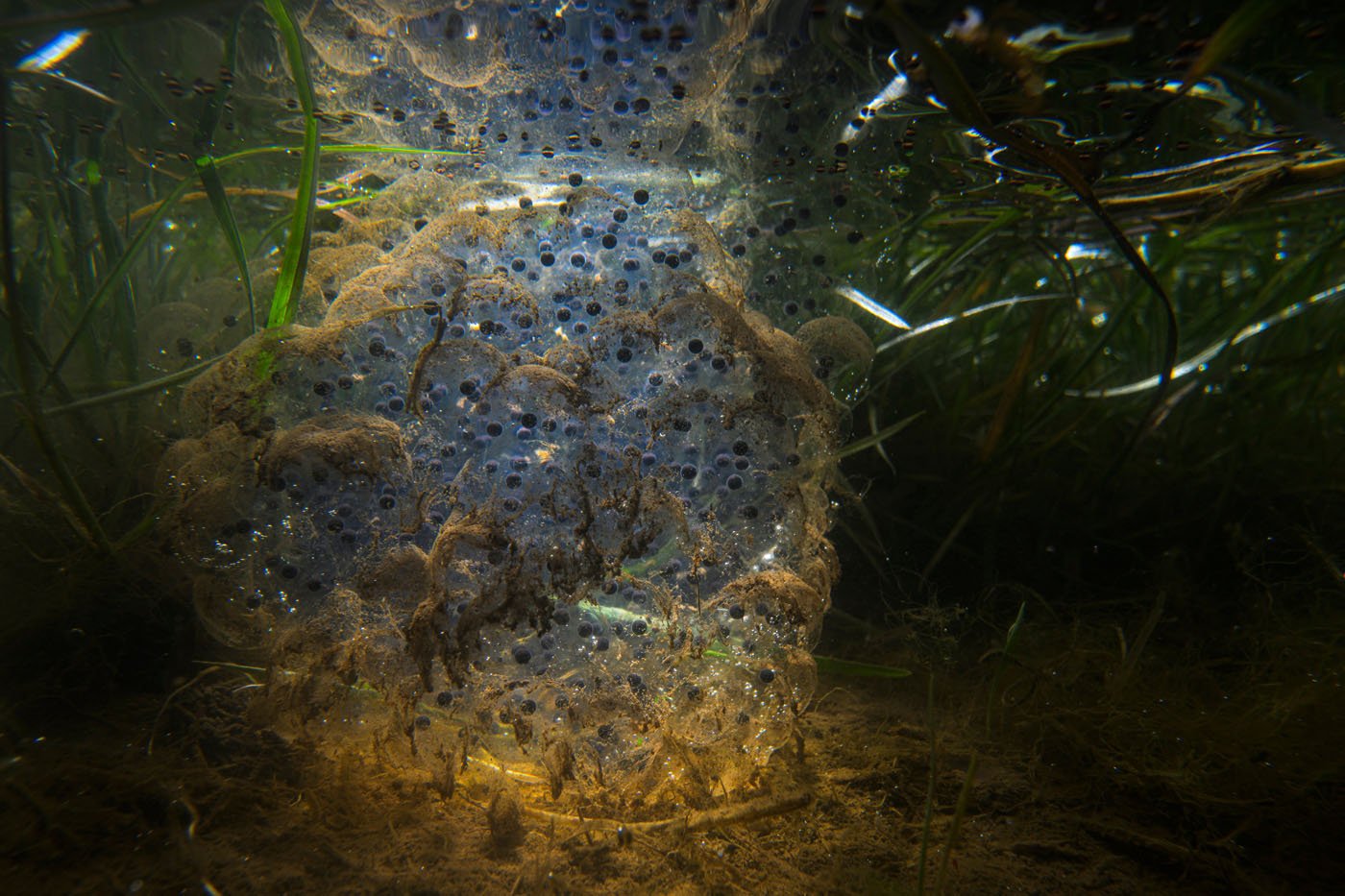
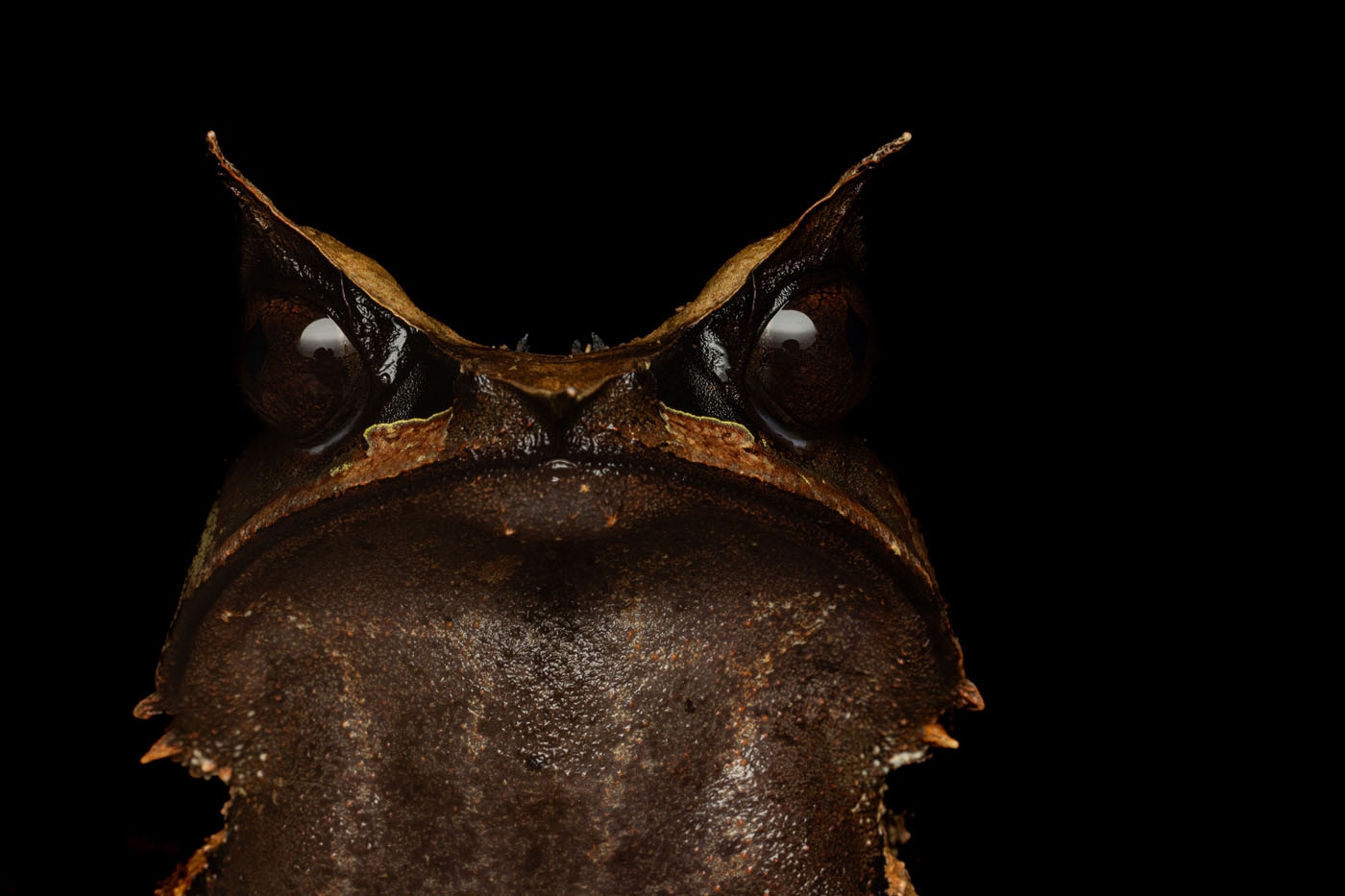
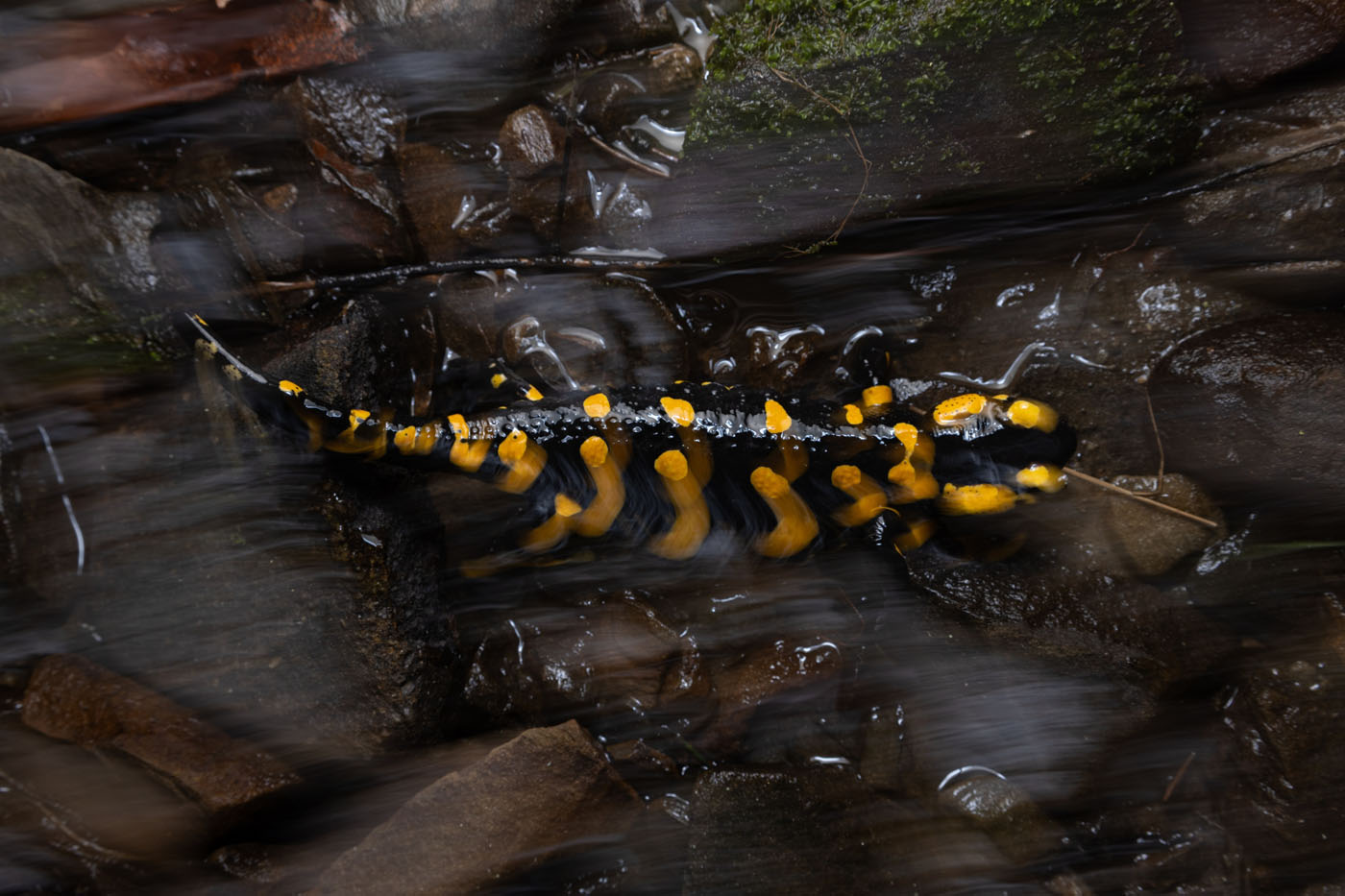
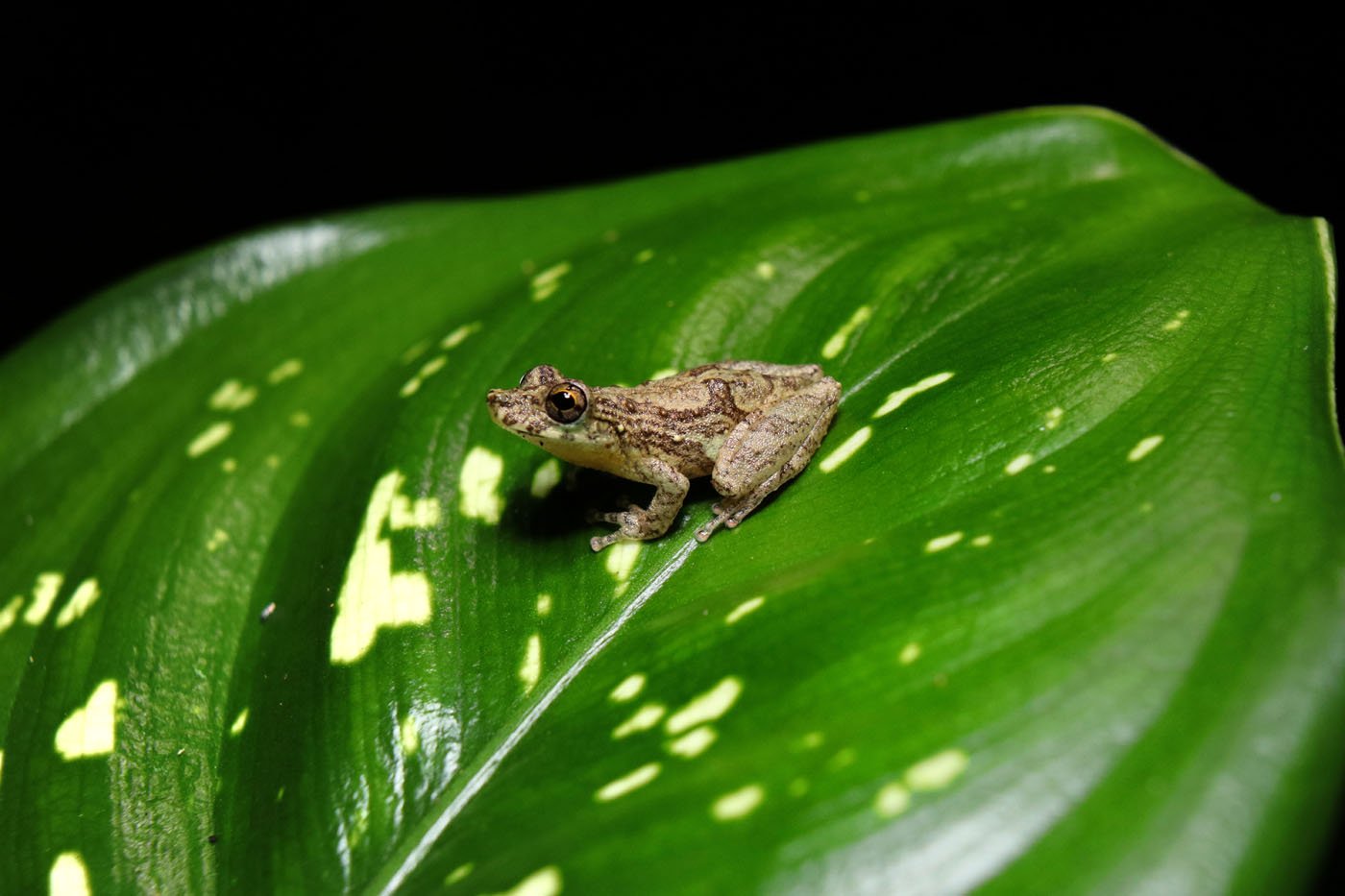
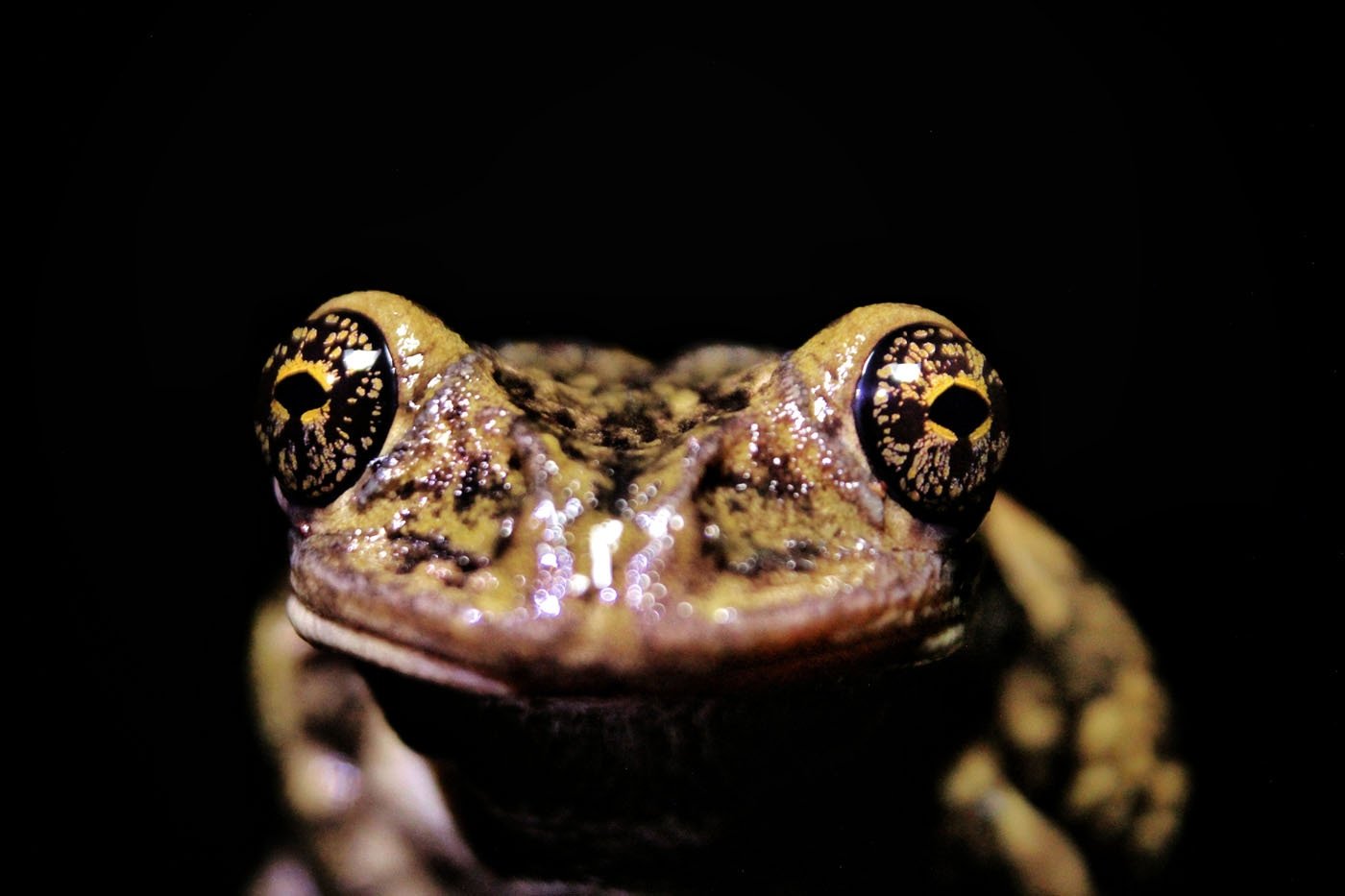
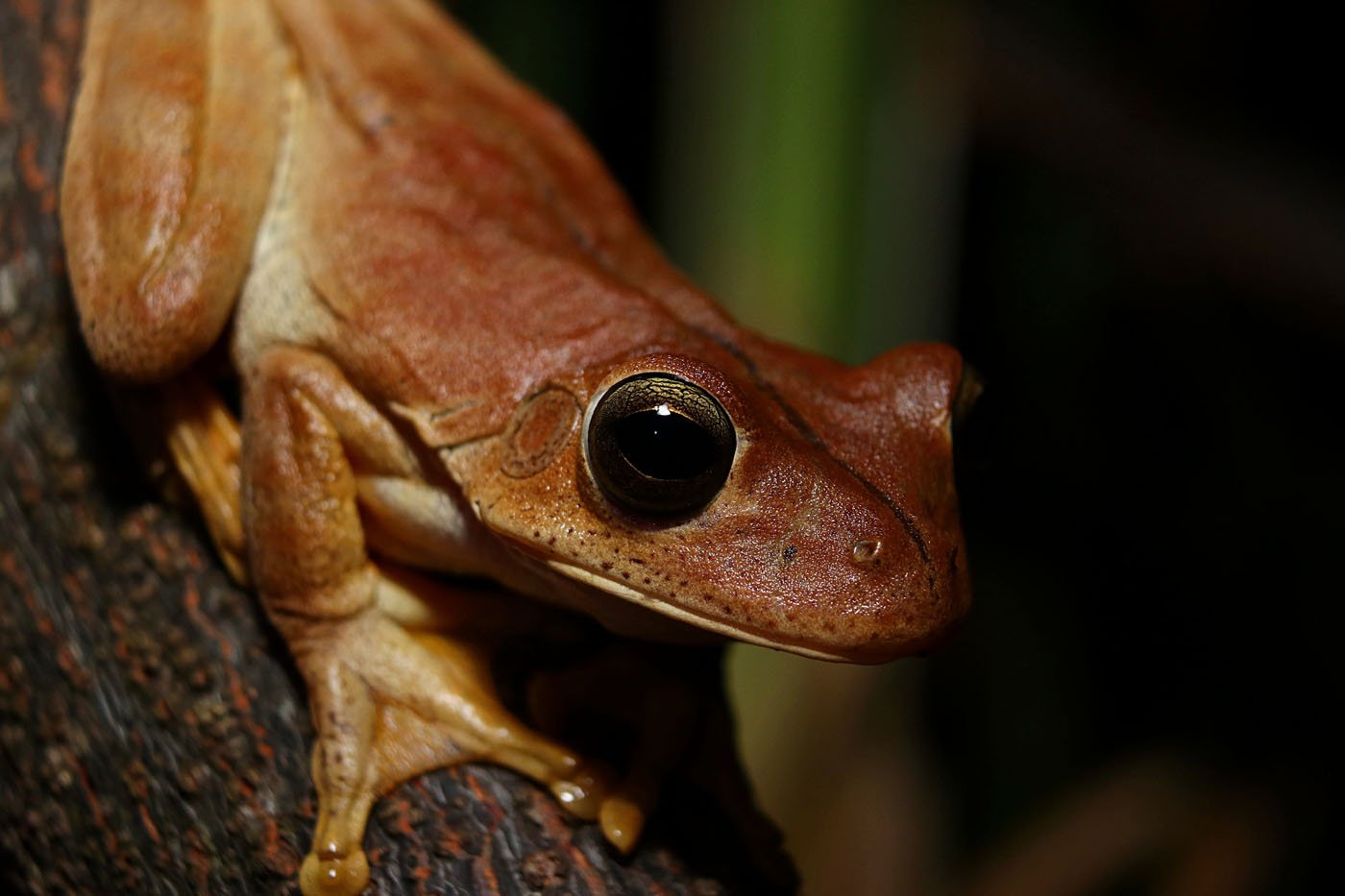
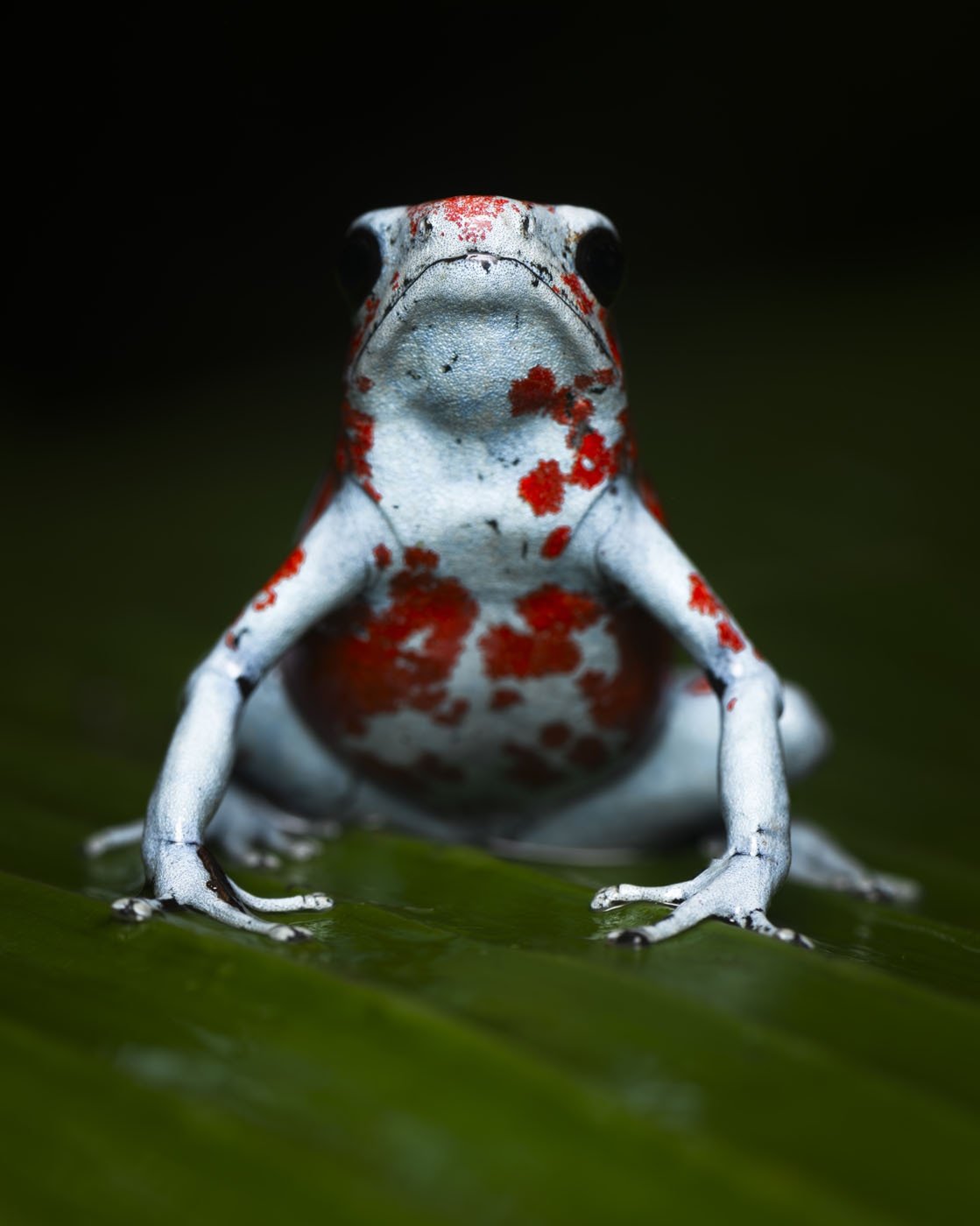



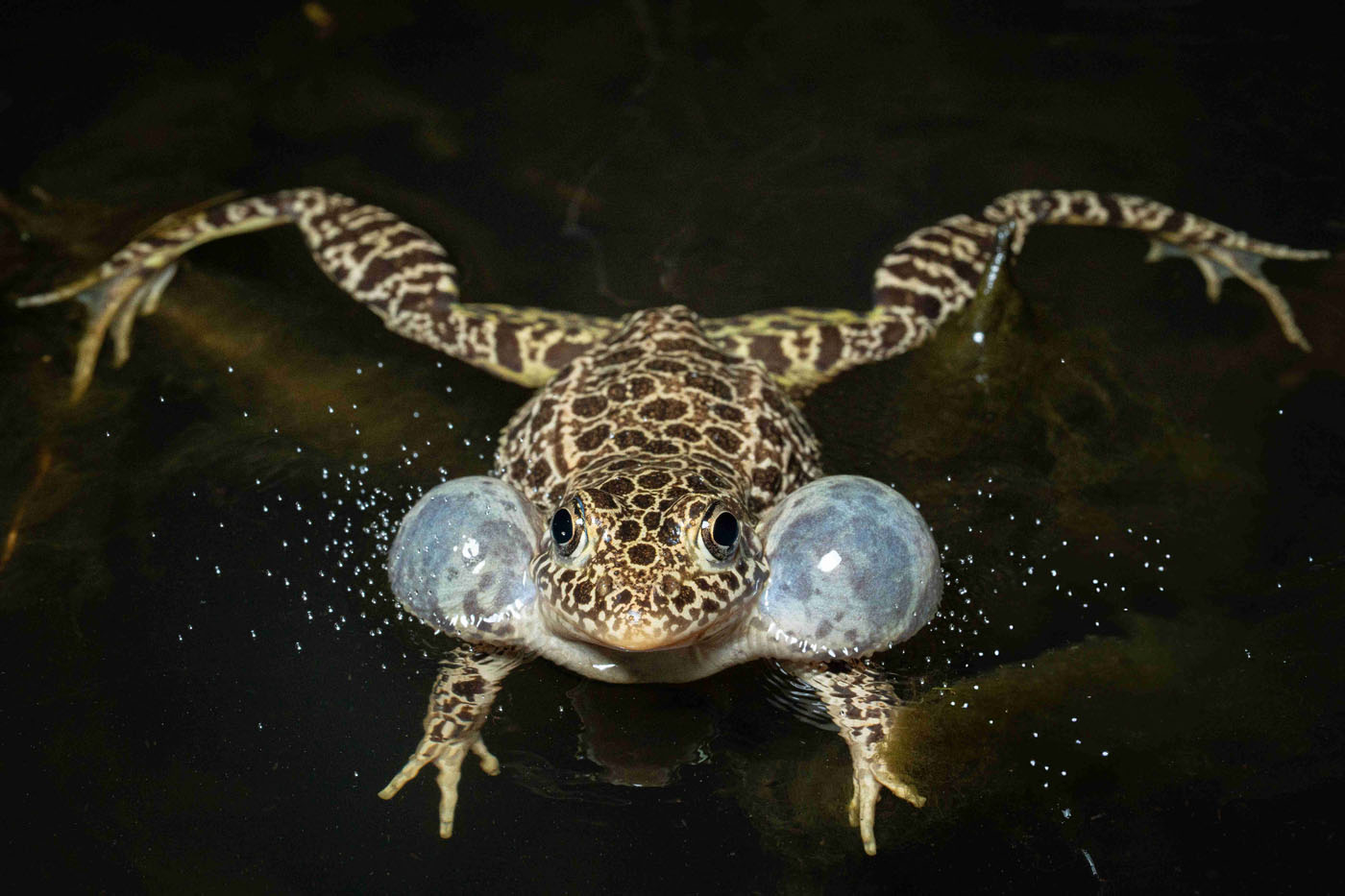
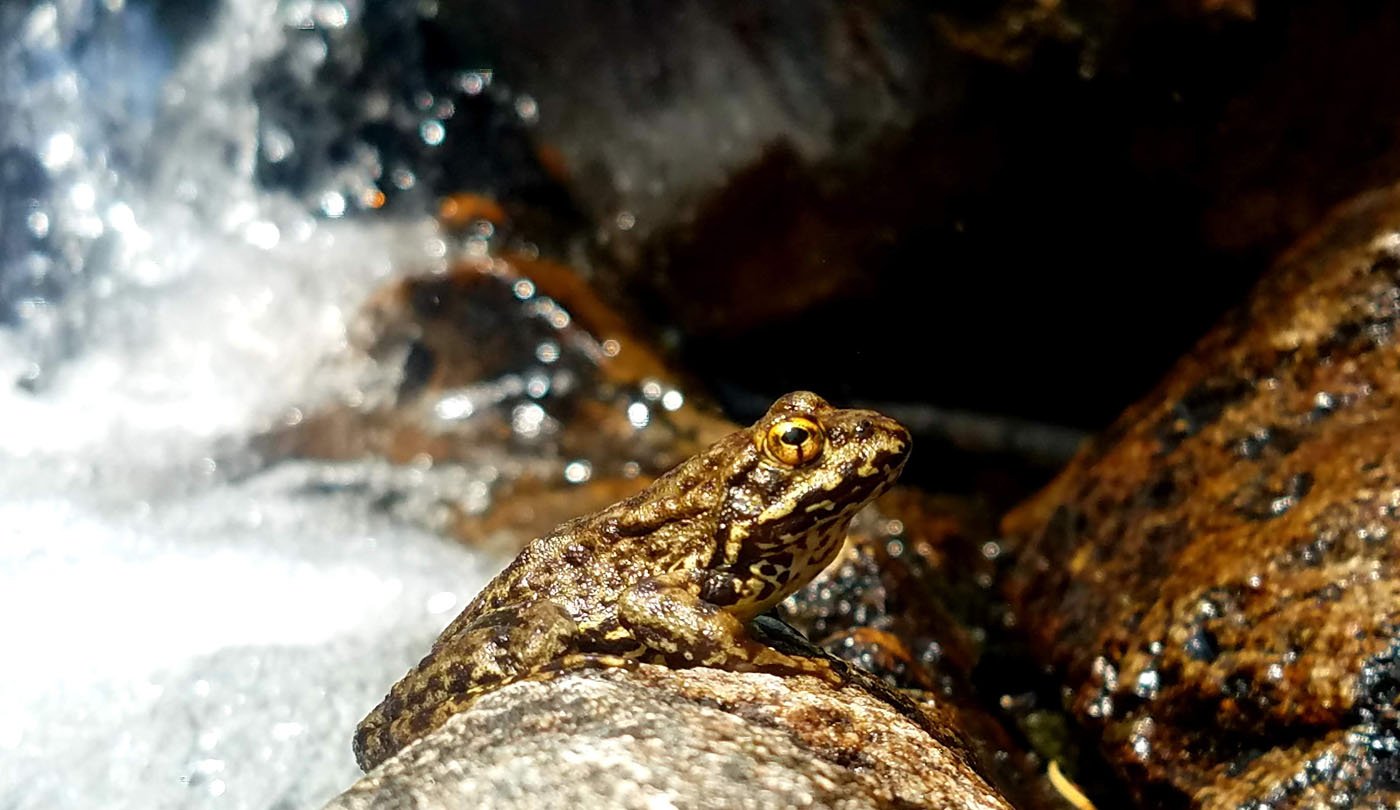
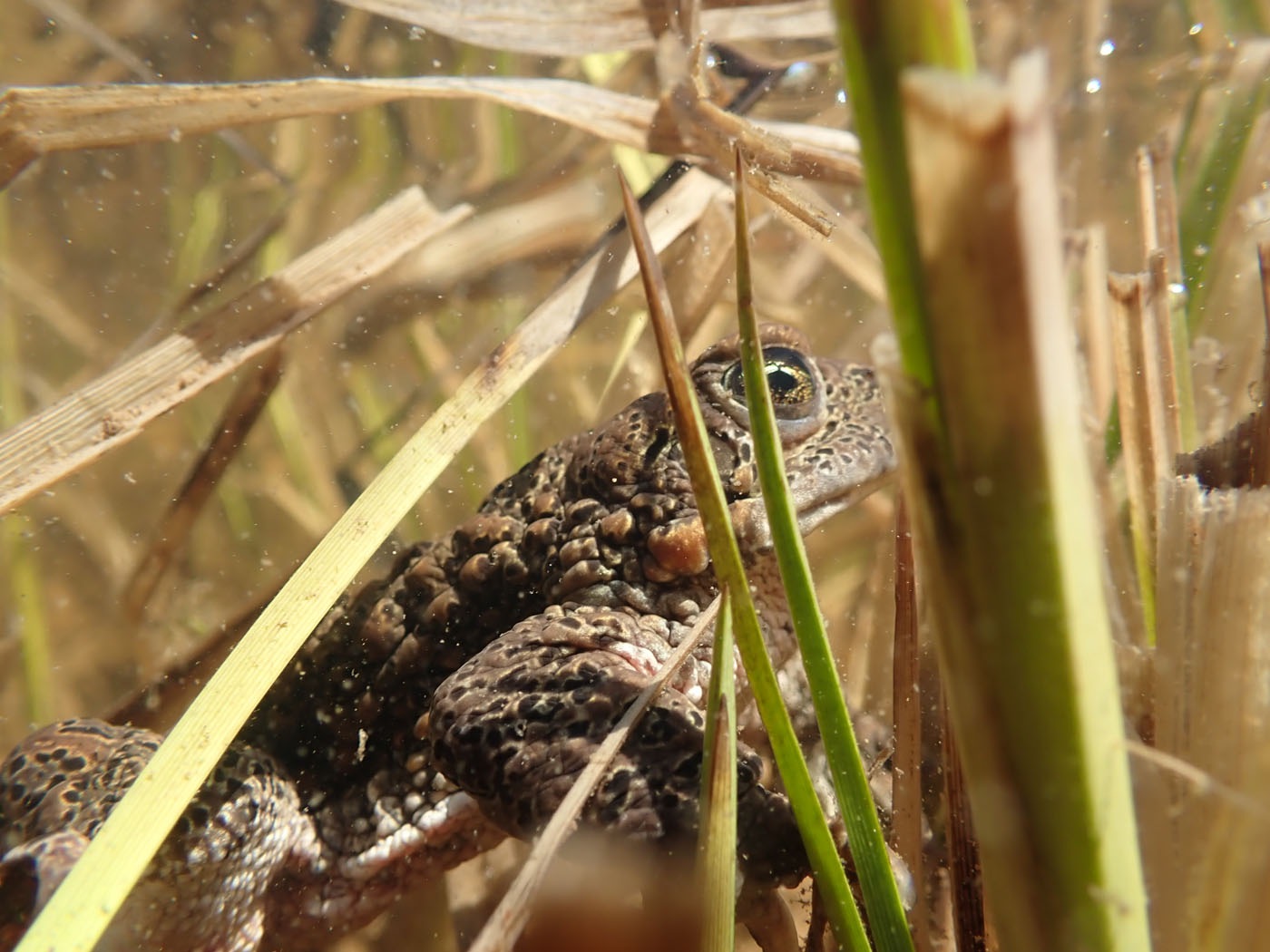
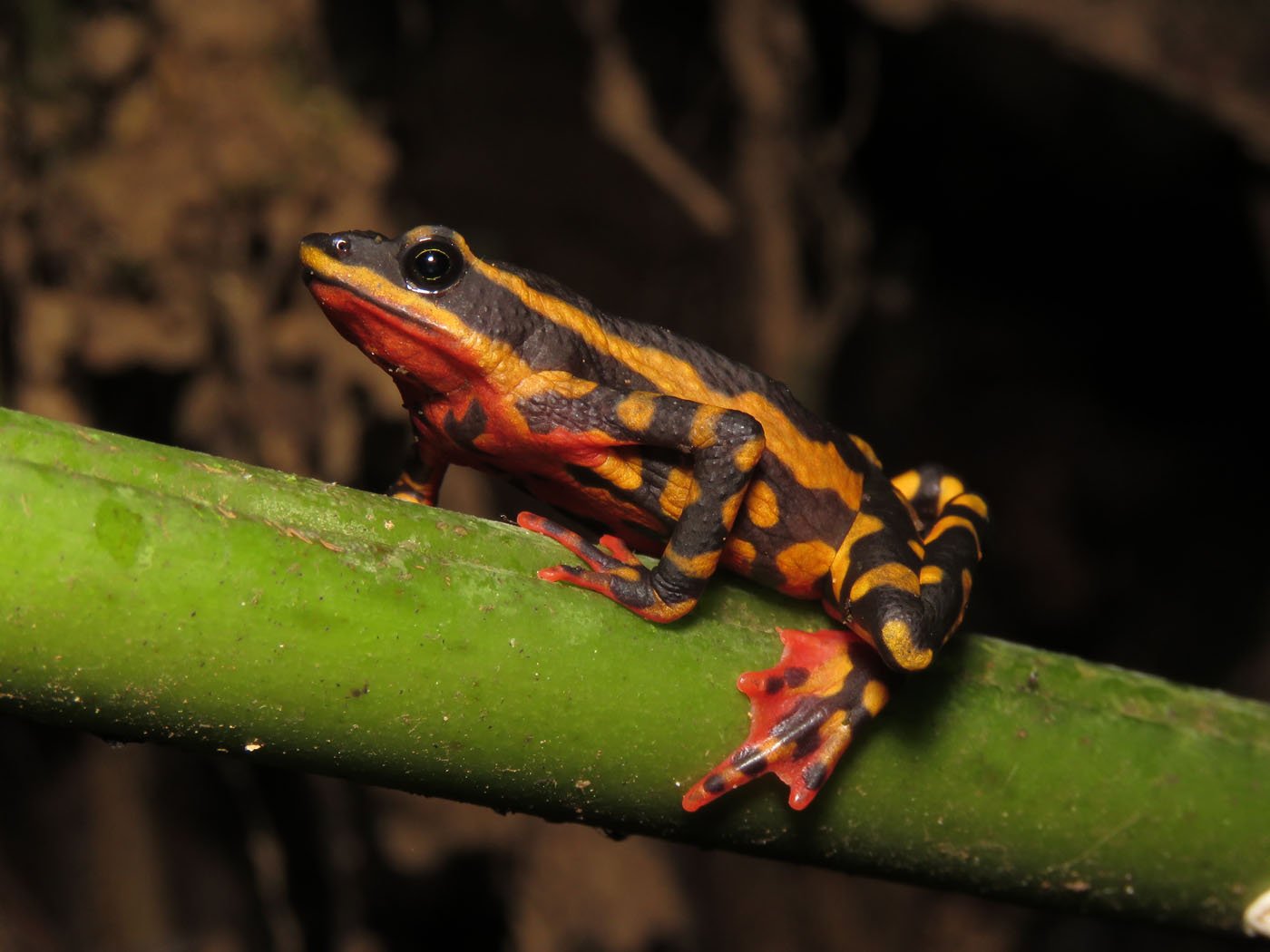
2025 SAVE THE FROGS! Photo Contest Summary
The 2025 SAVE THE FROGS! Photo Contest united photographers and amphibian advocates from across the globe to celebrate the extraordinary diversity and ecological significance of frogs, toads, and salamanders. This year’s contest showcased breathtaking imagery that both honors these remarkable creatures and raises awareness about the urgent conservation challenges they face.
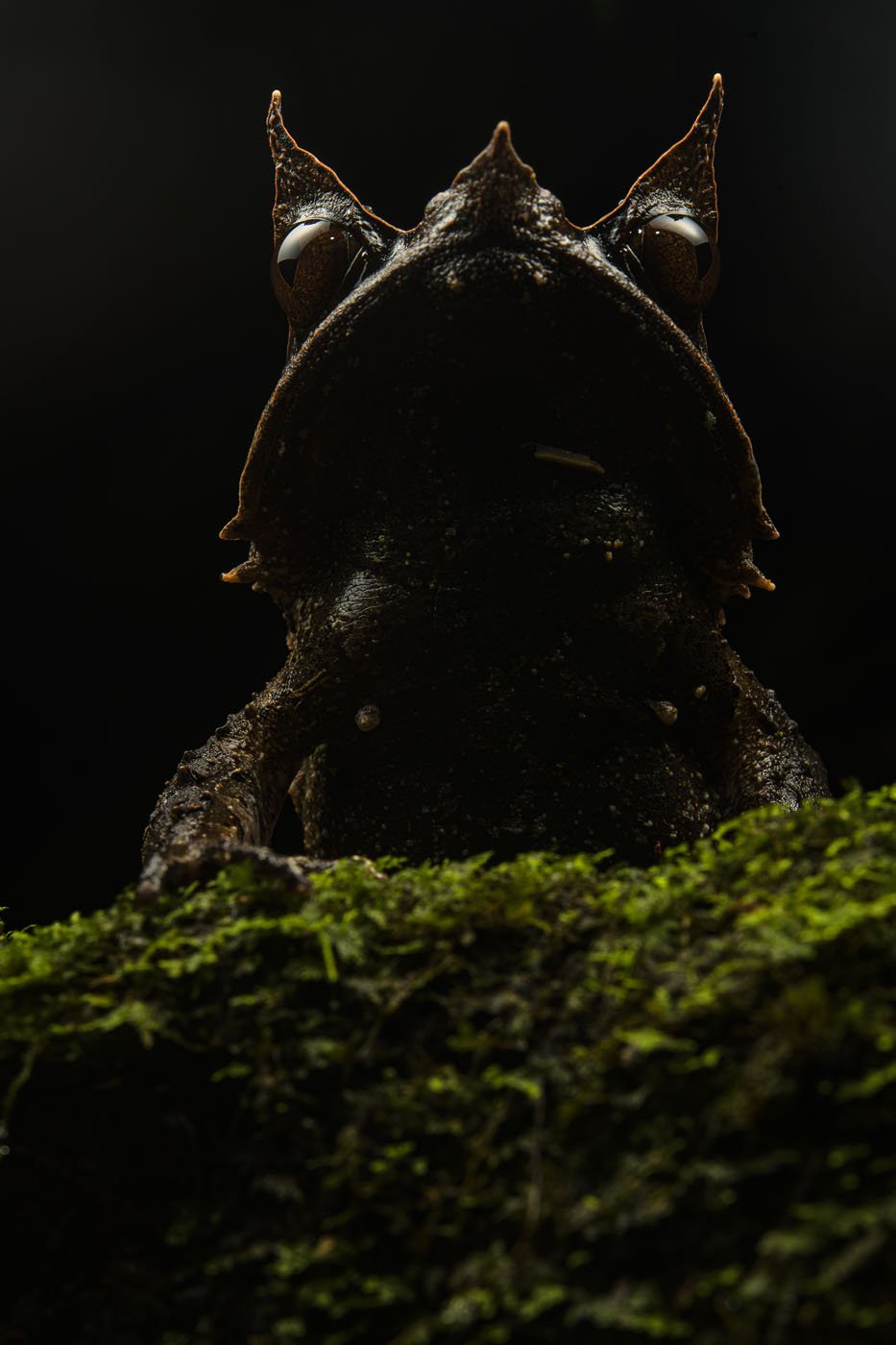
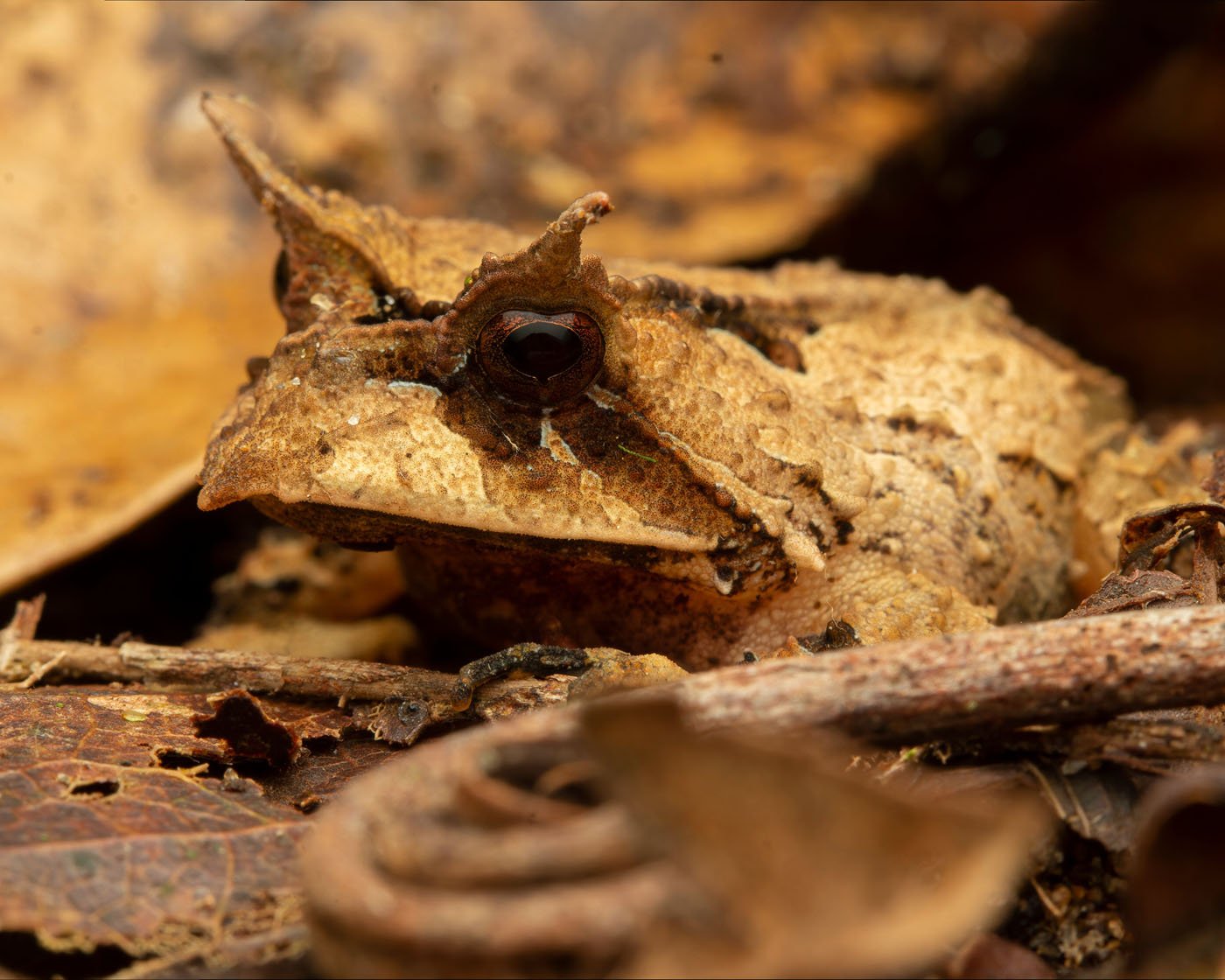
Entries came from six continents, reflecting the worldwide commitment to amphibian protection. Photographers from South Africa, Malaysia, Bolivia, Italy, China, and dozens of other nations submitted captivating images of amphibians in their natural habitats. From the jewel-like poison dart frogs of South America to the cryptic horned frogs of Southeast Asia, the contest featured species from nearly every major ecosystem, underscoring amphibians’ vital role in global biodiversity.
The Grand Prize went to Tim Brammer of South Africa for his stunning portrait of a Yellow-spotted Tree Frog (Leptopelis flavomaculatus) photographed on Mt. Mabu in Mozambique. The judges were captivated by the frog’s vivid colors, the technical excellence of the composition, and the photograph’s powerful representation of the threatened South East African Montane Archipelago Ecoregion – one of the world’s most endangered habitats.
Second Place was awarded to Mohamed Meeran Syed of India for his mesmerizing image of the Malabar Gliding Frog (Rhacophorus pseudomalabaricus) resting quietly in the forests of Munnar, India, its body adorned with striking green-and-yellow stripes. Third Place went to Massimo Bloch of Switzerland for his remarkable photograph of a Ranitomeya summersi poison frog carrying a tadpole on its back – a beautiful documentation of the extraordinary parental care exhibited by these Peruvian gems.
Alex Staffen earned the Best Salamander Photo award for his intimate portrait of the elusive Samwel Shasta Salamander (Hydromantes samweli), a micro-endemic California species threatened by habitat loss. His work reminds us that every sighting of rare species represents an opportunity—and responsibility—to protect what remains.
The contest’s finalists contributed equally compelling images, making 2025 another extraordinary celebration of photography and conservation. Many participants shared their personal journeys: biologists documenting species new to science, educators using photography to transform fear into fascination, and hobbyists discovering conservation passion through their cameras.
“The 2025 entries demonstrated not just technical skill, but deep understanding of amphibian natural history and genuine commitment to conservation,” said SAVE THE FROGS! Founder Dr. Kerry Kriger. “These photographers are documenting species that may disappear within our lifetimes—making their work both artistically powerful and scientifically invaluable.”
The SAVE THE FROGS! Photo Contest harnesses visual storytelling to inspire conservation action. These photographs educate the public about the amphibian extinction crisis, support fundraising efforts, and create educational materials that reach global audiences. Beyond showcasing beauty, they document biodiversity, reveal behaviors, and connect people emotionally to species they might never encounter in person.
We thank all participants for their exceptional contributions and unwavering dedication to amphibian conservation. The 2025 SAVE THE FROGS! Photo Contest continues serving as a vital platform for celebrating amphibian diversity, sparking conservation interest, and inspiring meaningful action worldwide. To view the winning images from past years, learn more about the contest, and enter your best amphibian photos, visit the official SAVE THE FROGS! Photo Contest webpage.
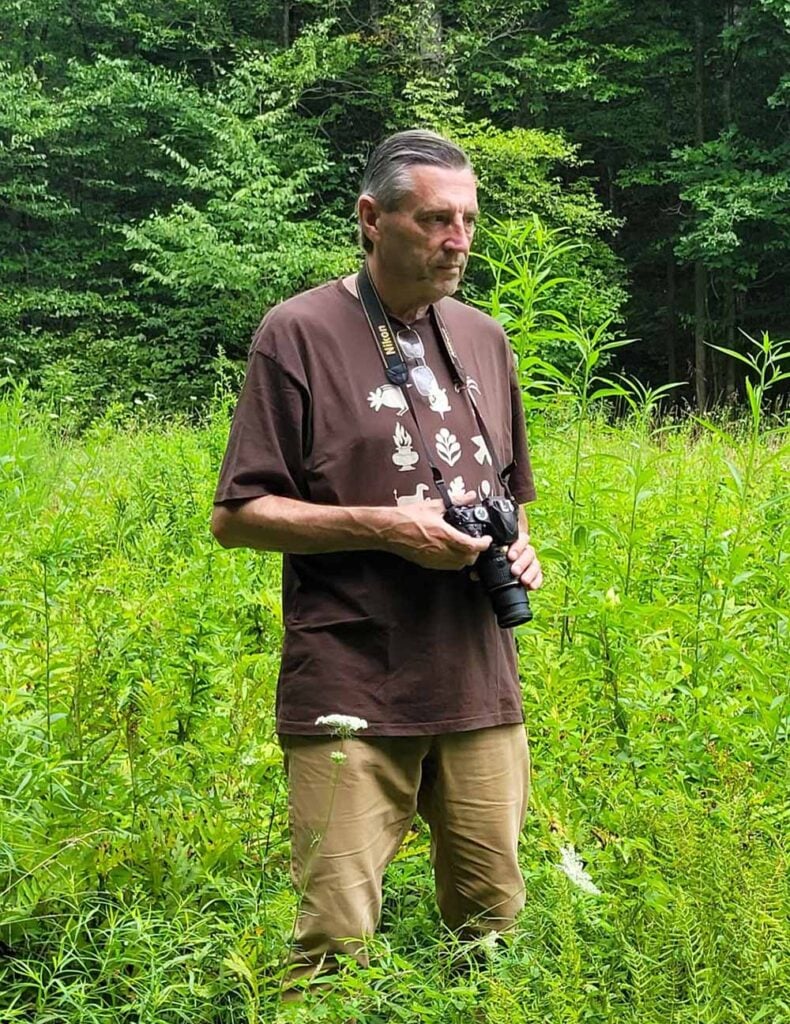
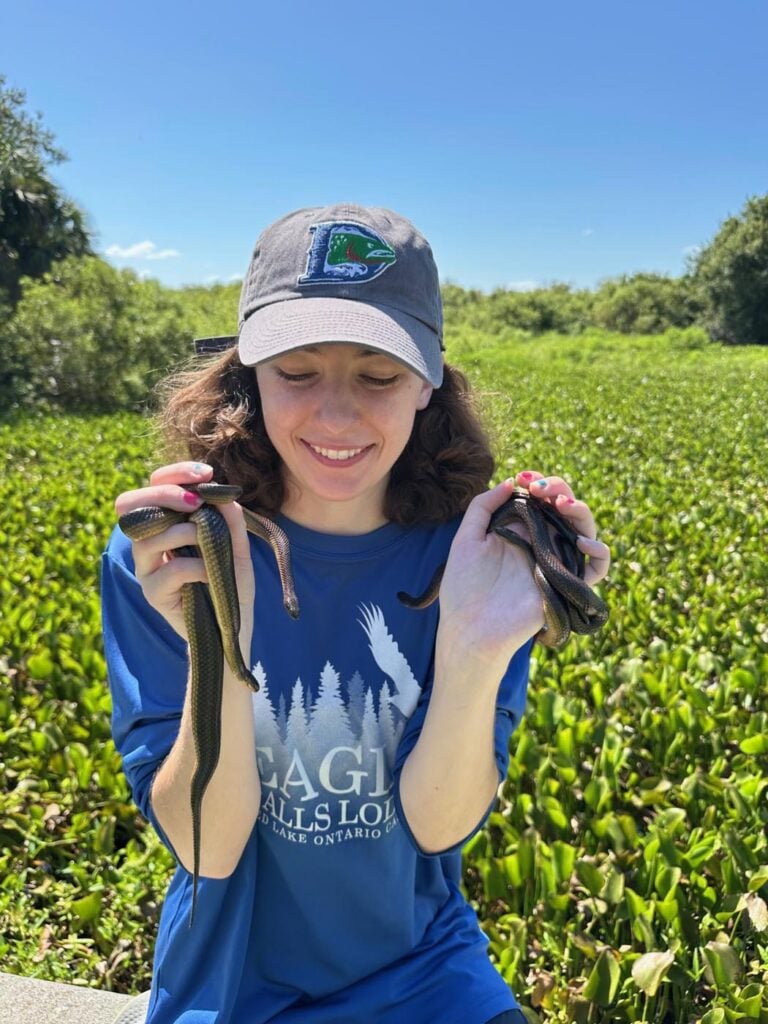
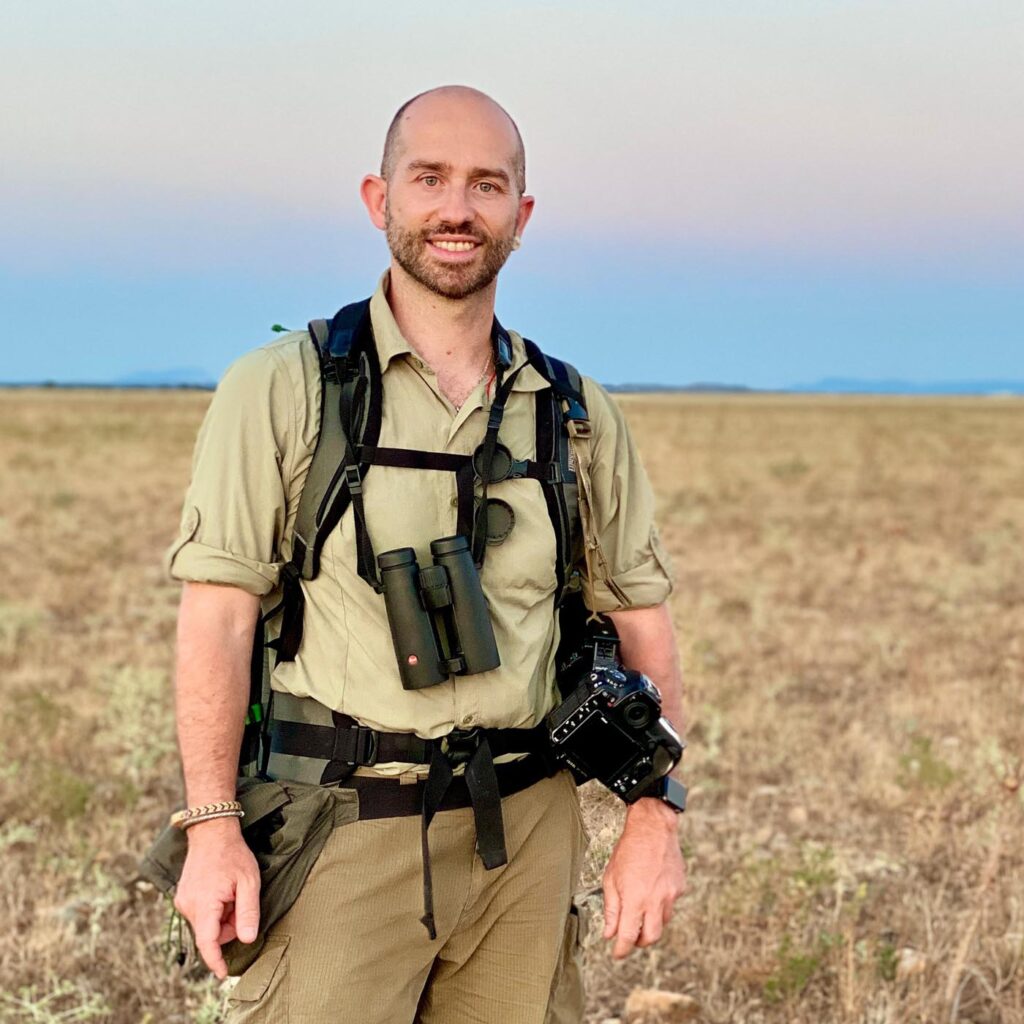

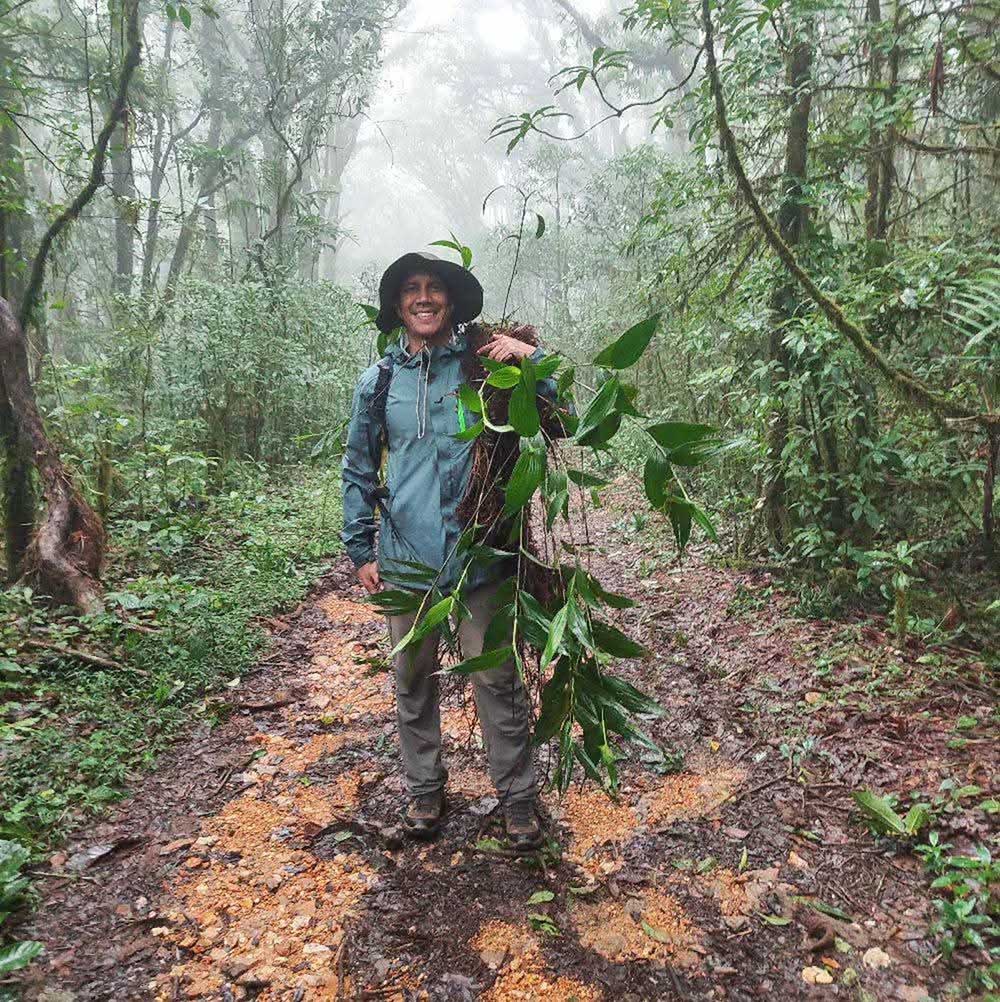


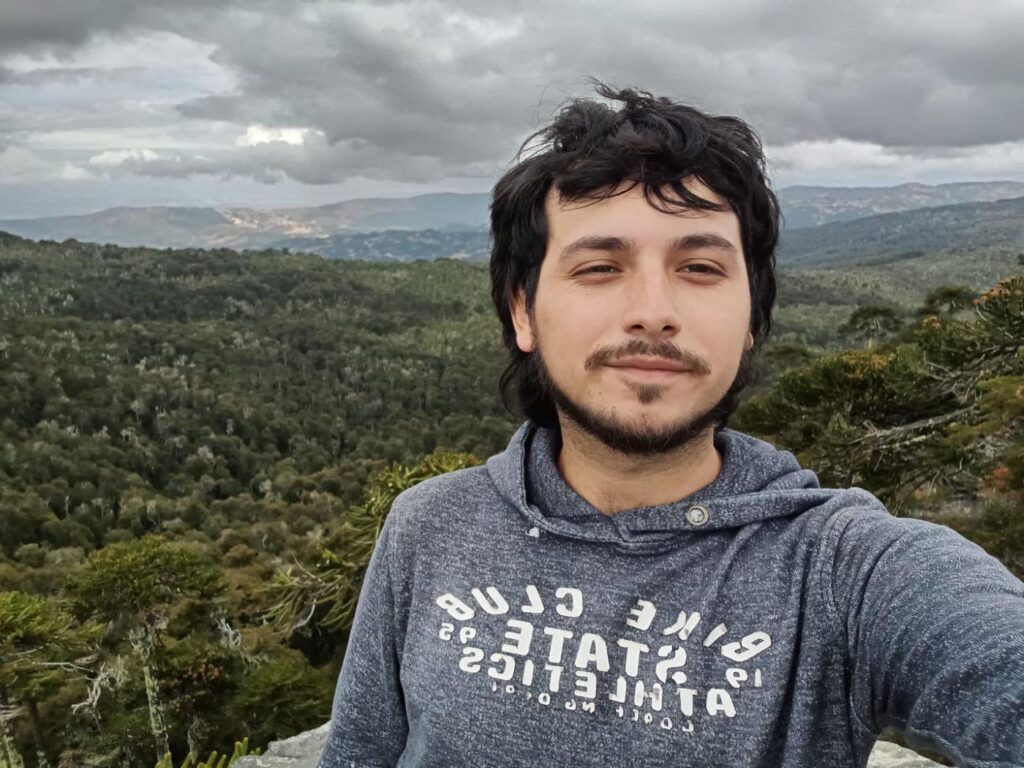


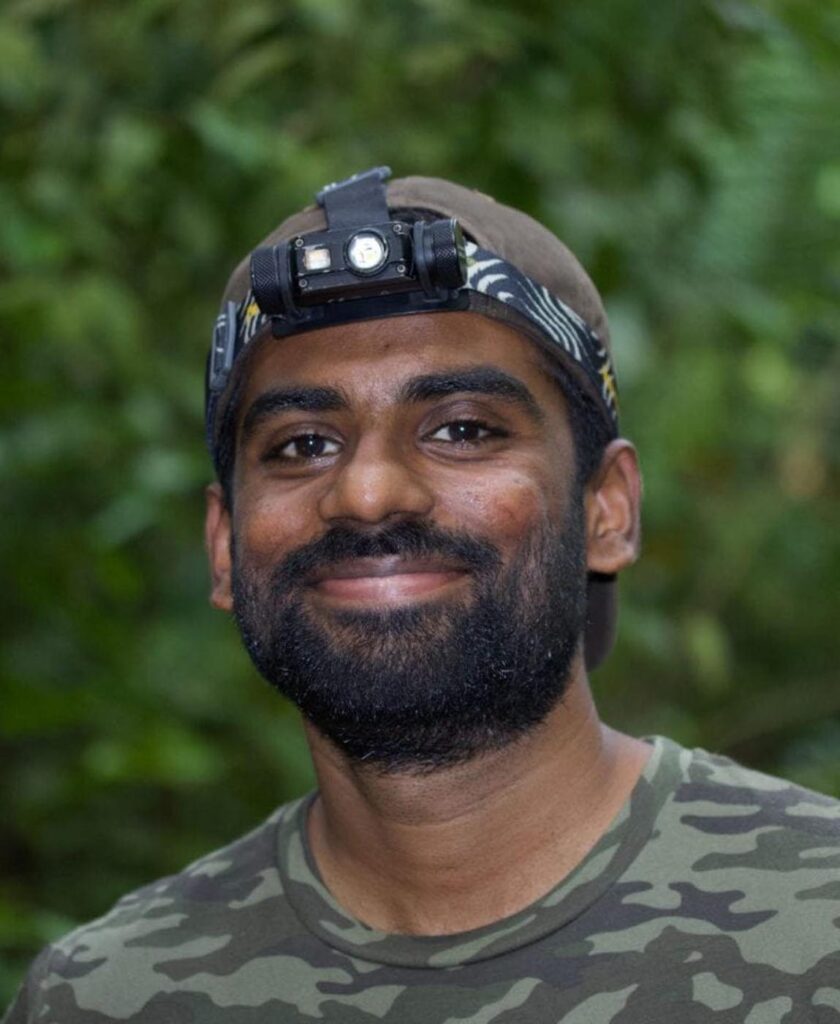
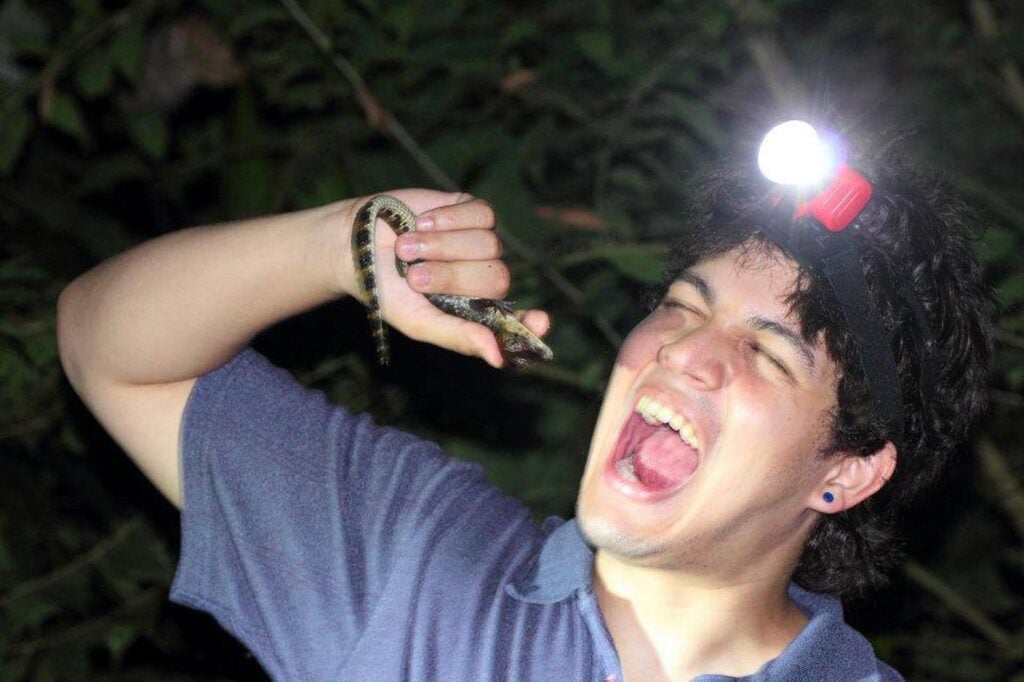
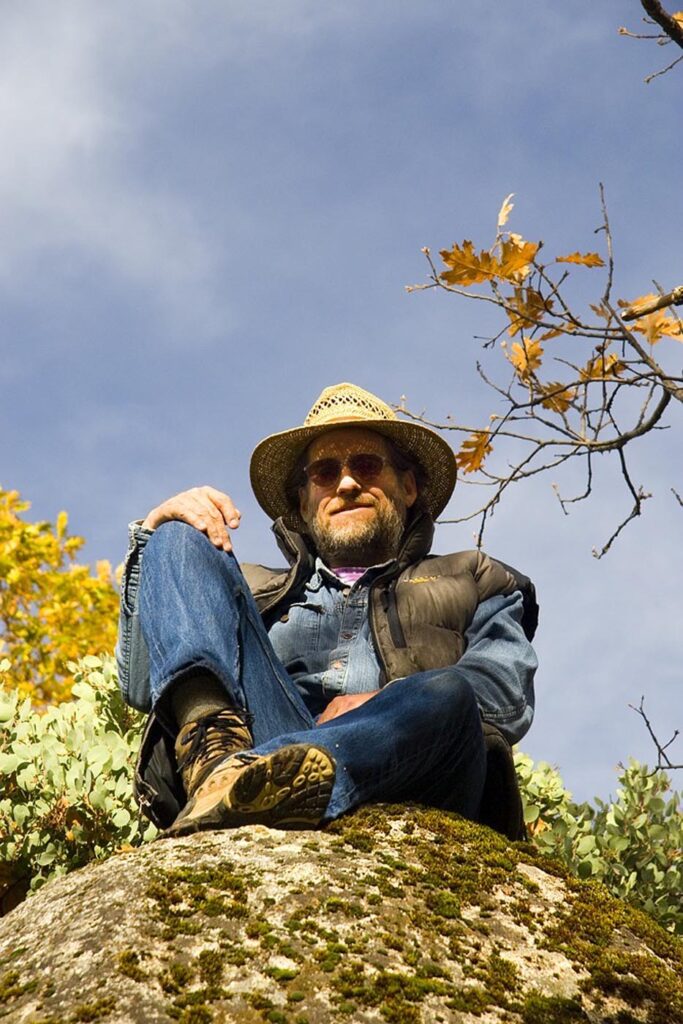
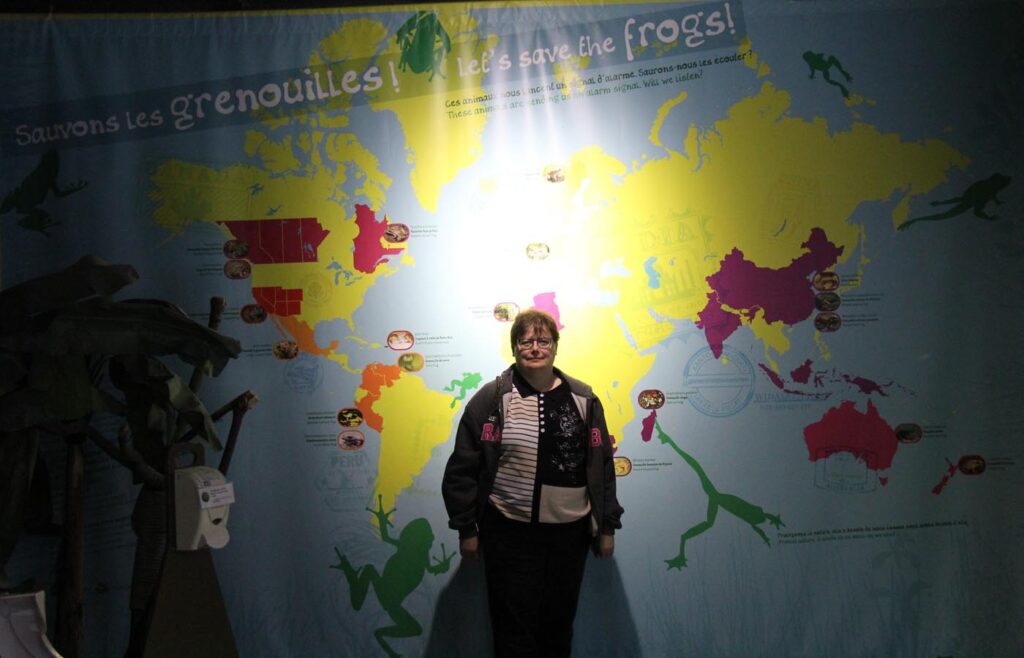
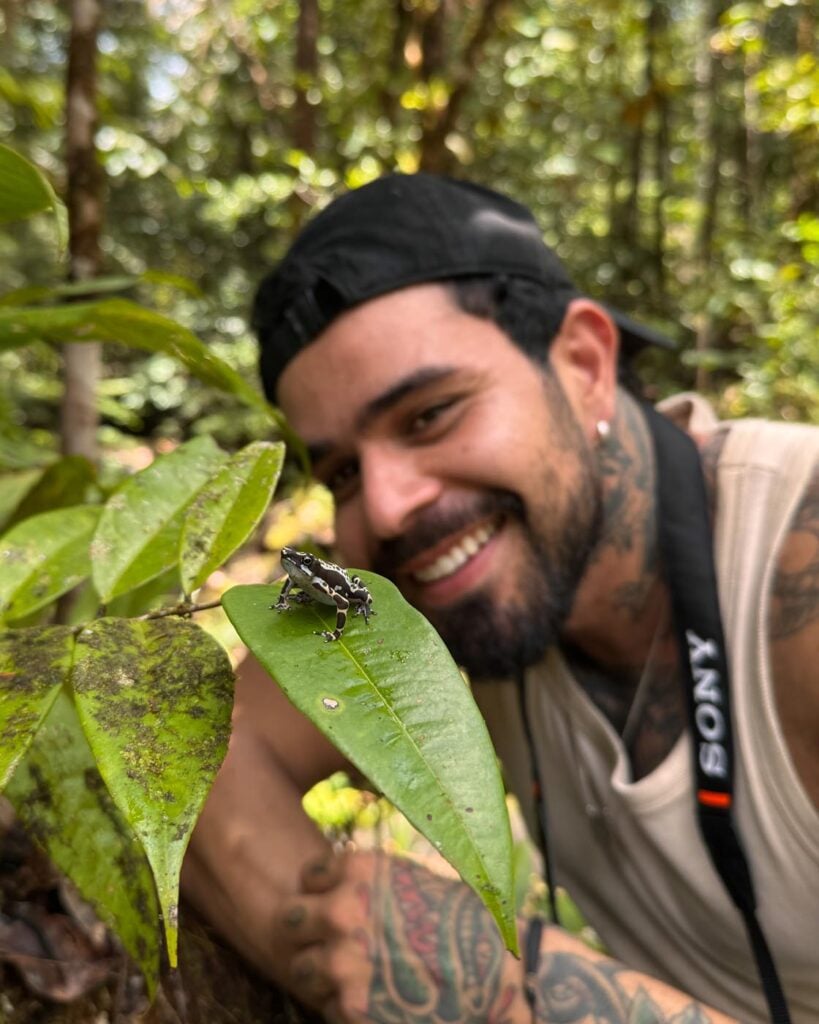
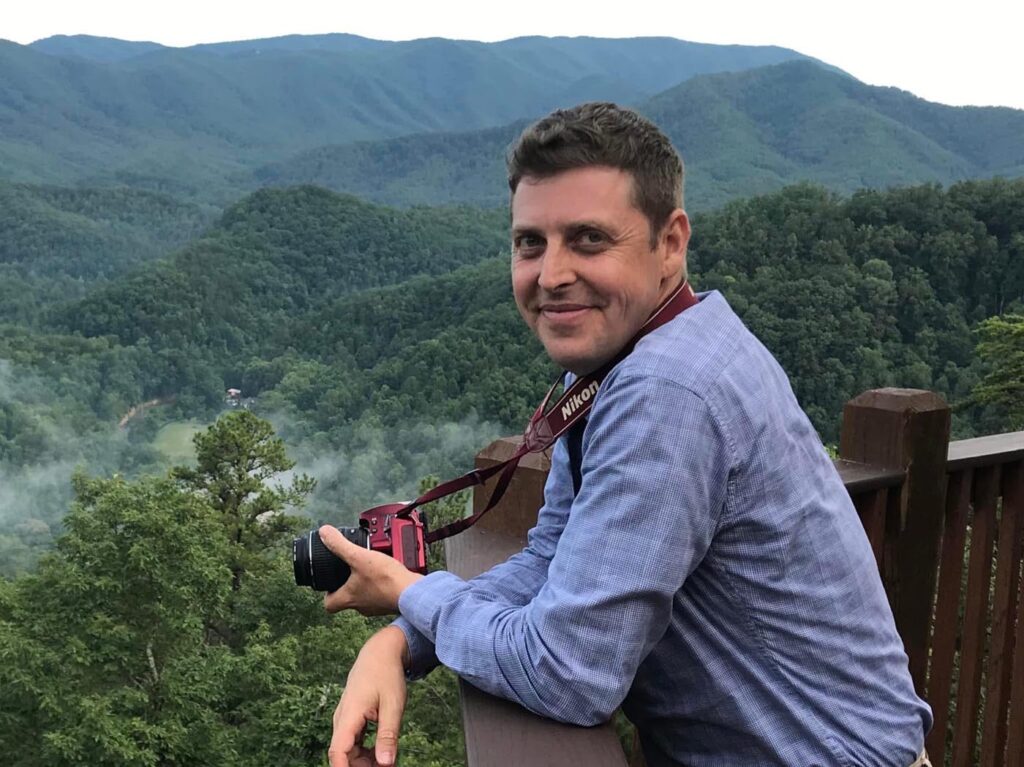
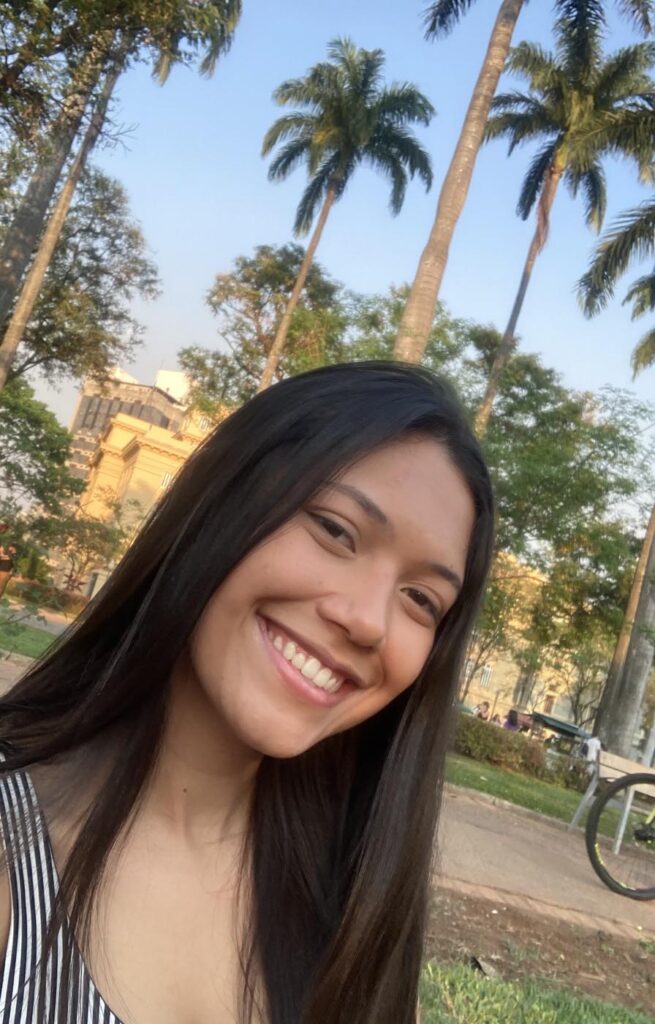
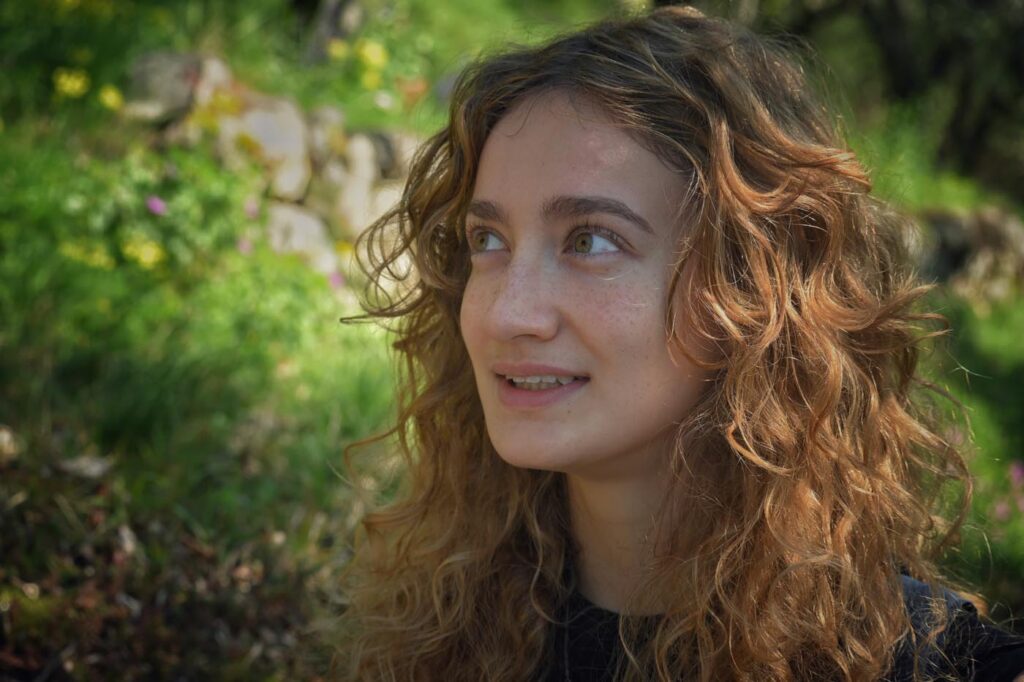

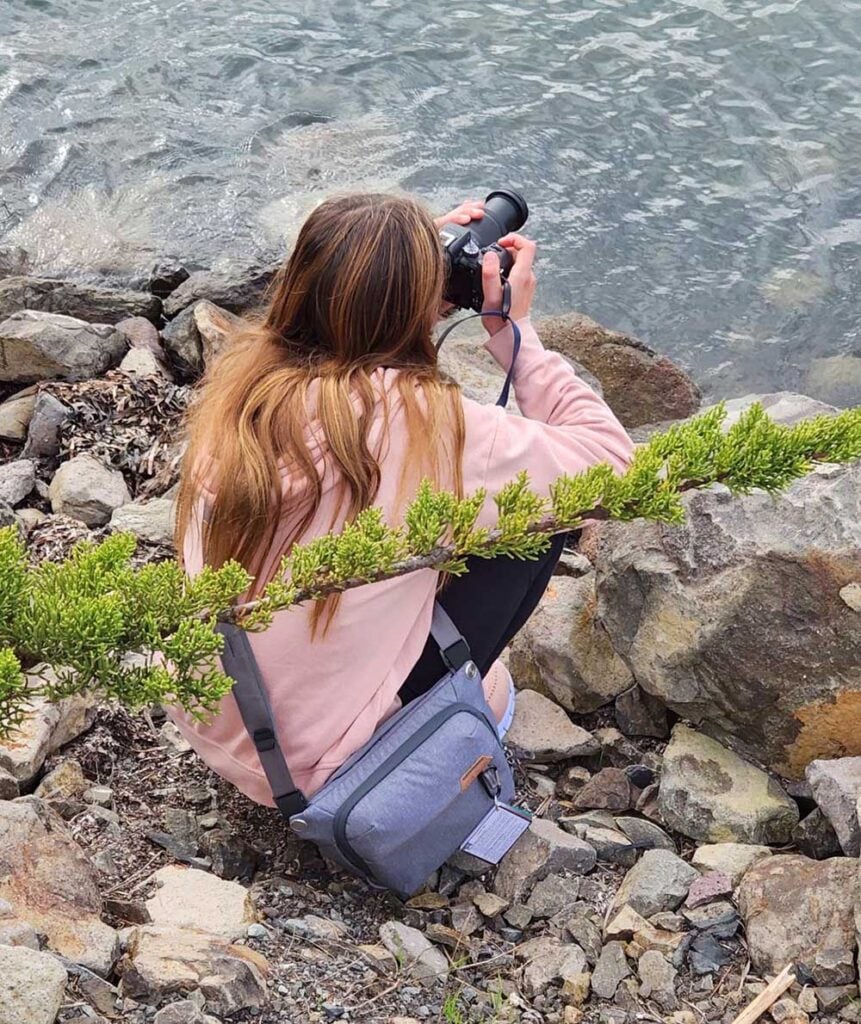
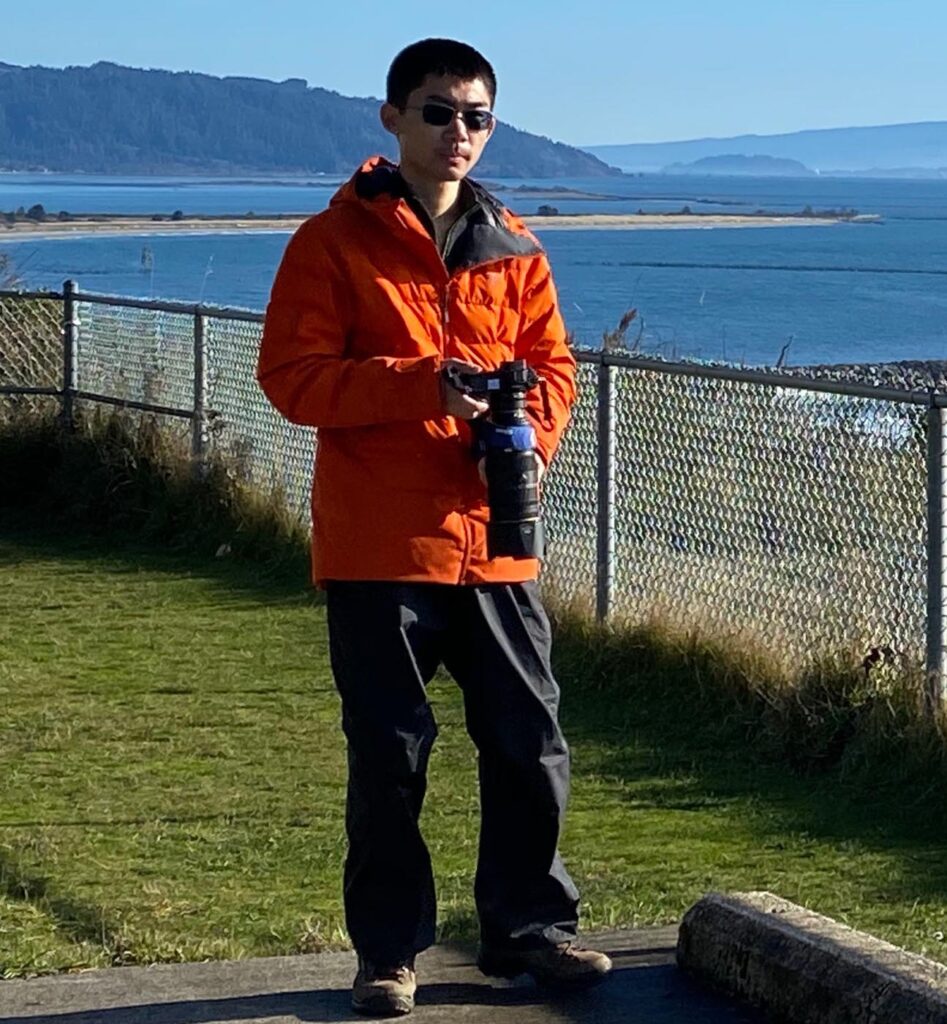
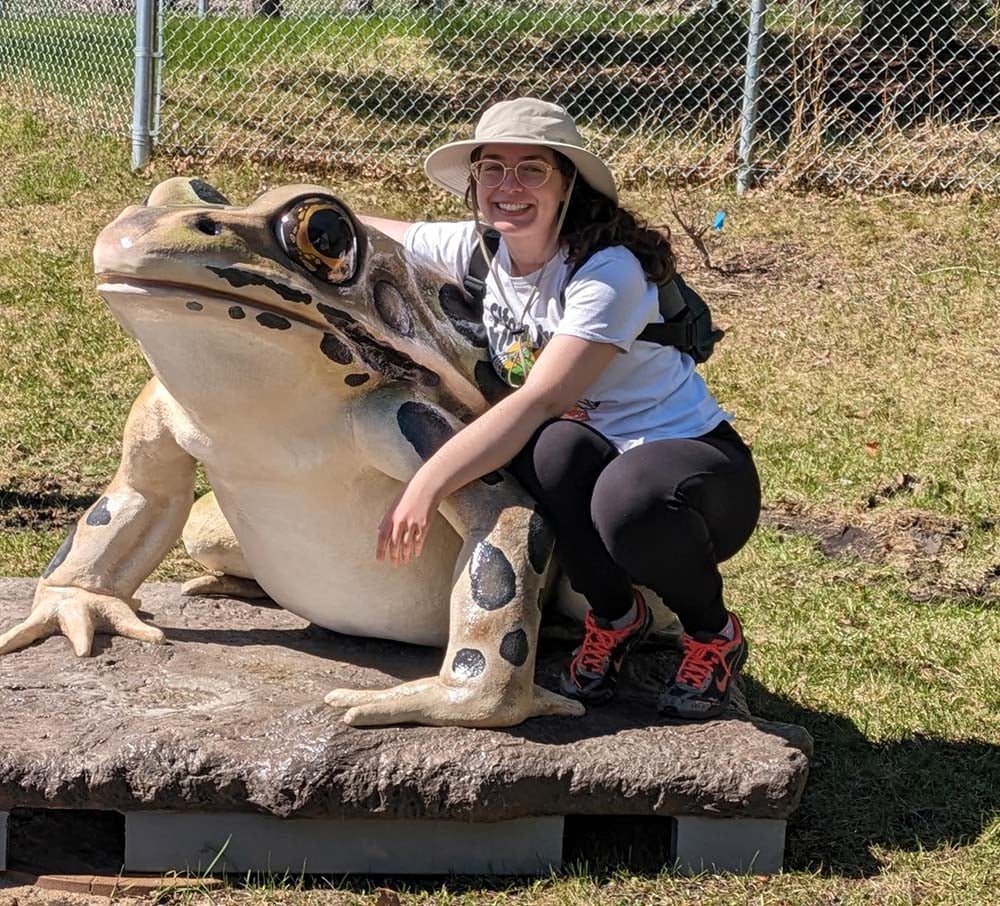
Some of the amazing photographers who took part.
Meet The Photographers
The photographers who participated in the 2025 SAVE THE FROGS! Photo Contest represent a remarkable tapestry of voices united by a profound connection to amphibians. From field biologists documenting rare endemic species to amateur naturalists discovering frogs in their backyards, their collective work reveals both the extraordinary diversity of amphibian life and the universal appeal of these remarkable creatures.
Many participants shared deeply personal journeys of discovery and transformation. Some described childhood memories of collecting tadpoles that blossomed into lifelong conservation careers, while others recounted pivotal moments—a tiny frog appearing after a rainstorm, an unexpected encounter in a remote forest—that fundamentally changed how they see the natural world. These photographers don’t simply capture images; they document relationships forged through countless hours in the field, often in challenging conditions, driven by an unwavering commitment to understanding and protecting amphibians.
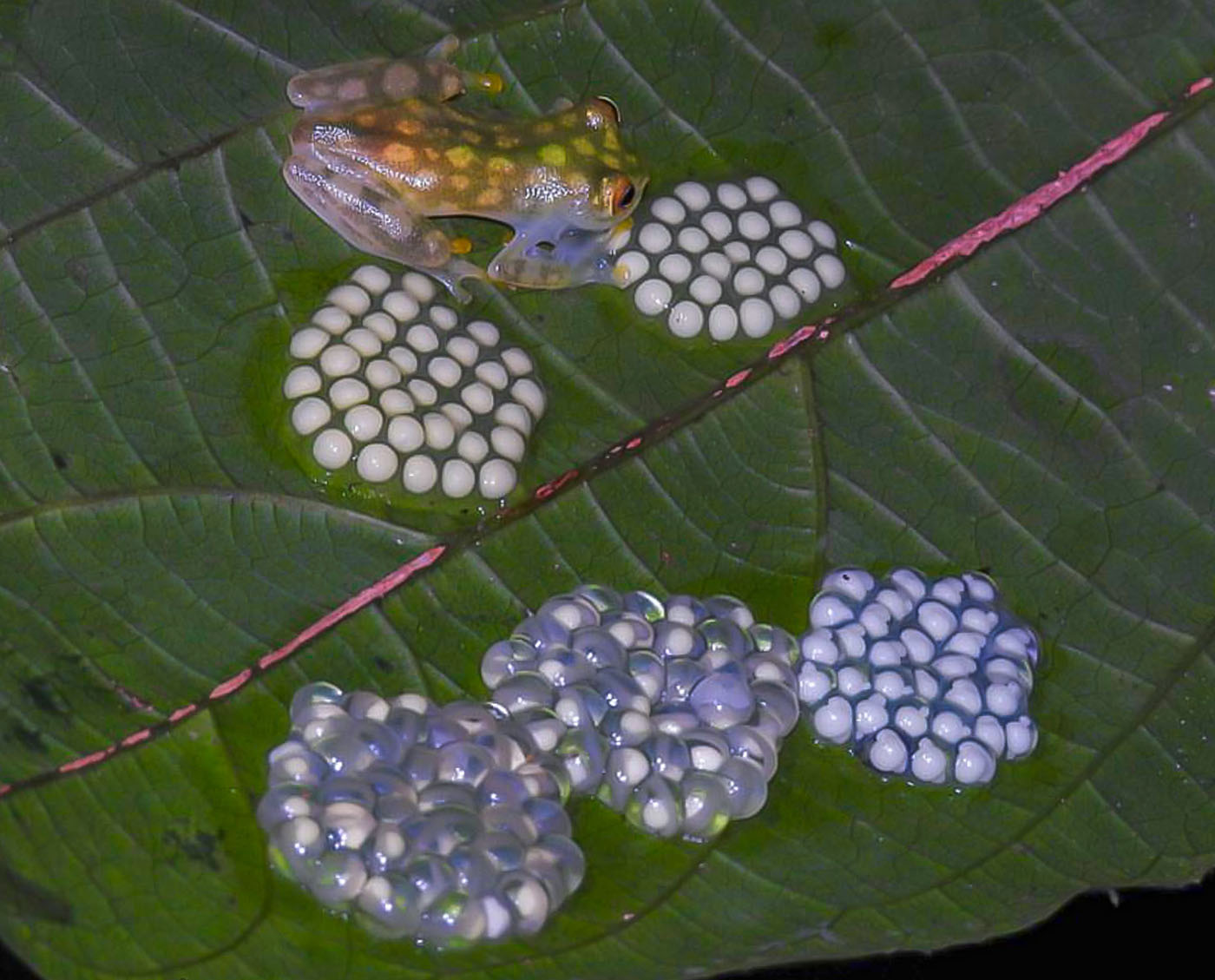
The scientific rigor evident in many submissions is striking. Professional herpetologists and conservation biologists contributed photographs documenting critically endangered species, undescribed taxa awaiting formal recognition, and behaviors rarely witnessed in the wild. Their images serve dual purposes: advancing scientific knowledge while making complex ecological concepts accessible to broader audiences. From glass frogs guarding eggs in Costa Rican cloud forests to endemic salamanders in Italian streams, these photographs represent invaluable documentation of Earth’s amphibian diversity at a critical moment in conservation history.
Equally powerful are the stories from photographers who use their craft to bridge the gap between humans and nature. Several described their images as tools for transformation—ways to help others see beauty where they once saw disgust, to recognize ecological importance in creatures often dismissed or feared. Whether photographing common toads in urban gardens or rare poison frogs in pristine rainforests, these artists understand that changing hearts and minds requires showing people what they’re missing when they look away.
The global scope of this year’s contest is extraordinary, with submissions spanning six continents and showcasing amphibians from Mediterranean wetlands to Amazonian rivers, from Himalayan forests to African savannas. This geographic diversity underscores a vital truth: amphibian conservation is a worldwide challenge requiring local knowledge, international collaboration, and shared commitment. The photographers’ intimate understanding of their local species – their calls, their habitats, their seasonal rhythms—enriches the collective portrait of amphibian life on Earth.
Together, the participants of the 2025 SAVE THE FROGS! Photo Contest have created more than a collection of beautiful images. They have assembled a visual testament to resilience, wonder, and urgency. Their photographs remind us that every frog matters, every habitat counts, and every person who stops to notice – and to care – becomes part of the solution. Through their lenses, they invite us all to become better witnesses to the natural world and more committed stewards of its future.
View many of the photograhers below. You can click the “View larger version” button at the bottom right of the table to get a full-page view. Scroll down to see more photographers. Click on any image or text to see full size view.
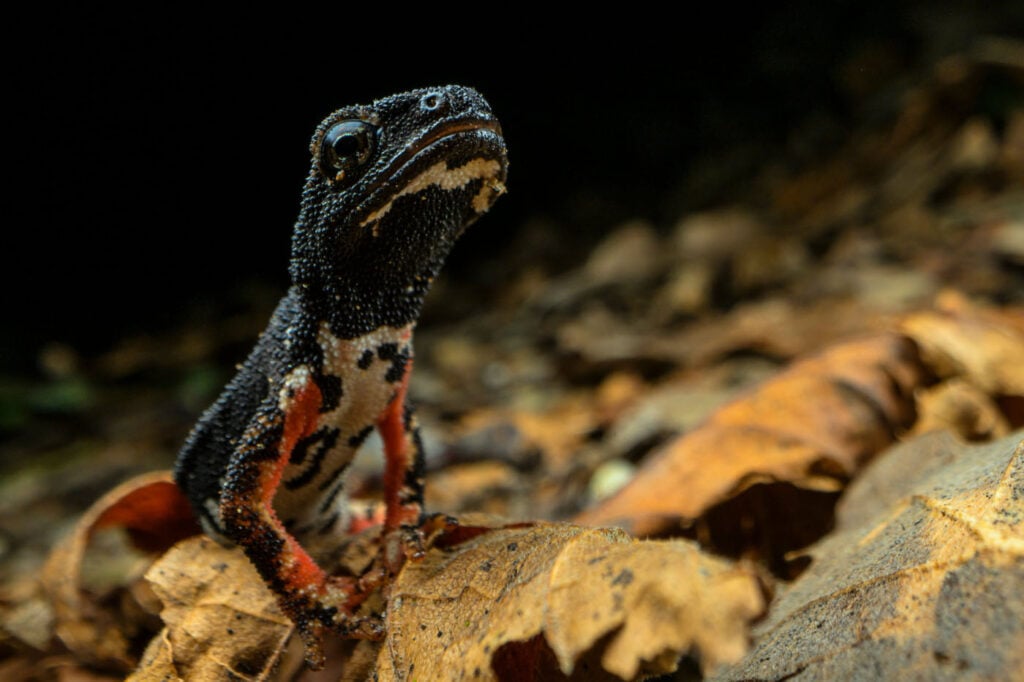
Northern spectacled salamander (Salamandrina perspicillata), male in the so-called standing “watchful position” during mating season in order to look around for other invading males and for females to mate with. Italy. Photo by Finalist Emanuele Biggi
We thank all the photographers for taking part!
2025 Results
Thank you to the judges for looking at all the photos, and making the difficult choices among lots of amazing amphibious submissions!
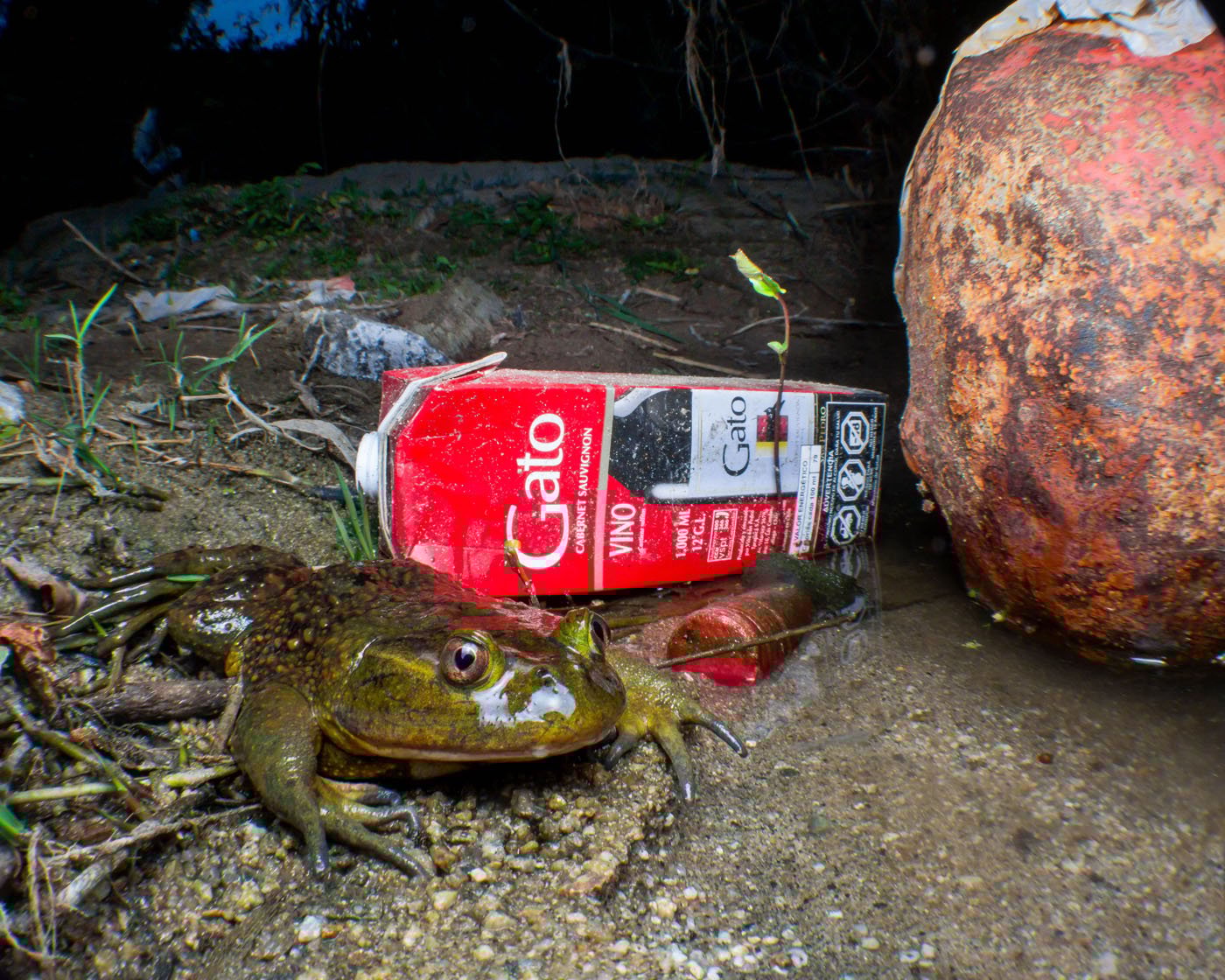
“I have always been drawn to photographing frogs. Their eyes are so mesmerizing and detailed. Through my journey as a photographer and environmental scientist I learned a lot about amphibians and their decline. I studied amphibian diversity in Paraguay and saw firsthand how urbanization affects diversity. Amphibians do so much for our environment by eating insects and they are bioindicators of the quality of their environment since their skin is so sensitive to pollutants. A lot of the photos I submitted are from a group of frogs I found in a ditch by my apartment after a hurricane had passed through. The water had pooled in this normally dry spot allowing the frogs to lay eggs for a short time. This showed me how even just creating a small pond could make such a big difference for our amphibian neighbors. While it can be depressing to learn of their decline there is still so much we can do to help their populations.”
– Tasneem Ahsanullah, Finalist, USA
2025 Contest Statistics
- 82 photographers participated, representing 28 countries.
- 12 photographers were Under 18 (15% of participants)
- 40 photographers (49%) paid the optional $10 entry fee to become eligible for the $500 Grand Prize.
- 47 photographers (57%) received Honorable Mention or higher.
- 30 photographers (37%) received Semi-Finalist or higher.
- 16 photographers (20%) received Finalist or higher.
- In 2025, for the first time, we instituted fully-blind judging: all filenames were anonymized prior to download so that judges knew nothing about the artist, age, gender, geography, etc.
We hope you enjoyed the photos!
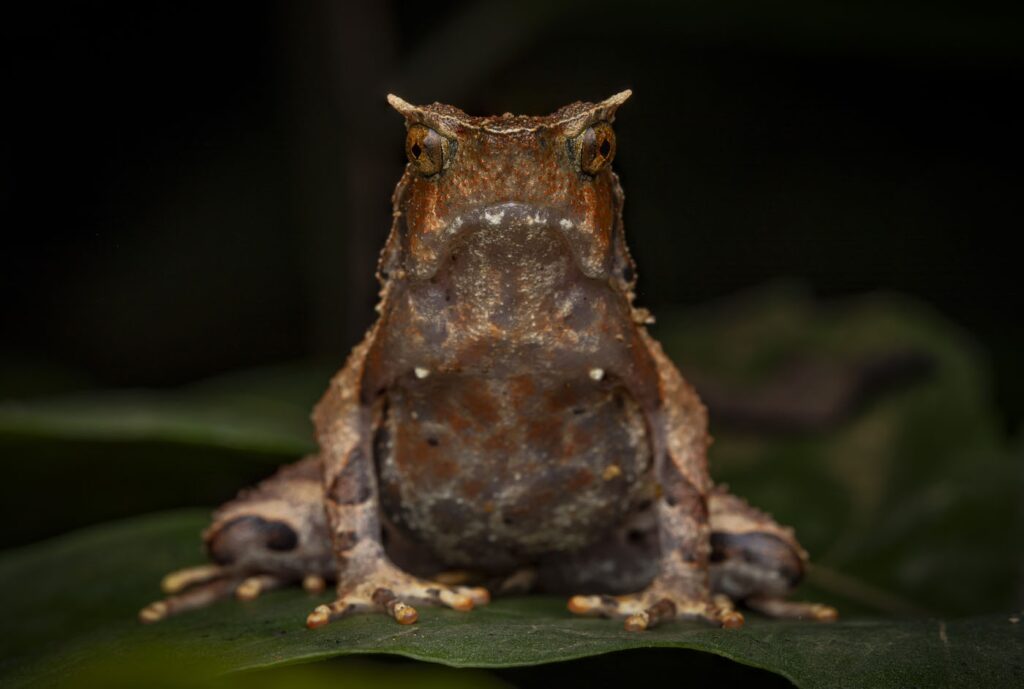
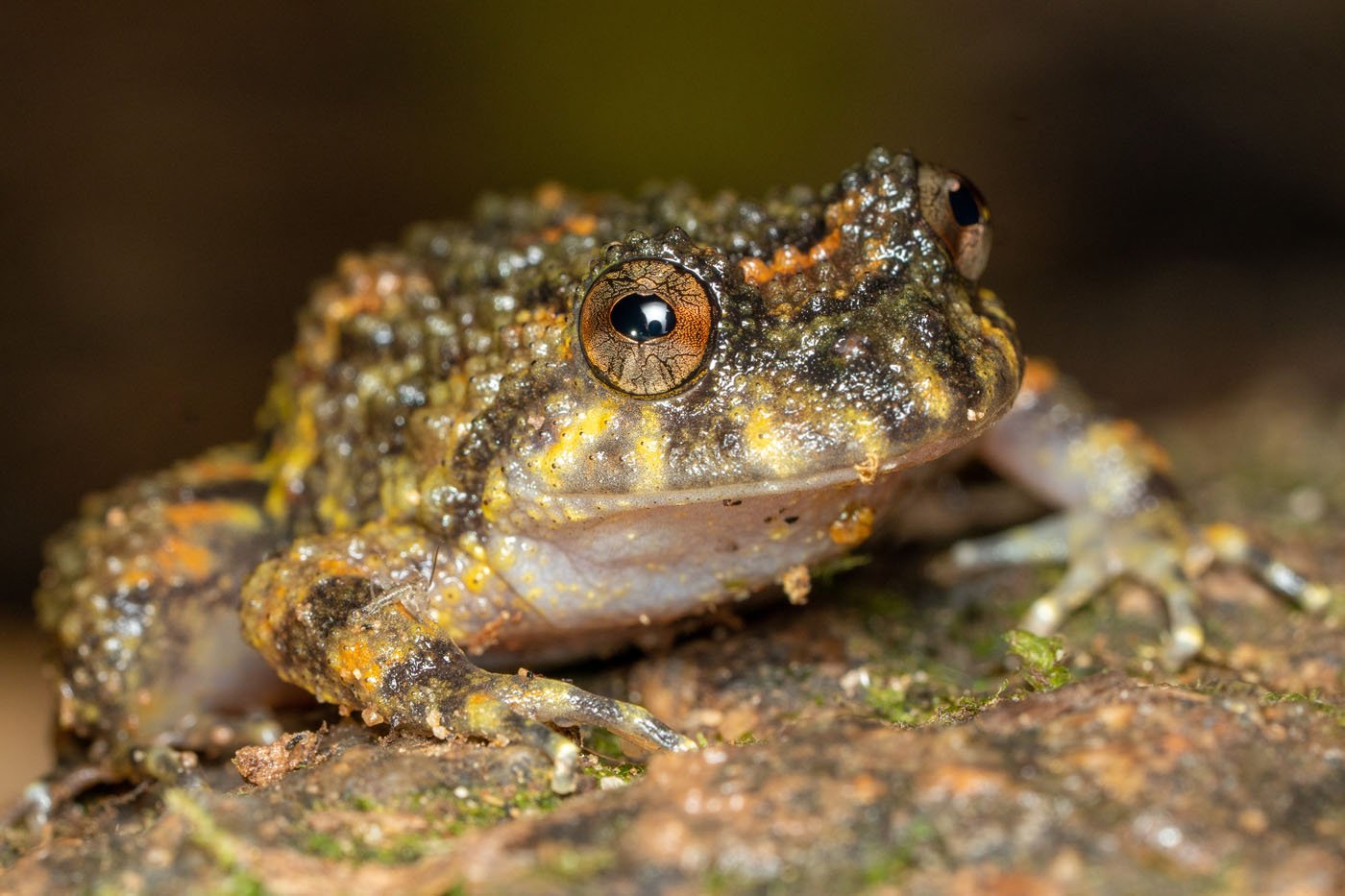
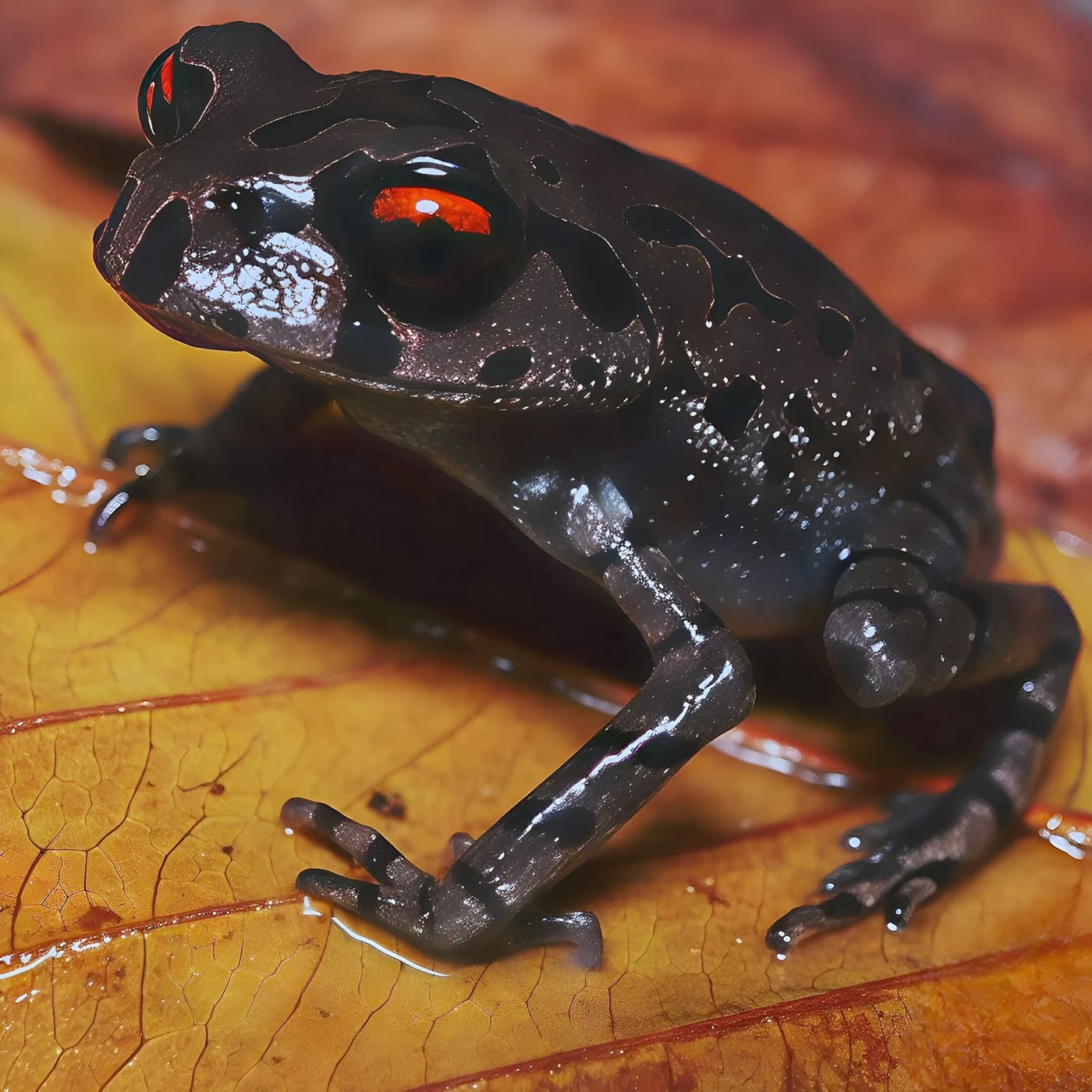
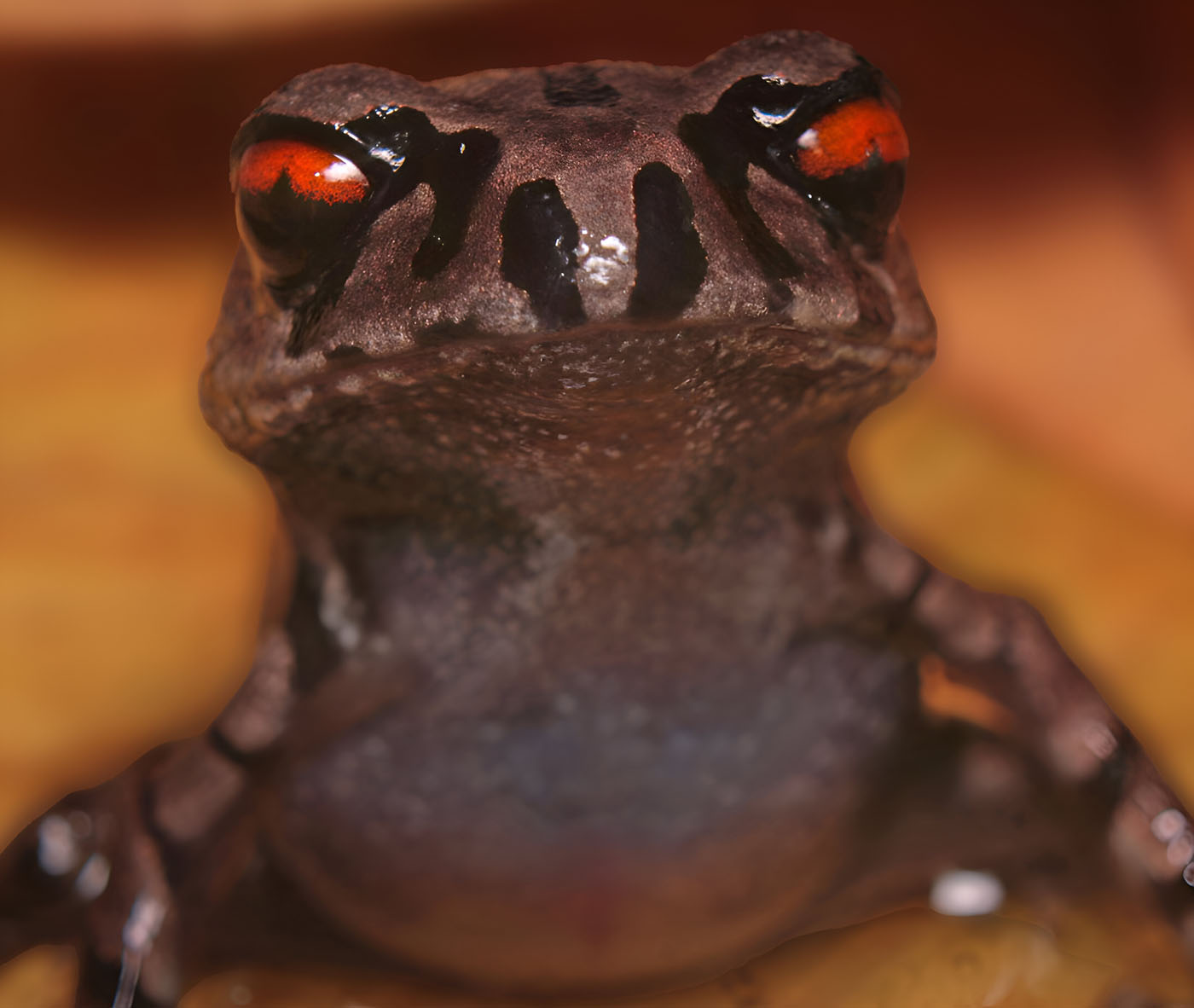
Photo of Ophryophryne microstoma from Vietnam by Artur Tomaszek, Finalist.
“I’m a huge advocate of Citizen Science and support local scientists in their research whenever I can.”