
Reflecting On My Experience Volunteering In Costa Rica: May 2026
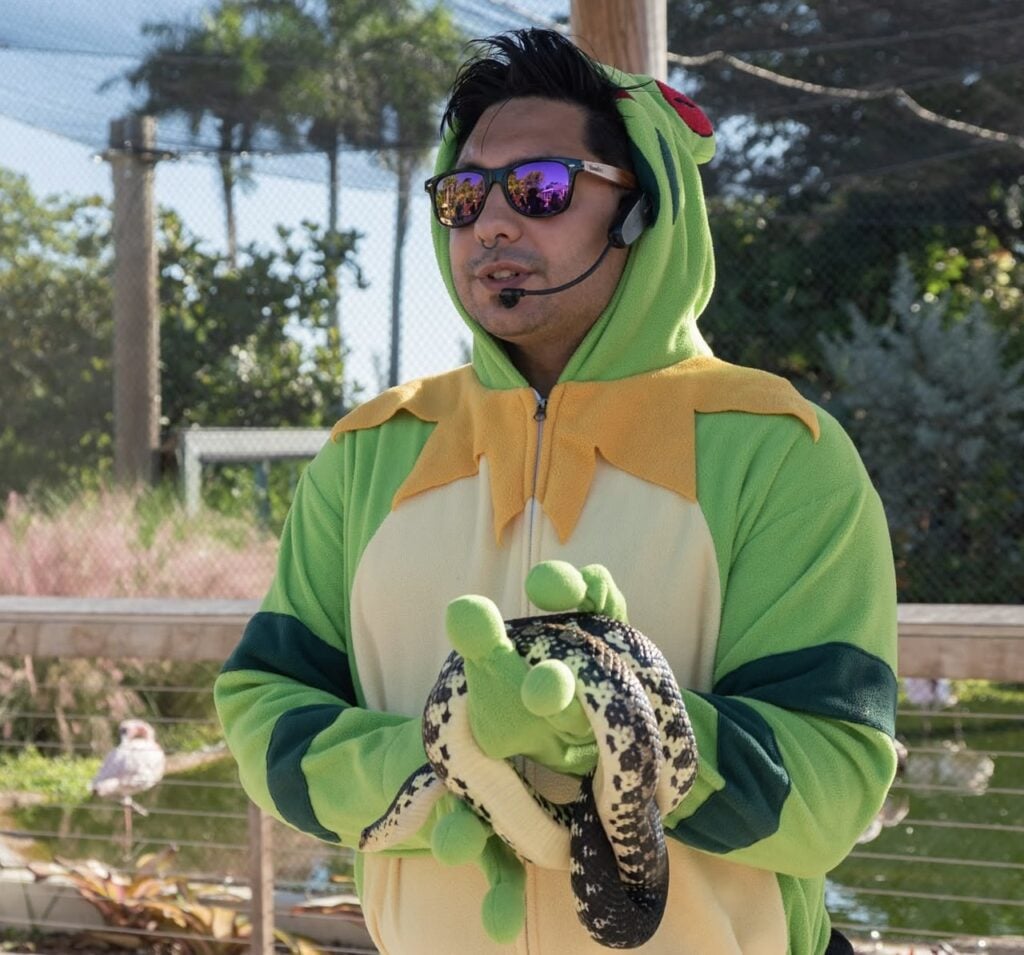
By SAVE THE FROGS! Volunteer Gage Denney
Recently, I had the opportunity to pilot a two-week volunteer conservation experience through SAVE THE FROGS! in Costa Rica, focused on amphibian conservation, habitat restoration, and ecological sustainability. What made this experience so meaningful was not just observing wildlife, but actively contributing to the protection of critical habitats alongside passionate conservationists, researchers, and local families.
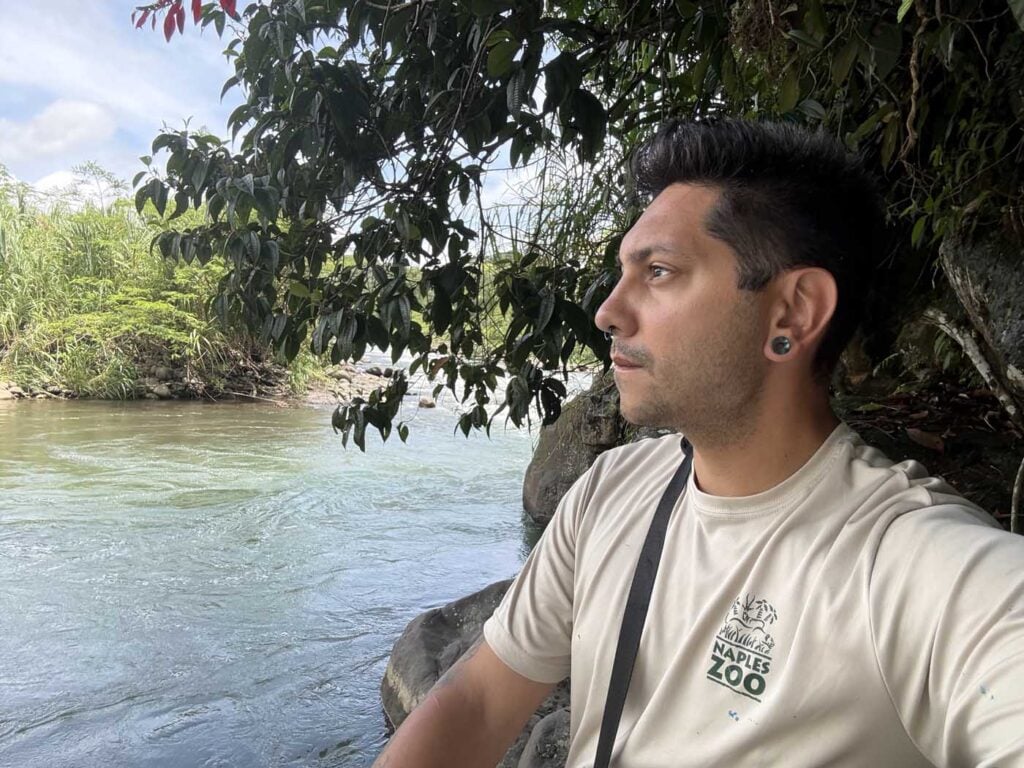
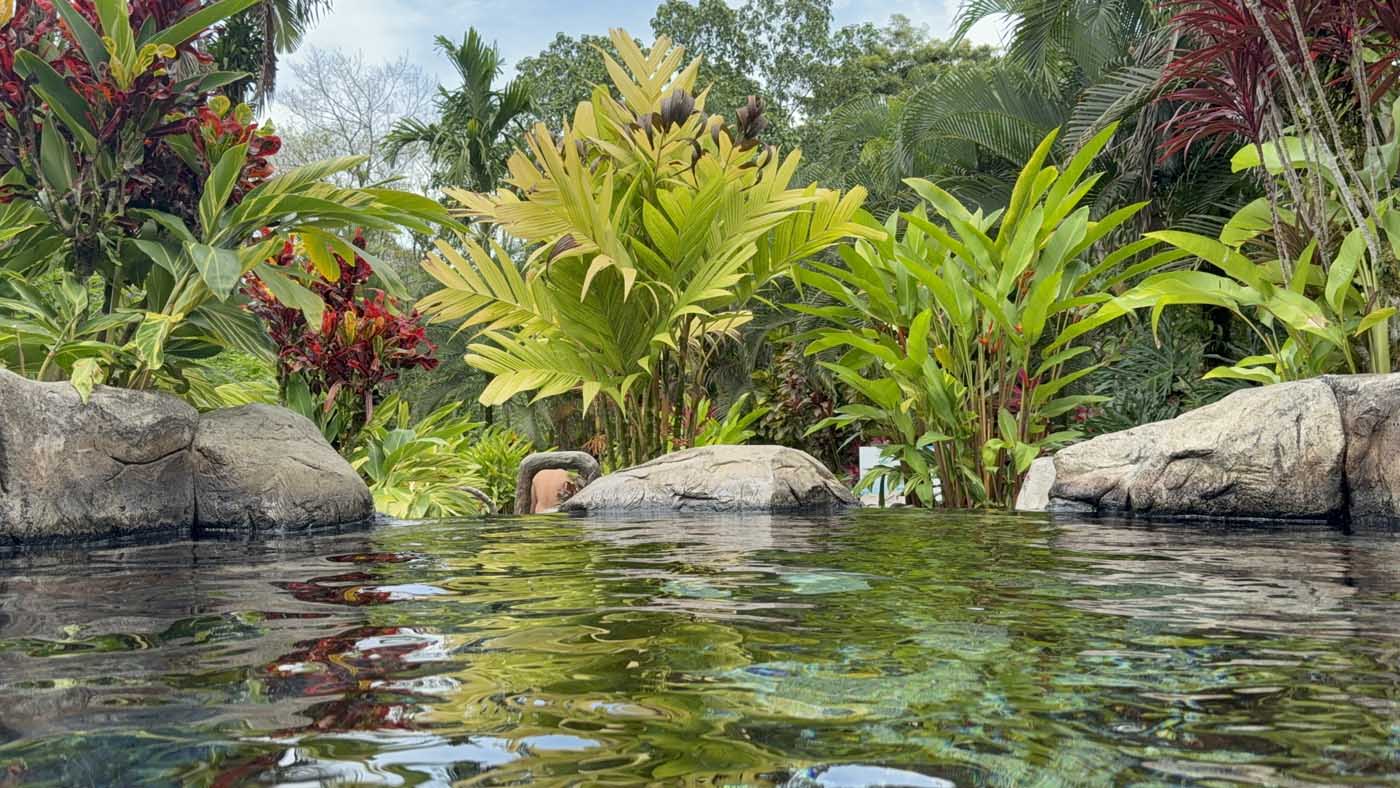
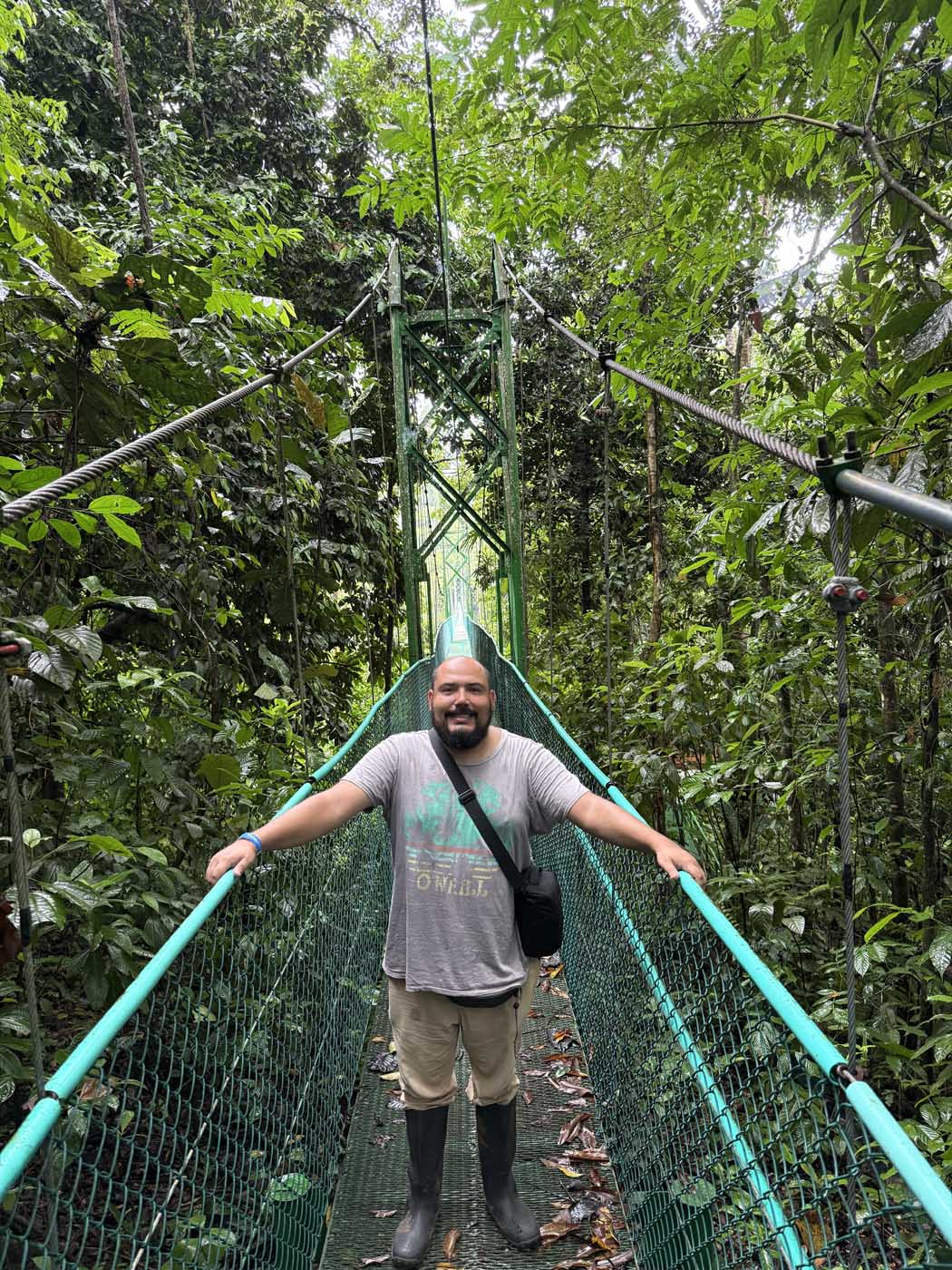
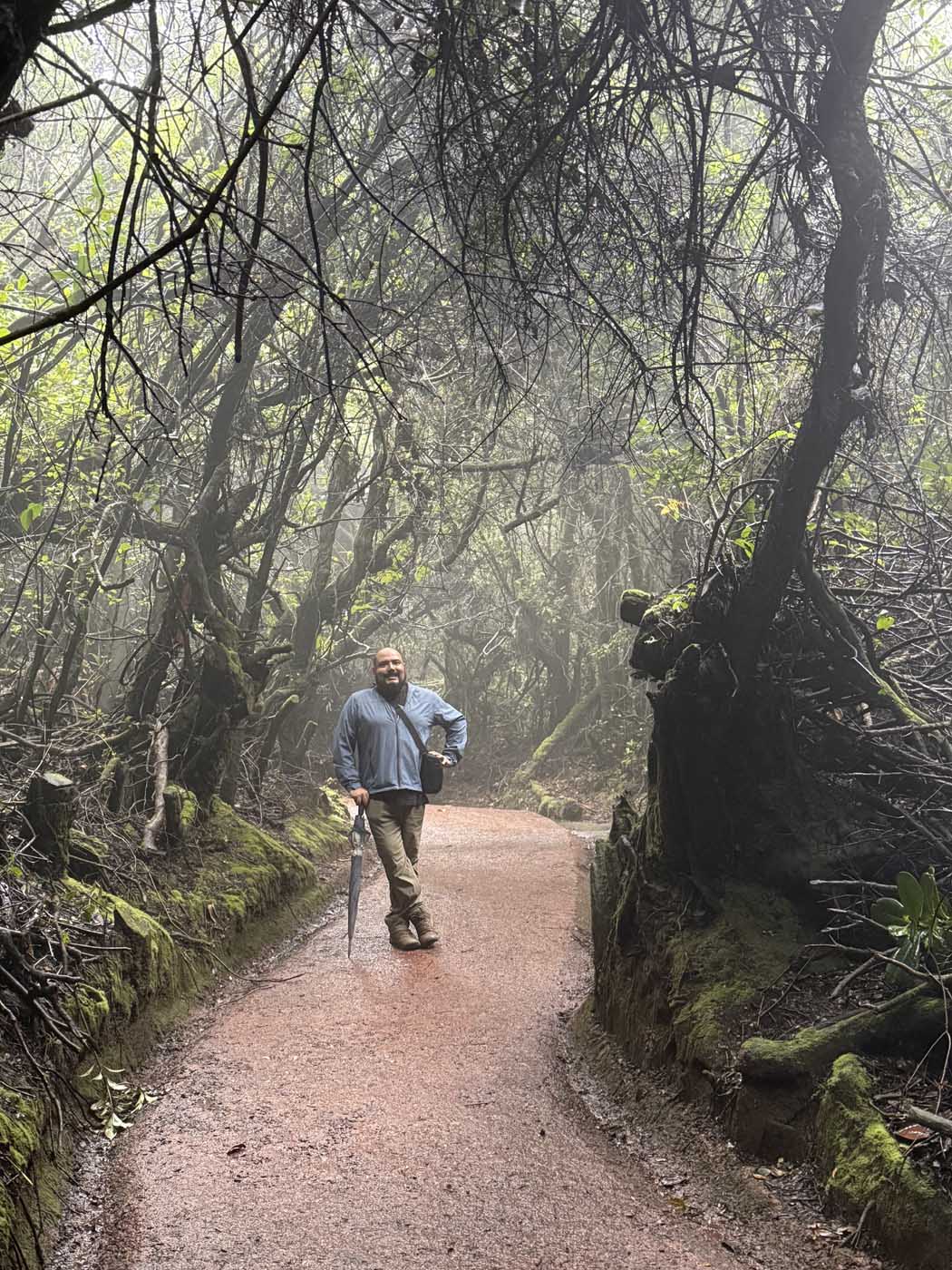
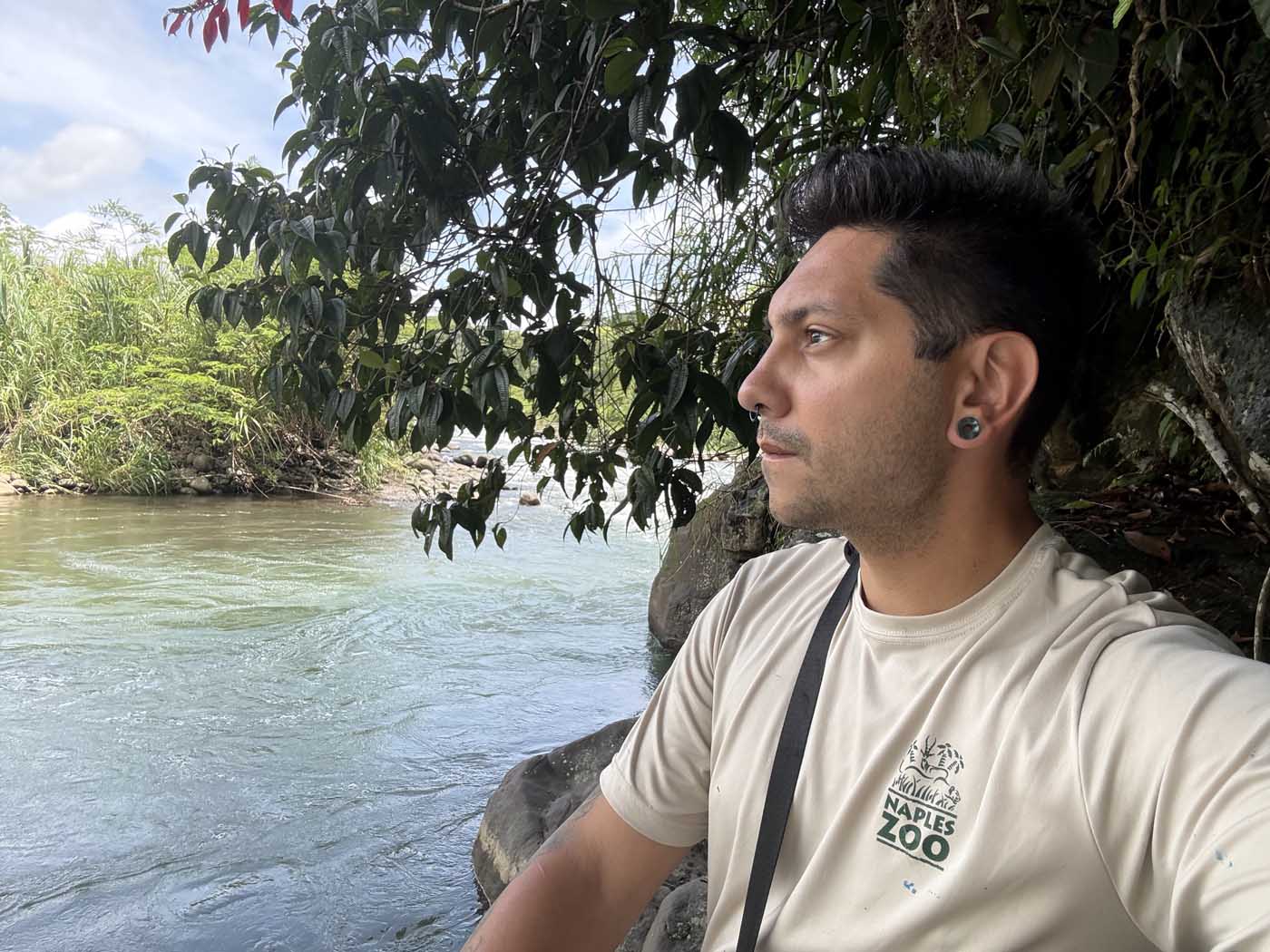
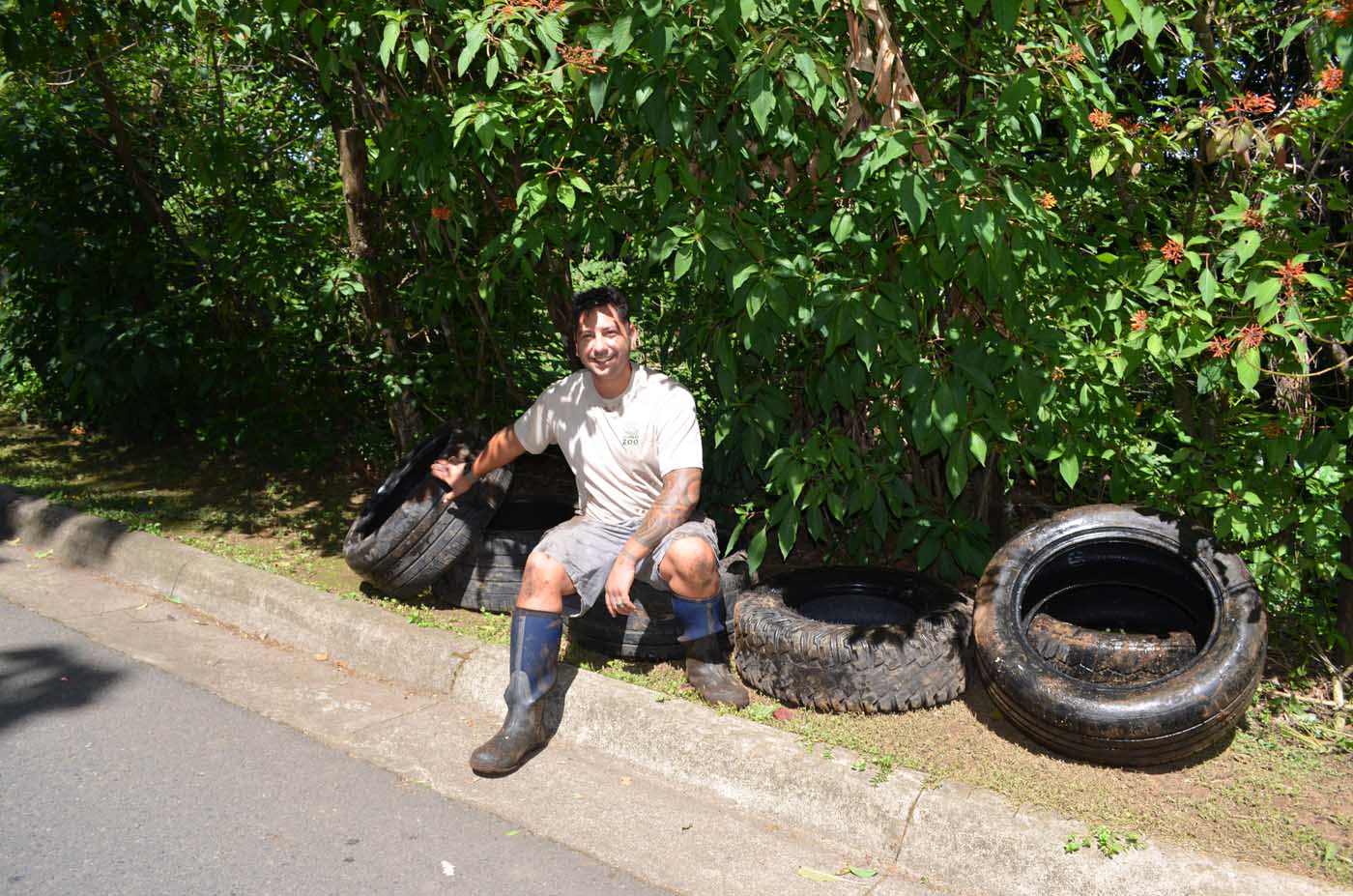
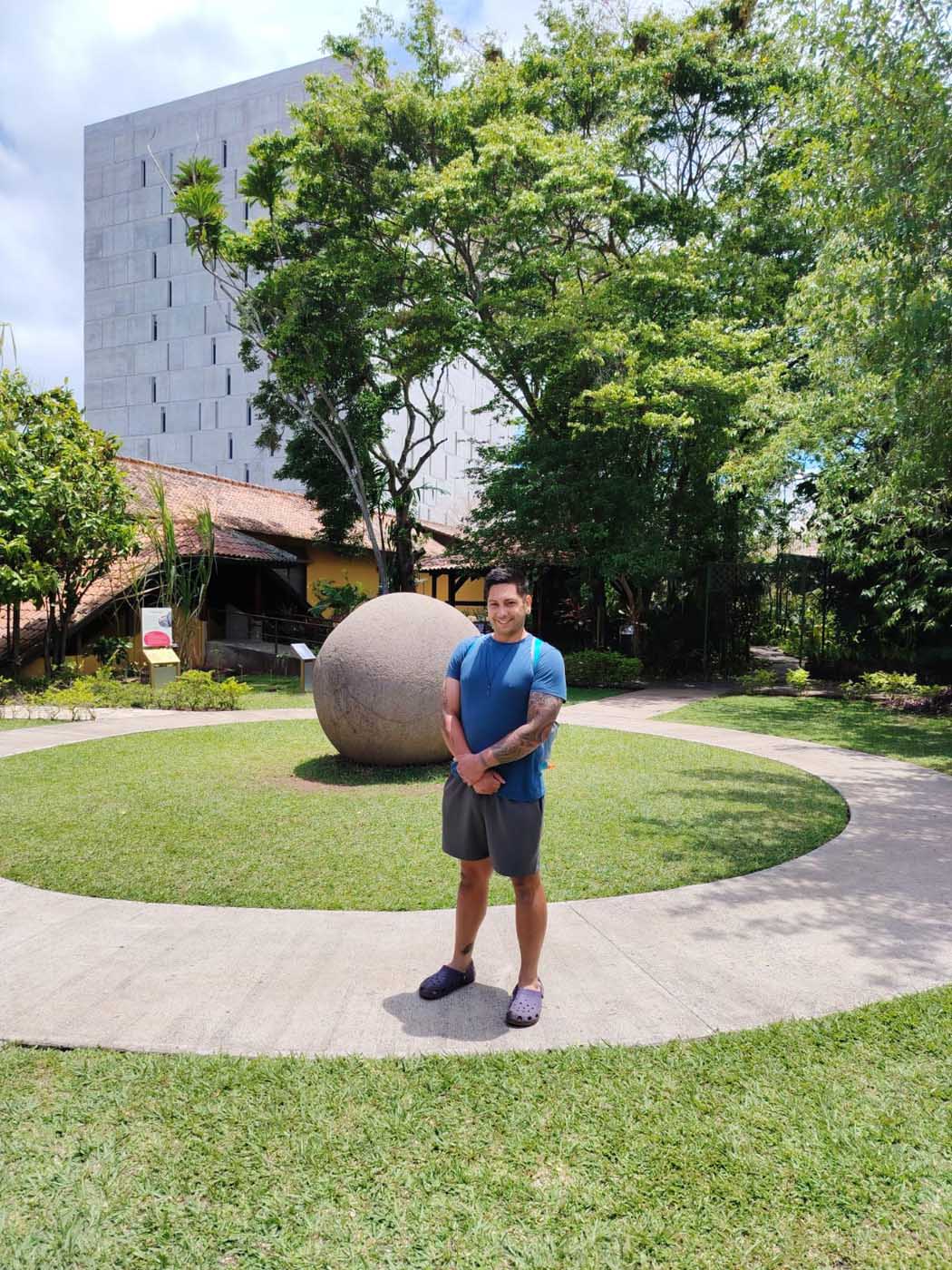
Gage Denney at the Sarapiqui River in the Costa Rica lowlands.
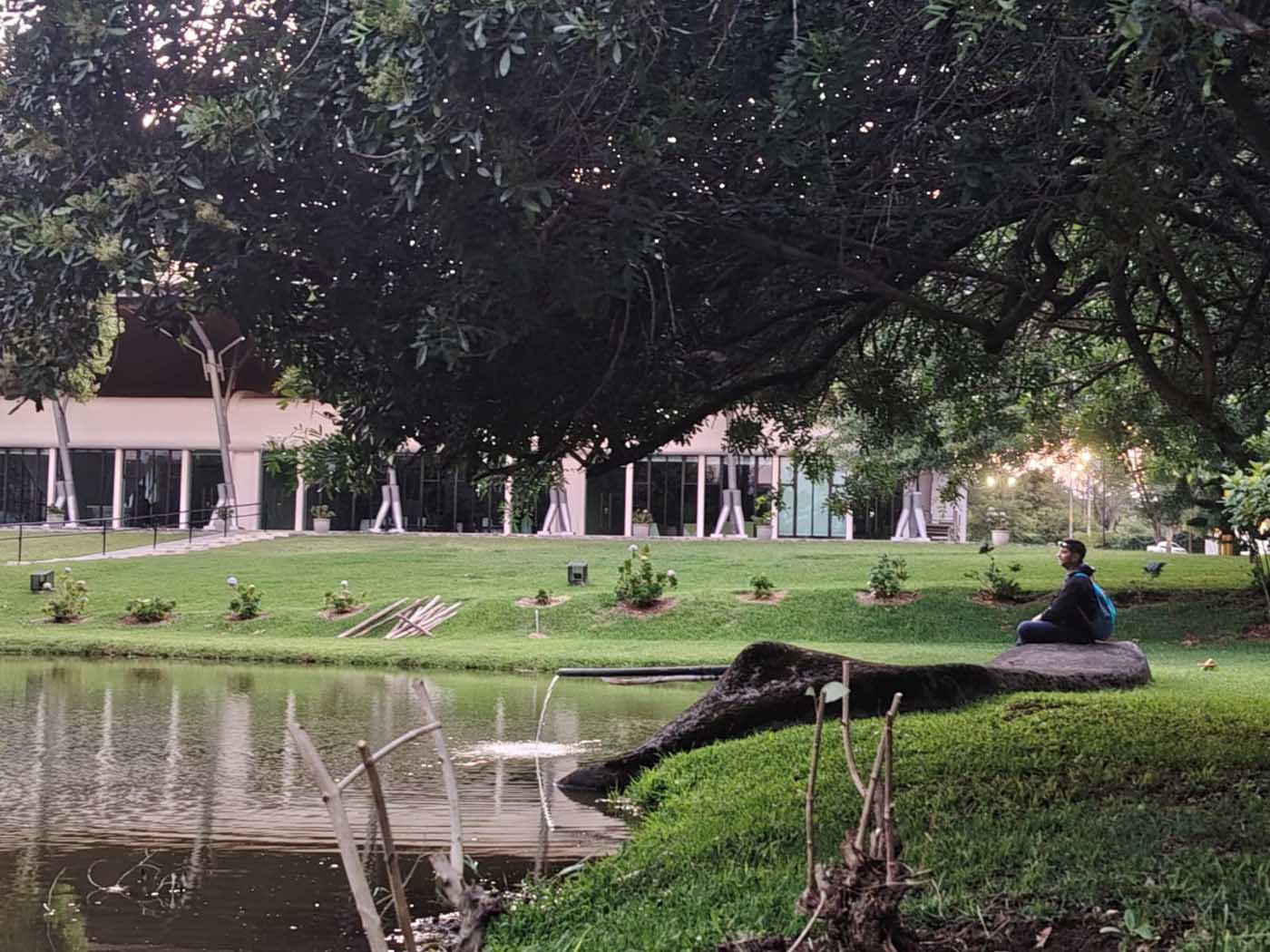
La Catalina Botanical Garden
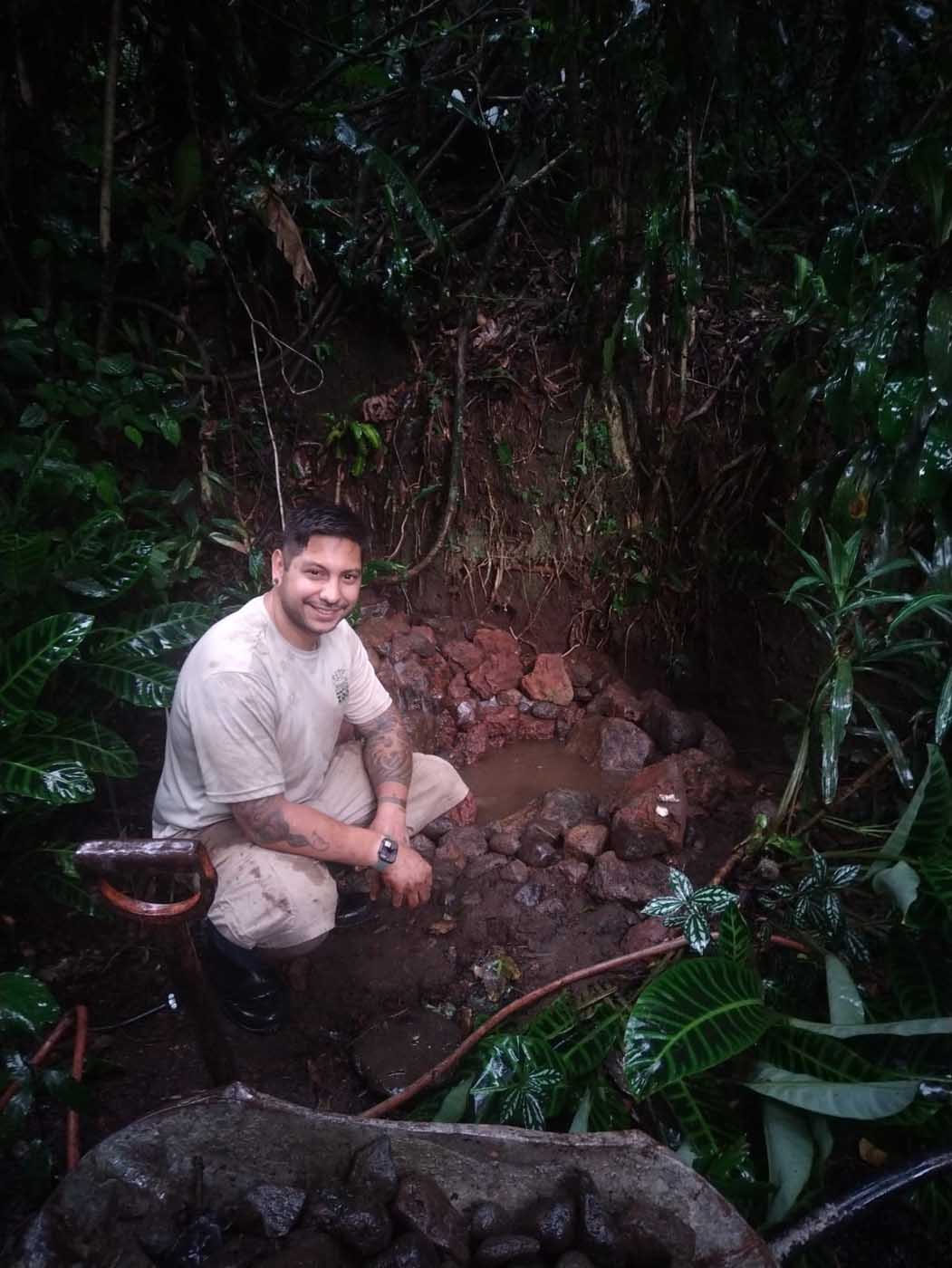
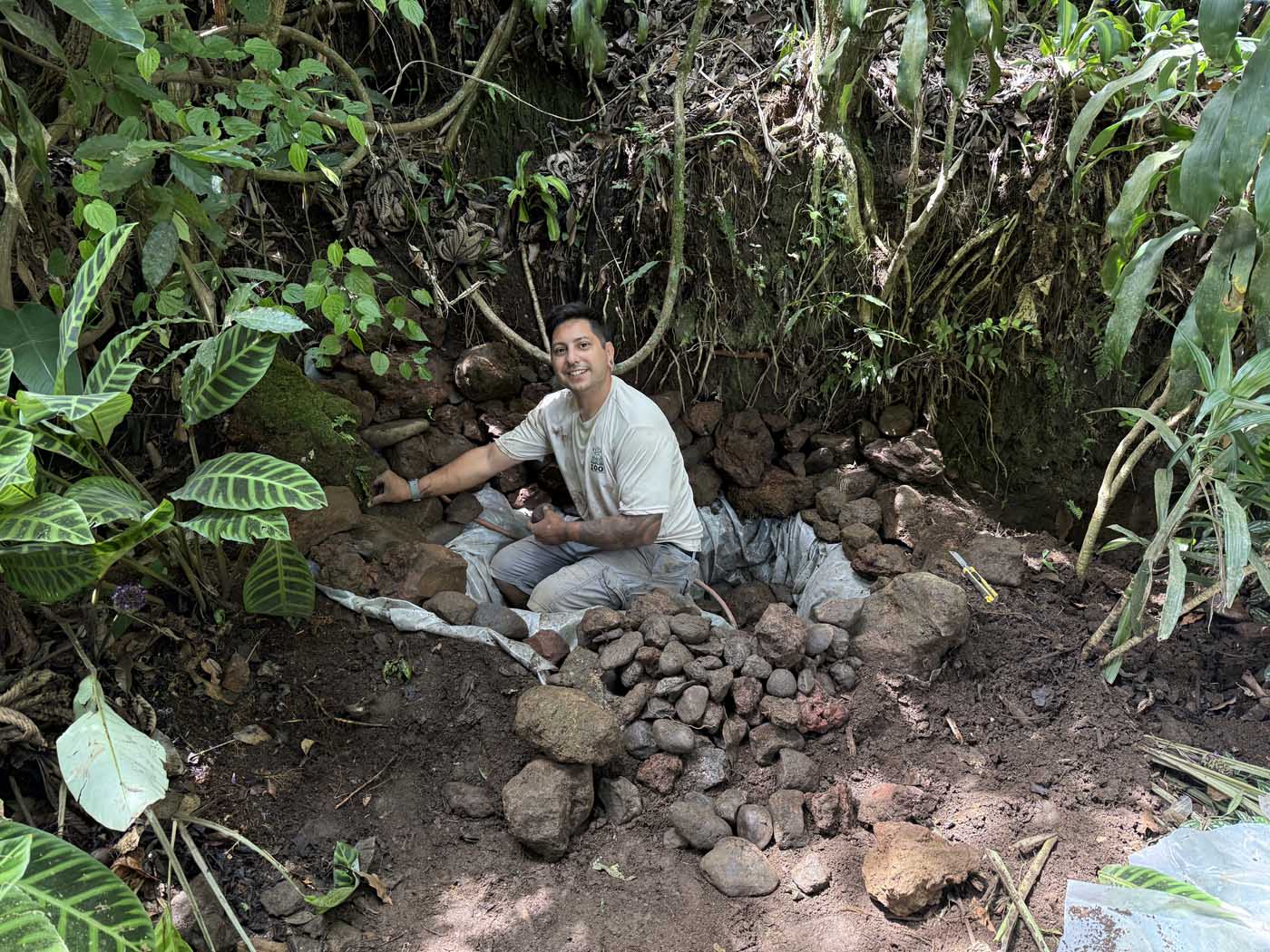
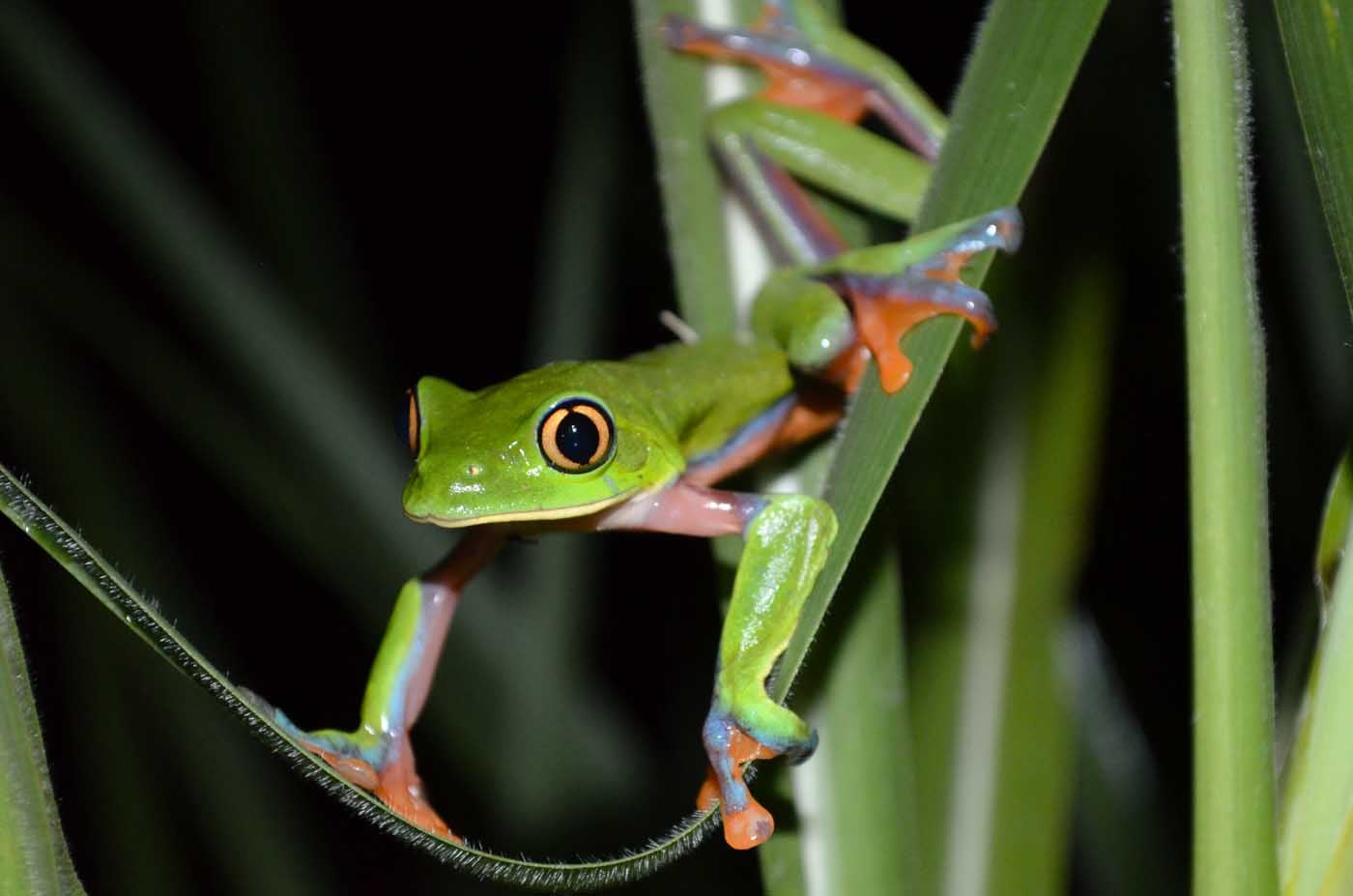
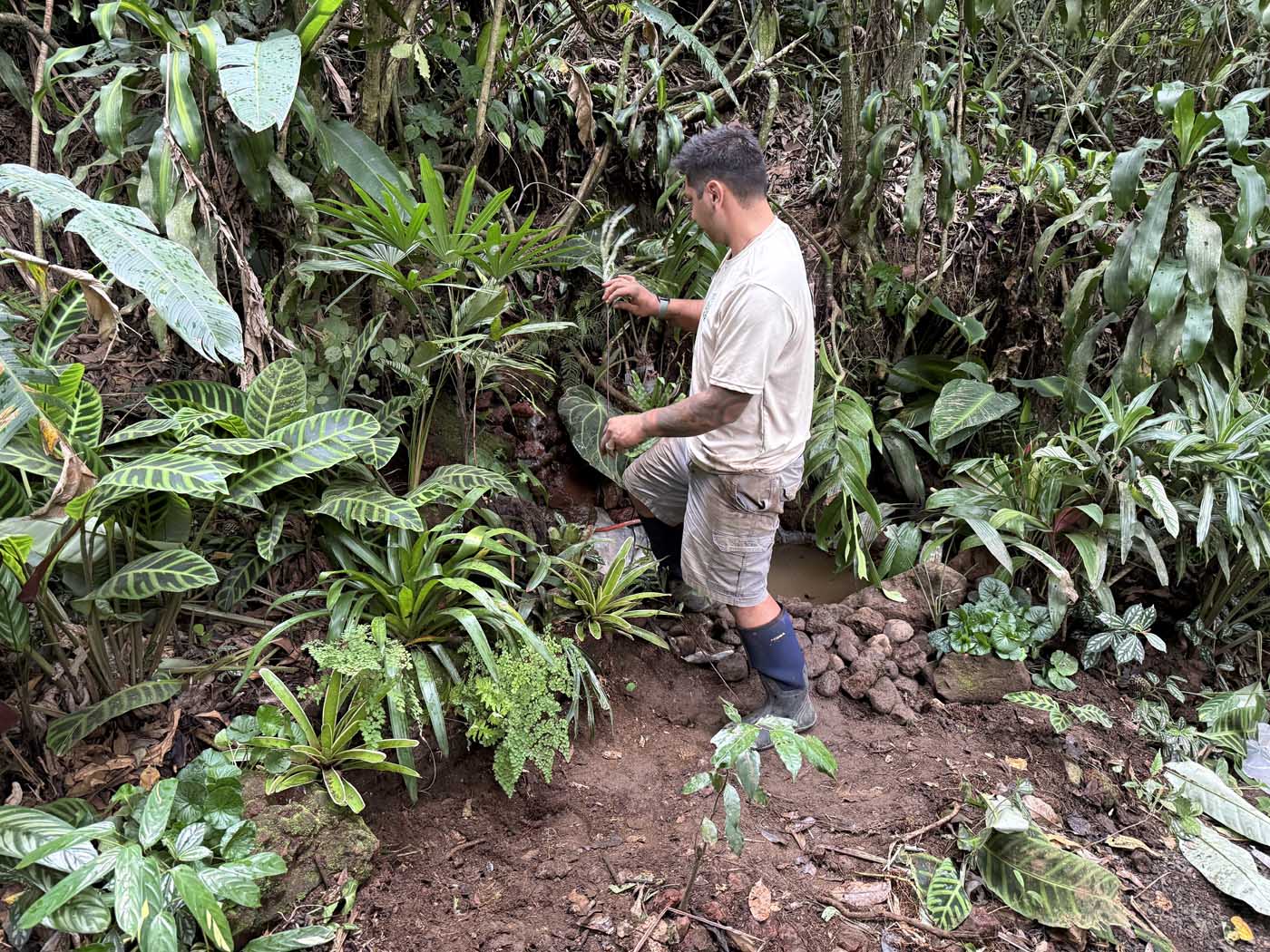
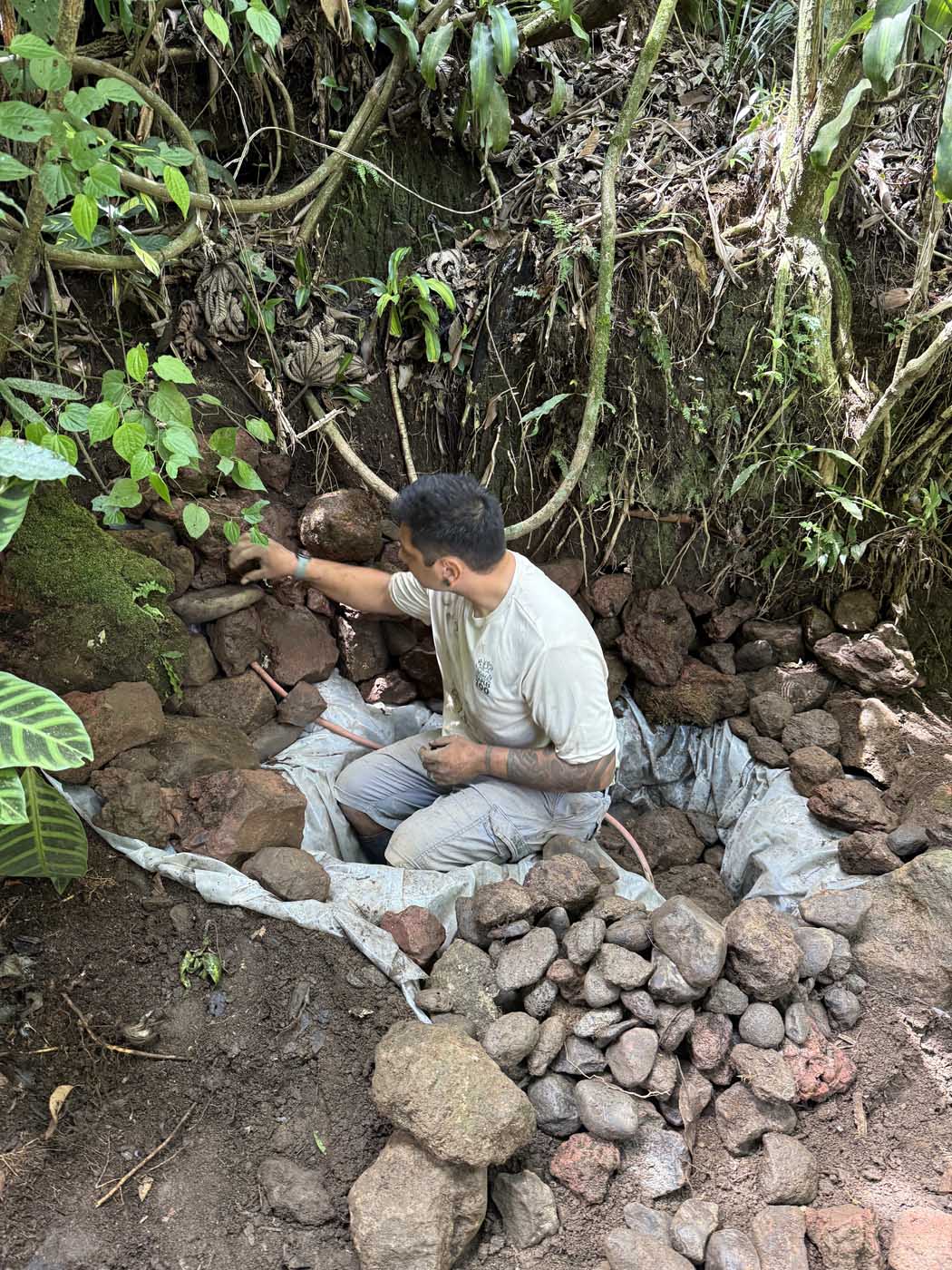
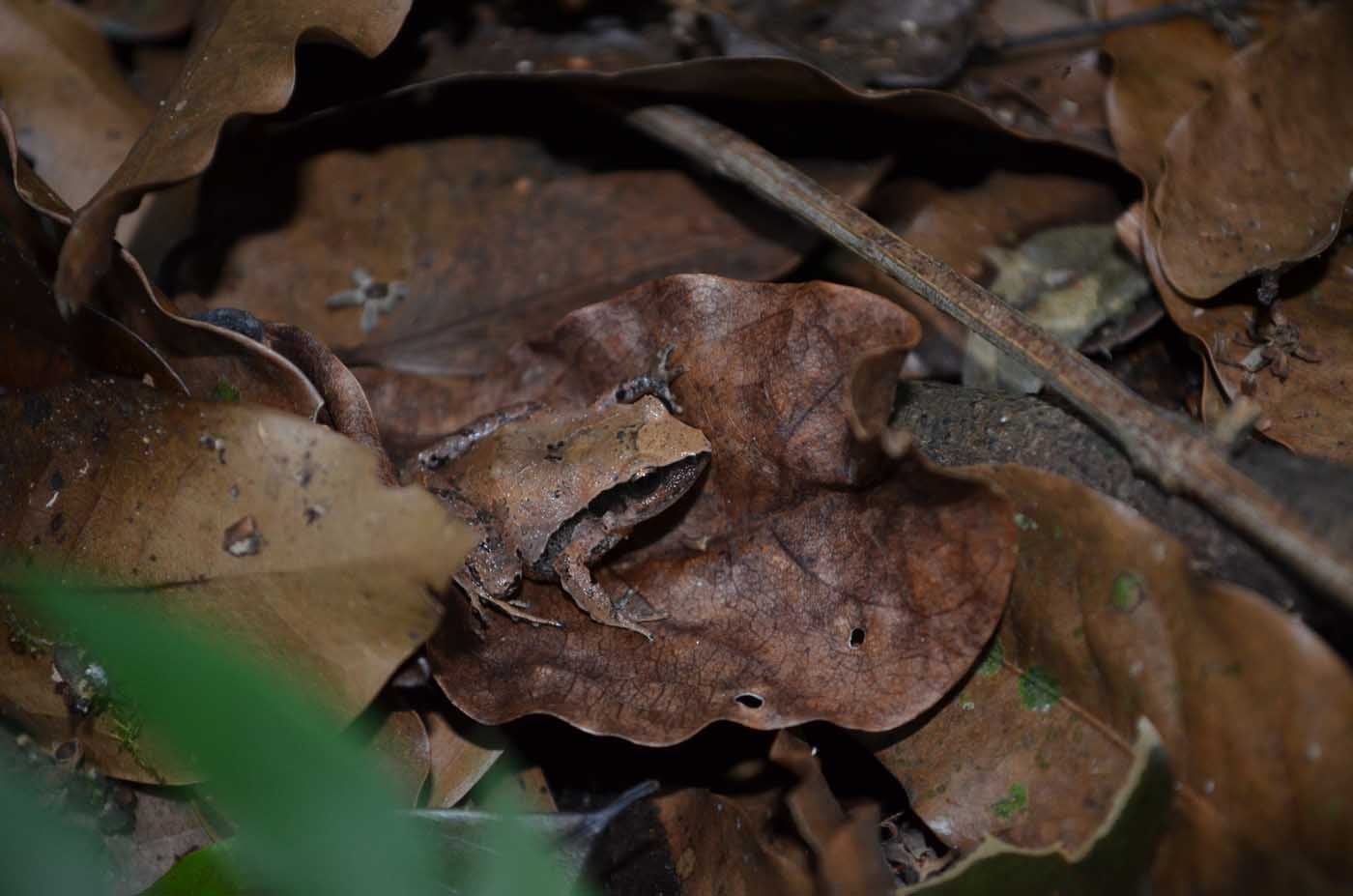
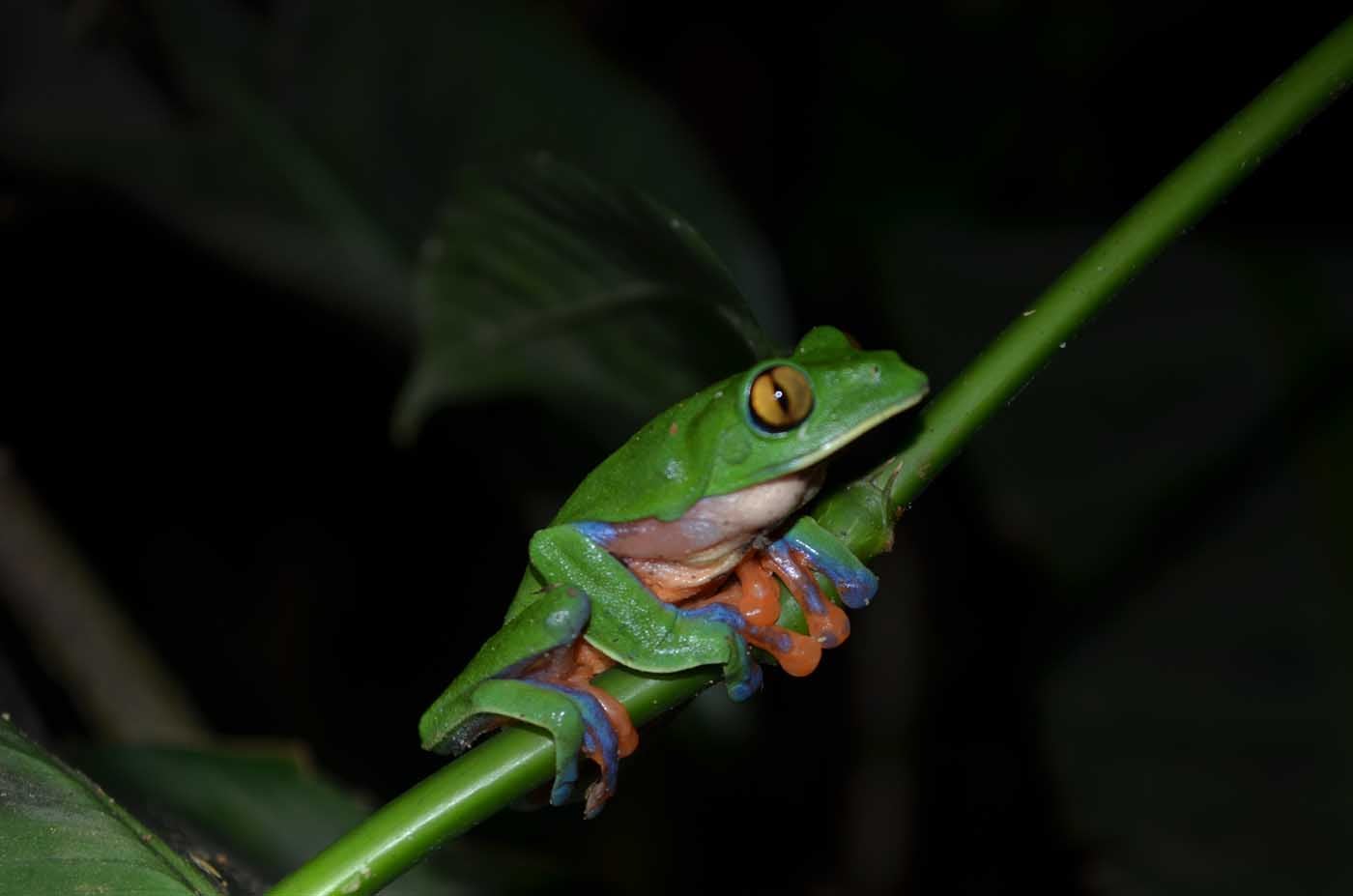
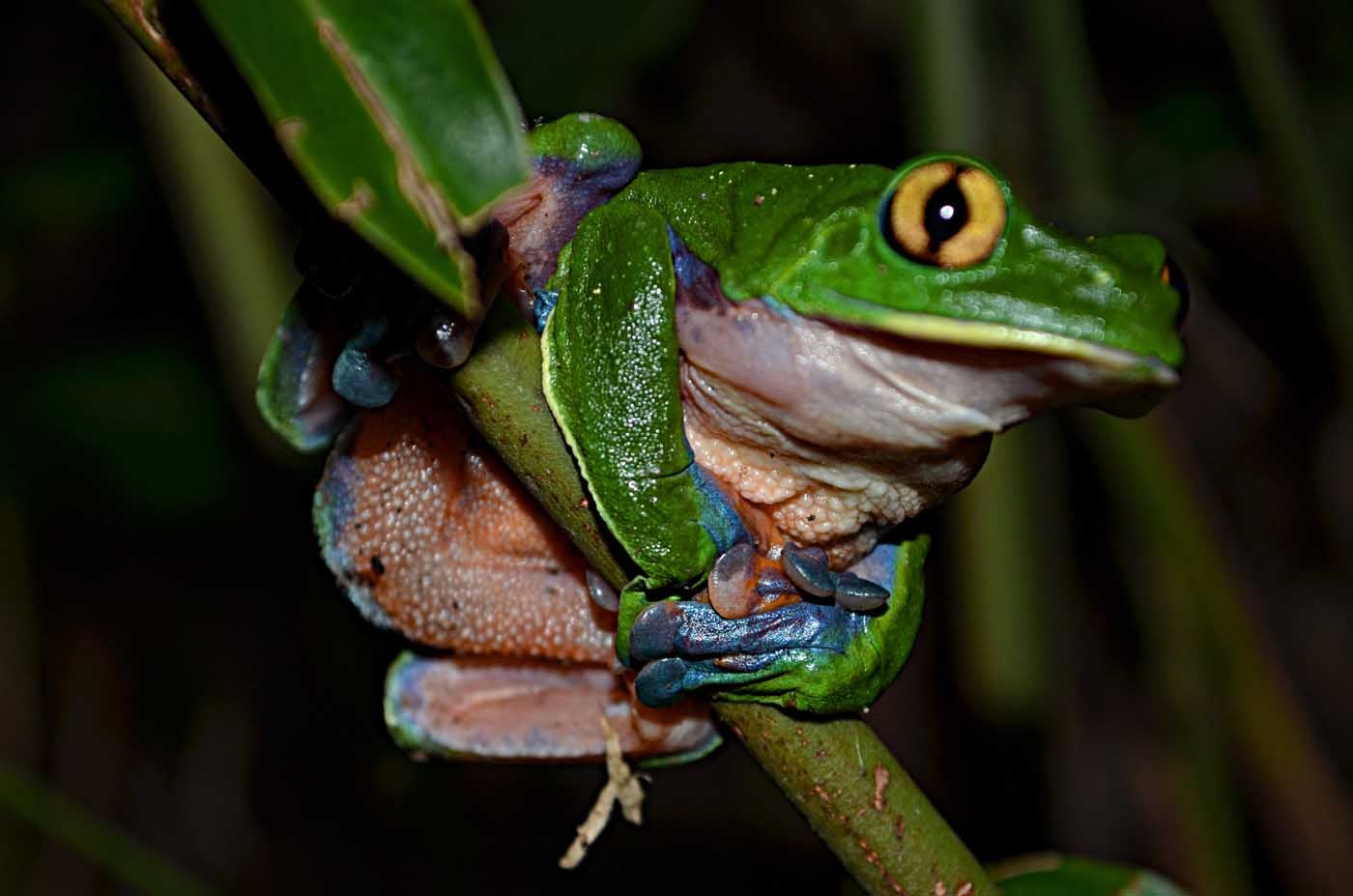
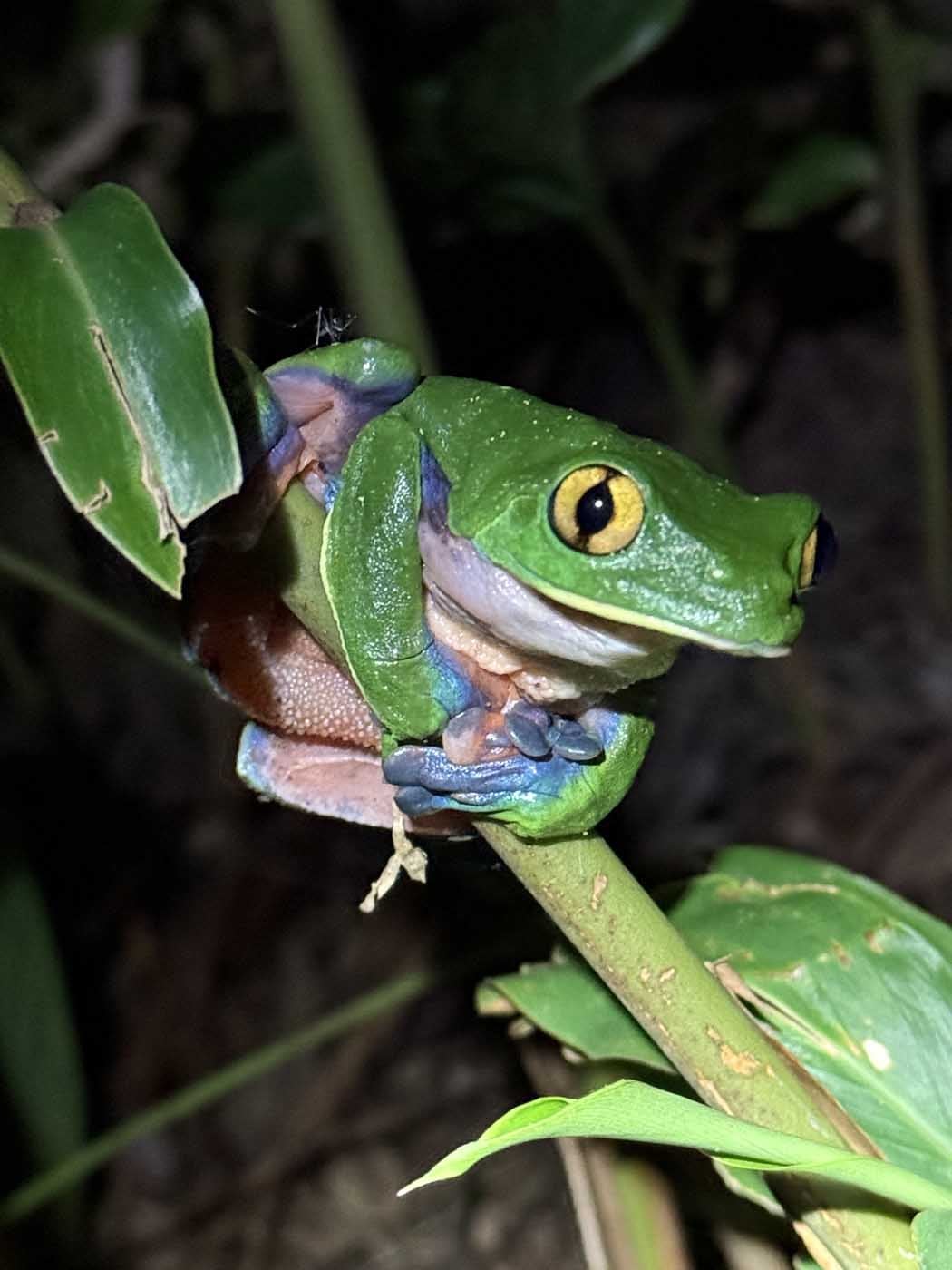
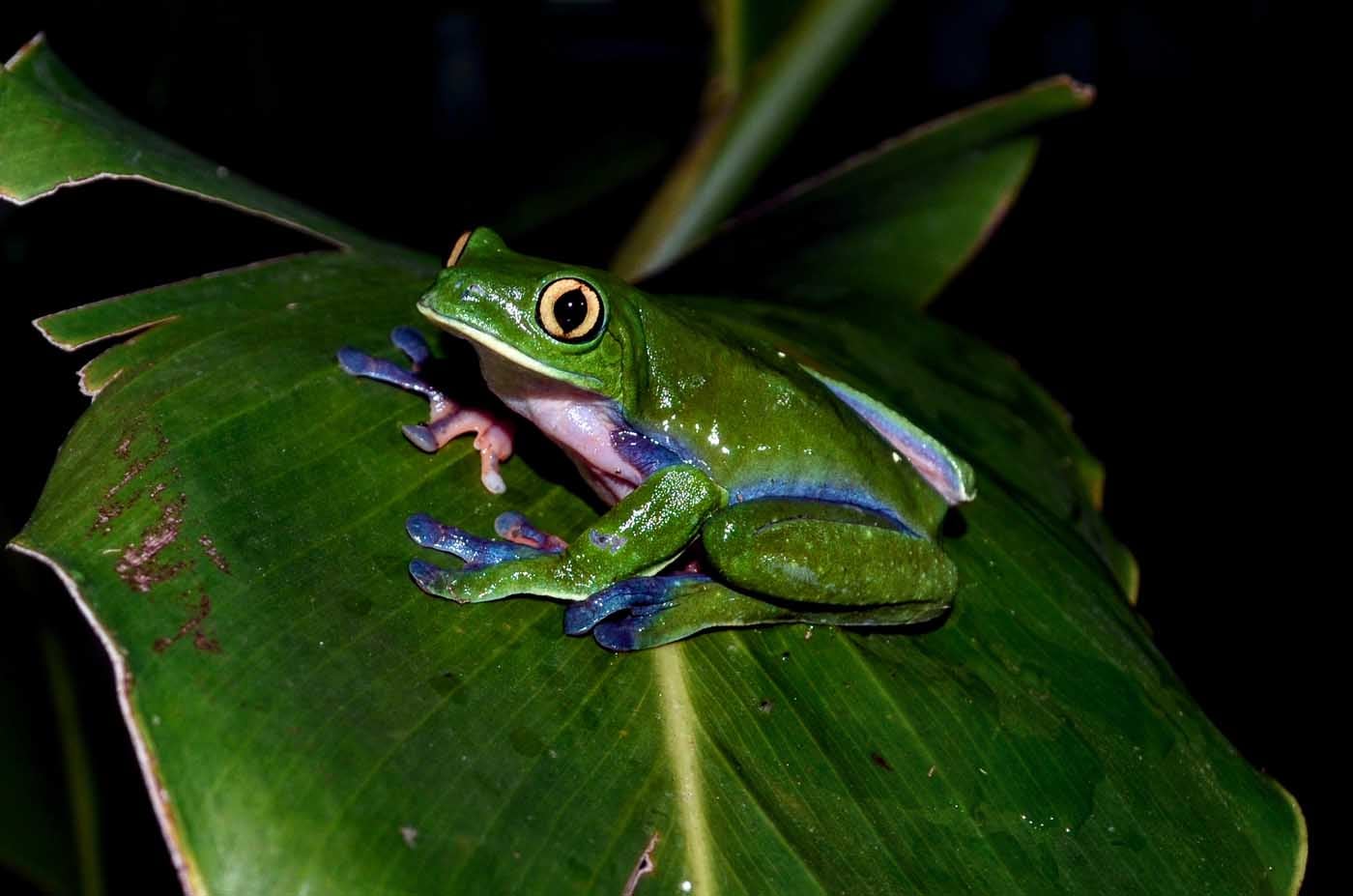
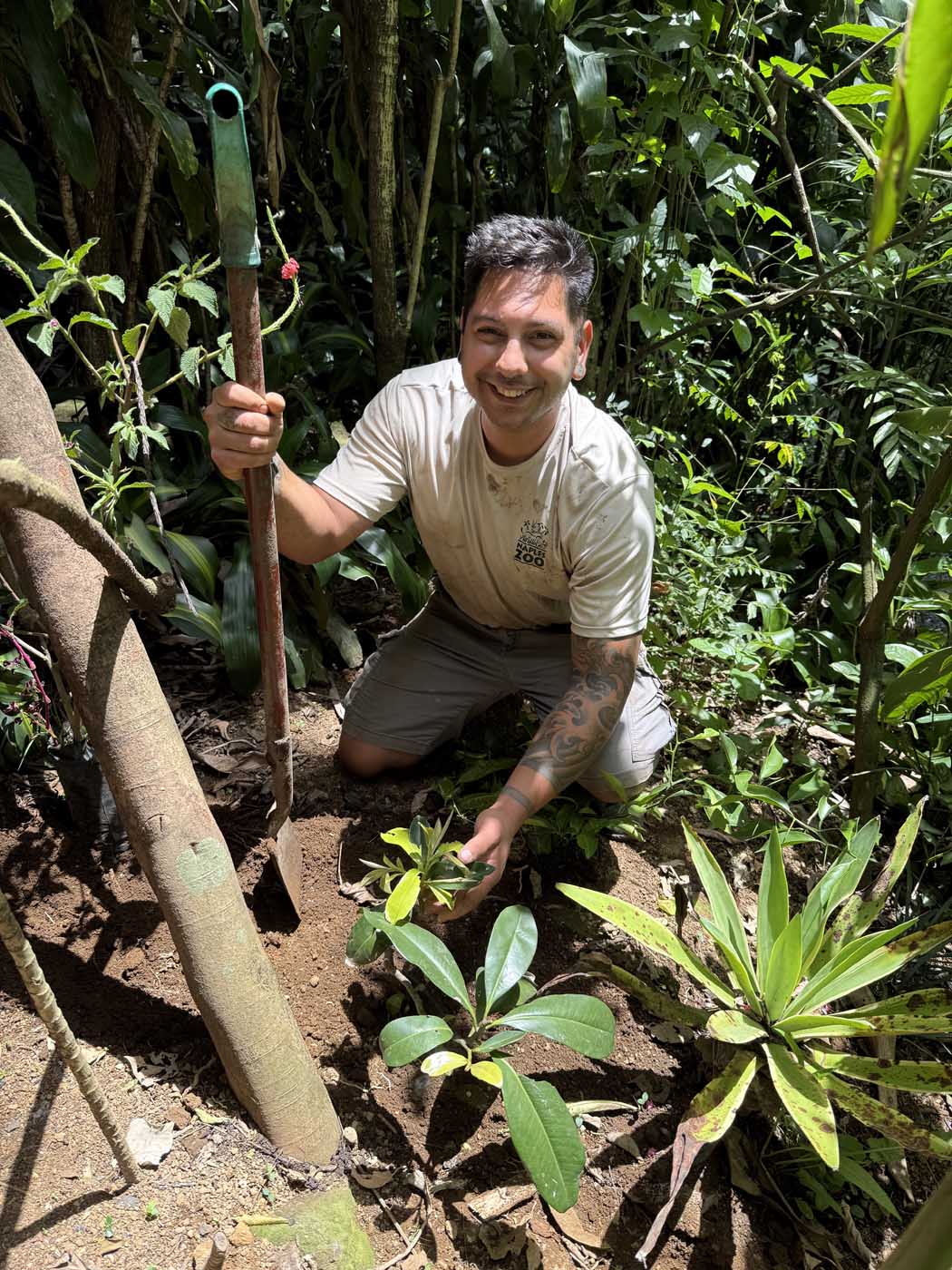
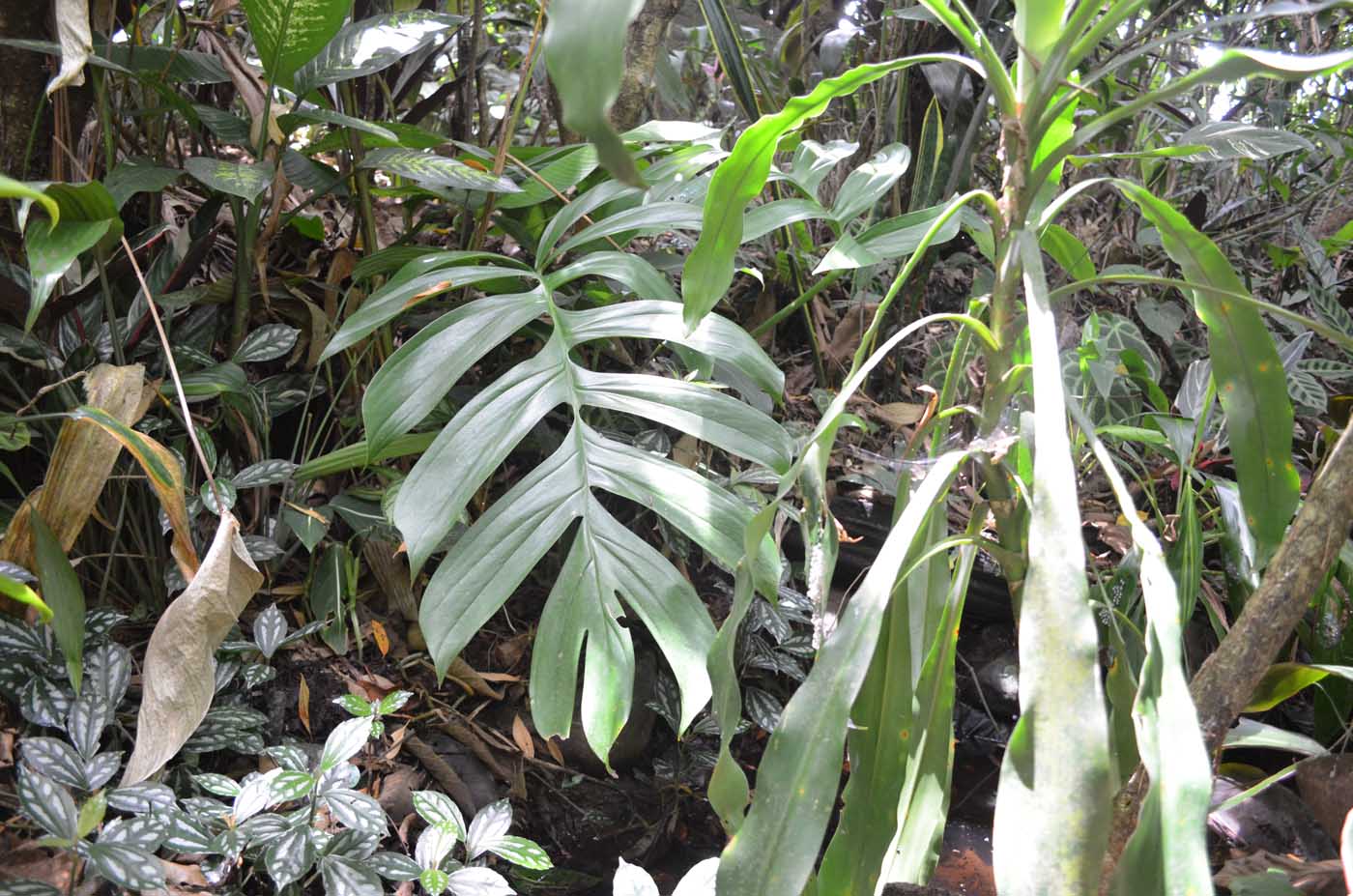
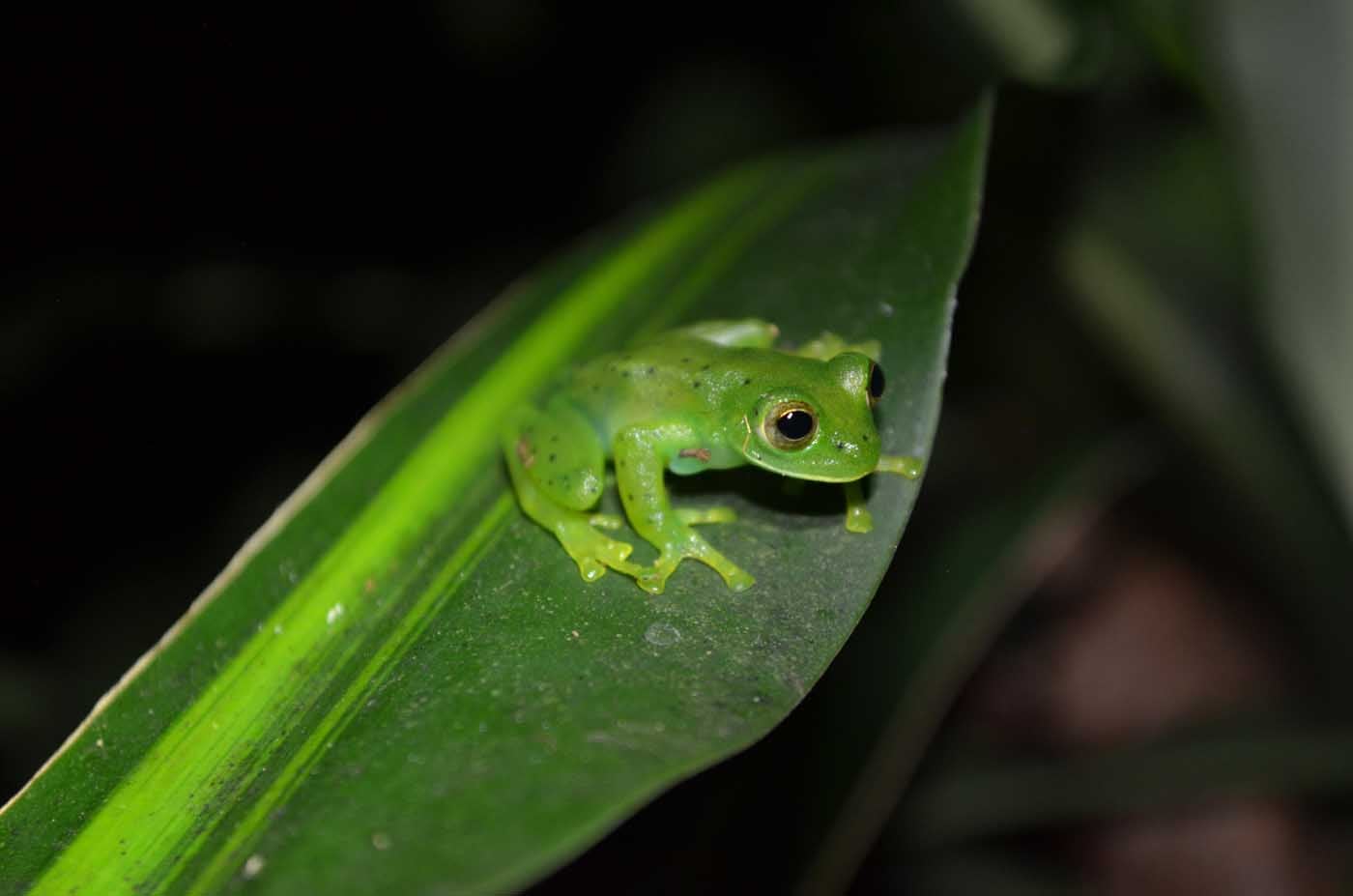
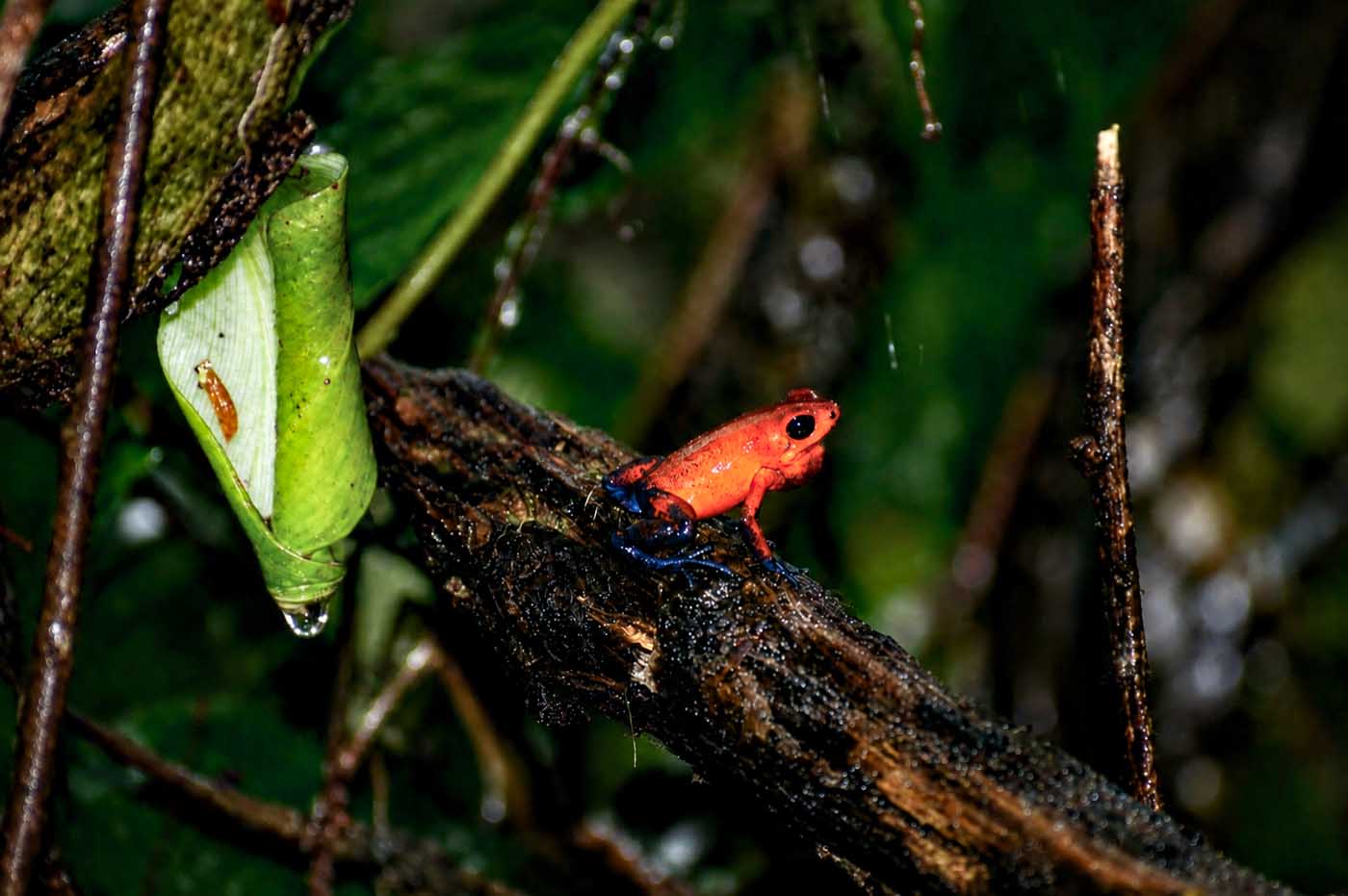
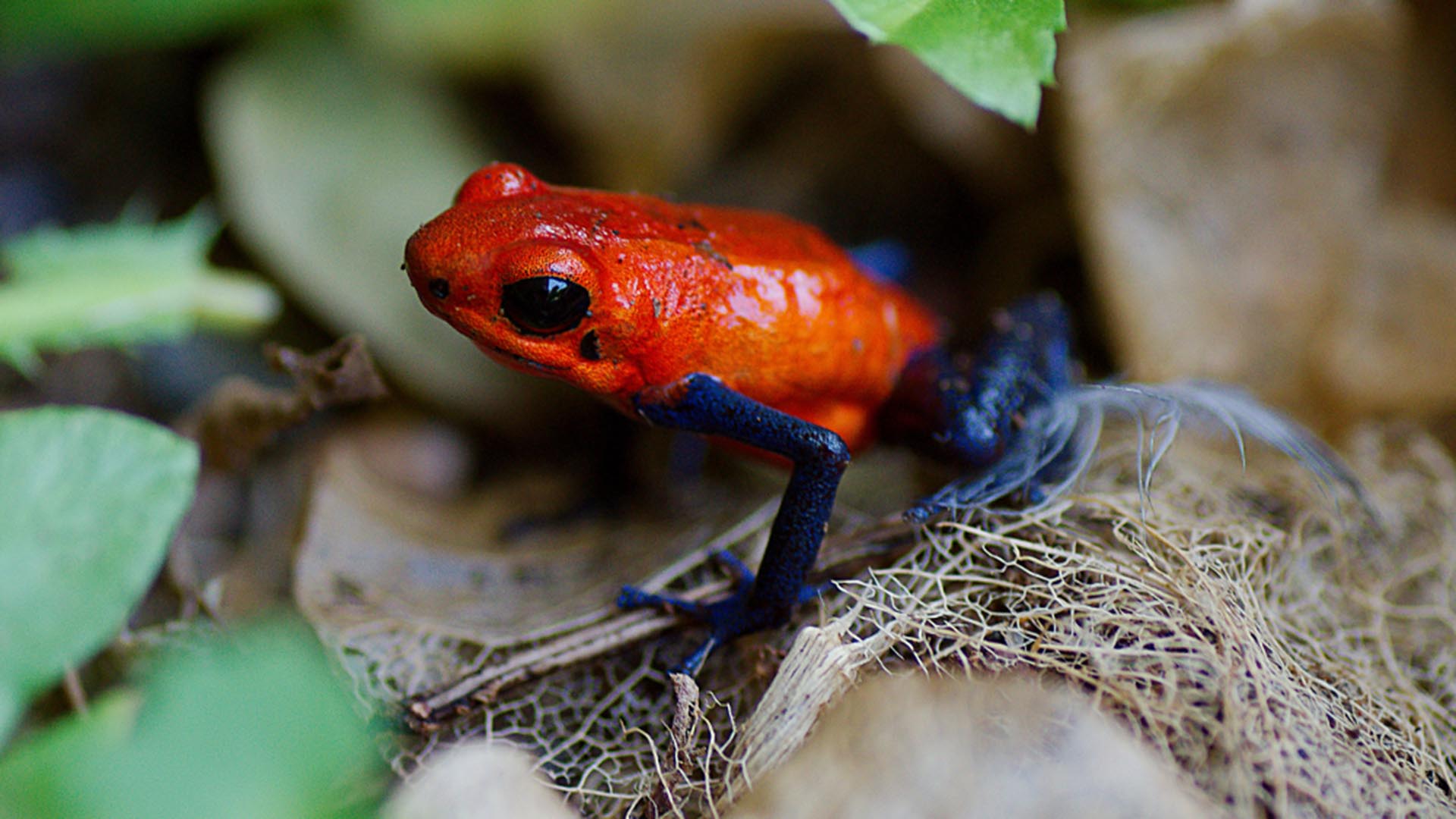
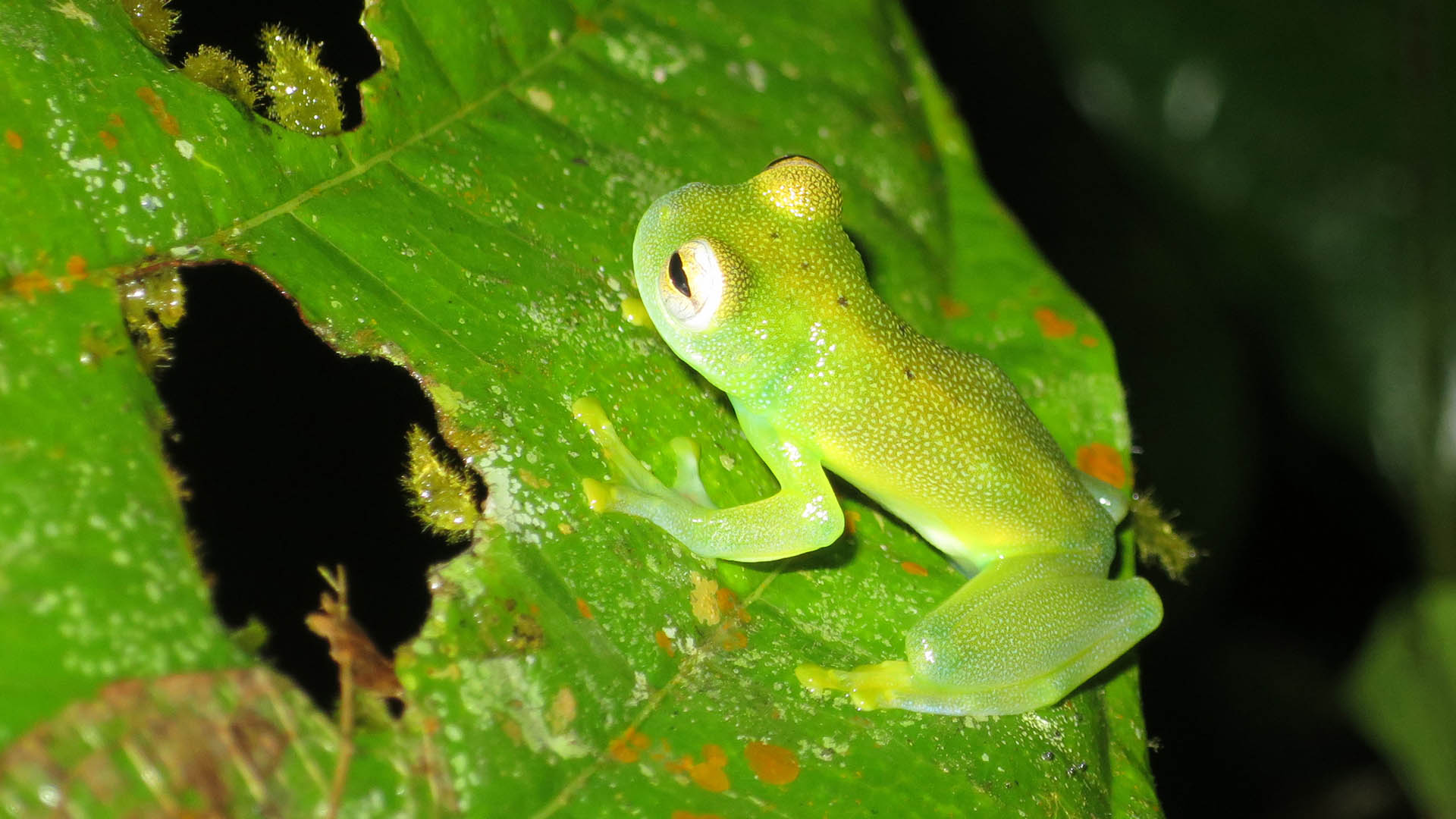
Our work began at La Catalina Botanical Garden, where efforts centered around improving habitat for the golden-eyed tree frog and other native amphibians. Conservation work there took many forms: planting native vegetation, restoring breeding habitat, removing trash and tires from a local river system, and constructing additional pond areas for tadpoles using upcycled materials recovered during cleanup efforts. Every improvement was designed with the local ecosystem in mind — creating healthier, more sustainable environments for frogs and countless other species that rely on these habitats.
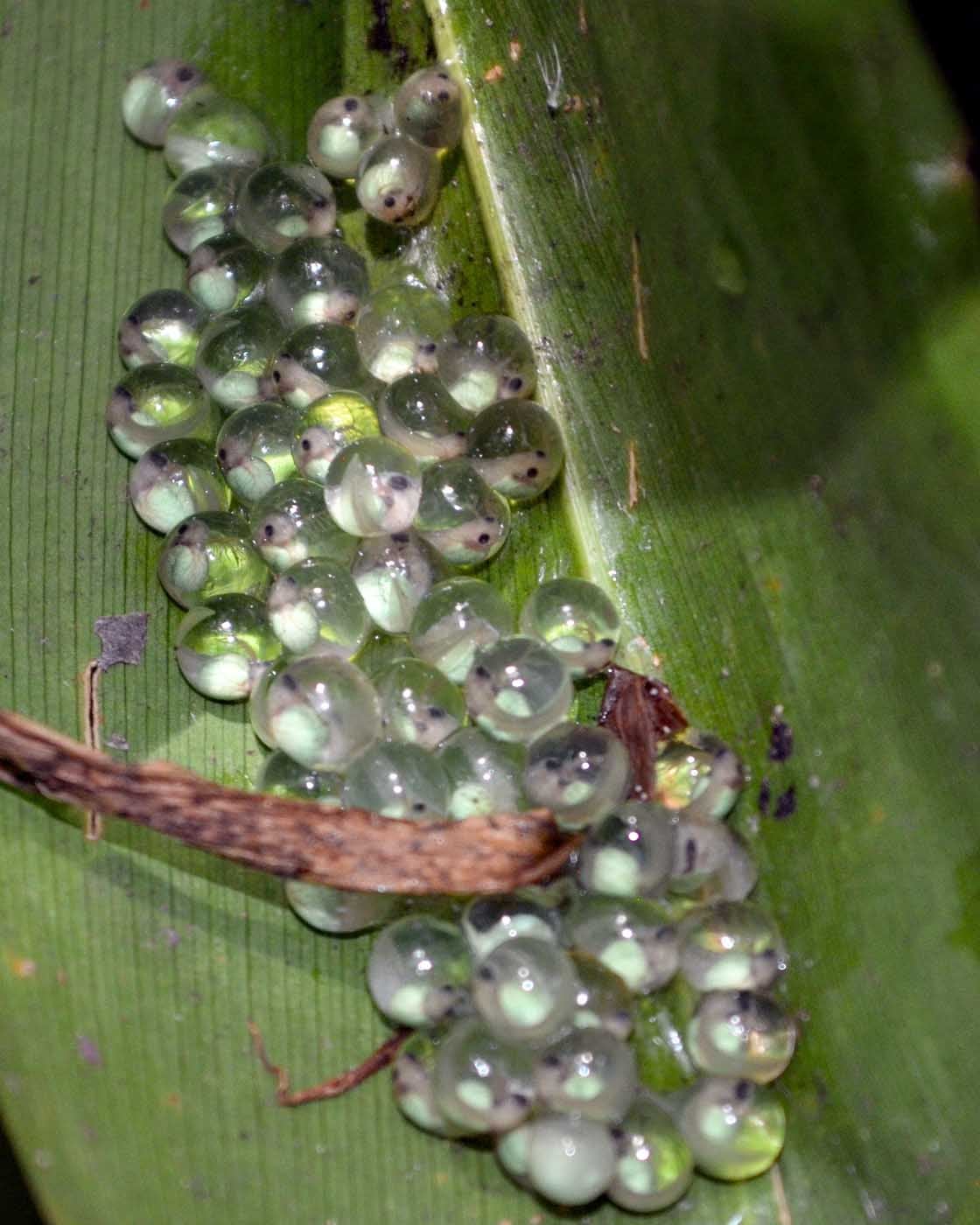
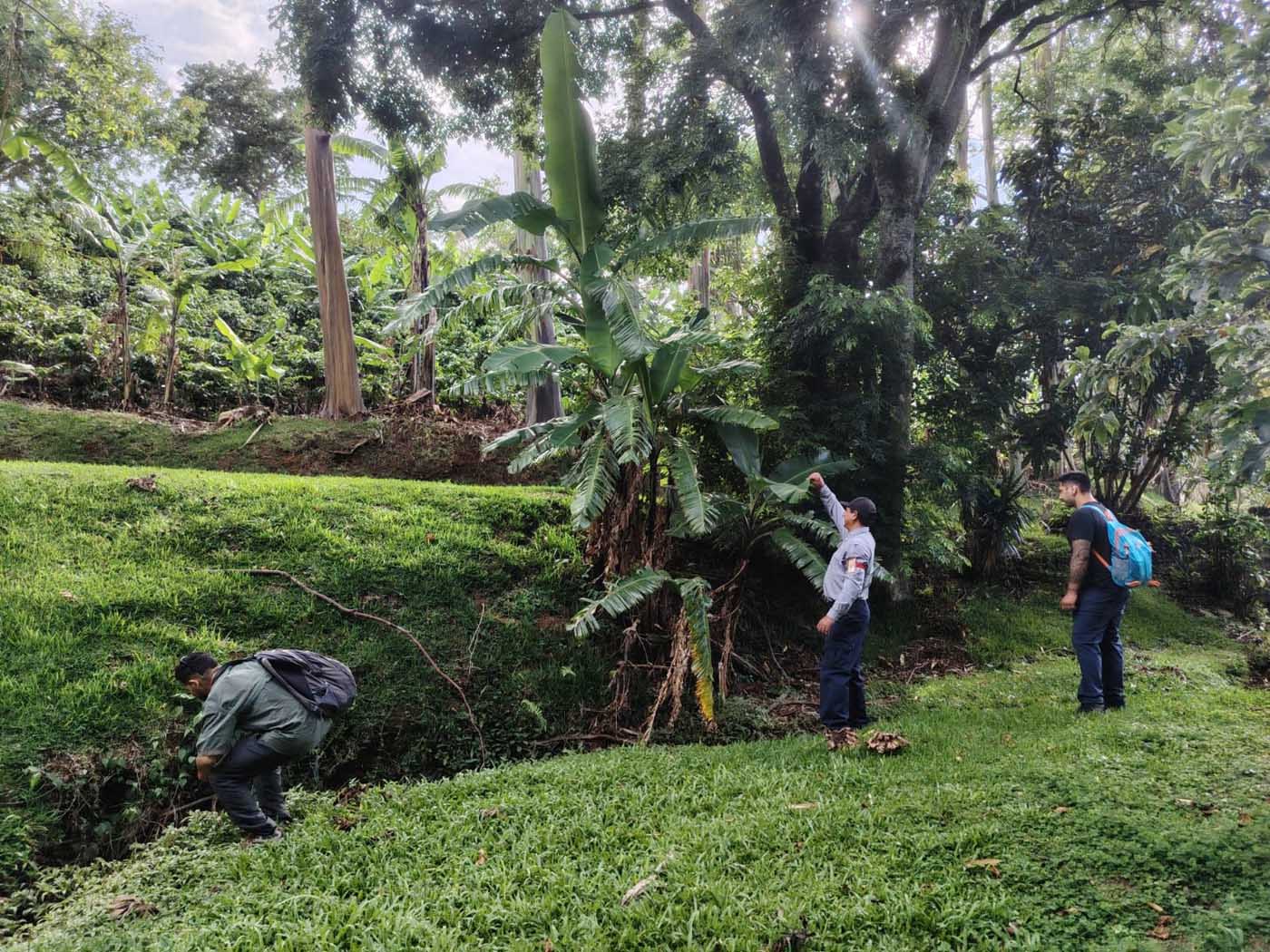
An especially impactful moment came during amphibian surveys at one of Costa Rica’s largest coffee plantations. Populations of golden-eyed tree frogs had been reported there, and during our surveys we discovered that some tadpole deposition sites contained chlorinated water, which posed a major threat to developing amphibians. While some tadpoles had already been lost, we were able to rescue egg masses and work directly with the company to encourage the removal of chlorinated water from these habitats. Small changes like this can have immediate conservation impact and demonstrate how collaboration between conservationists and local industries can make a real difference.
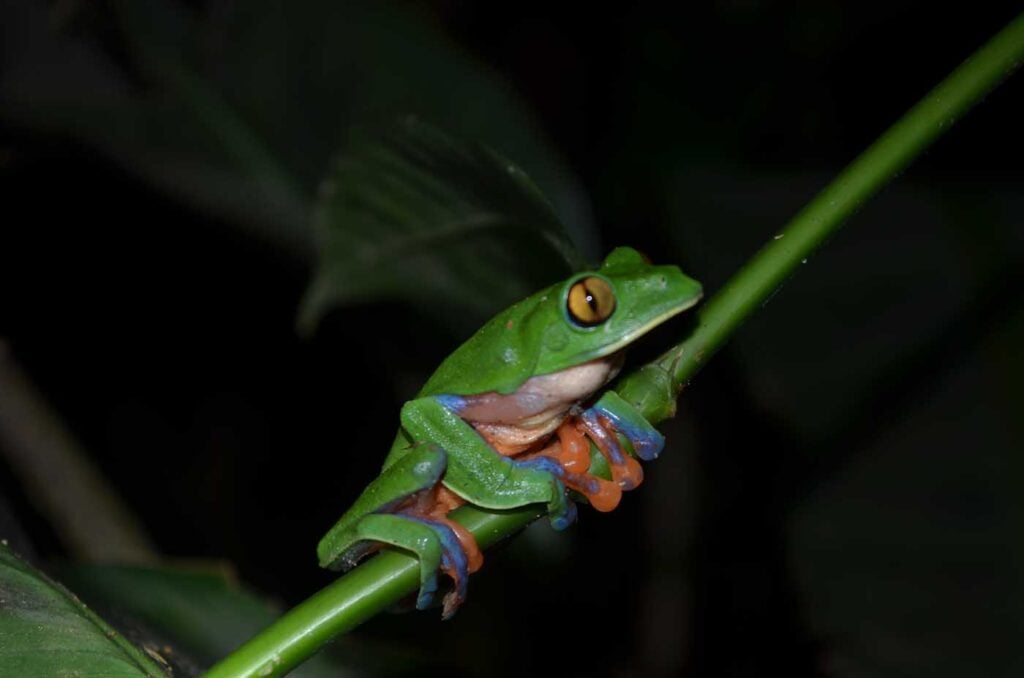
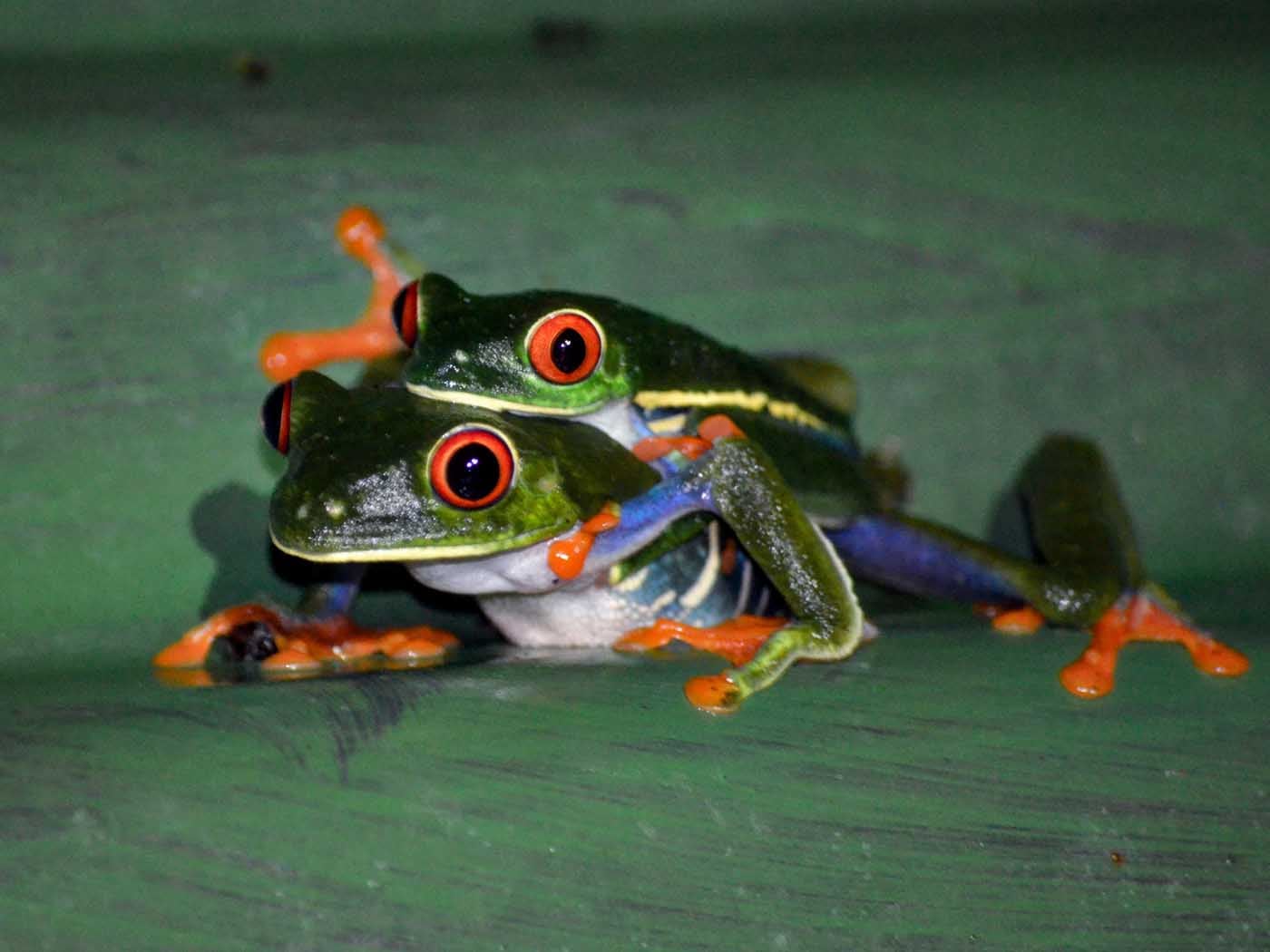
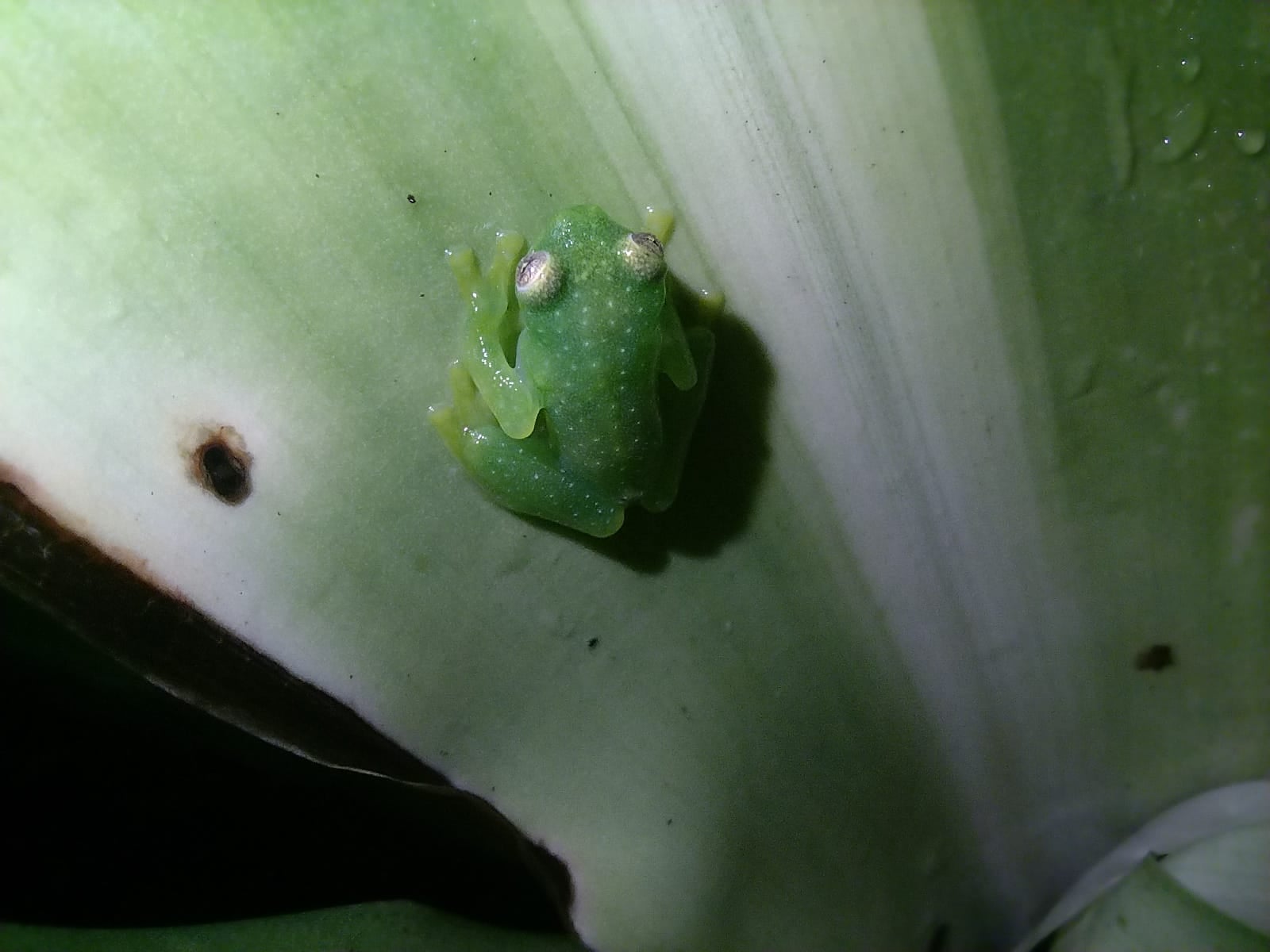
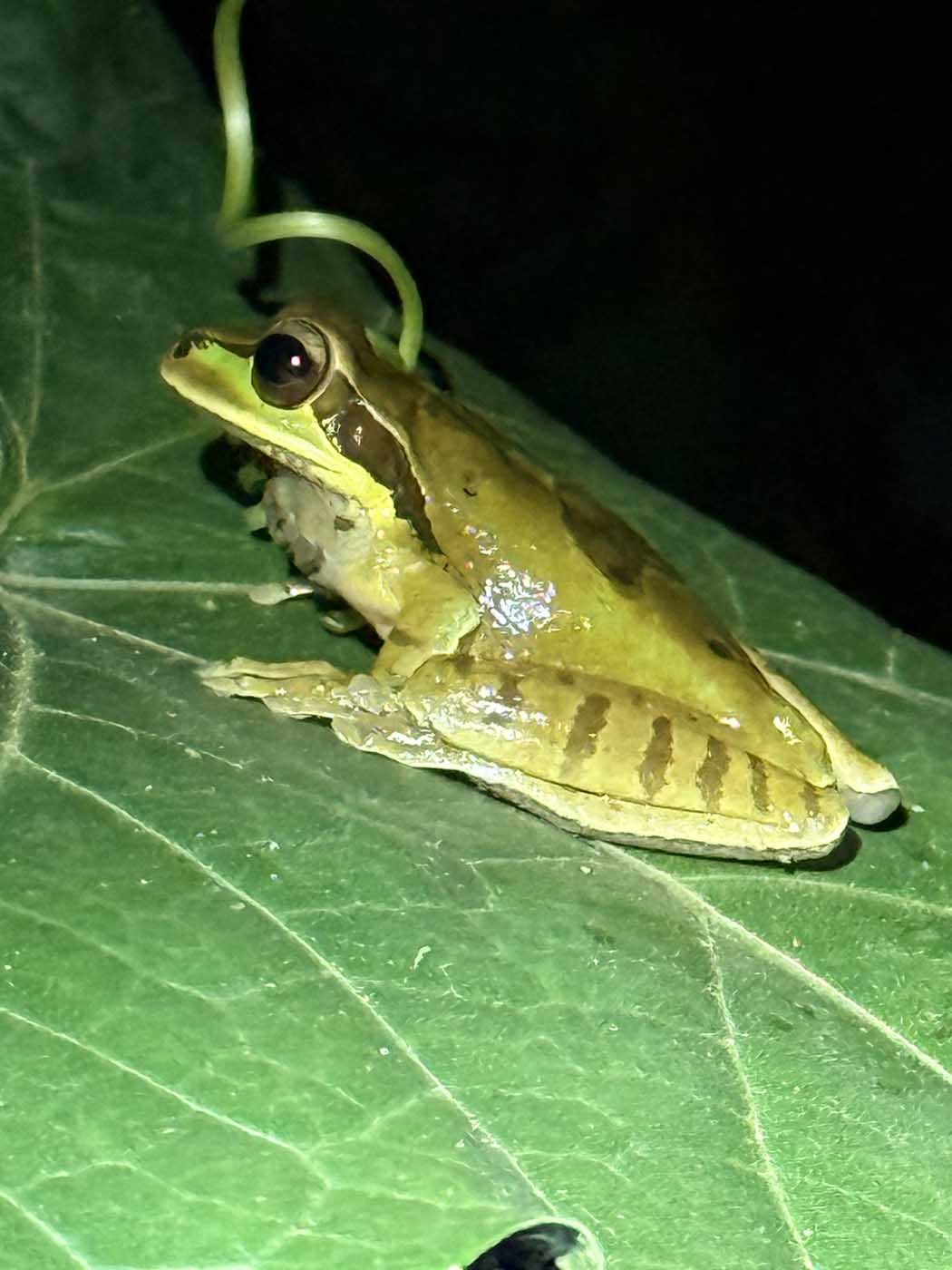
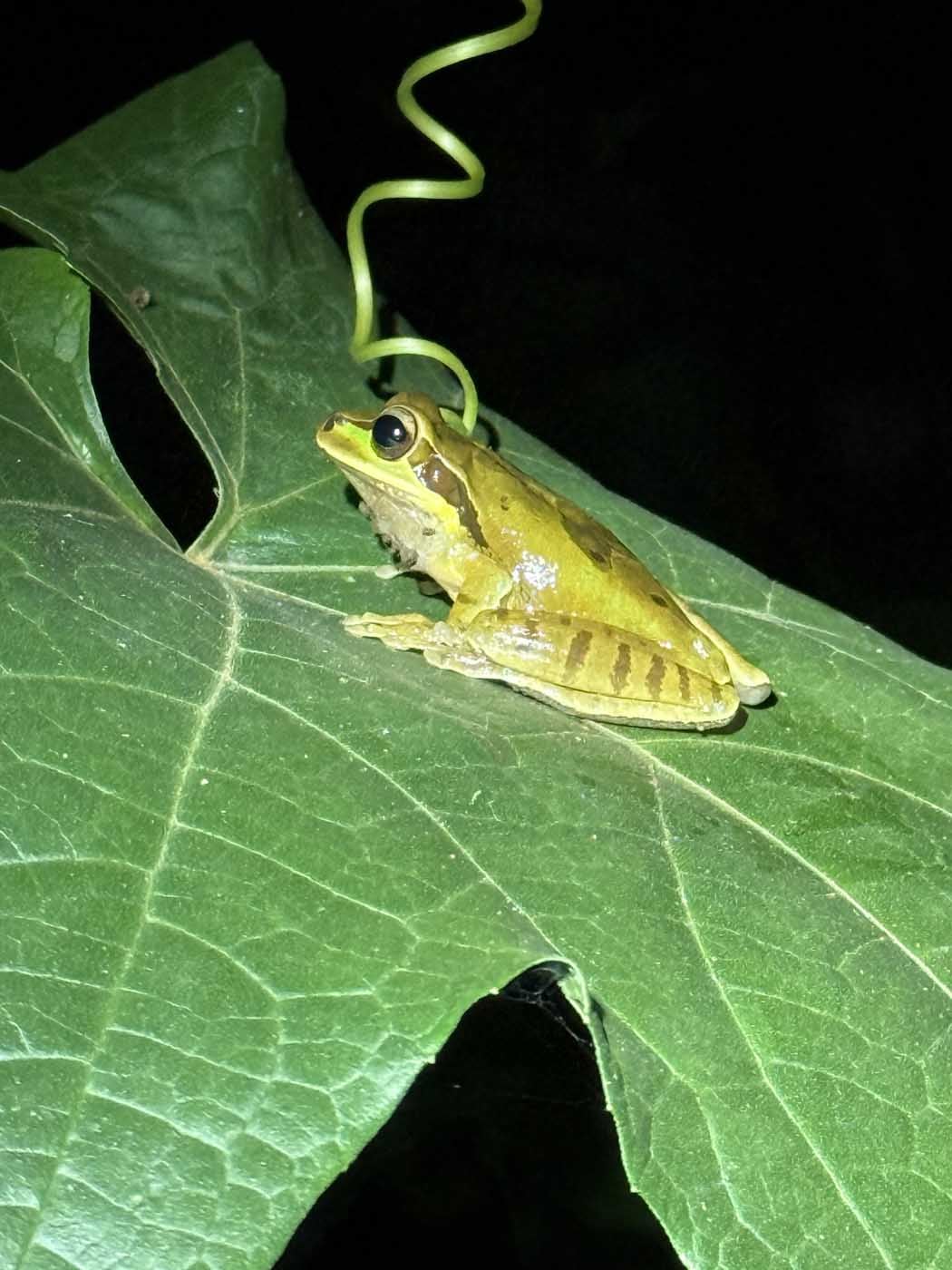
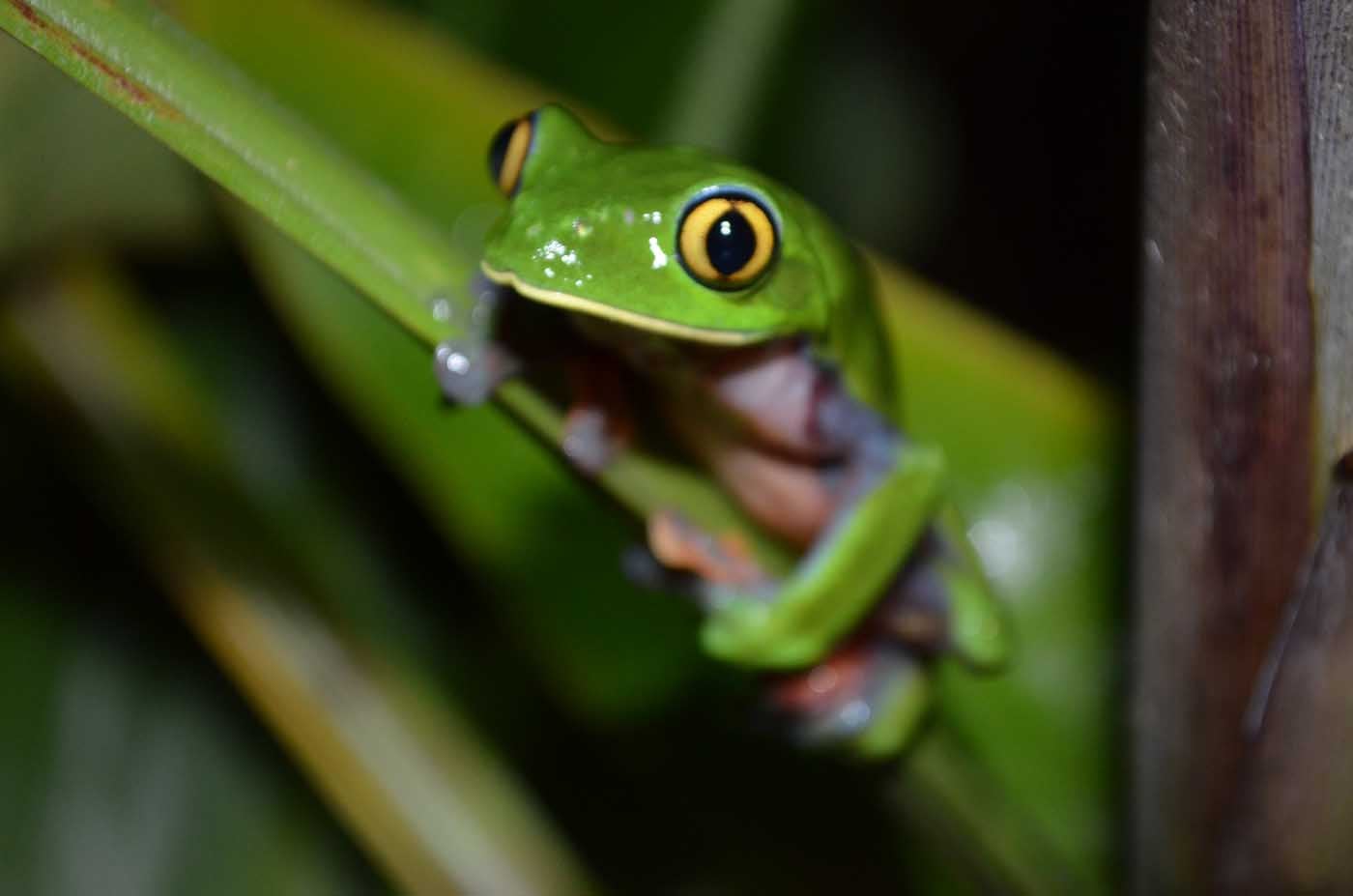
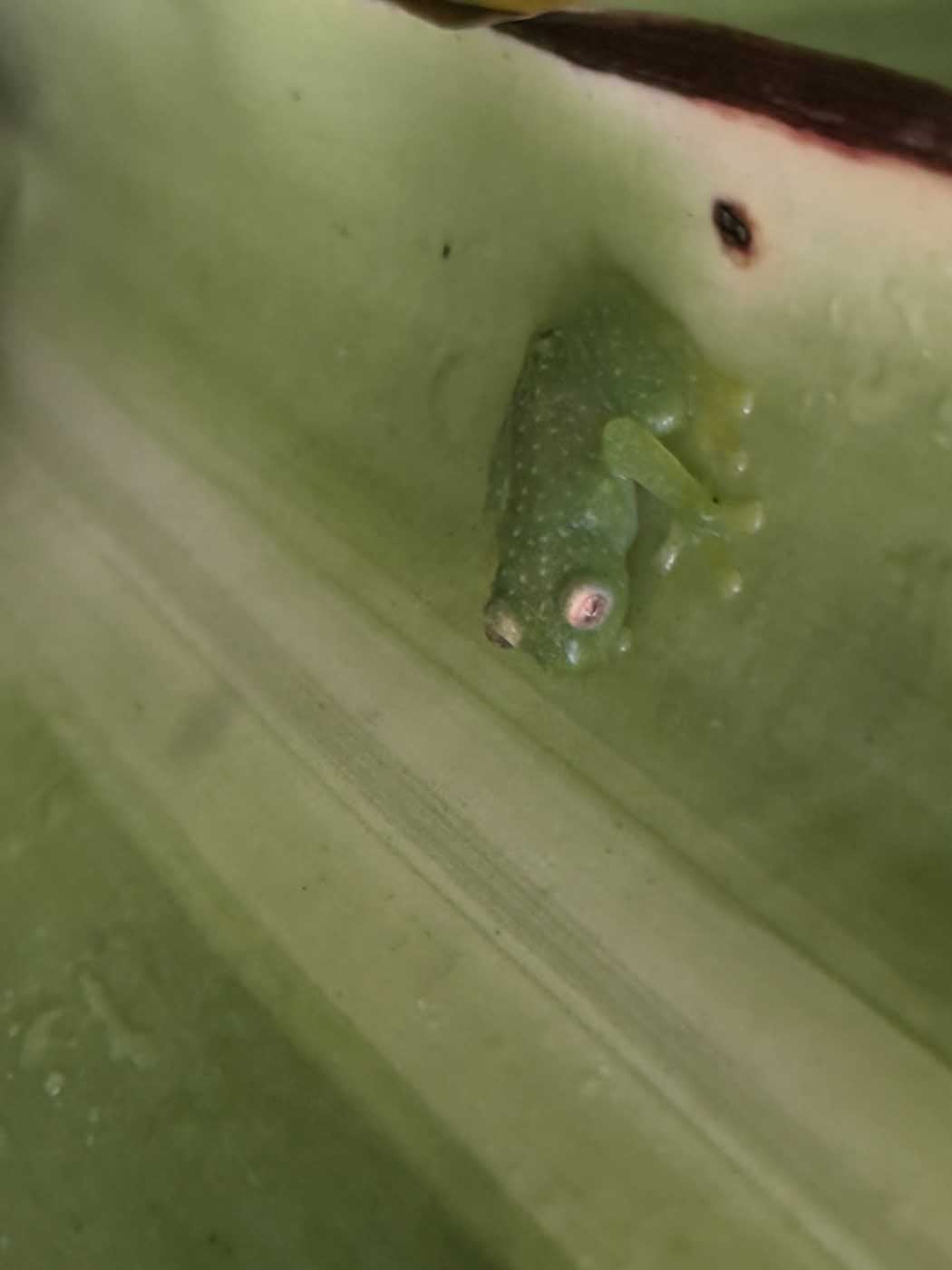
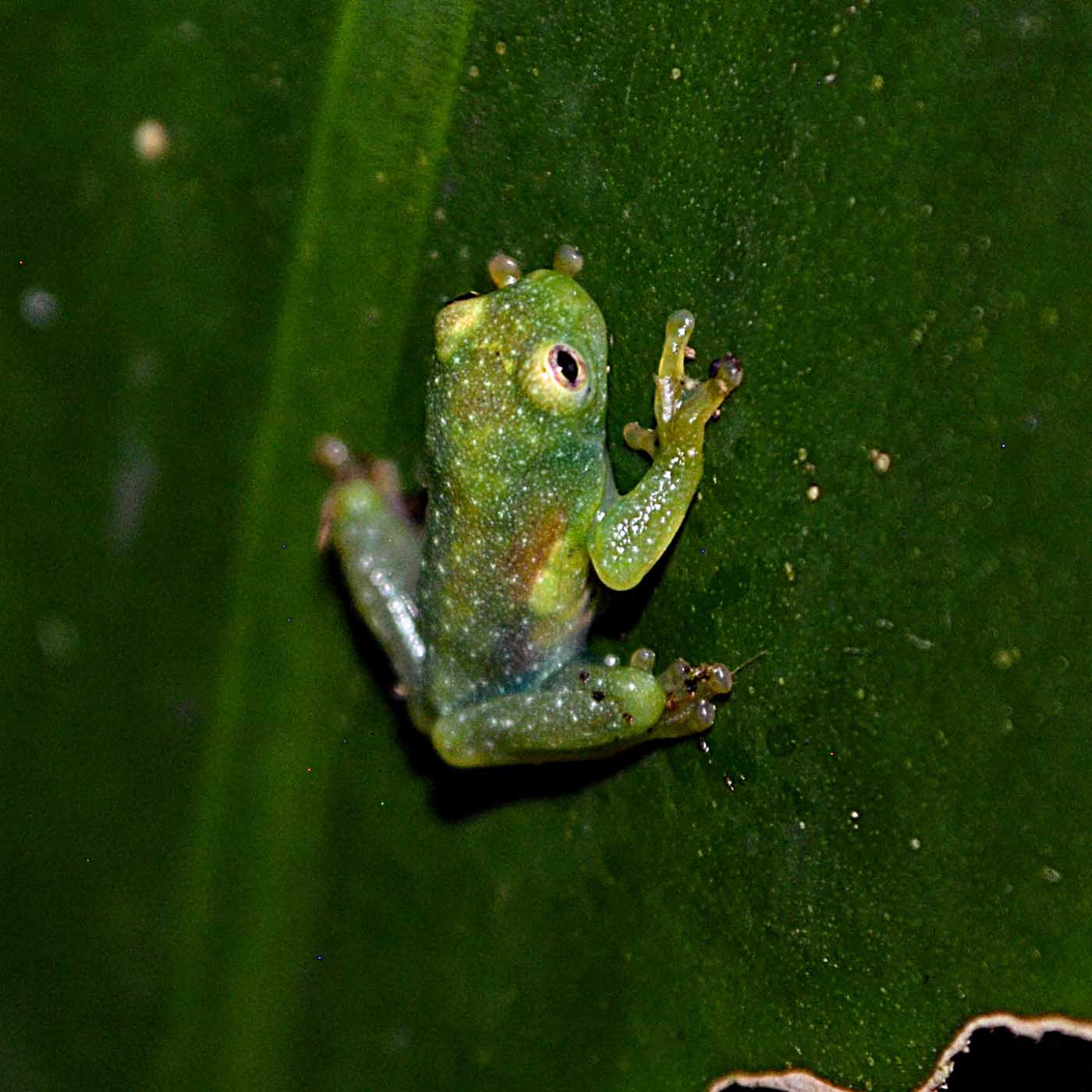
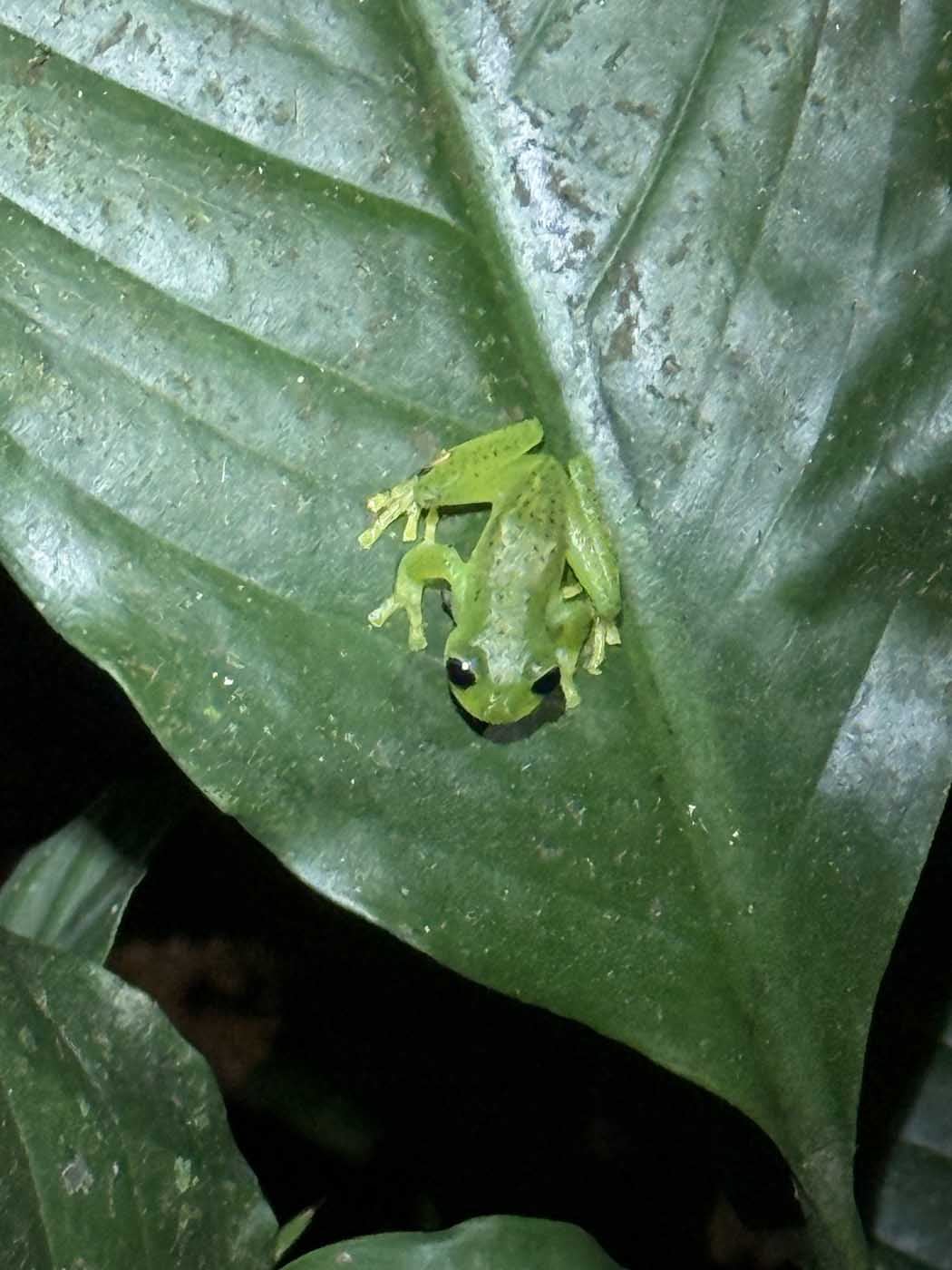
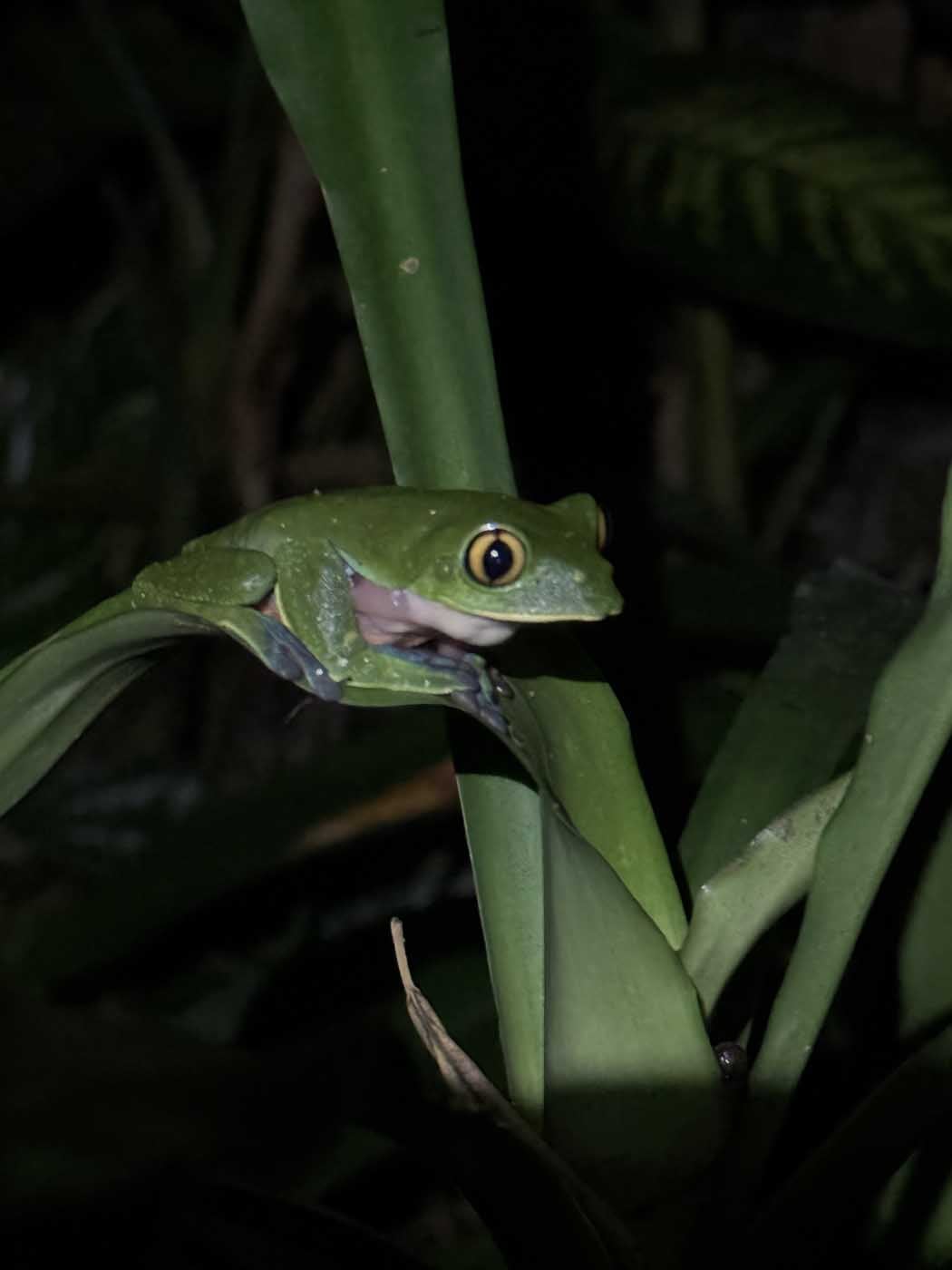
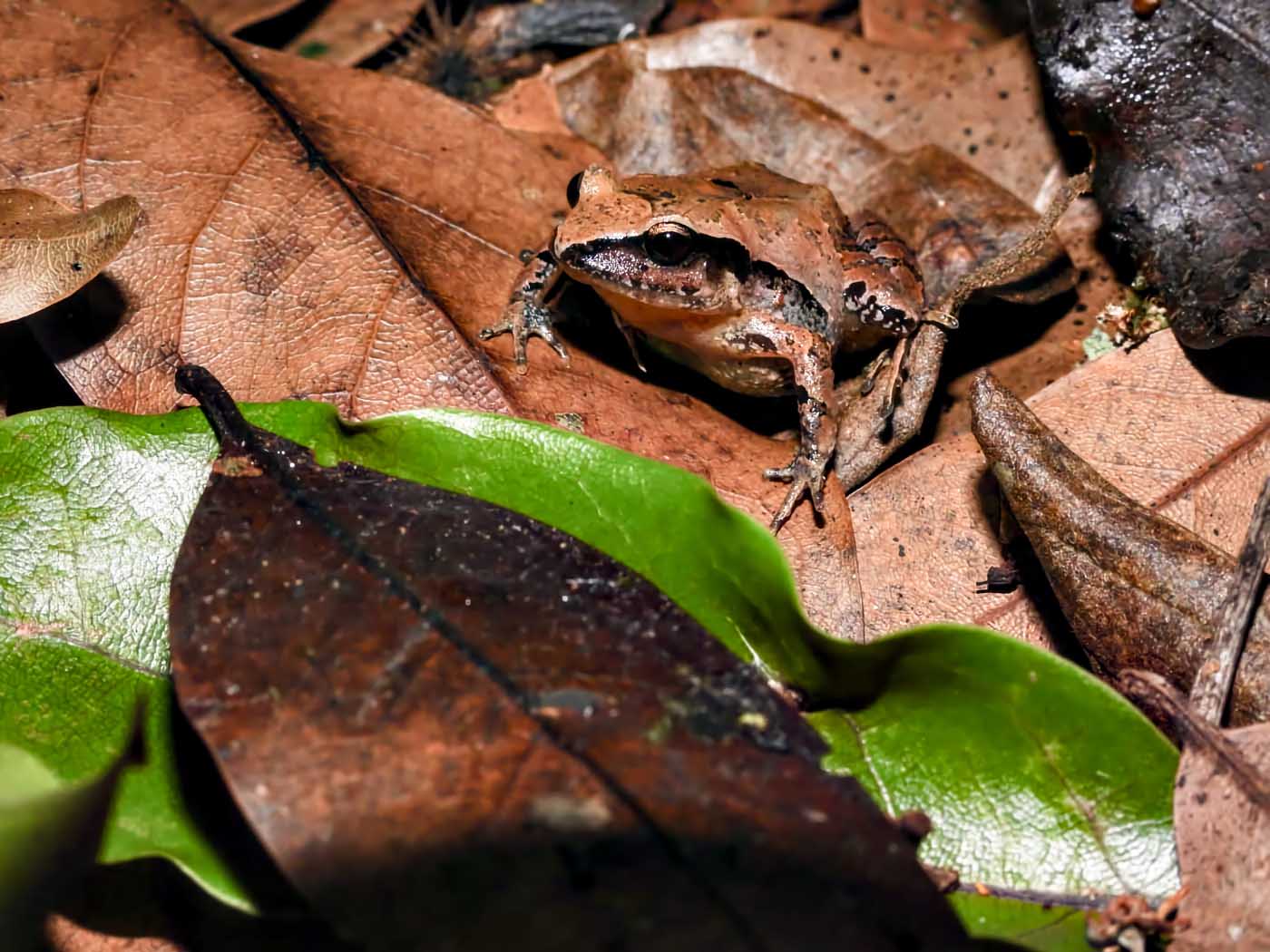
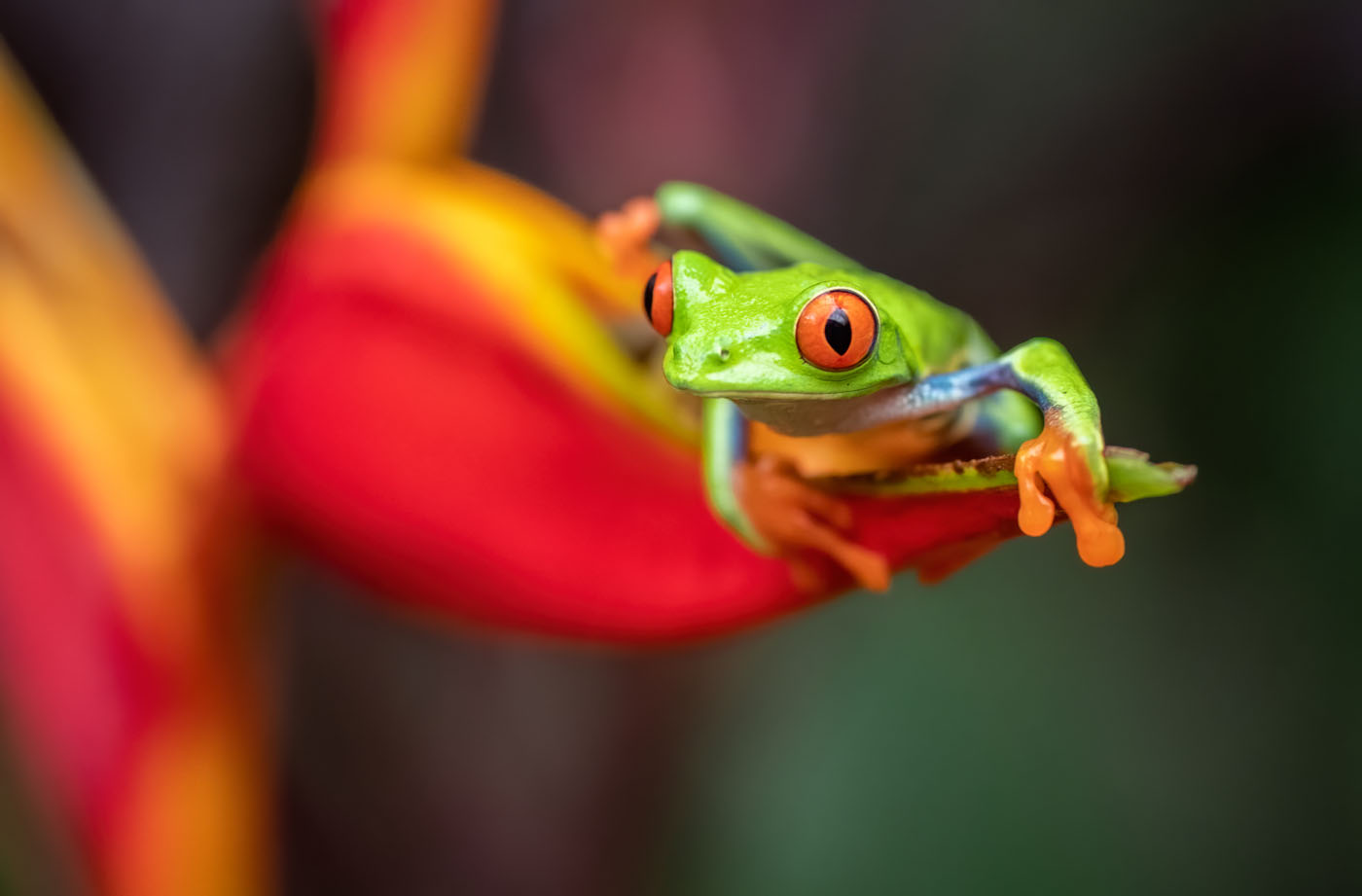
Golden-Eyed Treefrog (Agalychnis annae) at La Catalina Botanical Garden
Finca Ecoórganica
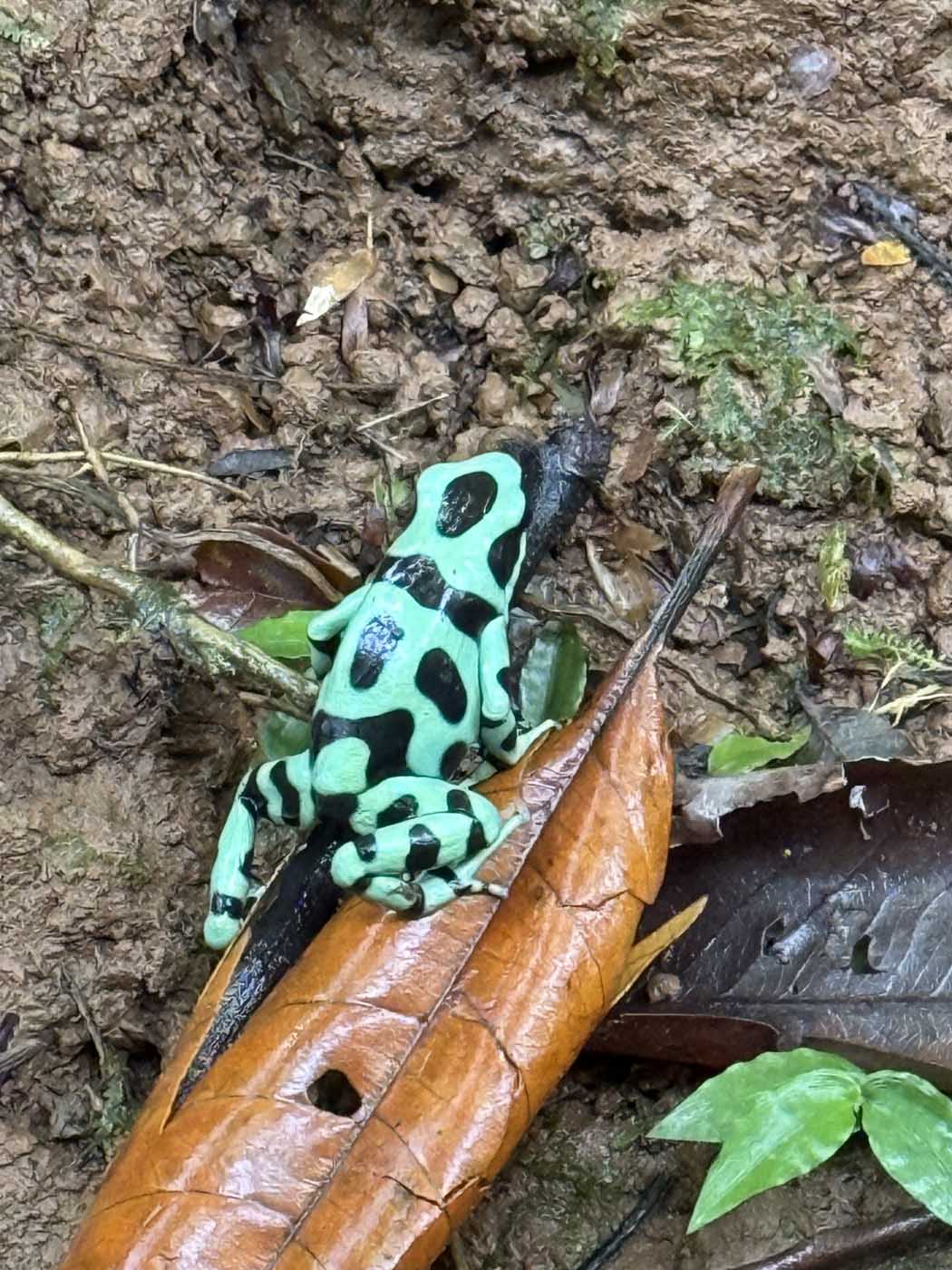
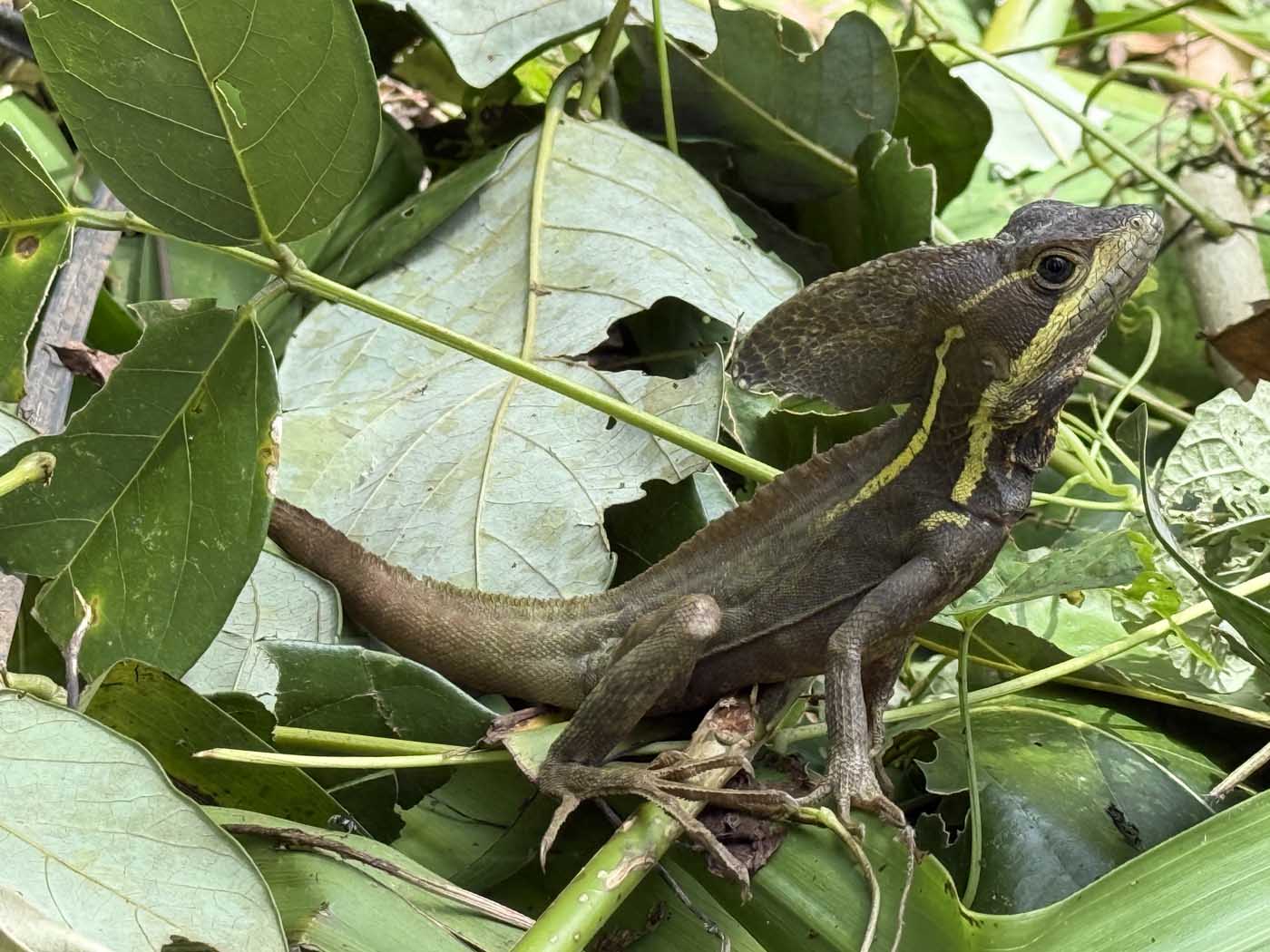
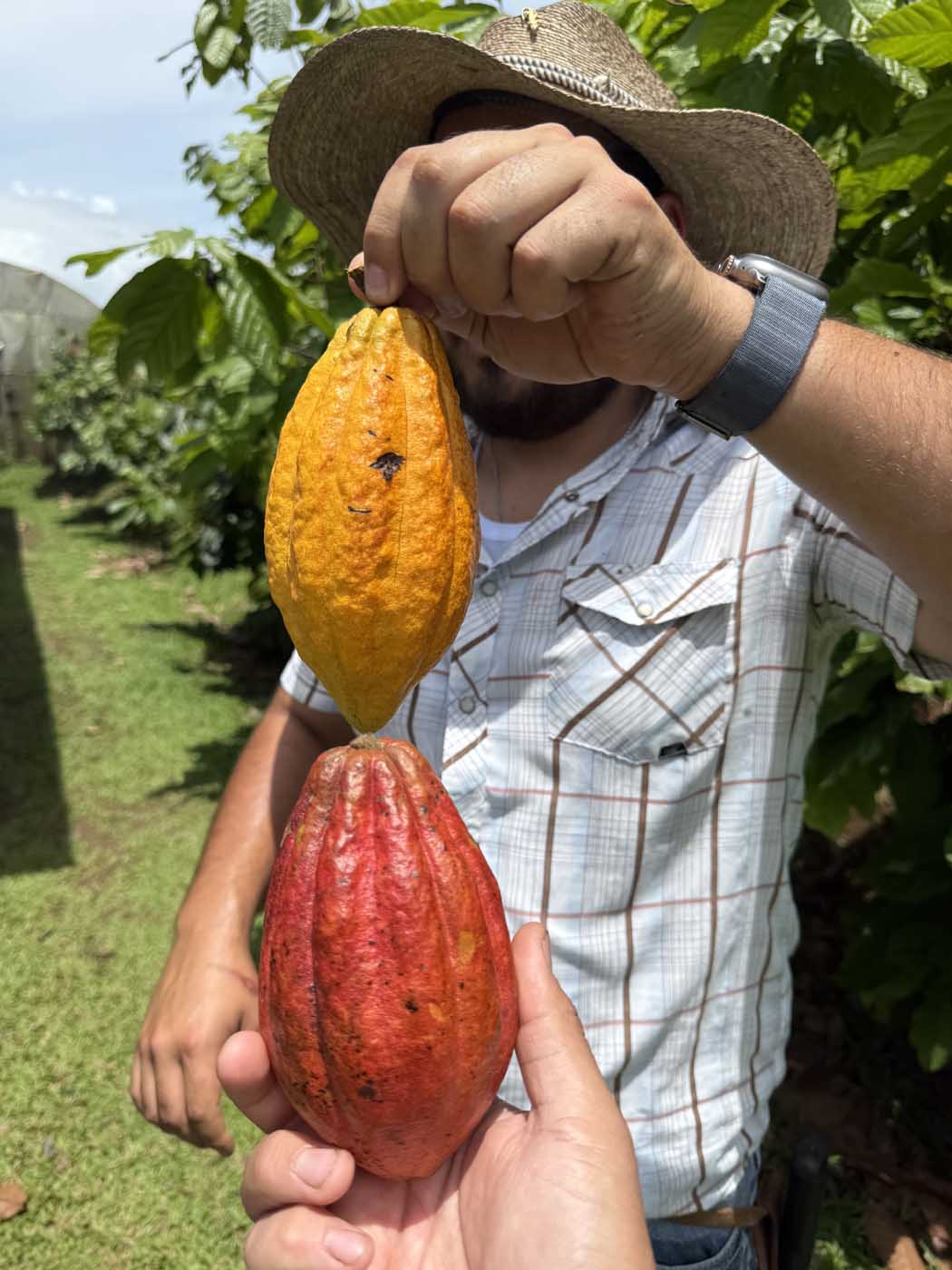
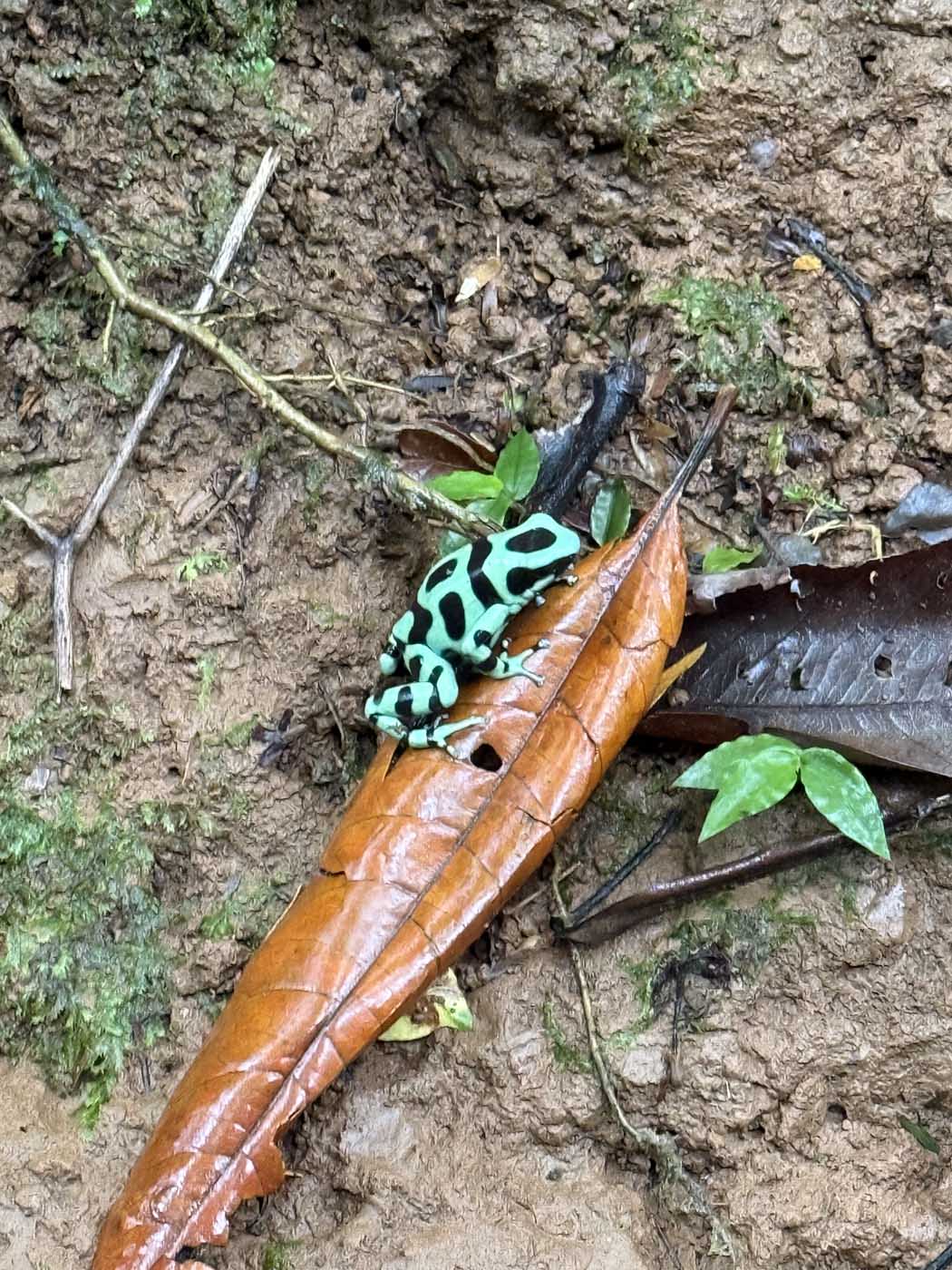
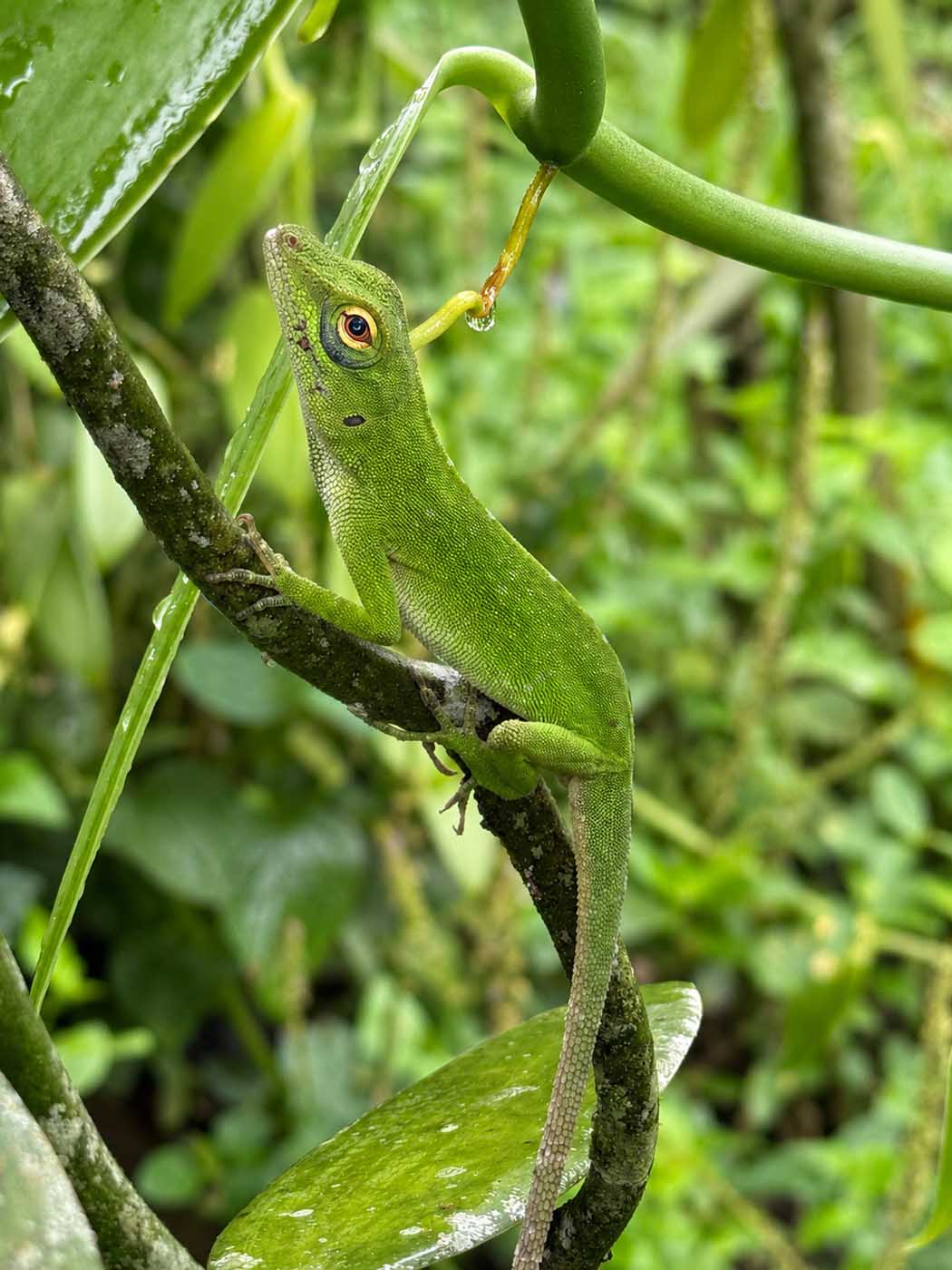
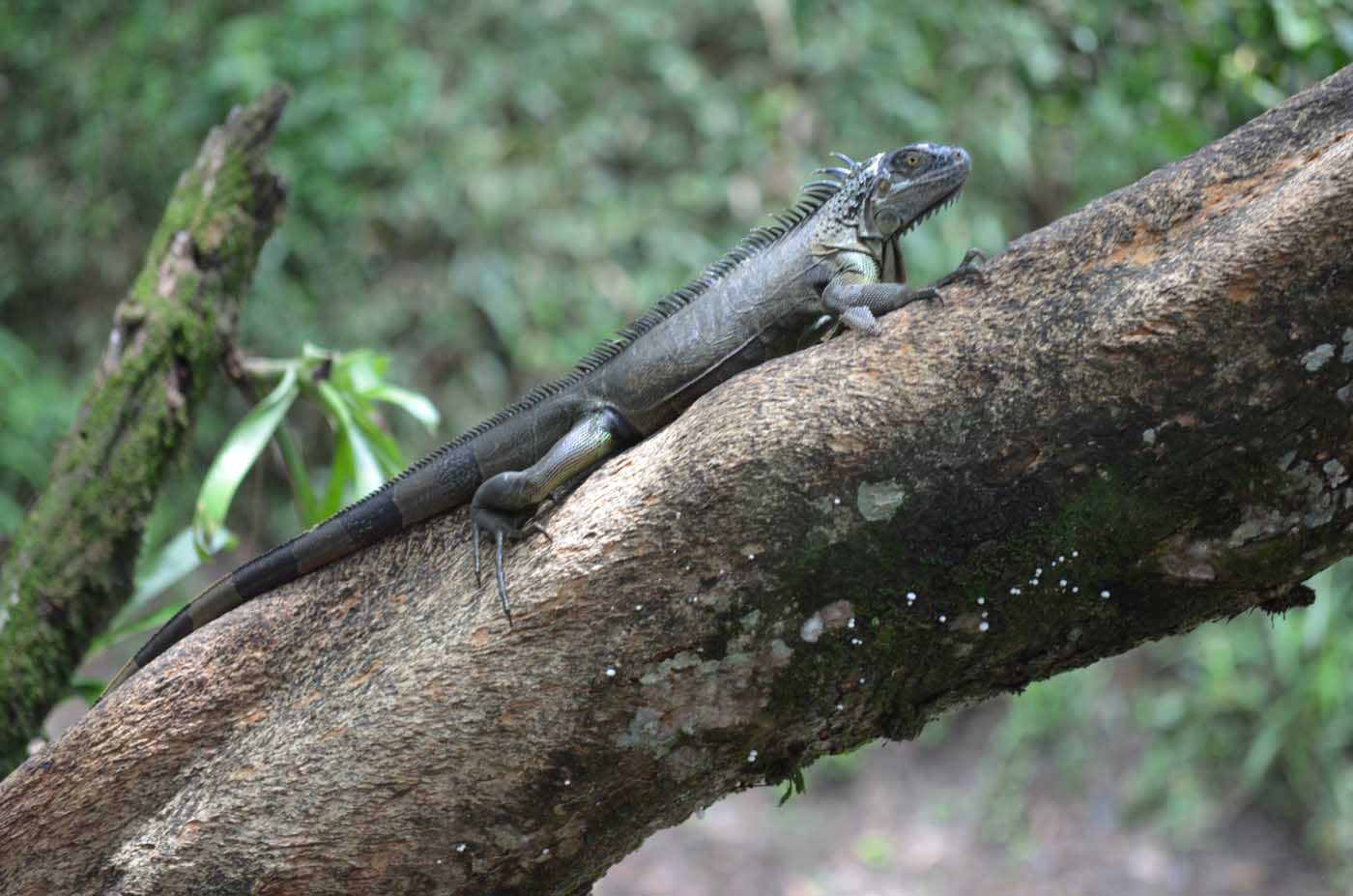
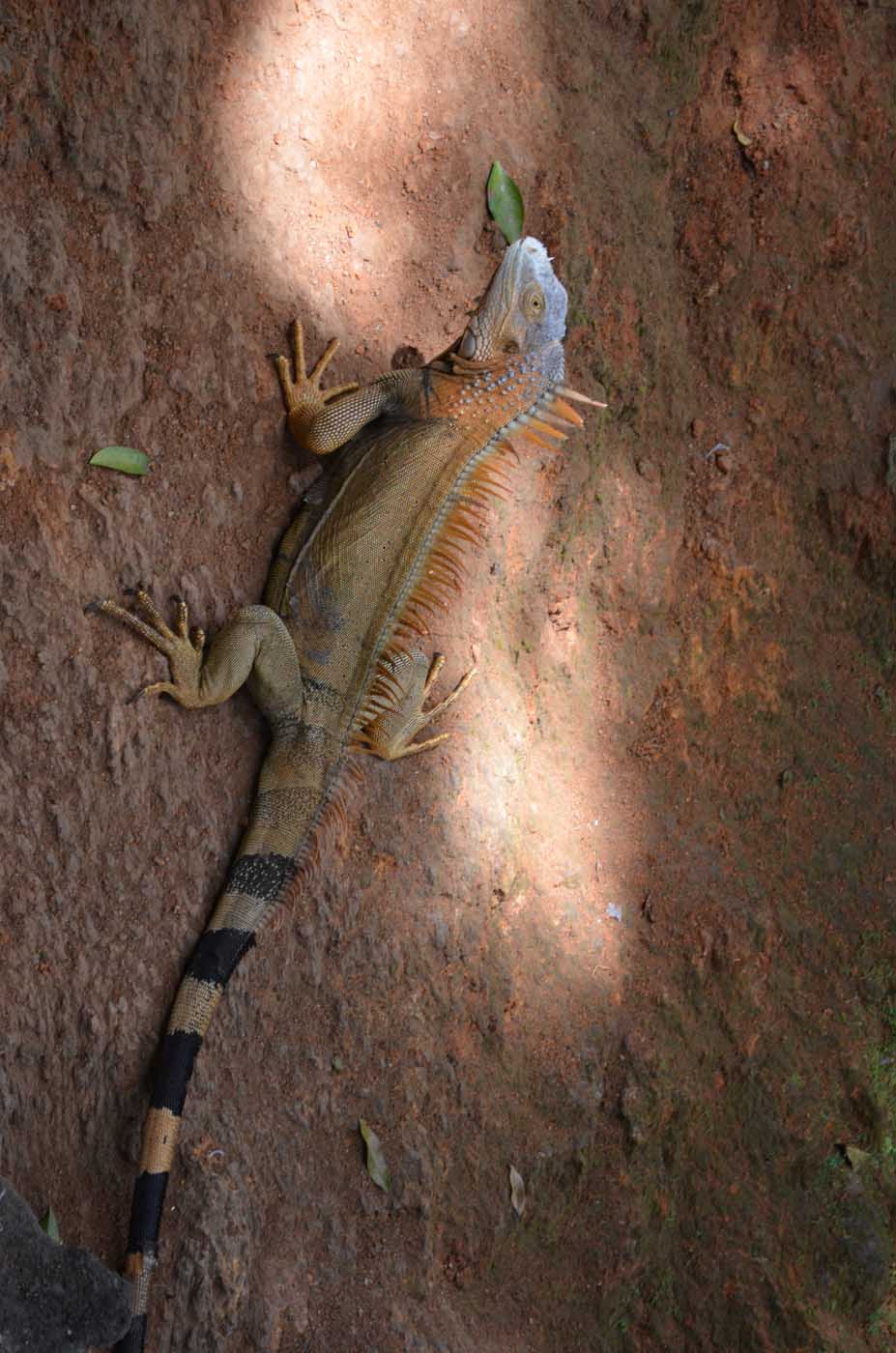
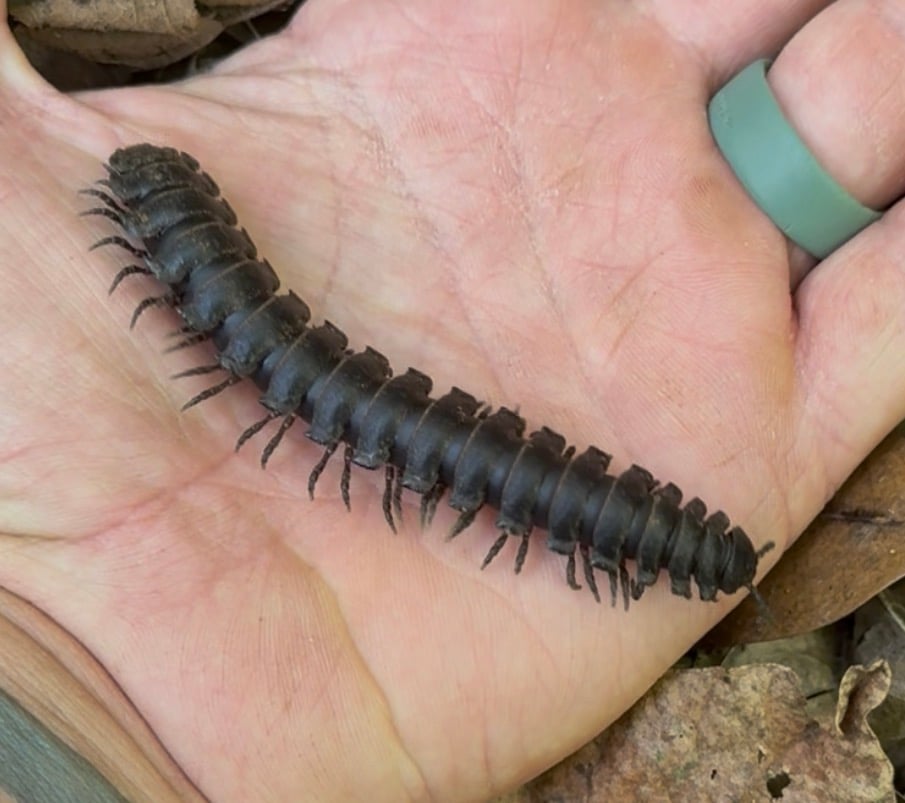
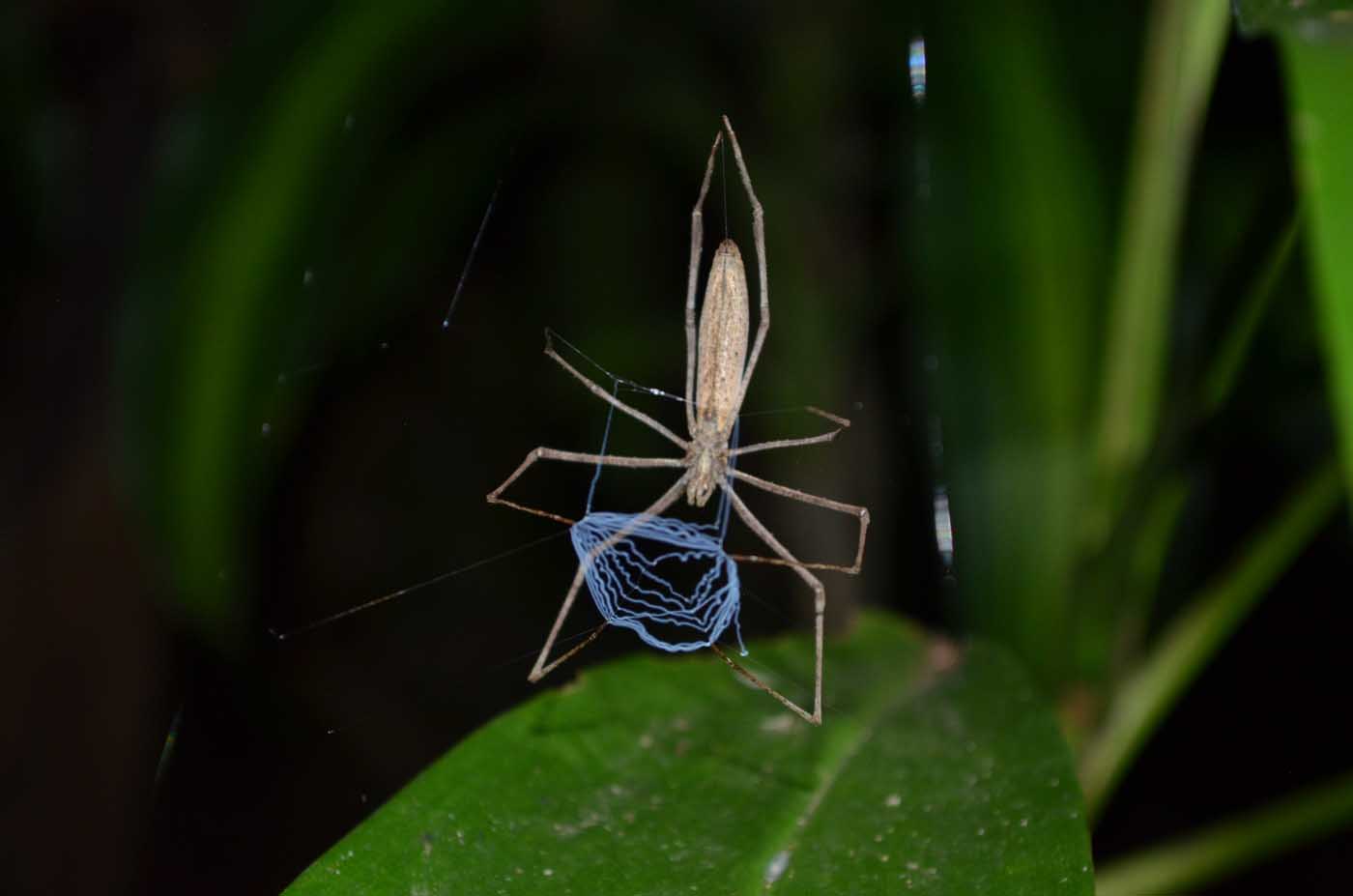
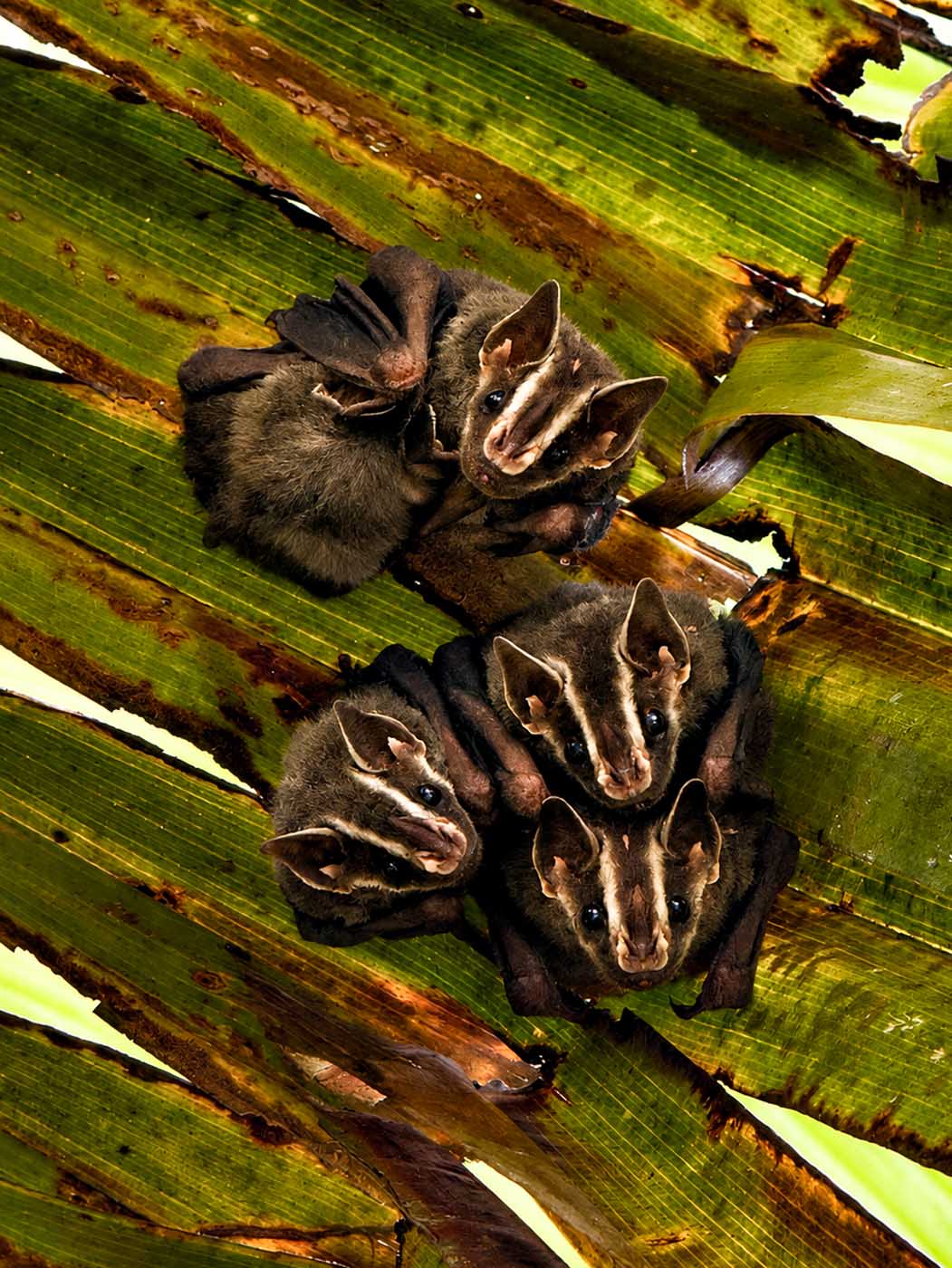
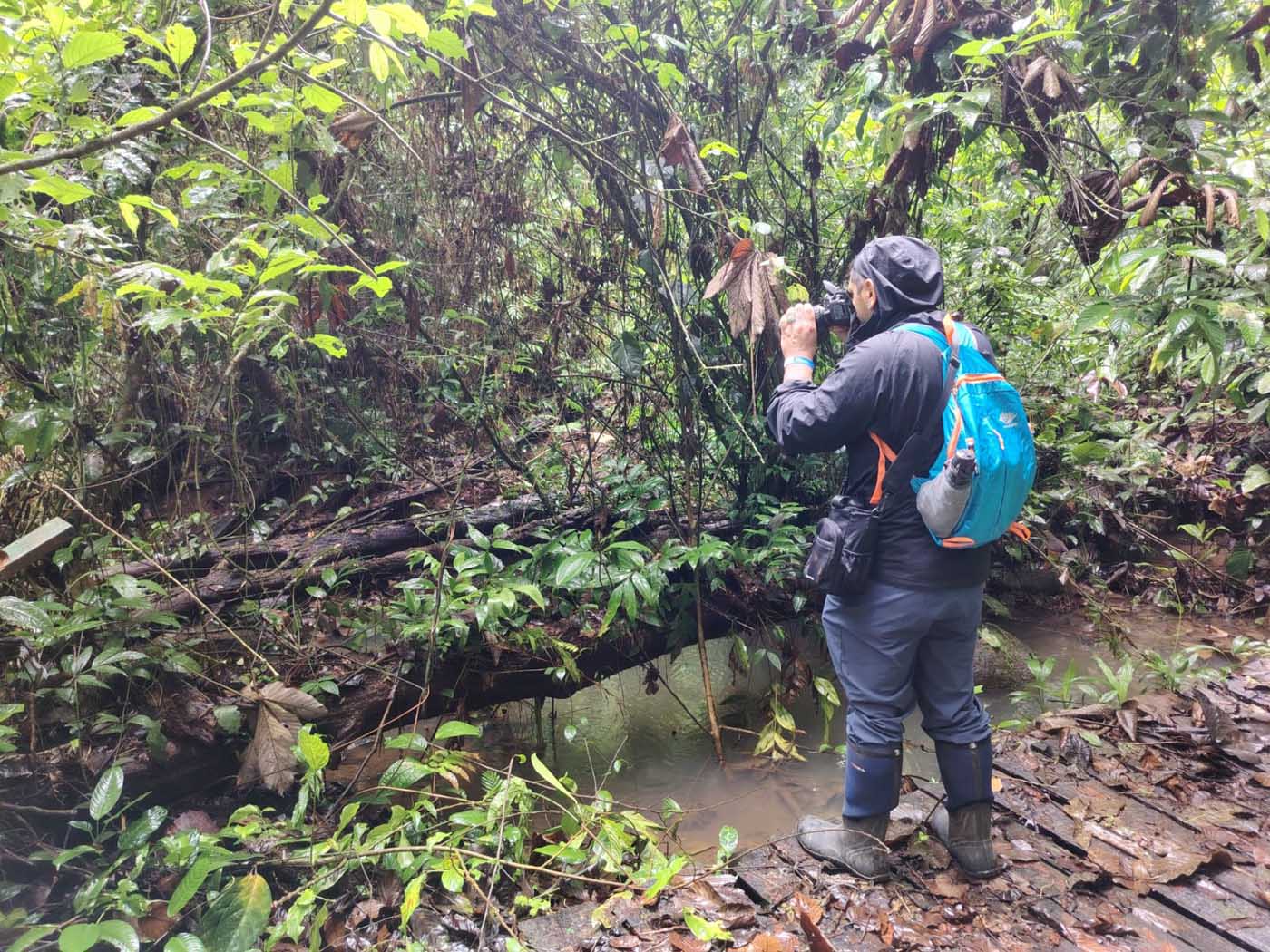
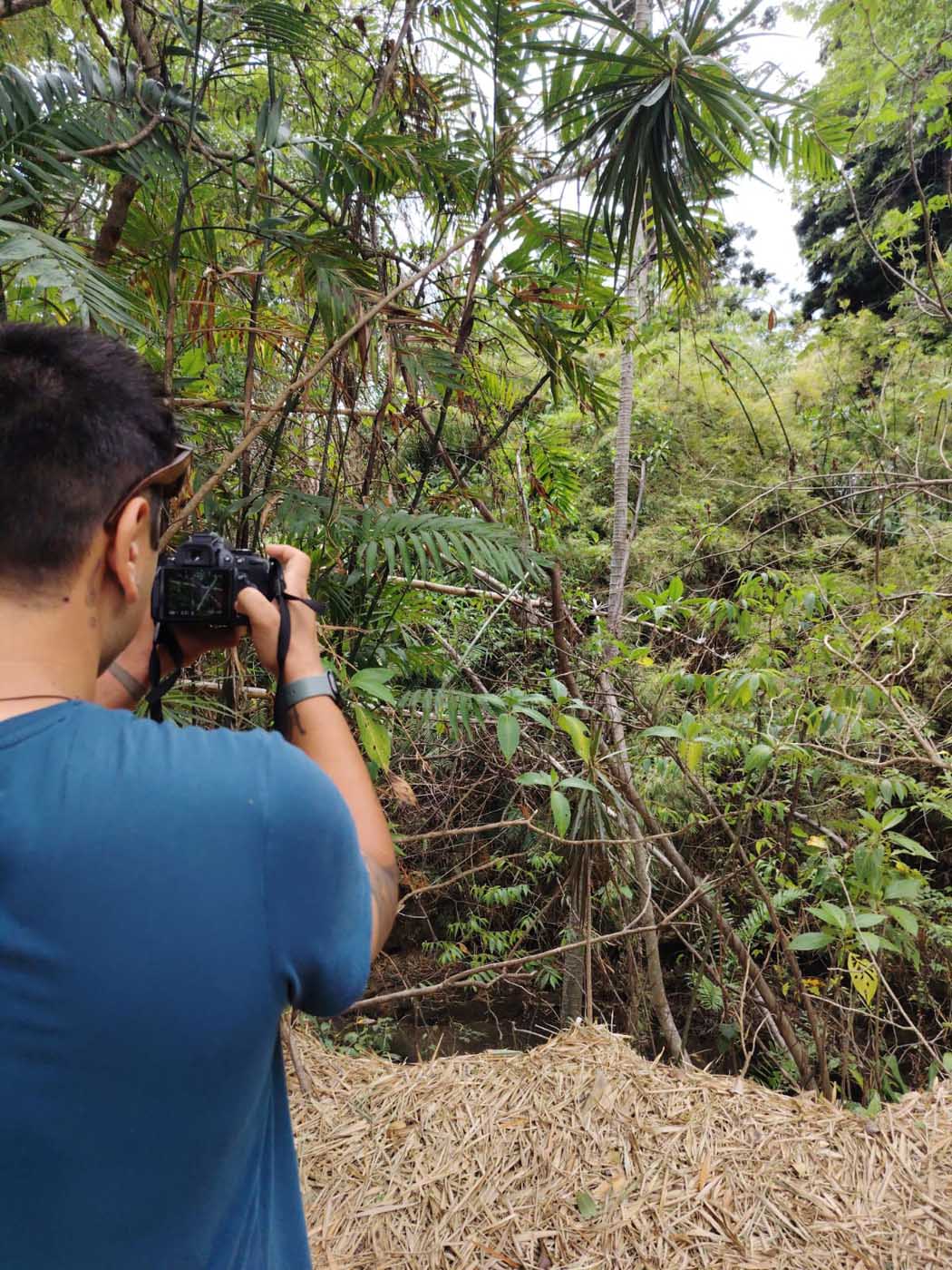
The second half of the project took place in Sarapiquí at Finca Ecoórganica, where conservation efforts expanded beyond amphibians to include broader habitat stewardship and sustainable agriculture practices. Rather than introducing new water sources, we focused on improving existing pond habitats by planting native vegetation around them to provide shelter, breeding sites, and easier access for amphibians and other wildlife. Daily wildlife surveys also helped document local biodiversity, including several rare and exciting sightings.
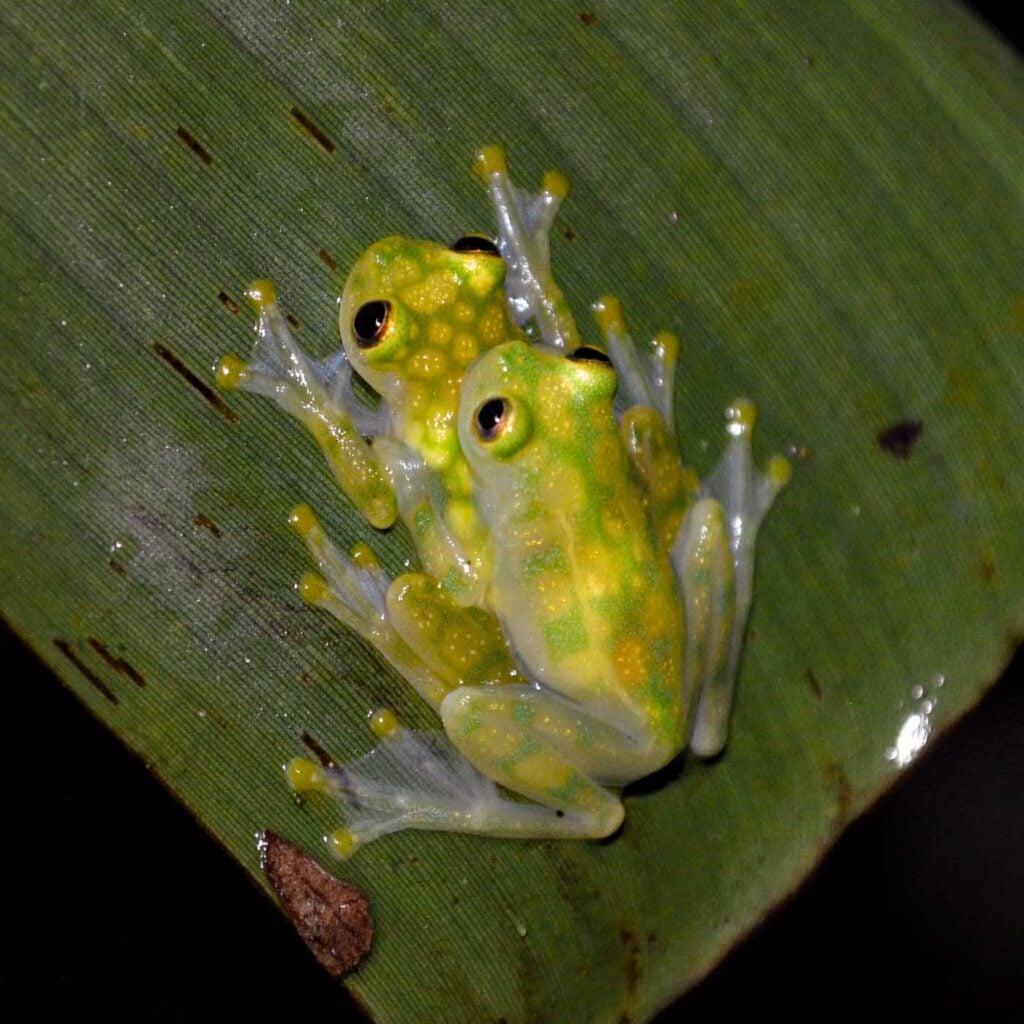
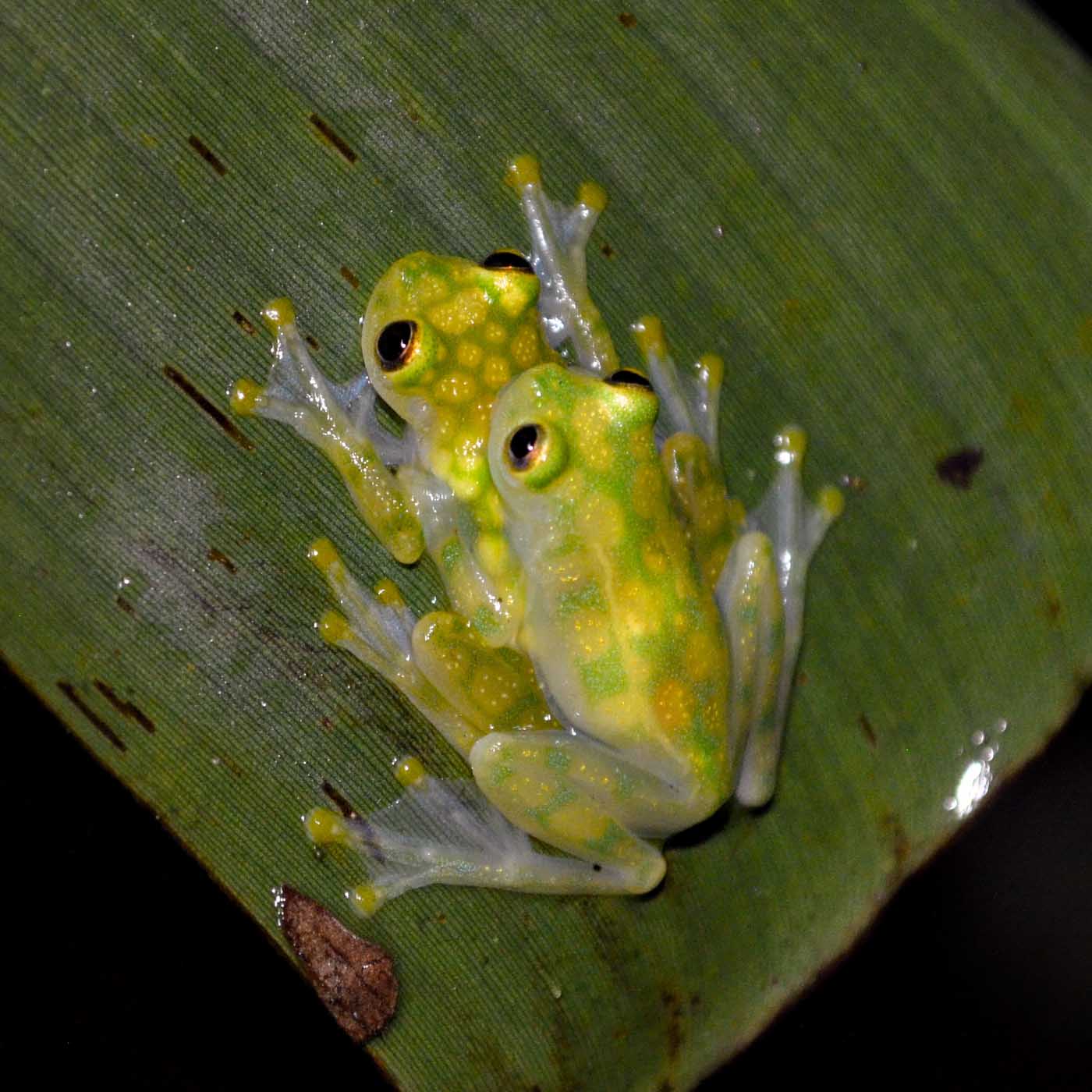
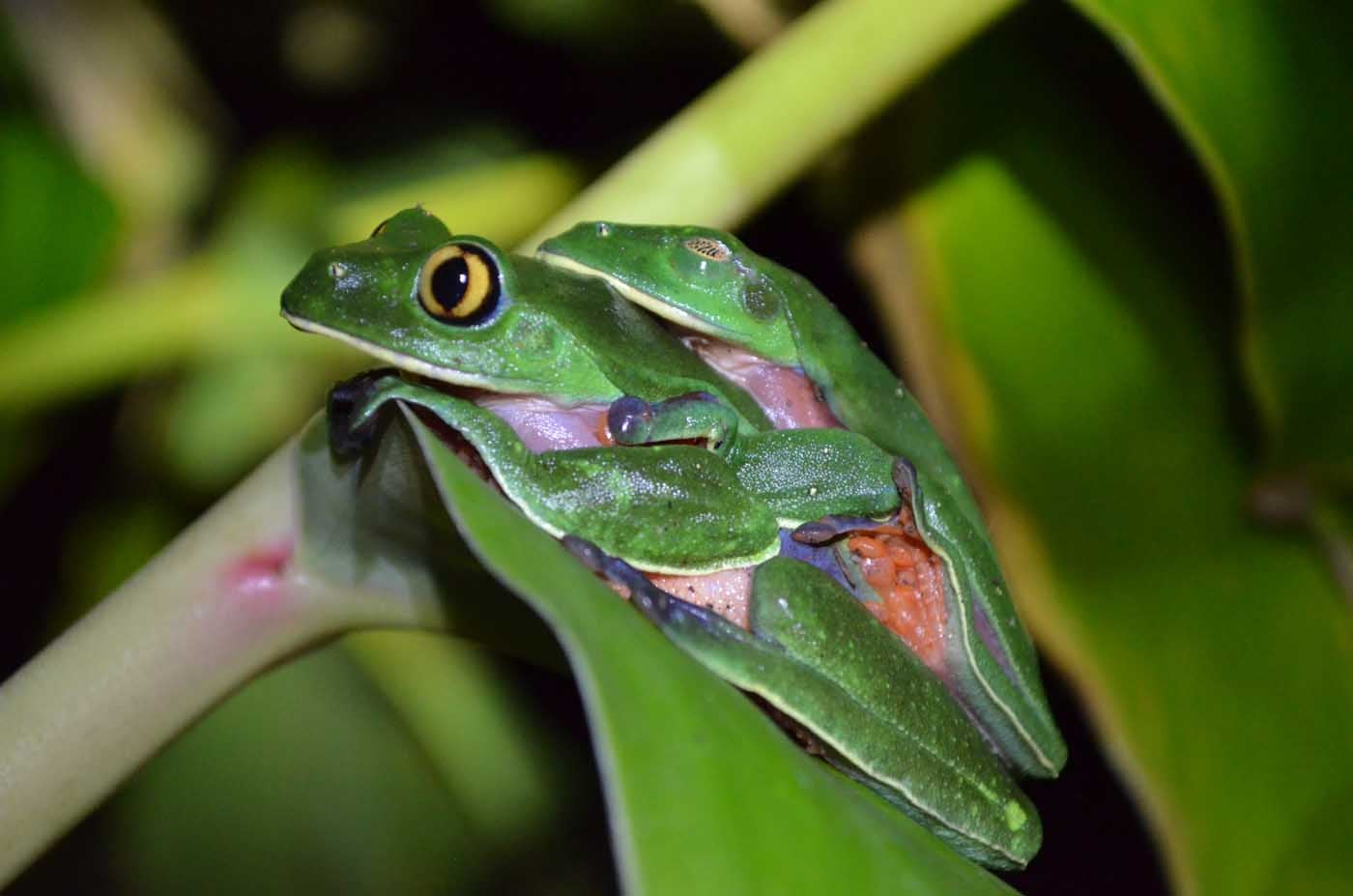
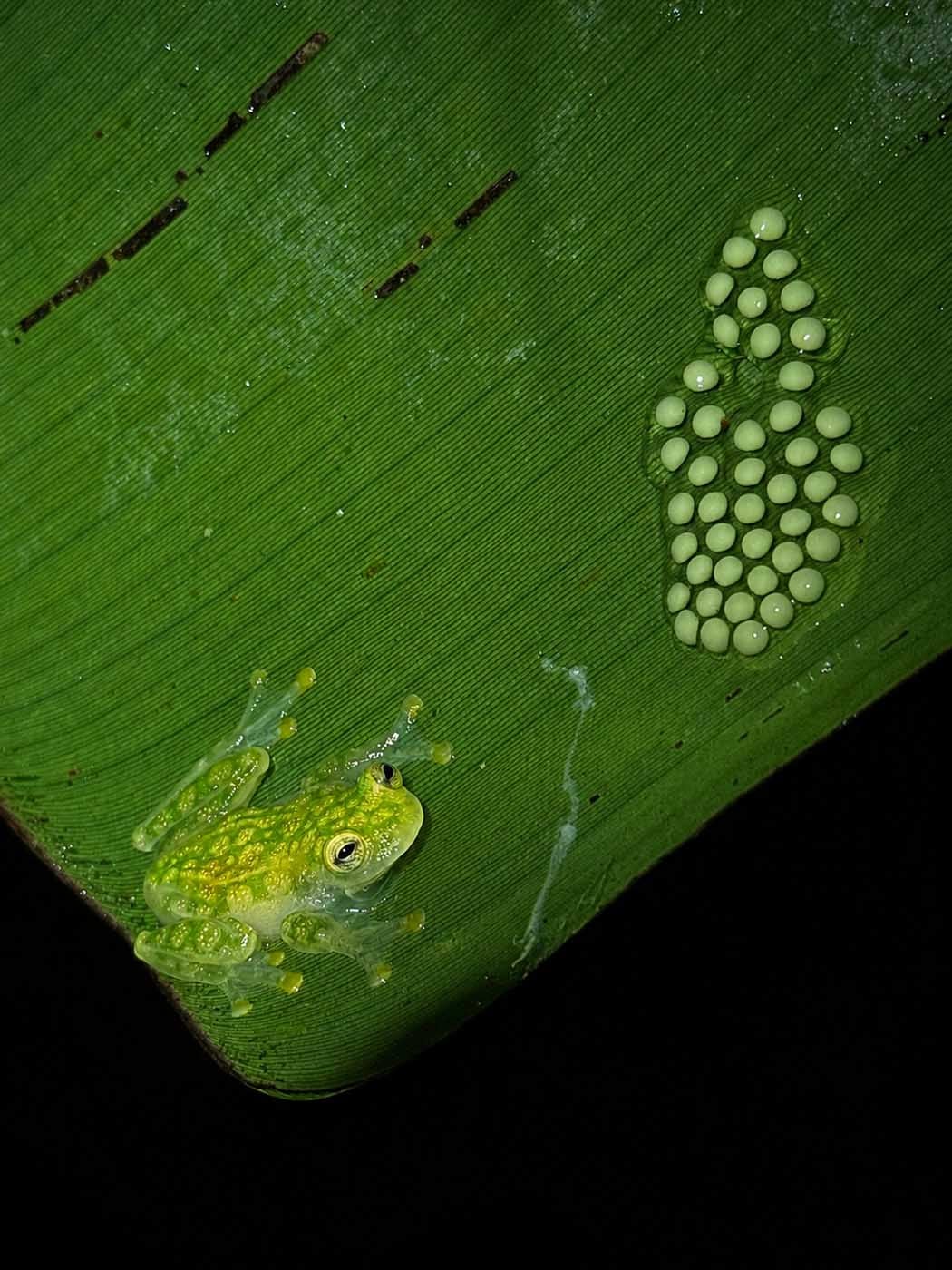
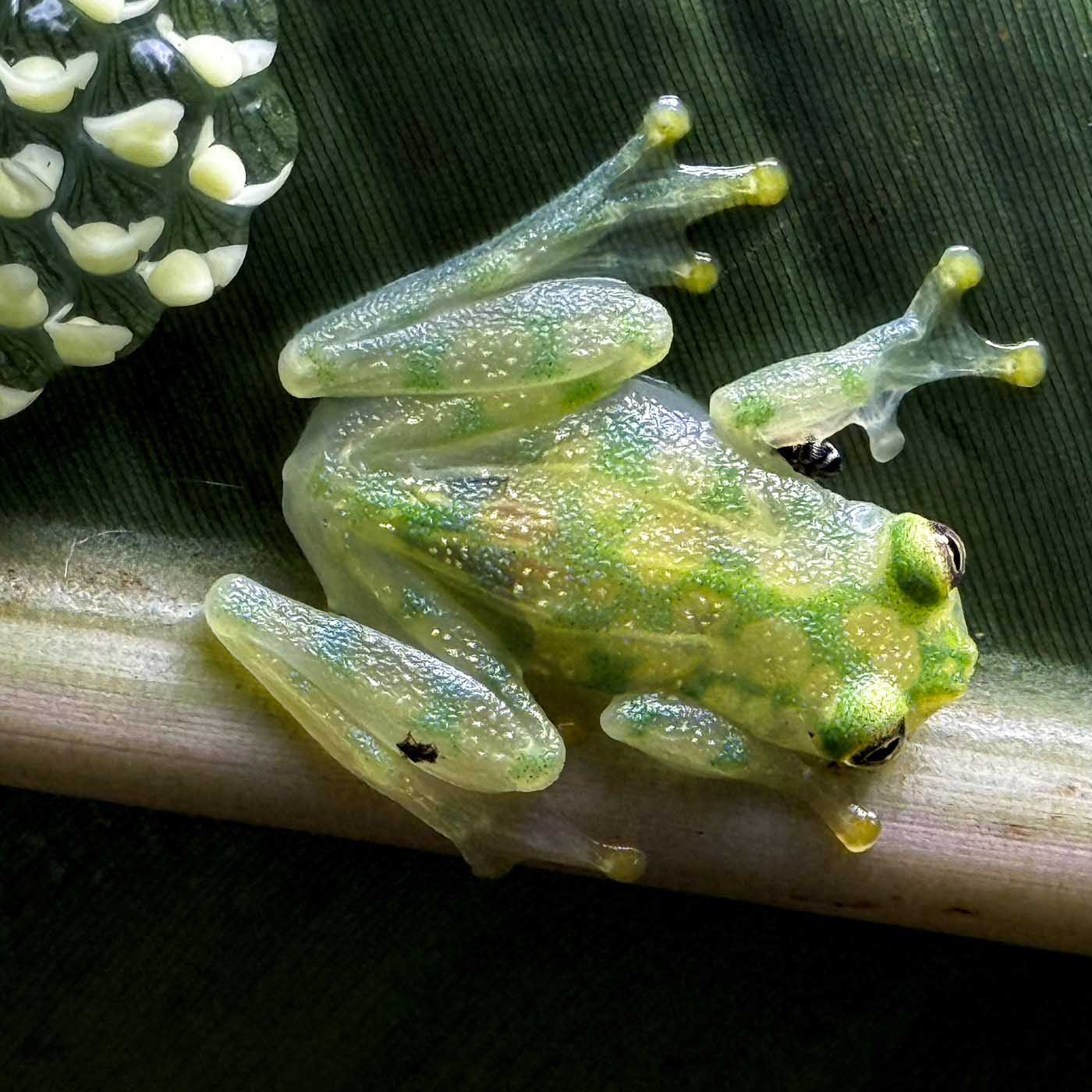
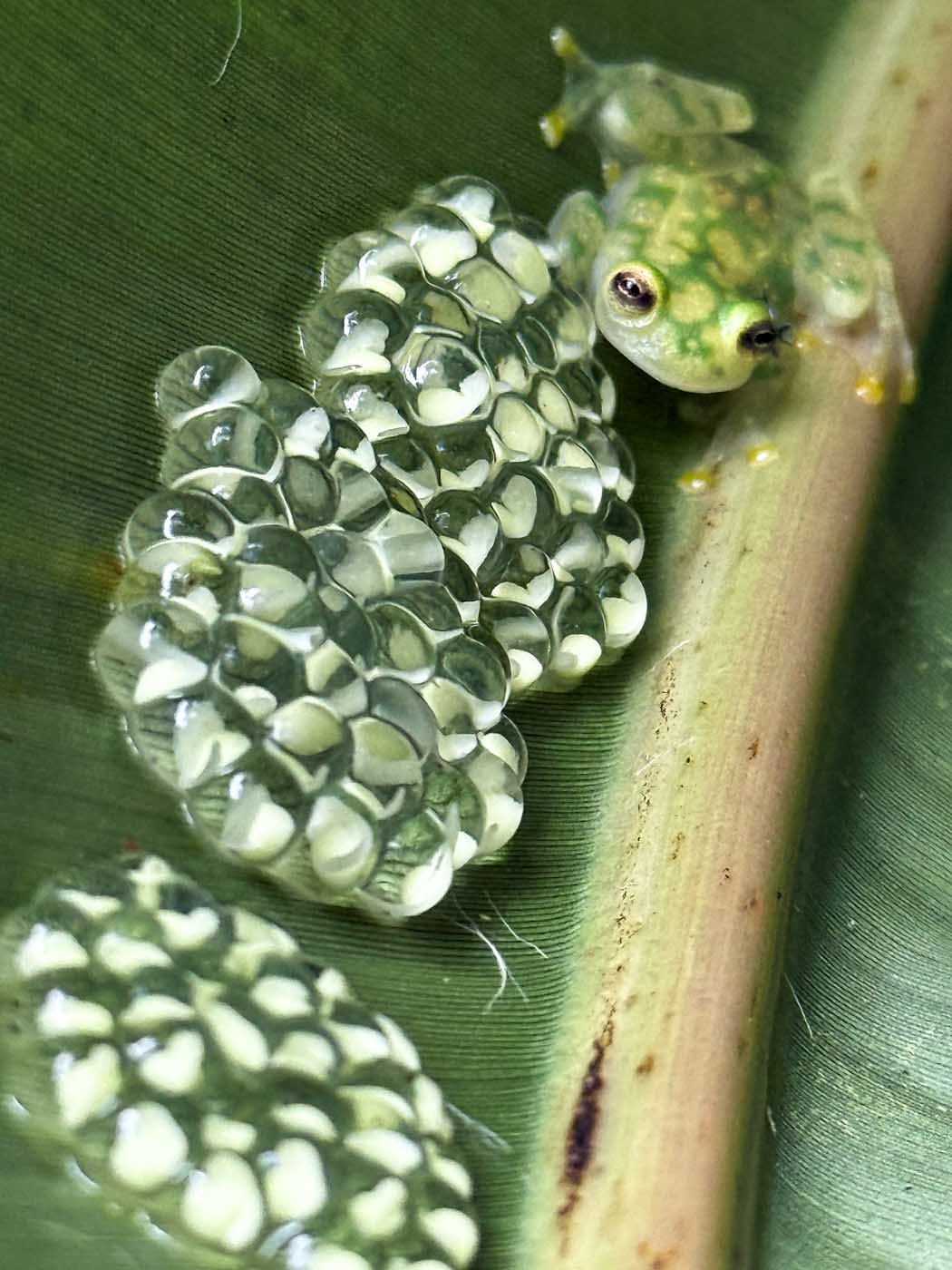
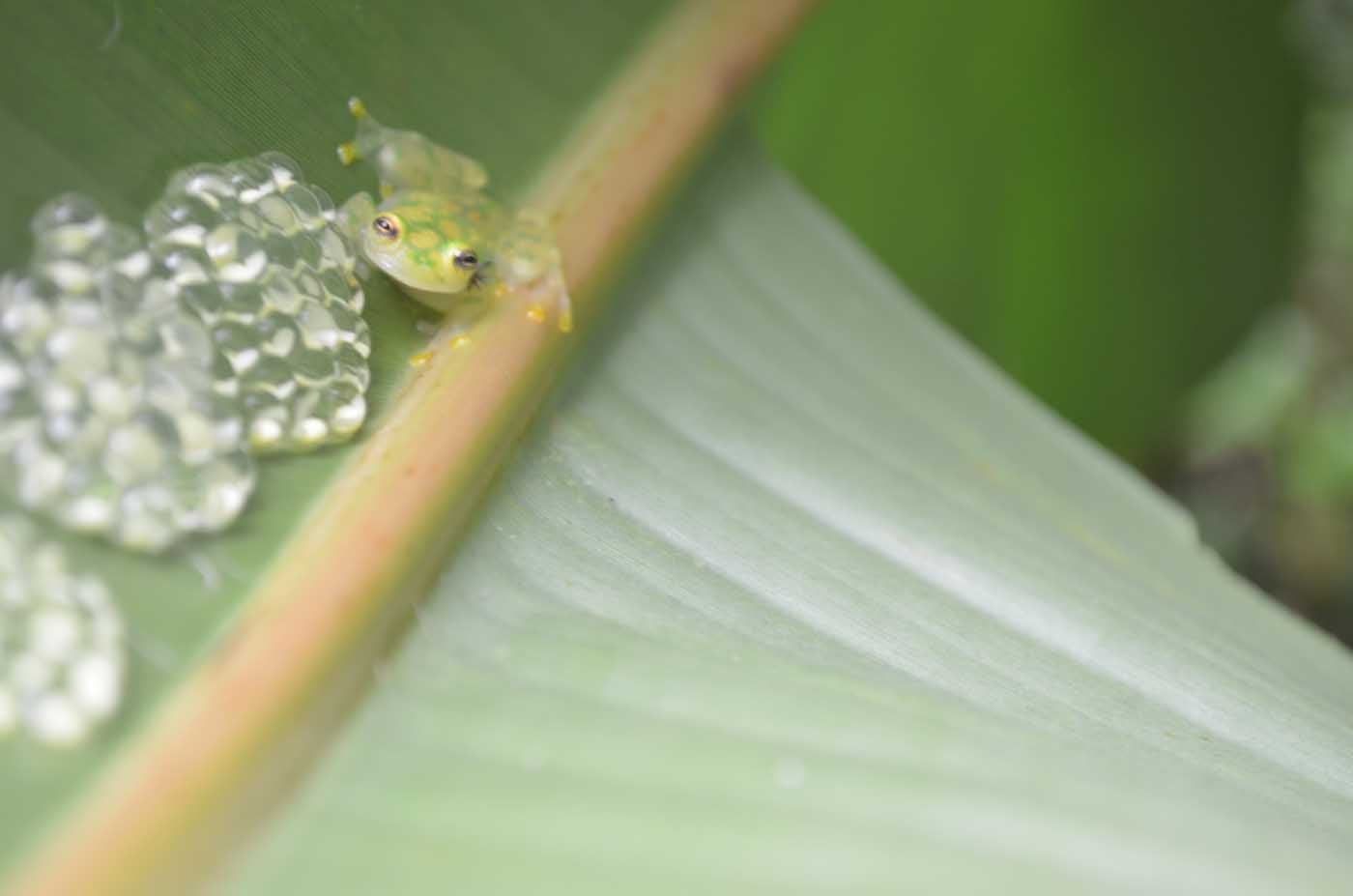
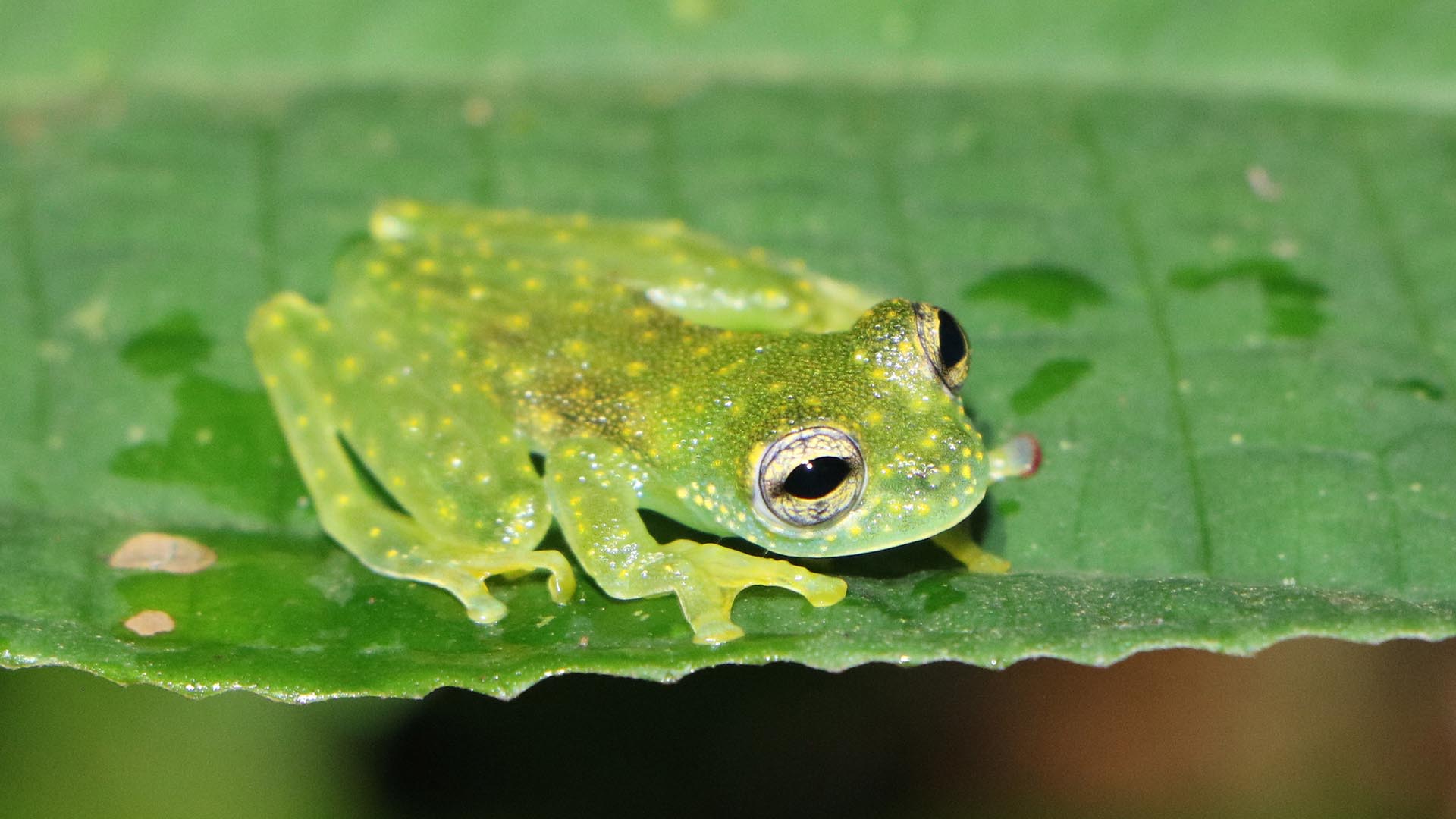
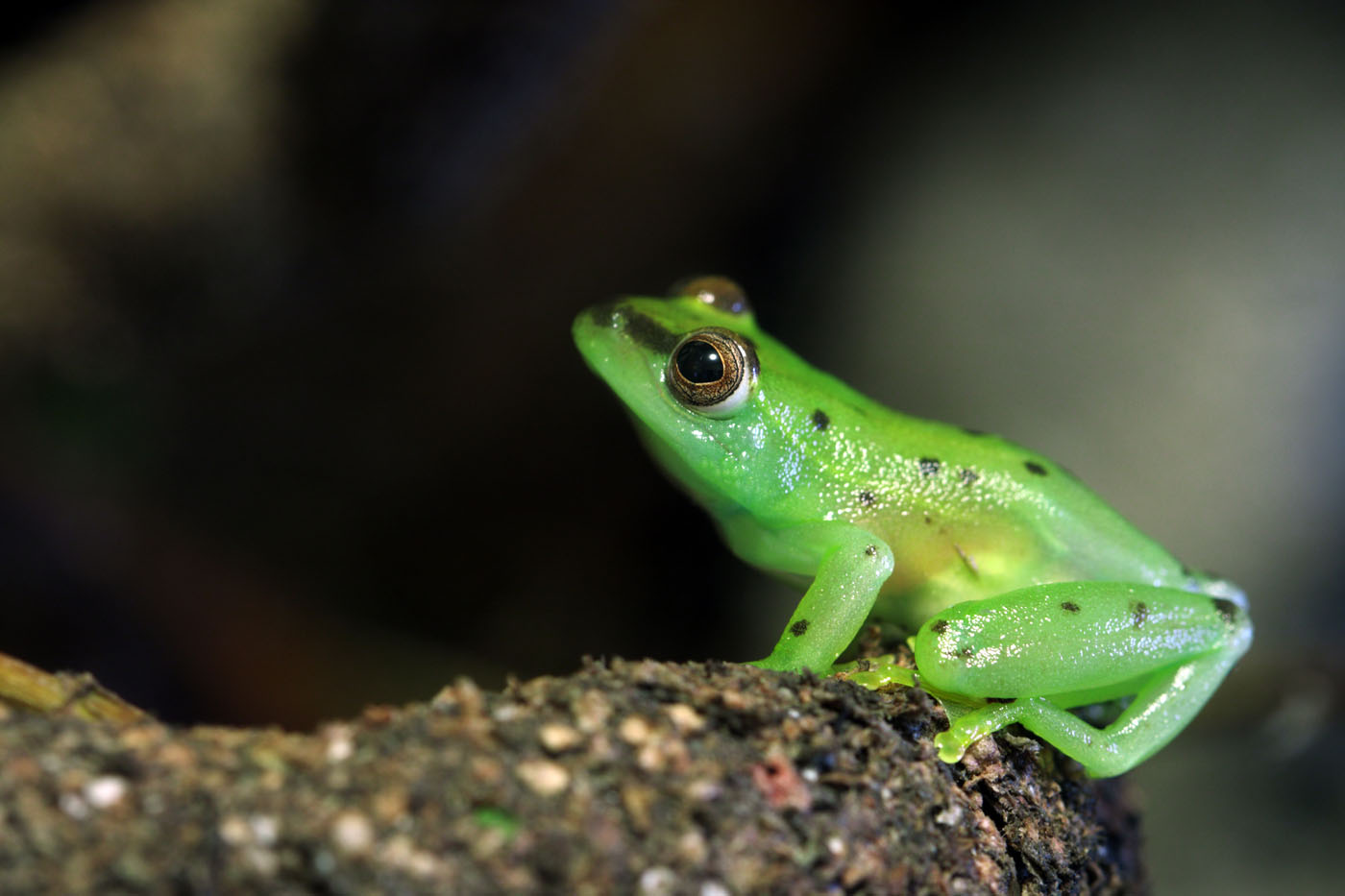
Glass frogs in amplexus at Finca Ecoórganica
Closing Thoughts
One of the most valuable aspects of this experience was seeing firsthand how conservation and sustainable agriculture can work together. From habitat restoration to responsible farming practices, every part of the experience reinforced the importance of protecting ecosystems through long-term, community-driven stewardship.
What I especially appreciated about this program was how adaptable it was to the volunteer’s skills and interests. Because of my experience building ponds and habitat features, much of my work focused on creating and improving amphibian breeding areas to support local populations.
Programs like this are an incredible opportunity for anyone interested in conservation, ecology, wildlife biology, or simply making a tangible difference in the environment. Conservation is not only about research — it is also about restoration, education, collaboration, and supporting the communities that protect these ecosystems every day.
If you are looking for a meaningful way to get involved in conservation work in the field, I highly encourage you to learn more about this volunteer experience through SAVE THE FROGS!
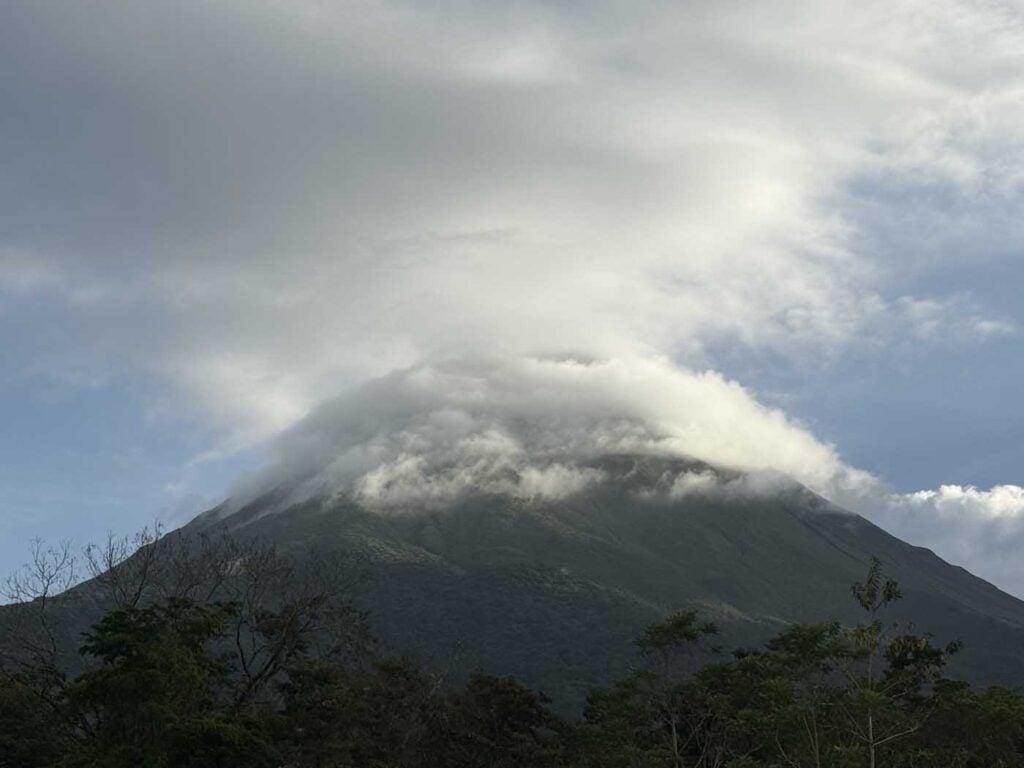
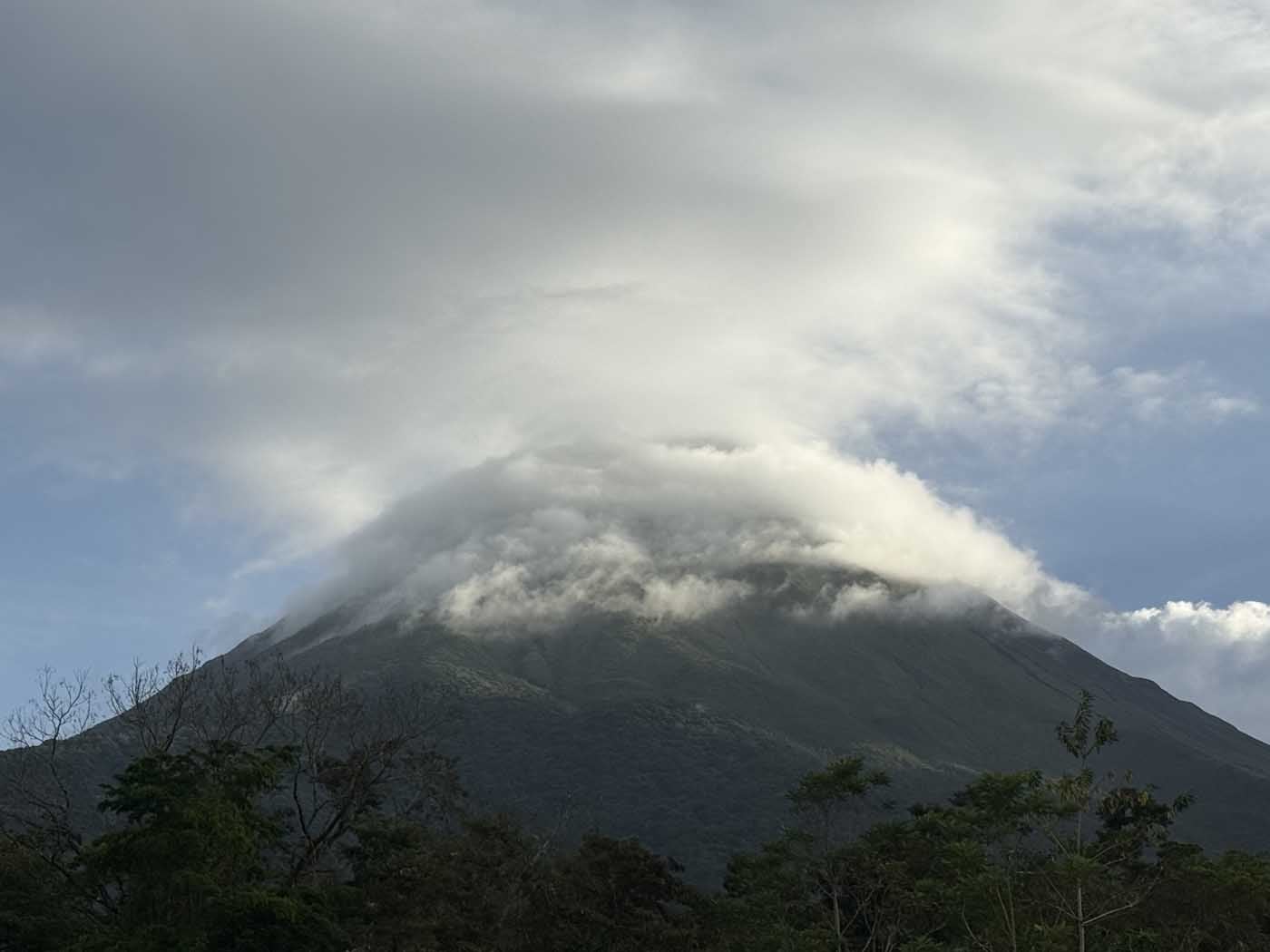
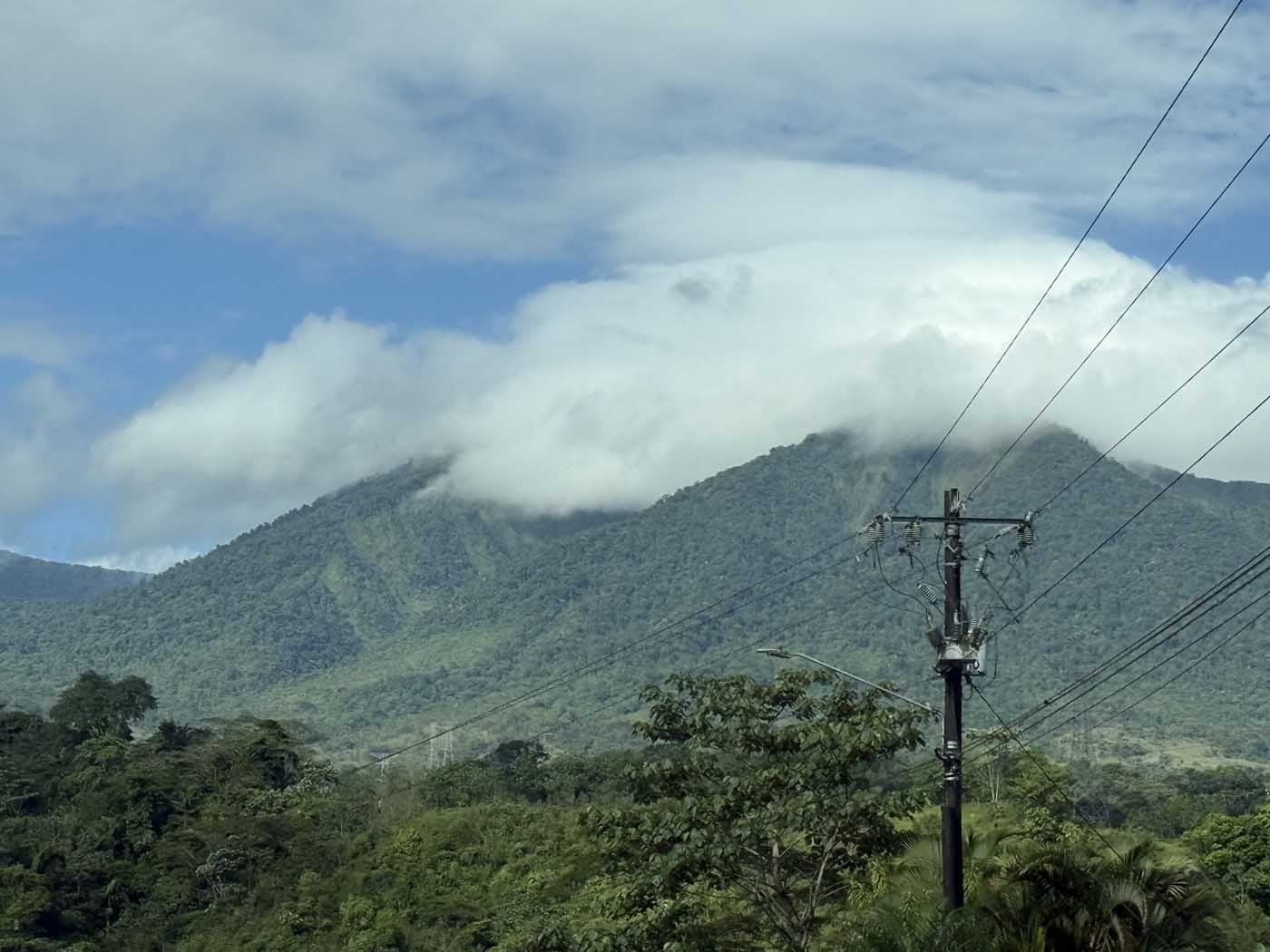
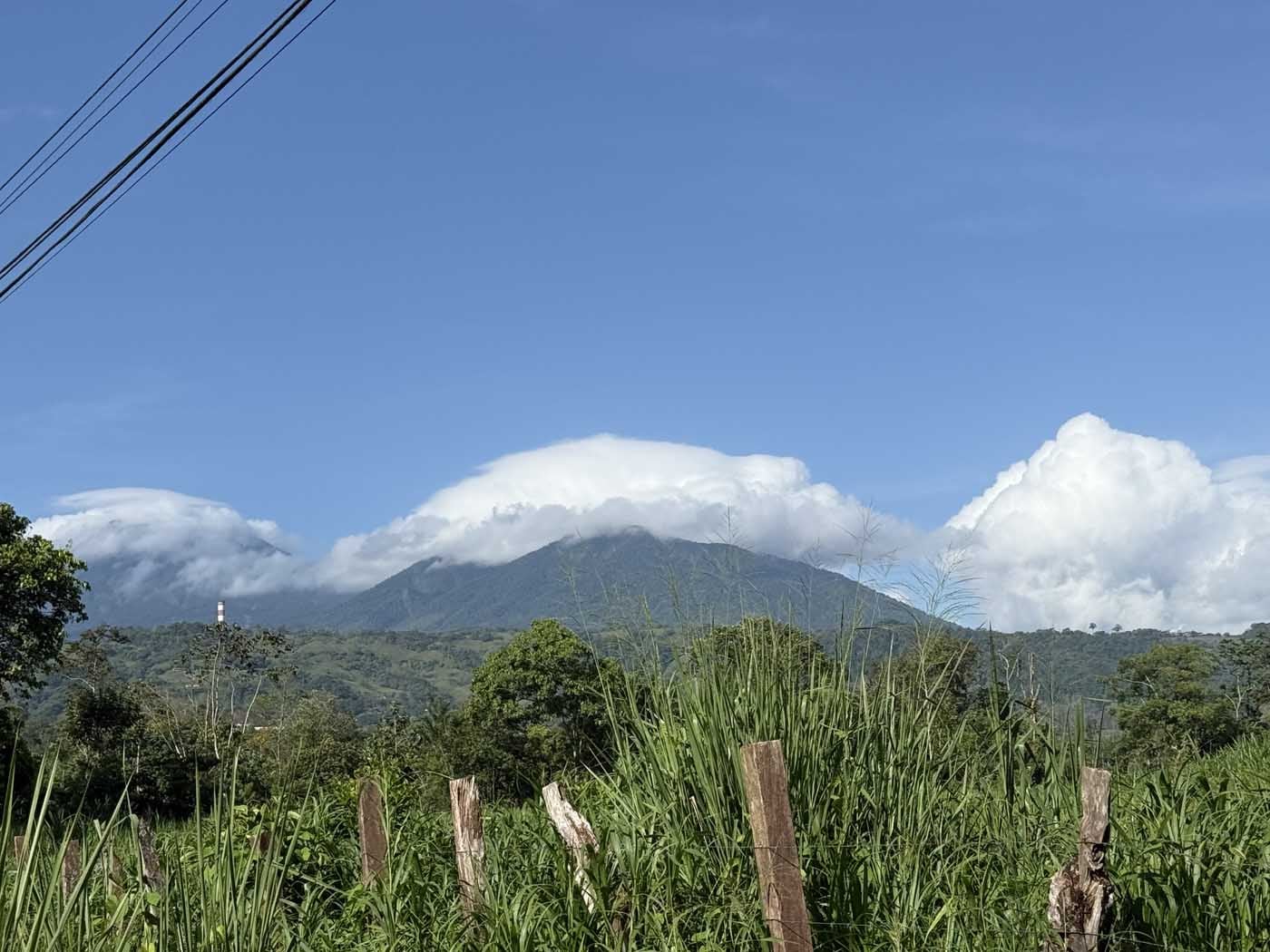
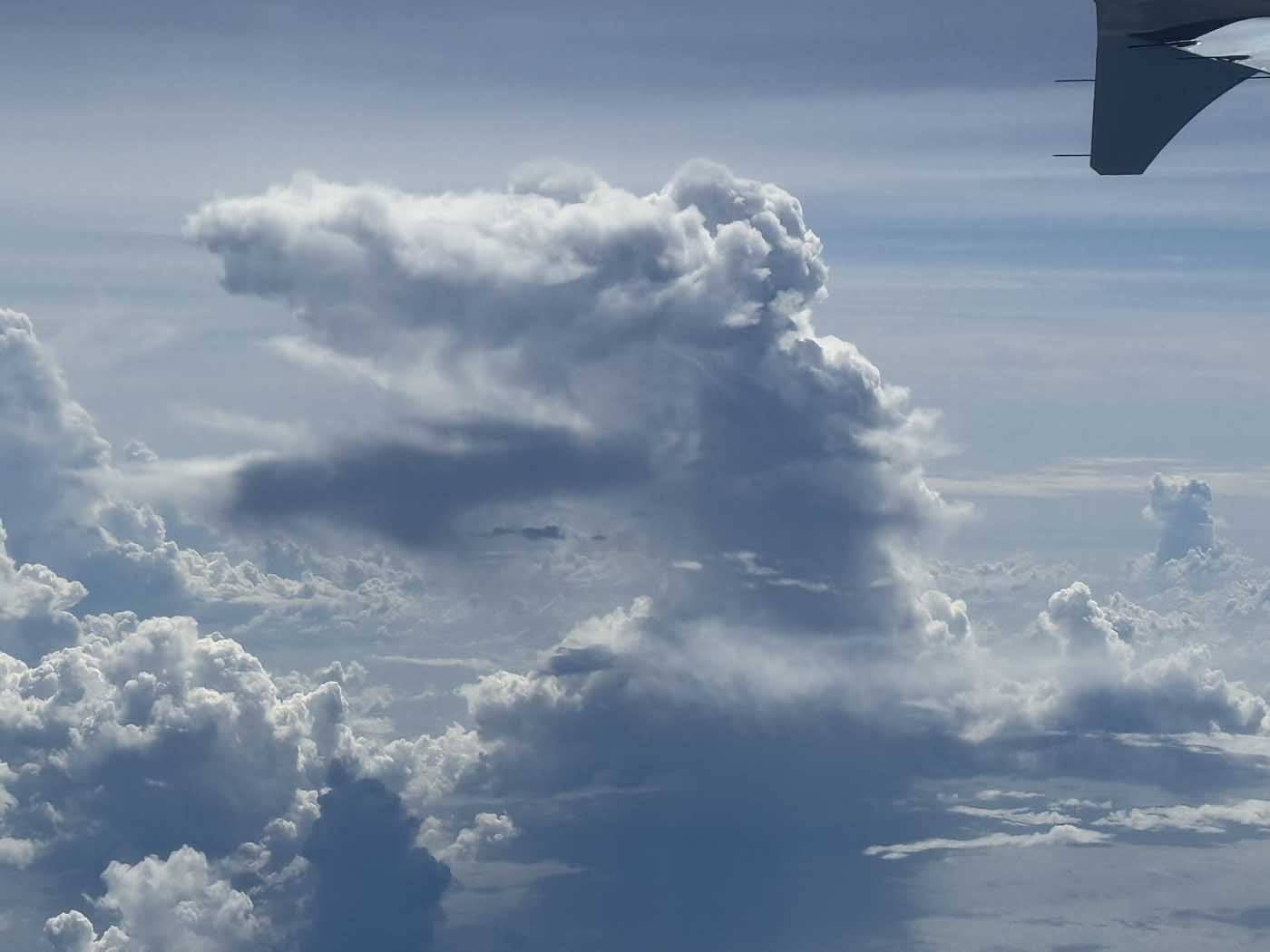
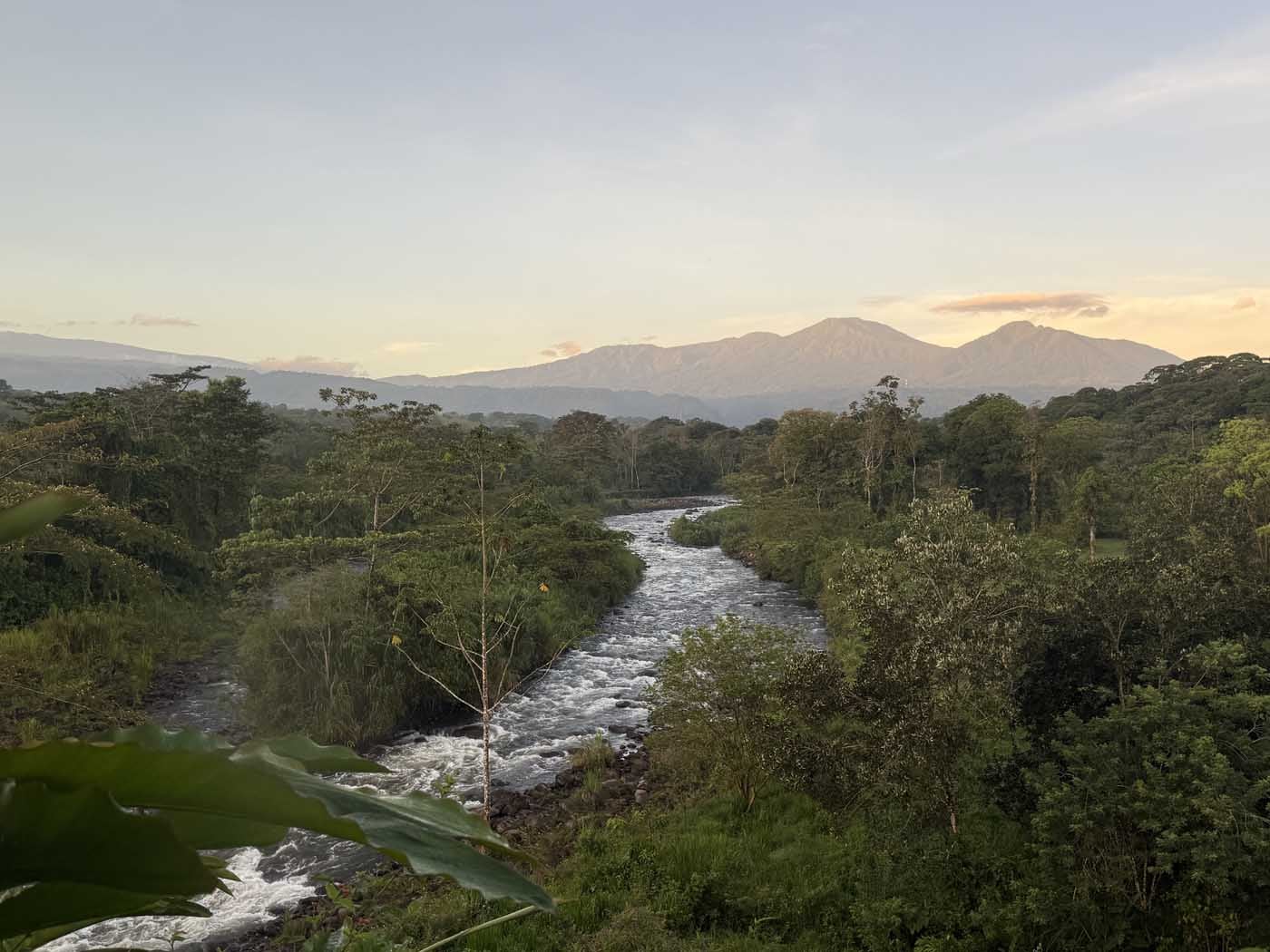
Arenal Volcano shrouded in clouds.