




Introduction
AI-generated art has become one of the most divisive topics in creative communities. Critics raise real concerns about energy use, artist livelihoods, training data, and aesthetic value. Supporters point to accessibility, efficiency, and creative freedom.
Both sides have valid points. This article looks honestly at four areas where AI art is debated — environmental impact, aesthetics, economics, and accessibility — and presents the costs and benefits of each. It closes with a note on how the SAVE THE FROGS! Art Contest handles creation methods.
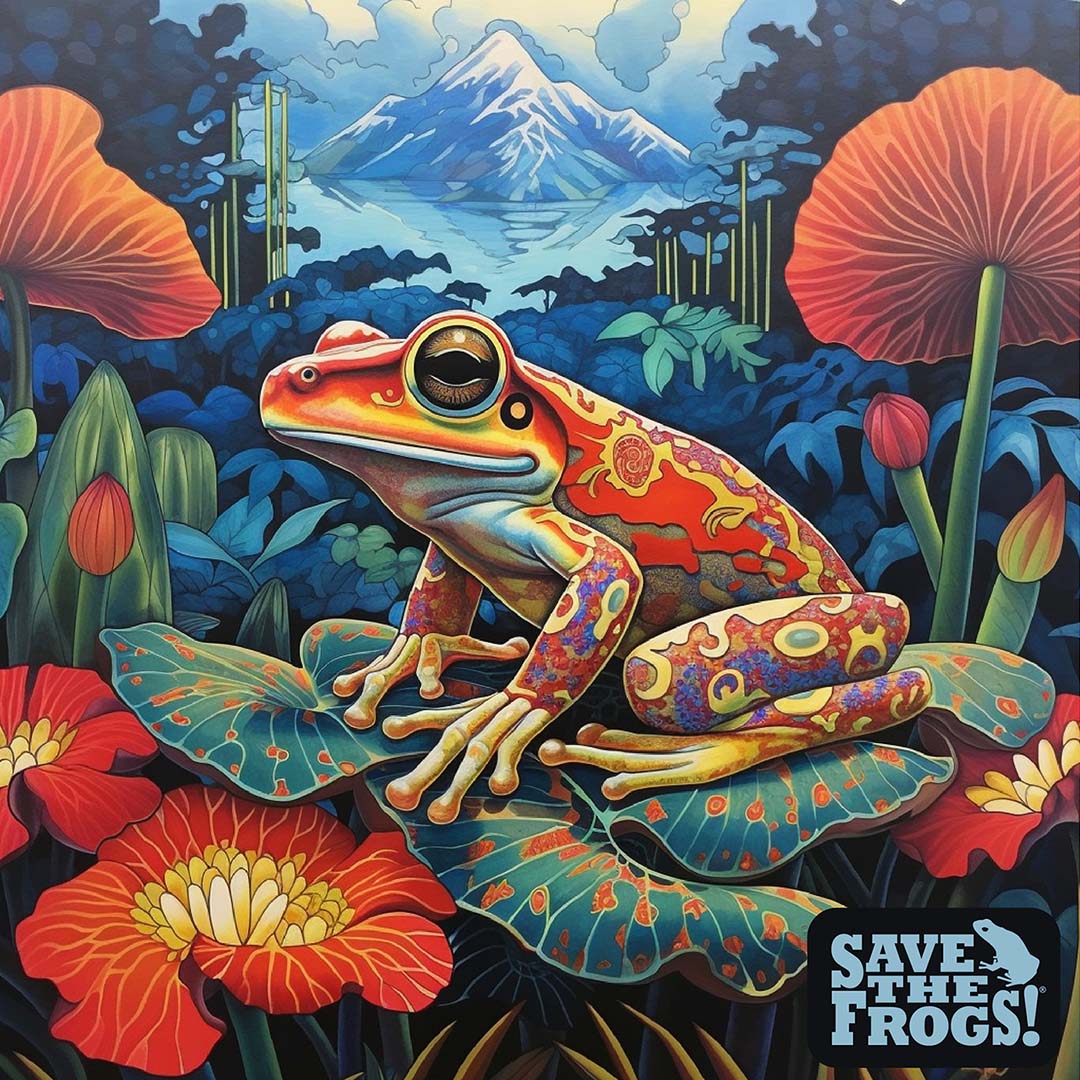
Taiwanese frog art created in Midjourney by SAVE THE FROGS! Founder Dr. Kerry Kriger.
1. Environmental Impact
The Costs
AI models require data centers, and data centers consume electricity and water for cooling. Training large models uses enormous bursts of energy over weeks or months. Running those models — every prompt, every generation — adds up across billions of requests. As AI features become defaults in search engines and other tools, the cumulative footprint grows.
In some regions, data center water withdrawals can stress local wetlands and aquifers, which is a direct concern for amphibians. New power plants are being built specifically to serve AI workloads.
The Benefits
AI art avoids the physical materials used in traditional art: paper, canvas, paints, solvents, brushes, inks, framing, and shipping. A single oil painting can carry a meaningful carbon footprint from material extraction alone before the artist picks up a brush.
AI art also avoids many of the energy costs of traditional digital art. A graphic designer working eight hours in Adobe Illustrator typically uses more total electricity than generating dozens of AI images, because the computer, monitor, and peripherals run continuously for hours. Per image, published estimates suggest AI generation can emit far less CO2 than a human illustrator producing equivalent work — though these numbers depend heavily on the model, hardware, and how often an artist iterates.
The Honest Verdict
AI art is not environmentally free, and it is not environmentally catastrophic either. At the individual level, a single AI image has a small footprint. At the civilization level, the aggregate energy and water demand of AI is significant and rising. The most meaningful environmental action is not banning AI art – it is protecting wetlands, pushing for renewable-powered data centers, and using AI intentionally rather than wastefully. For practical advice on using AI with a smaller footprint, see our Tech-Savvy Frog Lovers guide.
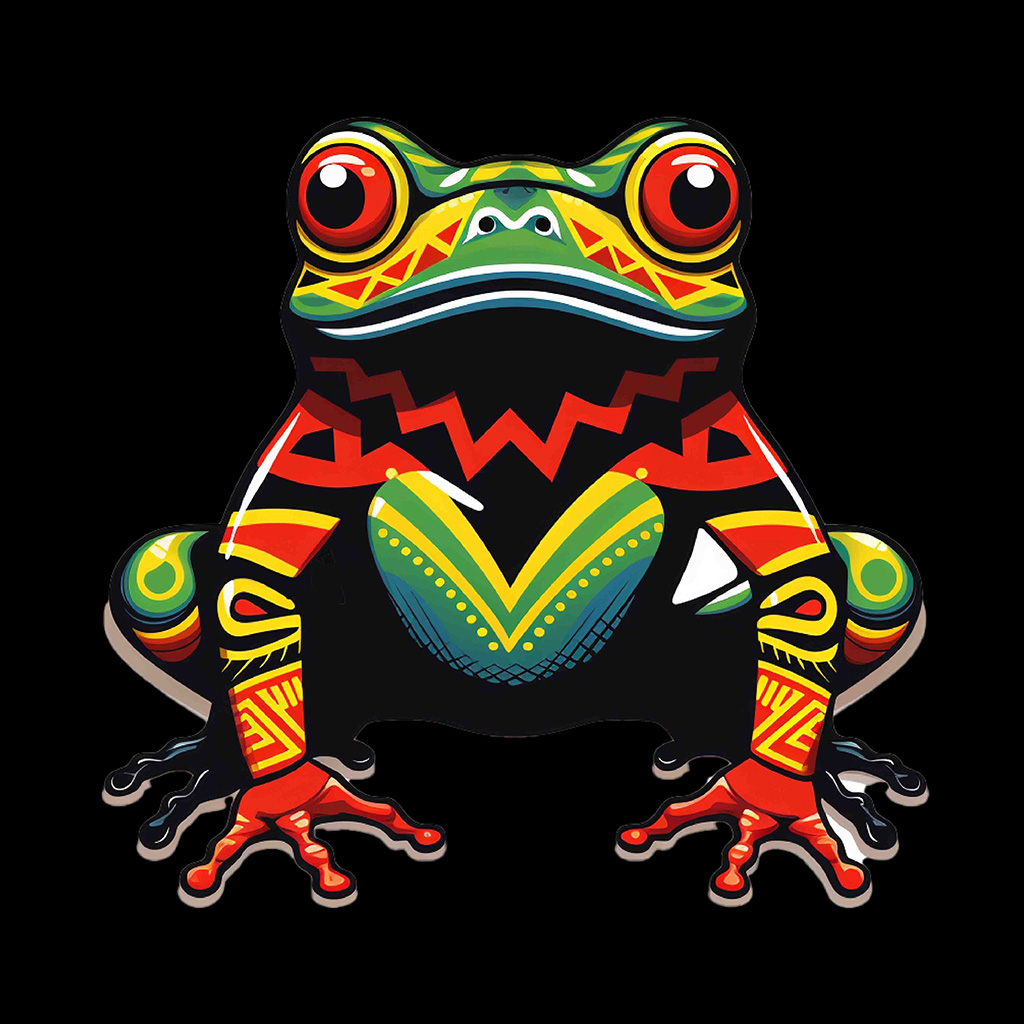
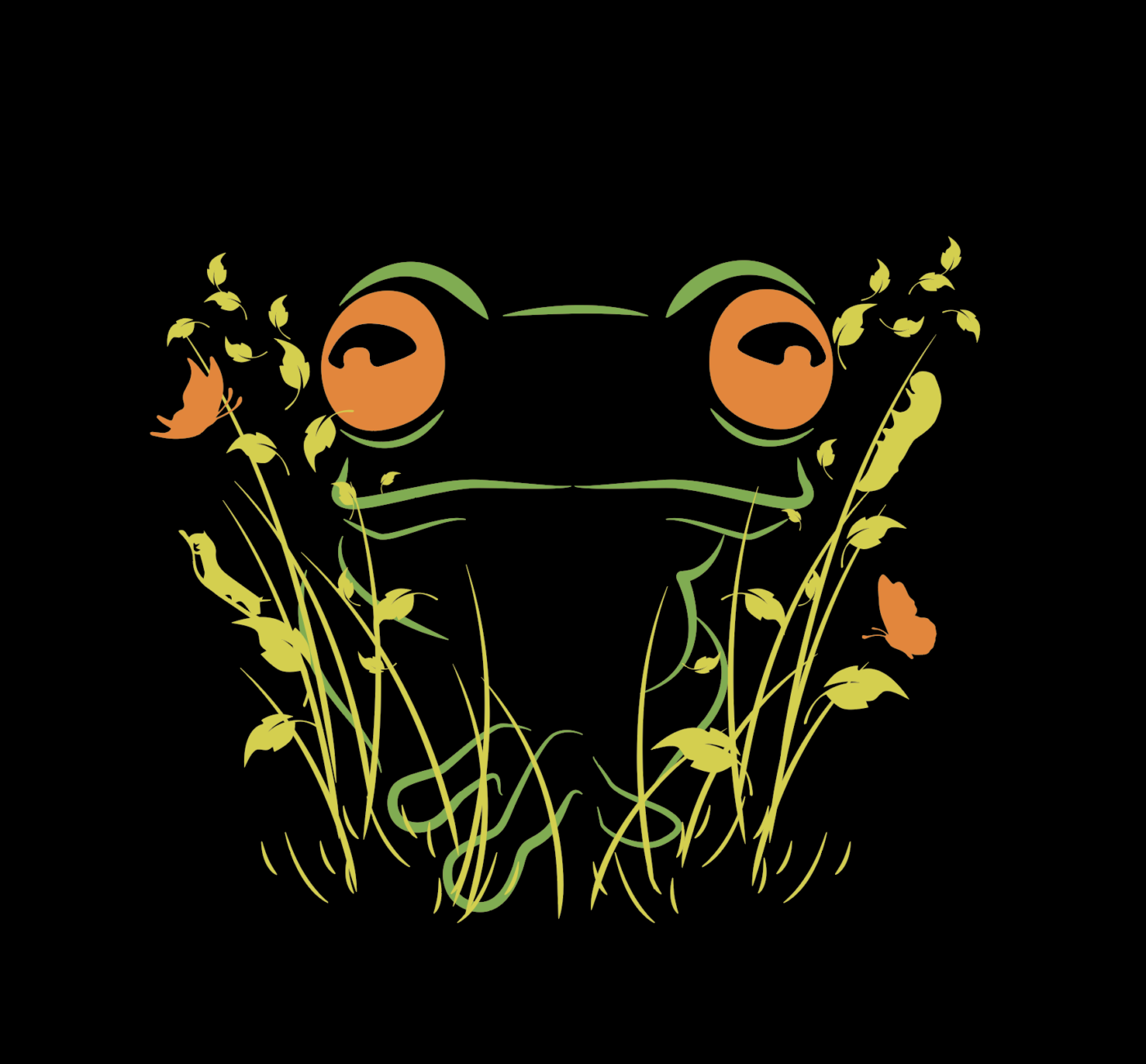
SAVE THE FROGS! Africa logo art created in Midjourney by SAVE THE FROGS! Founder Dr. Kerry Kriger.
2. Aesthetics
The Costs
Plenty of AI-generated art is mediocre. Low-effort prompts produce generic, repetitive images — the same lighting, the same poses, the same “style.” Some AI work has a telltale uncanny quality. When AI images flood social media feeds, they can dilute attention that might otherwise go to thoughtful traditional work. Some viewers find AI art emotionally hollow, arguing that art’s value comes partly from the human hands and hours behind it.
The Benefits
Plenty of AI-generated art is genuinely beautiful. Skilled prompt engineers, working iteratively with the tools, produce striking, original images. Some professional artists use AI as one layer in a larger workflow that still involves sketching, compositing, and hand-editing. Aesthetic judgment is personal. What one viewer finds soulless, another finds breathtaking. This has always been true of every medium — photography was once dismissed as not-real-art, as were digital illustration, collage, and abstract painting.
The Honest Verdict
Quality depends on the artist, not the tool. A thoughtful AI artist can produce moving work; a lazy traditional artist can produce something forgettable. Viewers will sort out what they love on their own, as they always have.
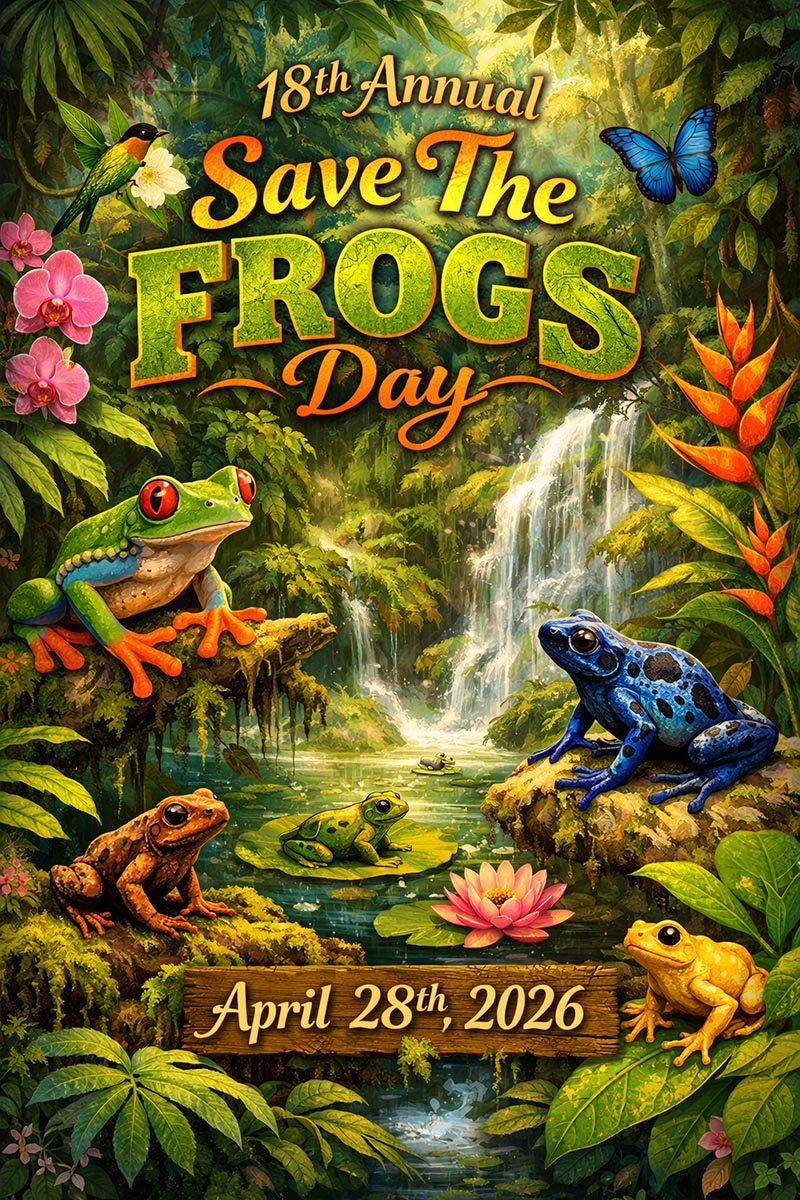
This article was inspired by us having received some unhappy comments after we posted the image above on the SAVE THE FROGS! Instagram channel. Nothing like art to cause a bit of controversy and get people thinking!
3. Economics
The Costs
Some traditional illustrators and graphic designers have lost work to AI. Clients who once hired an artist for a quick logo, spot illustration, or social media graphic may now generate one themselves. This is a real economic disruption for people who built careers on that kind of work. There are also concerns about training data: many AI models were trained on images scraped from the internet, including copyrighted work, without explicit permission or compensation to the original artists.
The Benefits
AI has created new work for people who use it skillfully. Prompt engineering, AI art direction, model fine-tuning, and AI-assisted design are all growing fields. Software developers, platform operators, and AI researchers have entire new industries built around these tools. Nonprofits, small businesses, and individuals who could never afford to commission original art can now quickly produce compelling visuals for their causes. A small amphibian conservation group in a developing country can generate professional-looking campaign imagery for the cost of a subscription.
The Honest Verdict
Economic disruption from new technology is not new — it happened with photography, desktop publishing, stock photo services, and every major shift before. Some artists lose; some gain; many adapt. The training data question is a legitimate policy issue that courts and legislatures are still working through.
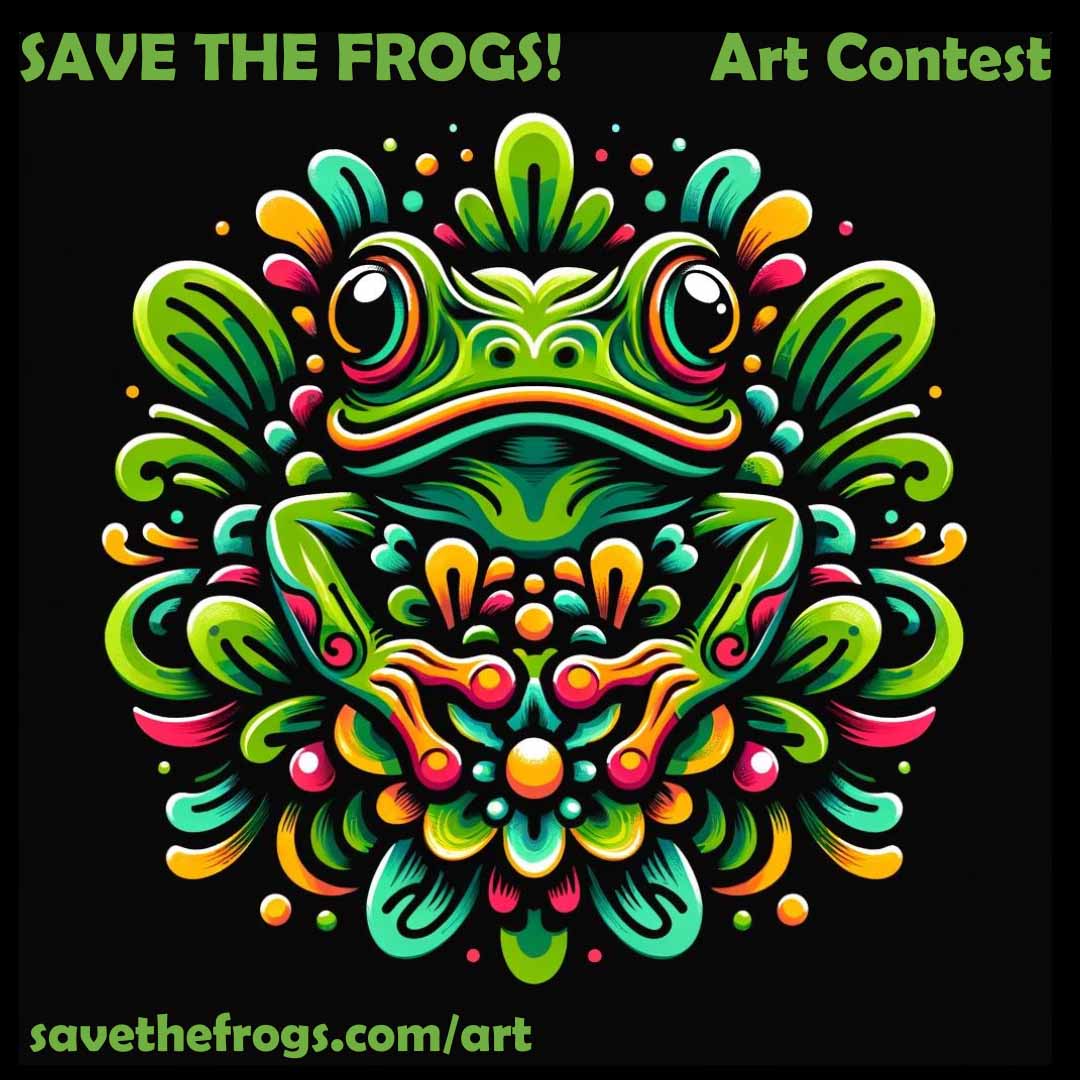
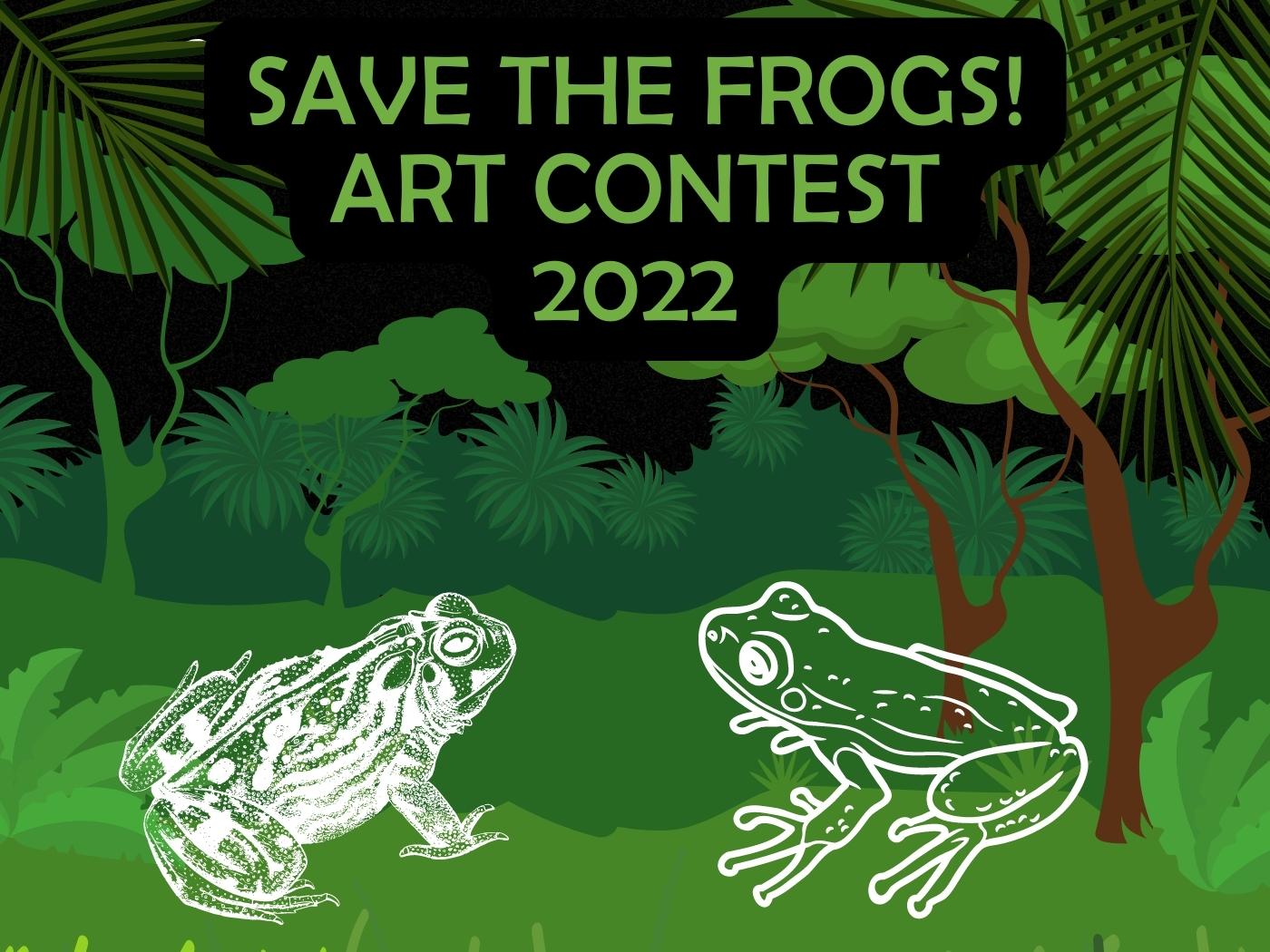
SAVE THE FROGS! Art Contest promo art created in Dall-E by SAVE THE FROGS! Founder Dr. Kerry Kriger.
4. Accessibility and Participation
The Costs
If AI lowers the barrier to making images, some argue it devalues the skill and discipline that traditional artists spend years developing. Art contests and communities that don’t distinguish between methods may feel, to some traditional artists, like the playing field has been tilted.
The Benefits
AI brings art creation to people who could not previously participate. People with physical disabilities that prevent fine motor control. People without formal art training. People in places without access to art supplies or instruction. Children exploring creativity for the first time. Conservation advocates who have powerful messages but no drawing ability. For an organization whose mission is inspiring amphibian conservation, having more people engaged in making frog art is a win — even if some of them are using tools that did not exist ten years ago.
The Honest Verdict
Accessibility is a genuine benefit. The concern about “devaluing” skill is real but familiar — every new creative tool has prompted it. Traditional skill still produces extraordinary work that AI cannot replicate, and the people who develop that skill will always find an audience.

Apocalyptic frog art created in Midjourney by SAVE THE FROGS! Founder Dr. Kerry Kriger, after a string of environmentally-unfriendly Supreme Court decisions.
Where This Leaves The SAVE THE FROGS! Art Contest
We accept entries created by any method — traditional, digital, AI-assisted, and fully AI-generated. We do not think it is our job to tell artists how to create. What matters to us is that the artist thinks about frogs and inspires people to protect amphibians. Full contest rules and our thoughts on creation methods are on the Art Contest homepage.
One More Thing
AI art is a tool. Like every tool, it can be used thoughtfully or wastefully, beautifully or lazily, to build something meaningful or to flood the world with disposable content. The same is true of oil paints, cameras, and Photoshop.
What matters most — for frogs, for art, and for the planet — is what we do with the tools we have.
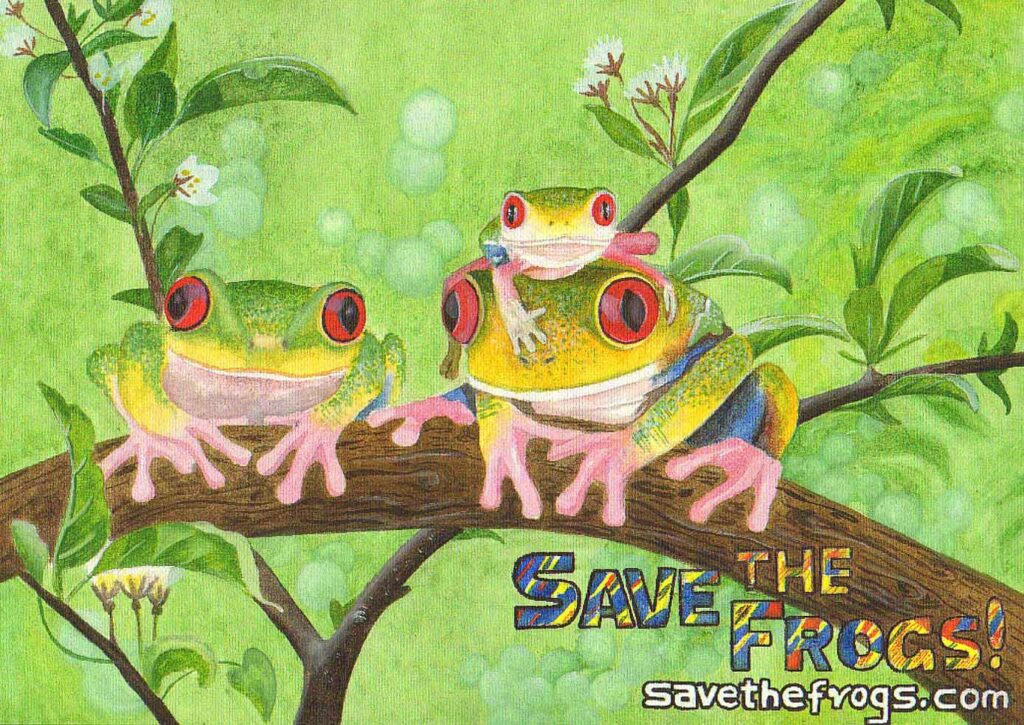
Art atop this page created by hand by Aydan Chang of Singapore, 2024 SAVE THE FROGS! Art Contest Finalist.